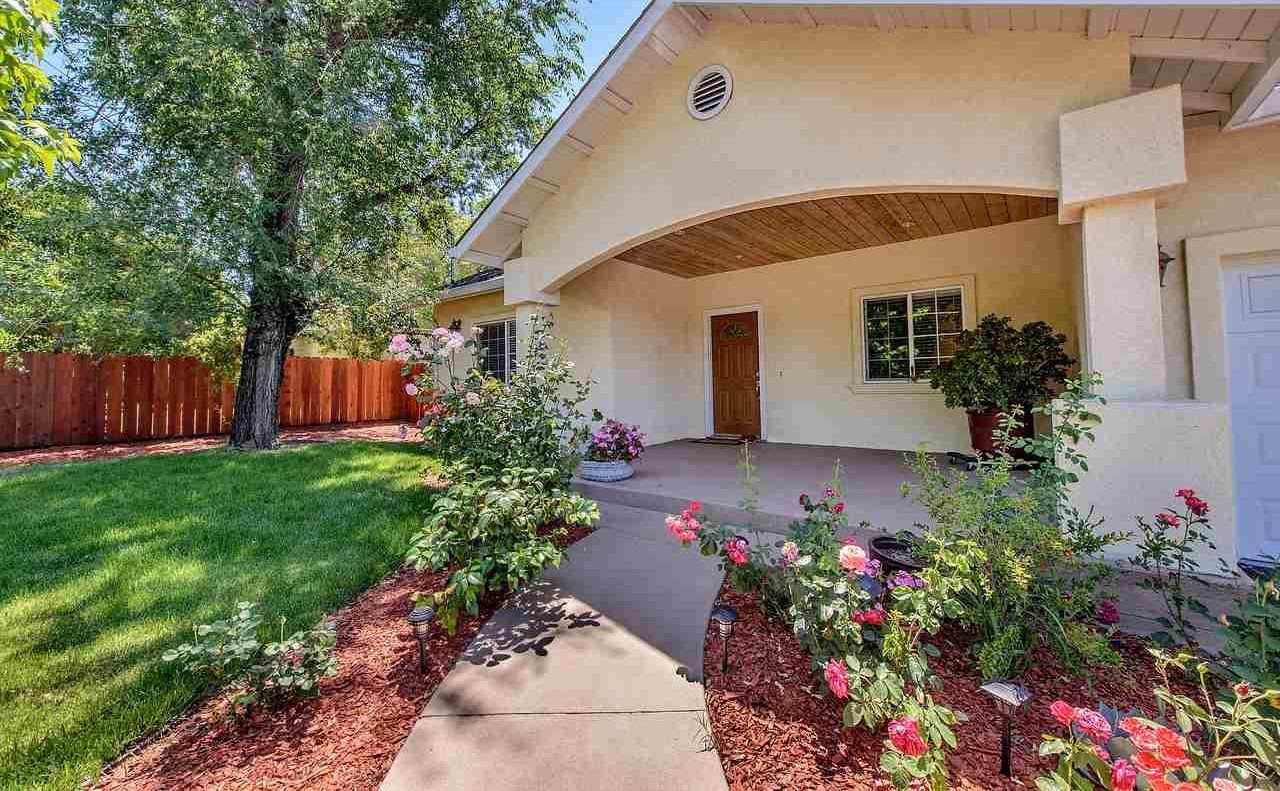
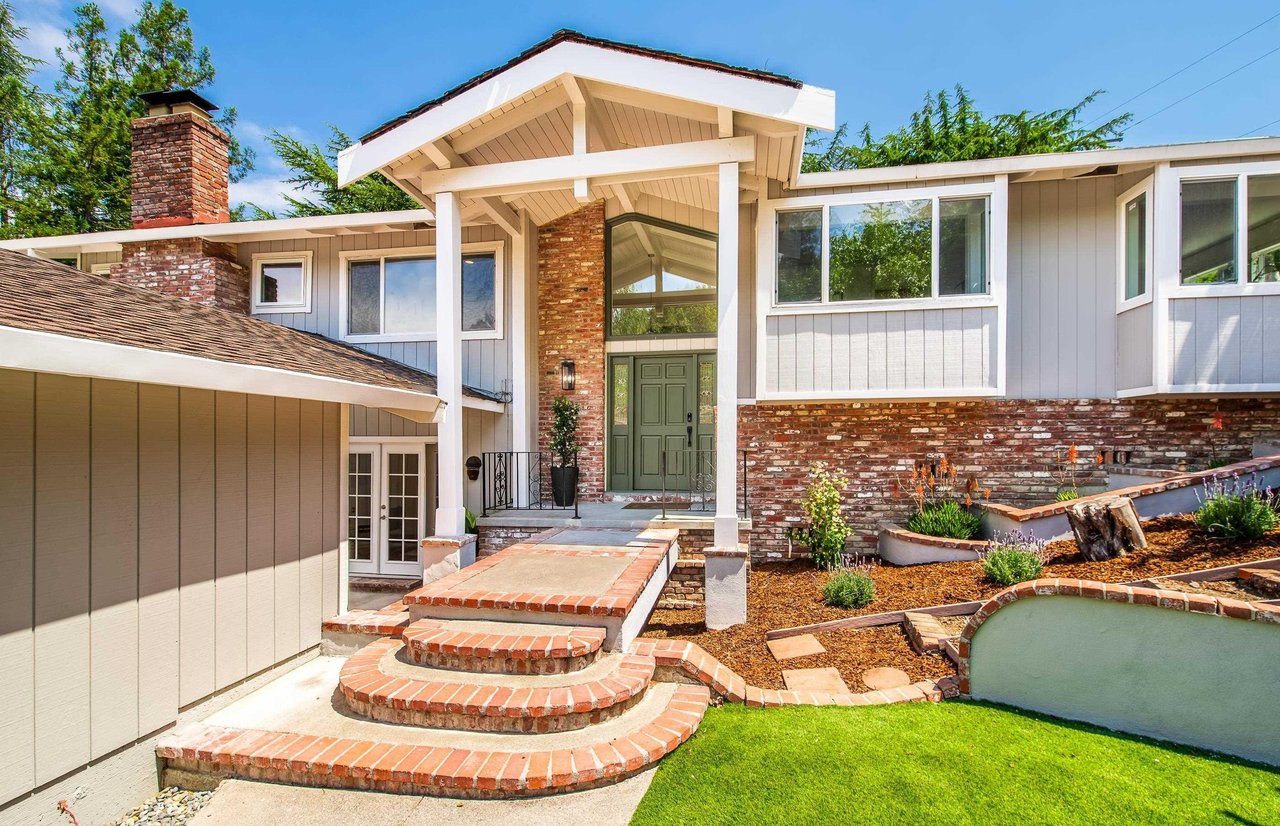
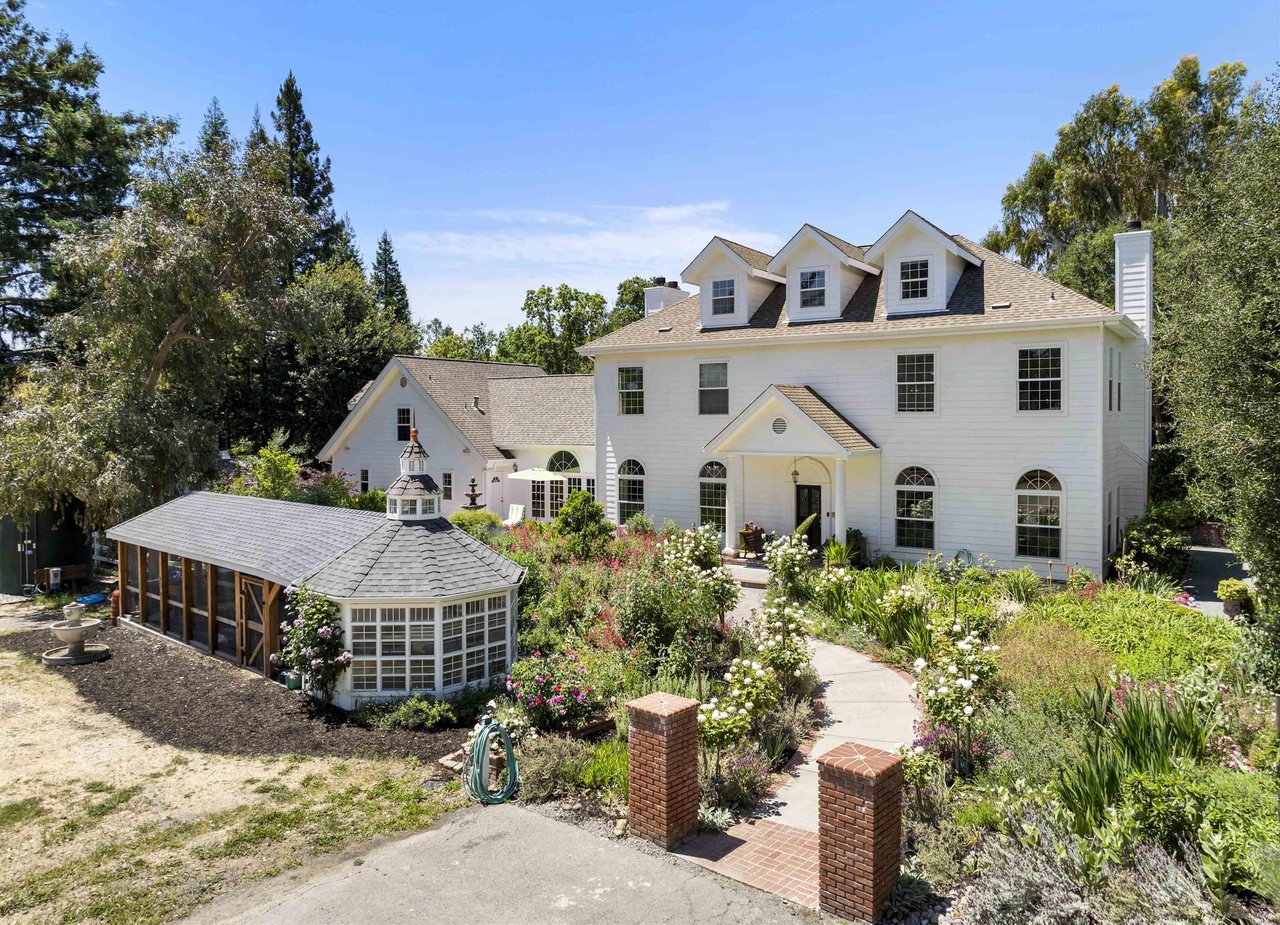
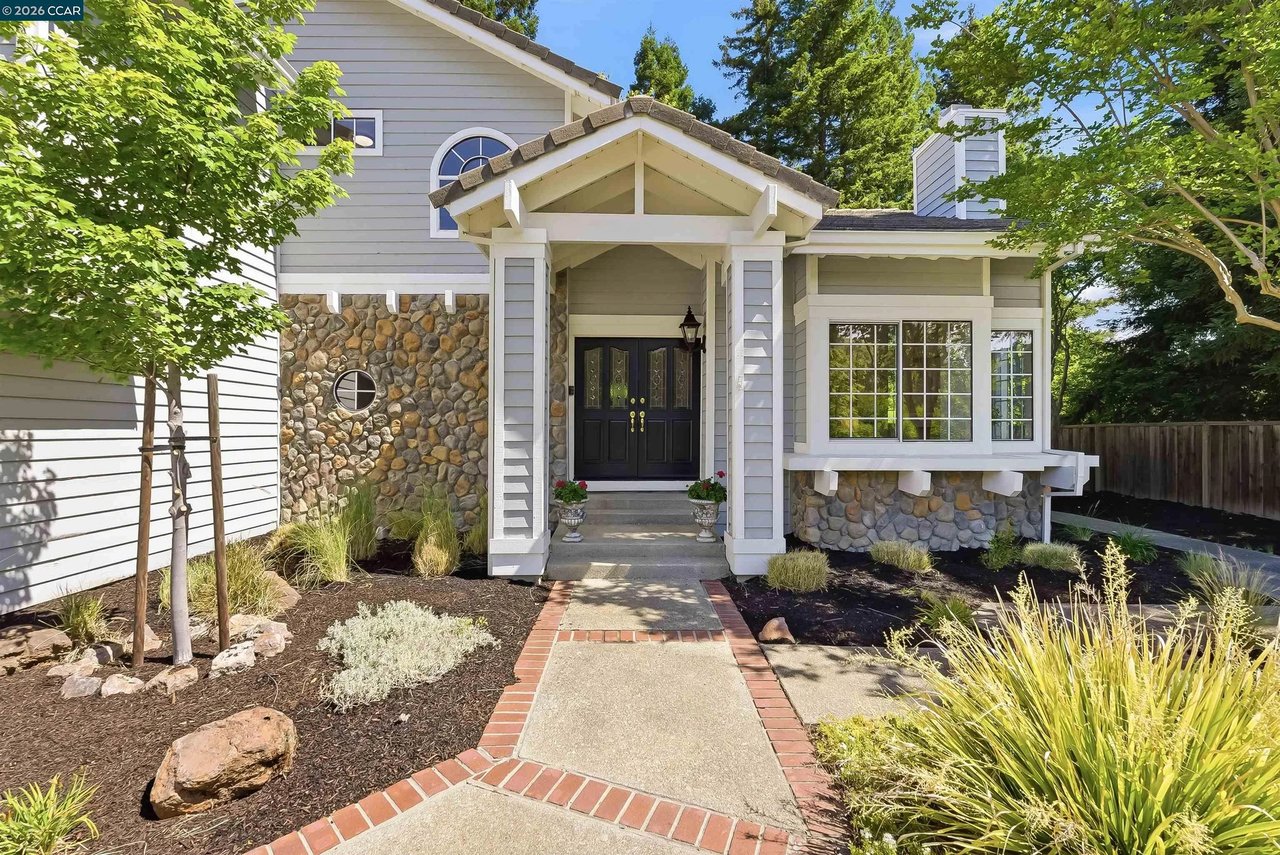
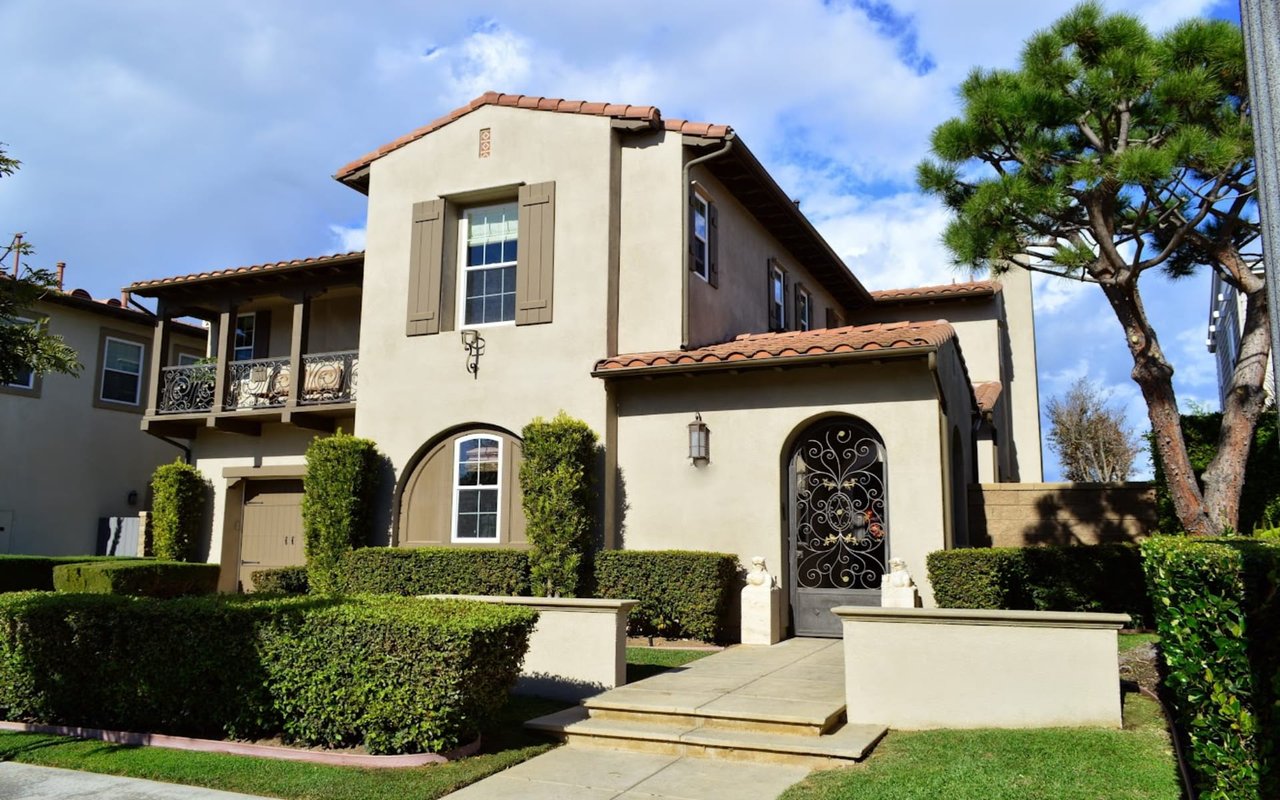
Buying an older home in Lafayette, Orinda, Moraga, Walnut Creek, Danville, or Alamo can be exciting. You might love the location, the lot, the architecture, or the character that makes the property feel like home.
Then you walk into the kitchen and start imagining what it could become. New cabinets, beautiful countertops, updated appliances. You have a budget in mind and hope to finish everything before setting in.
It’s easy to picture the finished space. What can be harder to anticipate is everything that happens before you get there.
A kitchen renovation can involve electrical updates, plumbing, flooring, permits, and even structural changes. Understanding these possibilities before buying can help you set realistic expectations and avoid unwelcome surprises.
The Work Behind the Kitchen
Replacing cabinets and countertops may sound straightforward, but changing the layout can involve much more.
Moving the sink may require plumbing changes. Adding appliances or relocating outlets can mean electrical work. Removing a wall requires an assessment to determine whether it supports the structure.
The electrical system deserves attention, too. Older kitchens may have wiring or panels that need upgrades to support planned appliances and changes. An electrician can assess the existing system and explain what the project requires.
Flooring can bring another consideration. Connecting a new kitchen floor to adjoining rooms may involve differences in height, materials, or existing damage.
Not every older kitchen needs major work. The goal is to understand the home’s condition before committing to a budget and schedule.
Inspections Can Change the Plan
A home may look well maintained, but its appearance doesn’t always tell you what’s happening behind the walls.
A general home inspection can identify concerns that need further evaluation. Depending on the findings, specialists may need to assess the electrical system, plumbing, roof, foundation, or drainage.
Ask about previous renovations and available permit records. A qualified contractor can help determine whether existing work could affect your plans.
Homes built before 1978 deserve extra attention. Painted surfaces may contain lead, and renovation work that disturbs them can create hazardous dust. Contractors performing covered renovation work must follow EPA lead safe requirements. Ask about certification and safety practices before hiring anyone.
Permit and Materials Take Time
Some electrical, plumbing, mechanical, and structural projects require building permits. Requirements depend on the work and the local building department.
Plan reviews and inspections take time, too. Changes to submitted plans can affect the approval and construction schedule. Check with the building department responsible for the property rather than assuming the process works the same across every Easy Bay community.
Materials and contractor schedules add another layer. Cabinets, appliances, flooring, tile, and fixtures may require advance offering. Changes after placing an order can affect delivery and installation.
Before signing, review the written scope of work, materials, payment schedule, permit responsibilities, and expected completion date. California requires written contracts for home improvement projects when combined labor and material costs exceed $500.
Plan Before You Buy
If you’re hoping to renovate after closing, give yourself time to ask questions before making a commitment.
Review inspection reports and speak with qualified contractors about your plans. Ask what needs to happen first, which permits may apply, and whether materials should be ordered early.
Think about everyday life during construction, too. Where will you cook if the kitchen becomes unusable? Will you need temporary storage or another place to stay? Decide which improvements need immediate attention and which can wait.
Look Beyond the Finished Kitchen
An older home can still be the right choice, even when it needs work. You simply deserve a clear picture of what you’re taking on before making an offer.
When I help buyers compare older homes in Lafayette, Orinda, Moraga, Walnut Creek, Danville, and Alamo, I encourage them to look beyond the kitchen they hope to create. The property’s condition, existing systems, and renovation requirements deserve just as much attention.
If you’re considering an older East Bay home, let’s talk through your plans. I’ll help you assess the property and identify the question worth asking before you move forward.
-Kelly