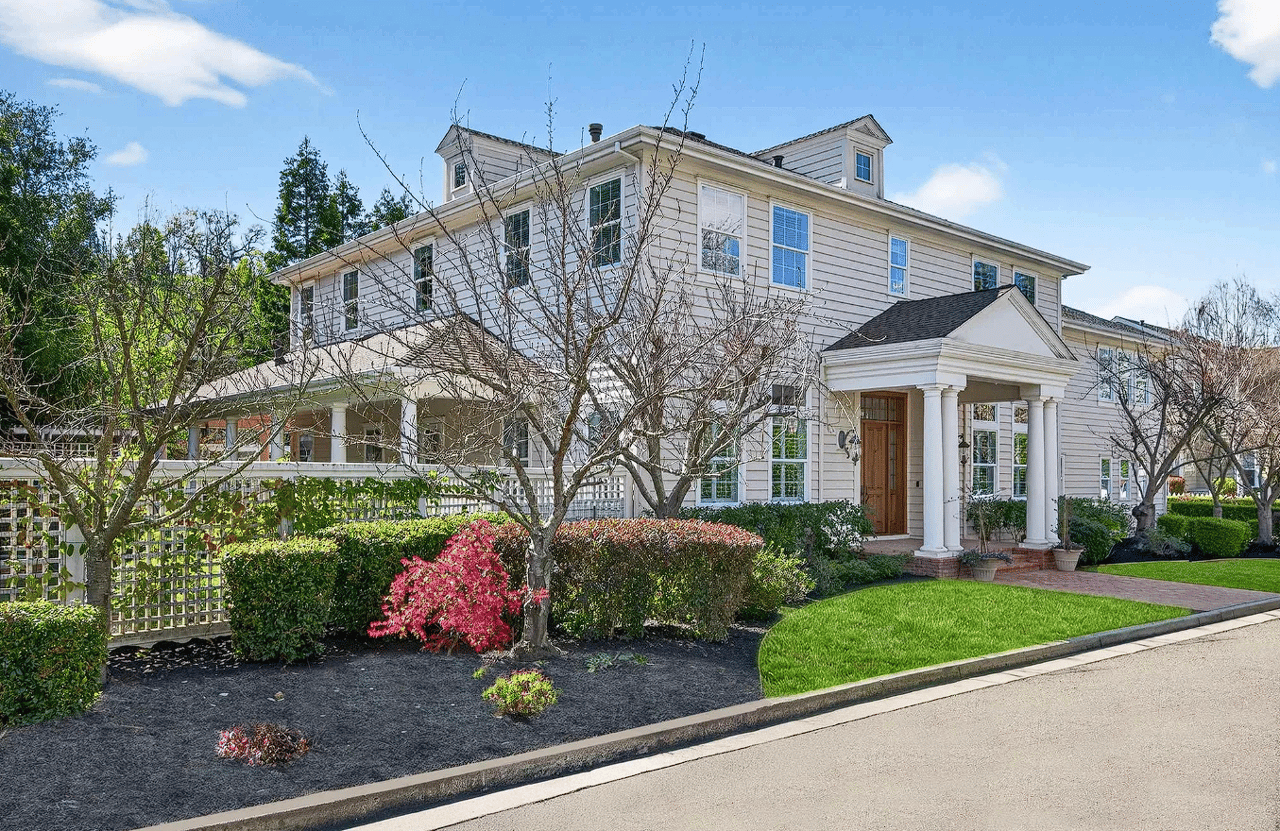
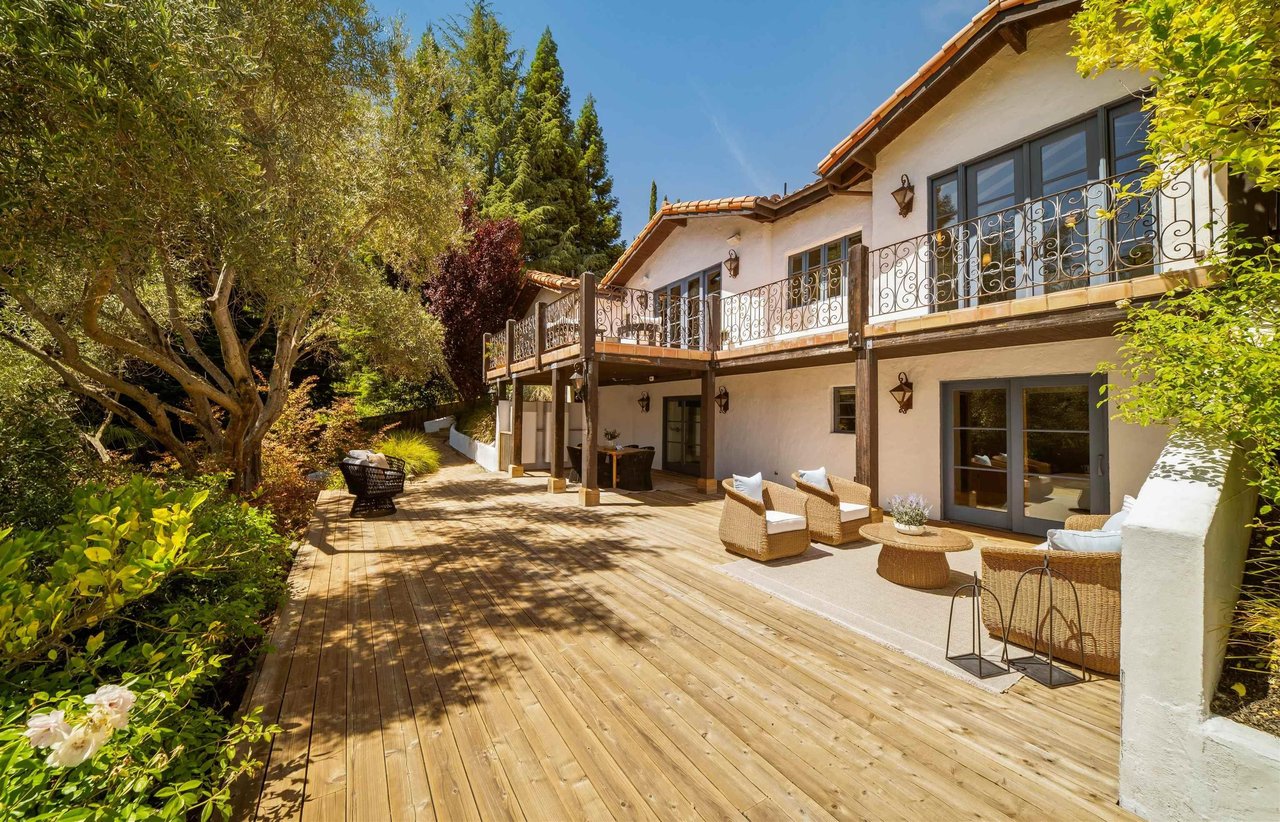
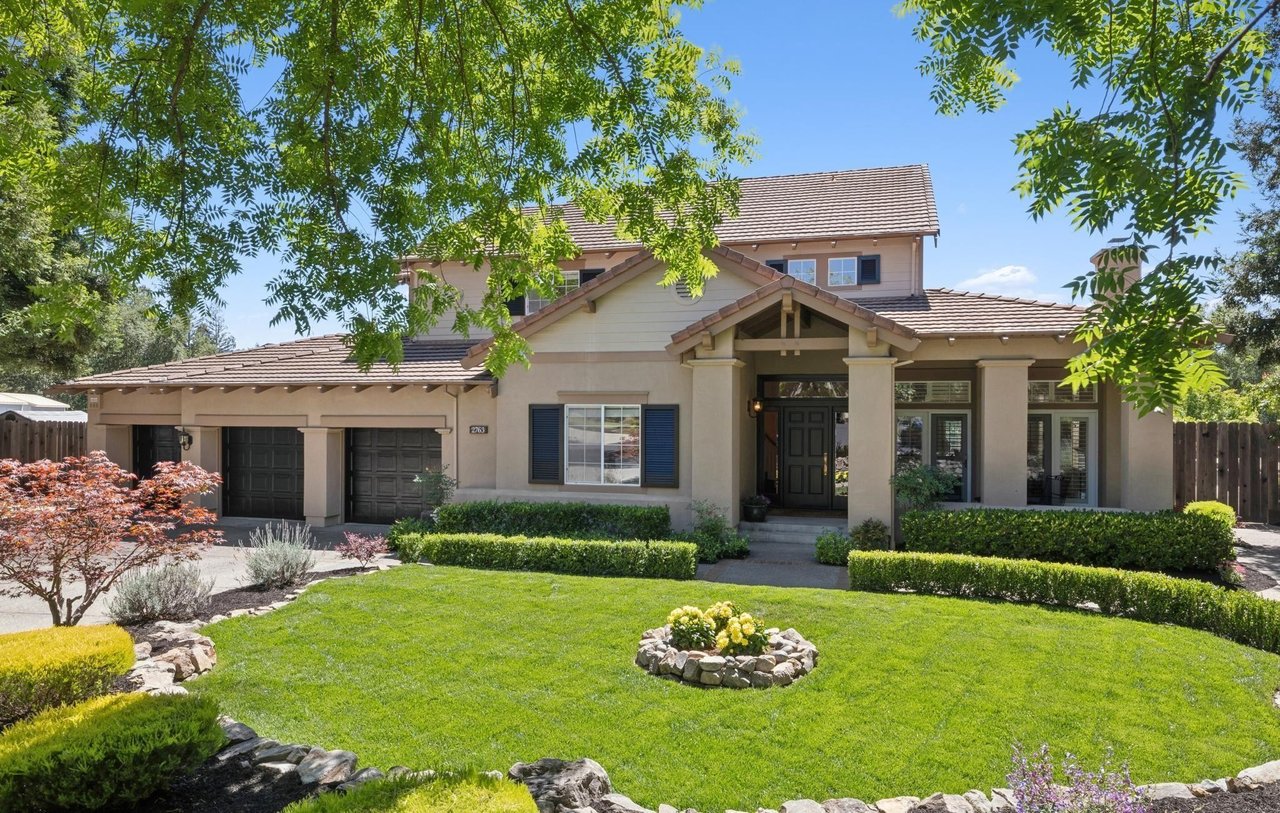
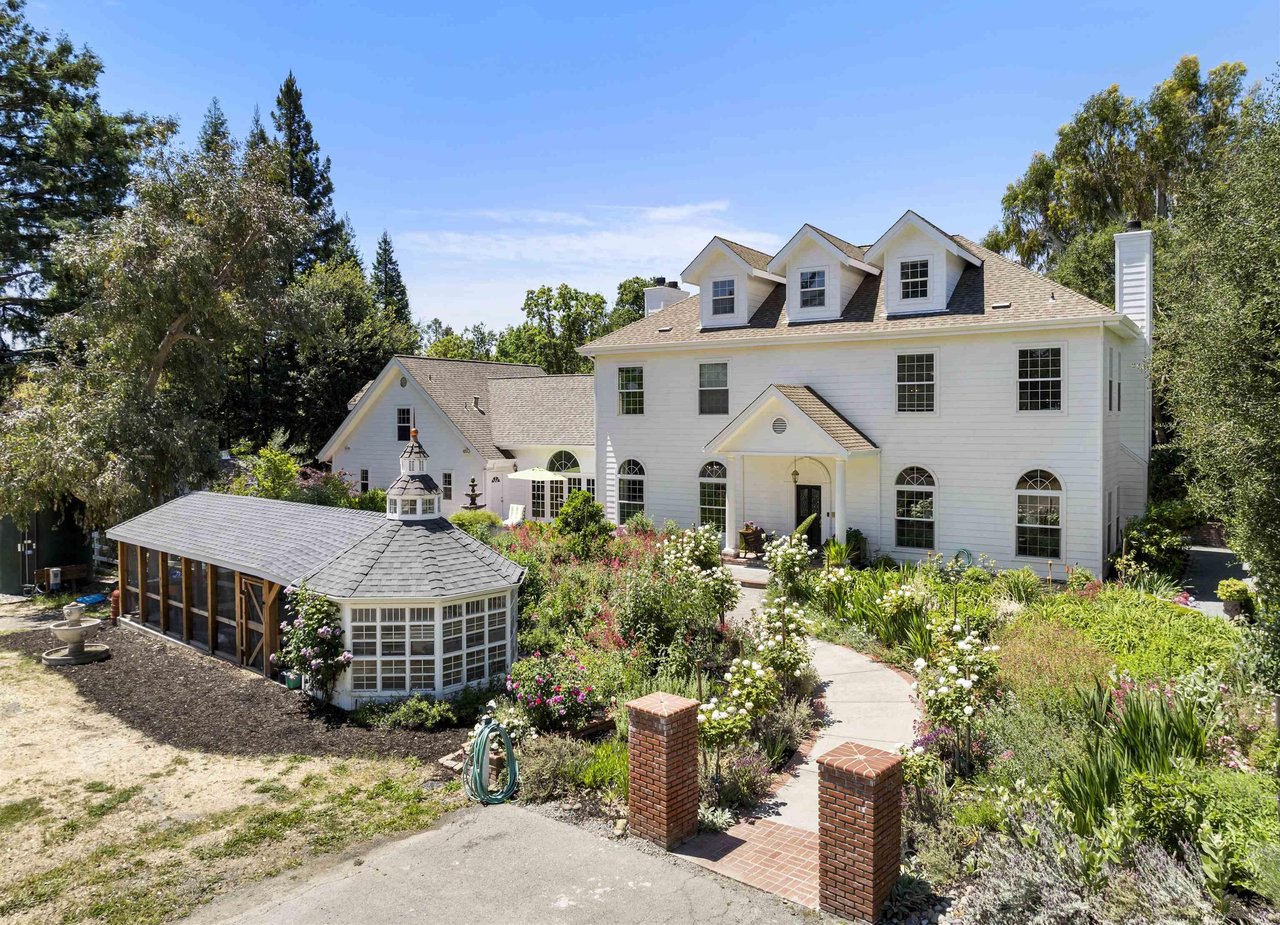
Here's something I tell every buyer who's relocating to the East Bay with kids: the school premium is real, it's substantial, and it's one of the most reliable value drivers in real estate. Not a small difference. I'm talking about properties that hold value through market downturns, appreciate faster during growth periods, and consistently attract buyers even when the broader market is slow.
In Lamorinda, particularly in Lafayette and Orinda, school quality isn't just a nice feature. It's often the primary reason families are willing to stretch their budgets, extend their commutes, and make significant financial commitments to live in specific neighborhoods. Understanding how this dynamic works... it helps you make smarter decisions about where to buy and what to expect for long term value.
Why School Quality Drives Everything
Listen, I've watched families pay substantially more for nearly identical homes simply because one is in a top school boundary and the other isn't. And I'm not talking about a few thousand dollars. We're talking about price differences that can reach six figures depending on the neighborhood and school. Six figures. For a boundary line.
The Acalanes Union High School District, which serves Lafayette, Orinda, and Moraga, consistently ranks among the top districts in California. Within that district, certain elementary and middle schools have particularly strong reputations, and properties in those boundaries command premiums that show up clearly in comparable sales data. It's there in black and white every time I pull comps.
Burton Valley Elementary, Happy Valley Elementary, Springhill Elementary in Lafayette. All create zones where properties sell faster and for more money than similar homes in other parts of town. Parents know these schools, they've researched the test scores and programs, they're on the websites at midnight comparing APIs or whatever the current metric is. And they're willing to pay for access.
In Orinda, Wagner Ranch Elementary, Sleepy Hollow School, Del Rey Elementary have similar effects. Properties within walking distance of these schools, particularly Wagner Ranch, see consistent buyer demand regardless of what the broader market is doing. I've watched homes in these areas get multiple offers even during periods when the rest of the market was... let's just say not moving.
The Campolindo High School area in Moraga attracts families specifically because of the school's reputation. Properties in this zone maintain value remarkably well because the buyer pool never really disappears. There are always families with kids who need to be in good schools, and they're actively searching for homes in these specific areas. Always.
The Financial Reality of School Premiums
Let me be direct about what this costs and what it's worth. Properties in top school zones in Lamorinda typically sell for more than comparable homes outside those zones. The exact amount varies, but it's significant enough that you need to factor it into your budget from the beginning. Not later. Beginning.
In Lafayette, a home within the Burton Valley or Happy Valley Elementary boundaries might sell for noticeably more than a similar home just outside those boundaries. Same square footage, same condition, different school zone, different price. That premium exists because demand consistently exceeds supply in these areas. Simple as that.
In Orinda, the premium for being in top elementary school boundaries is even more pronounced. Families relocating from San Francisco or other parts of the Bay Area often specifically target Orinda for the schools, and they're comparing properties primarily based on which school boundary they're in. This concentrated demand creates pricing that's remarkably stable even when the broader market softens. Even when everything else is falling apart, honestly.
The interesting thing about these premiums is that they're not just about the schools themselves. They're about the concentration of families who prioritize education, the involved parent communities that form around these schools, and the neighborhood stability that results. When families move to these areas for schools, they tend to stay through elementary and middle school at minimum, often through high school. That long term commitment creates neighborhoods where turnover is lower and values are more stable. Stability matters.
How This Plays Out During Market Shifts
I've been doing this long enough to watch multiple market cycles, and the pattern is consistent. Consistent. Properties in top school zones hold value better during downturns and appreciate faster during upswings.
During the market corrections we've seen over the years, homes near top rated schools in Lafayette and Orinda experienced smaller price declines than properties in less desirable school zones. The reason is simple. Families with school age kids can't just wait out a bad market. They need to be in the right schools at the right time, so they're buying even when other buyers are sitting on the sidelines watching and waiting and hoping things get better.
During growth periods, these same properties appreciate faster because you have not only the regular buyer pool but also the constant influx of families with kids who need those specific schools. The demand never really goes away, it just intensifies during strong markets.
Right now, with inventory relatively high across Lamorinda and buyers being super picky and slow, the properties that are still moving quickly are often the ones in top school zones. While other homes sit on the market for 30 or 40 days, well priced homes near the best schools are still generating offers within two to three weeks because the family buyer pool remains active. They can't afford to wait around.
The Elementary School Effect Is Strongest
Something I want you to understand... elementary school boundaries matter more than middle or high school boundaries in terms of property values. Why? Because families with young kids are making long term commitments and they're thinking about the next 6 to 8 years minimum. Minimum.
When you have a kindergartner or first grader, you're locked into wherever you buy for the foreseeable future. You're not moving your kid in second or third grade if you can avoid it. So families are extremely focused on elementary school quality and boundaries when they're buying. It's the first thing they ask about after they walk through the front door.
Middle schools matter too, but families are somewhat more flexible about those. High schools matter, and the Acalanes district schools are definitely a draw, but by the time kids are in high school, families have usually already been in their homes for years. The buying decision for high school boundaries alone is less common than buying specifically for elementary schools.
This is why you see the strongest premiums around the top elementary schools in each community. That's where the competition is most intense and where values hold most consistently. Elementary. Always elementary.
What This Means for Your Buying Strategy
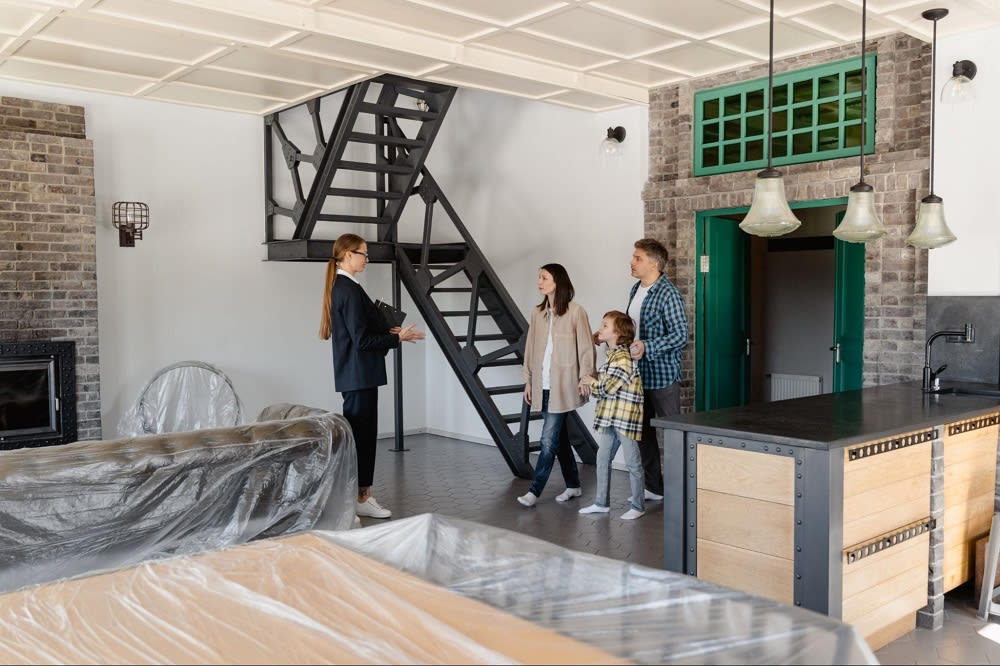
If you have school age kids or are planning to, factor school boundaries into your search from the beginning. Don't fall in love with a house and then check the schools. I've watched that disaster play out too many times. Check the schools first, identify which boundaries work for your family, and then look at homes within those areas.
Understand that you'll pay more for top school access, and budget accordingly. The premium isn't a mistake or overpricing, it's market reality based on consistent demand. If you need those schools, factor that cost into your planning. Be realistic about it.
If you don't have kids or your kids are already grown, consider whether paying the school premium makes sense for you. You might find better value in neighborhoods with great homes but less competitive school situations. You're not using the schools, so why pay for access you don't need? Think about it.
But... and this is important... think about resale. Even if you don't have school age kids now, buying in a top school zone means your future buyer pool includes all those families who do have kids and need those schools. That broader buyer pool supports values and makes your home easier to sell when the time comes. So maybe it's worth it anyway.
Where This Leaves You
Properties from $1M to $1.4M in top Lafayette school zones see consistent demand from first time buyers and young families stretching to get into these areas. The competition at this price point in prime school zones is notably stronger than in other neighborhoods. Noticeably stronger.
Family homes from $1.4M to $2.5M in Orinda's top school boundaries attract move up buyers and relocating families who have the resources to prioritize schools above almost everything else. These properties hold value remarkably well because the buyer pool is both affluent and motivated by their kids' education. It's a powerful combination.
If you're relocating to the East Bay and schools matter to your family, let's talk about which neighborhoods and school boundaries align with your priorities and budget. Because in Lamorinda, school quality isn't just about education. It's about property value, neighborhood stability, long term appreciation. Understanding that connection... that's what helps you make decisions that work for both your family's lifestyle and your financial future.
Picture a family walking their kindergartner to Burton Valley on a Tuesday morning, backpack bouncing, already planning to stay in that house through high school. That's the school premium in action.