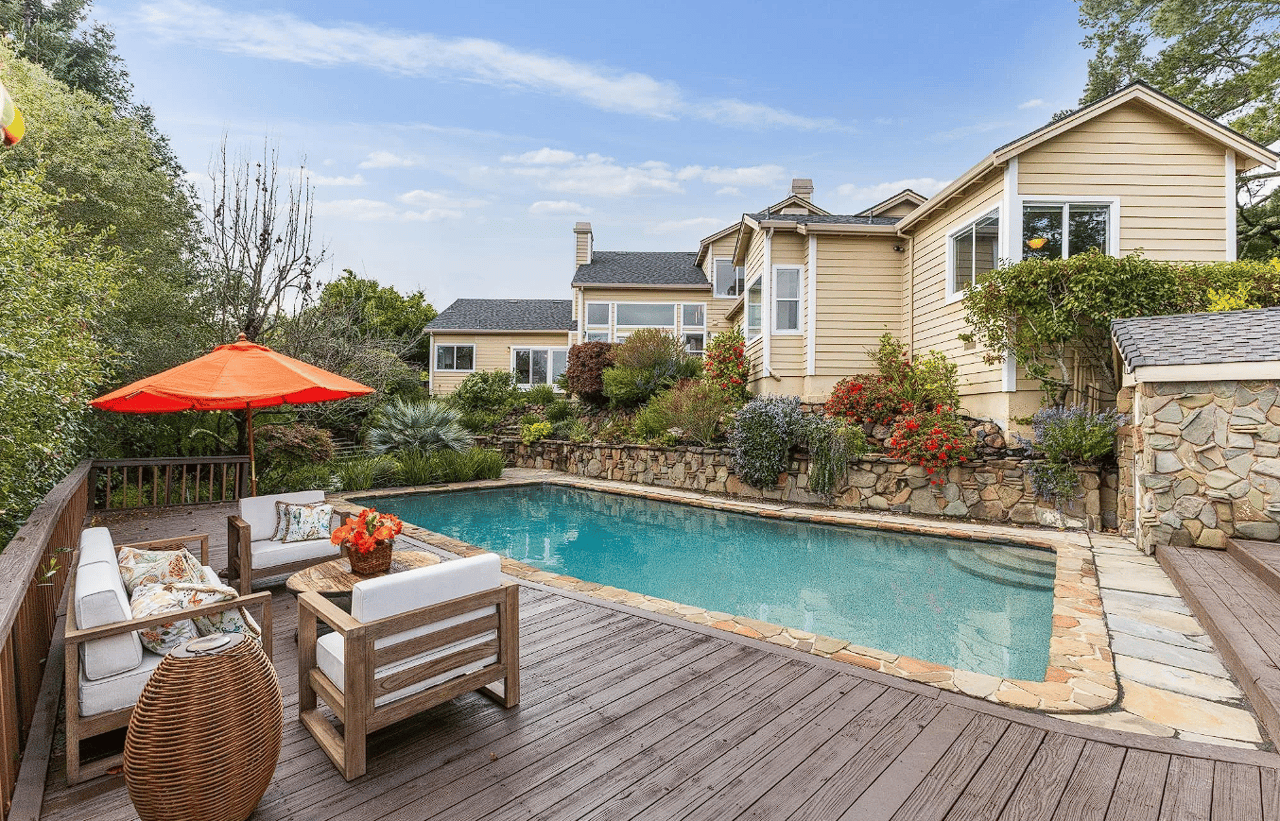
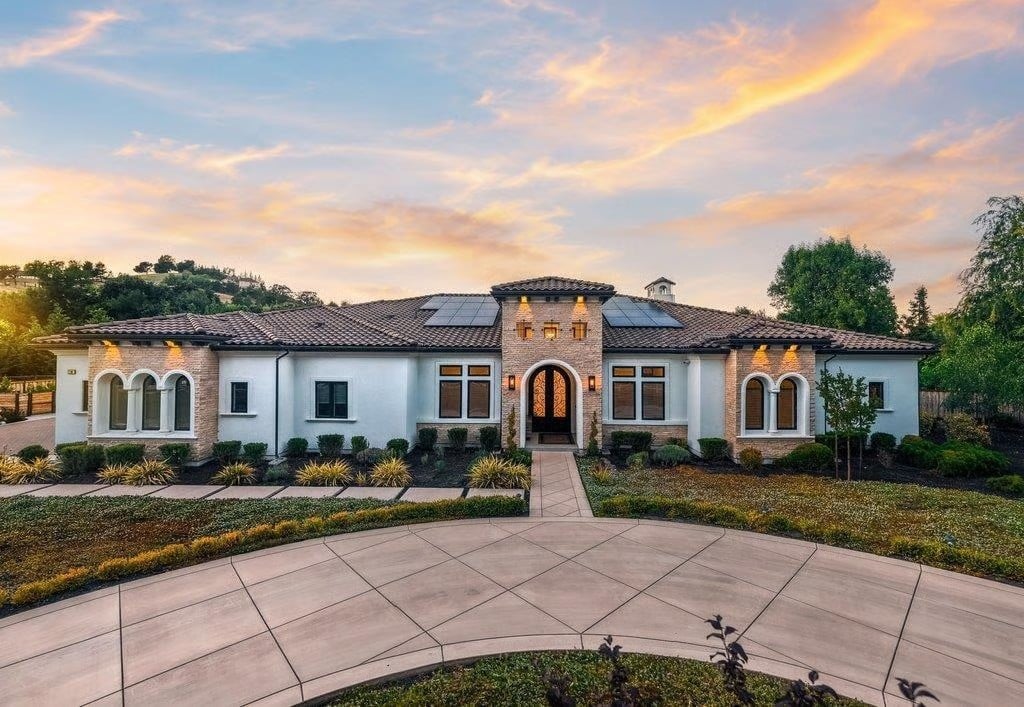
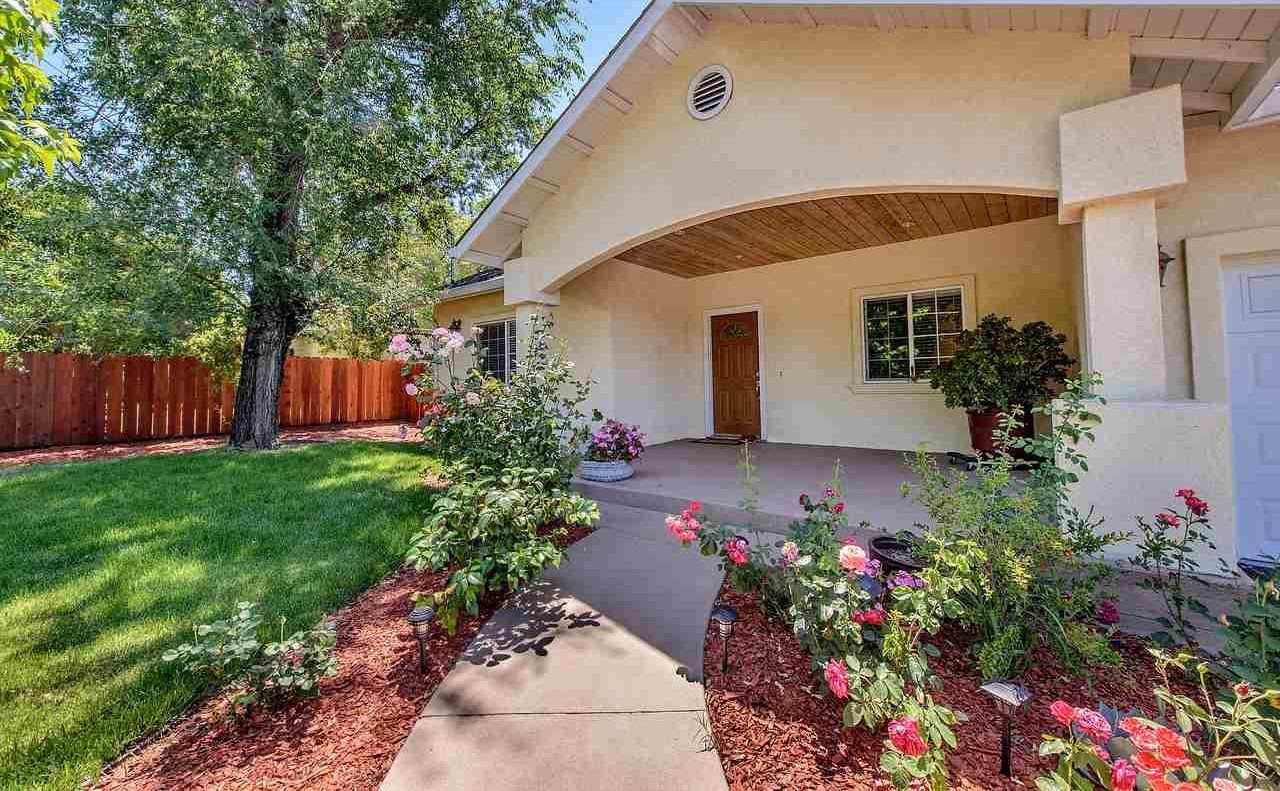
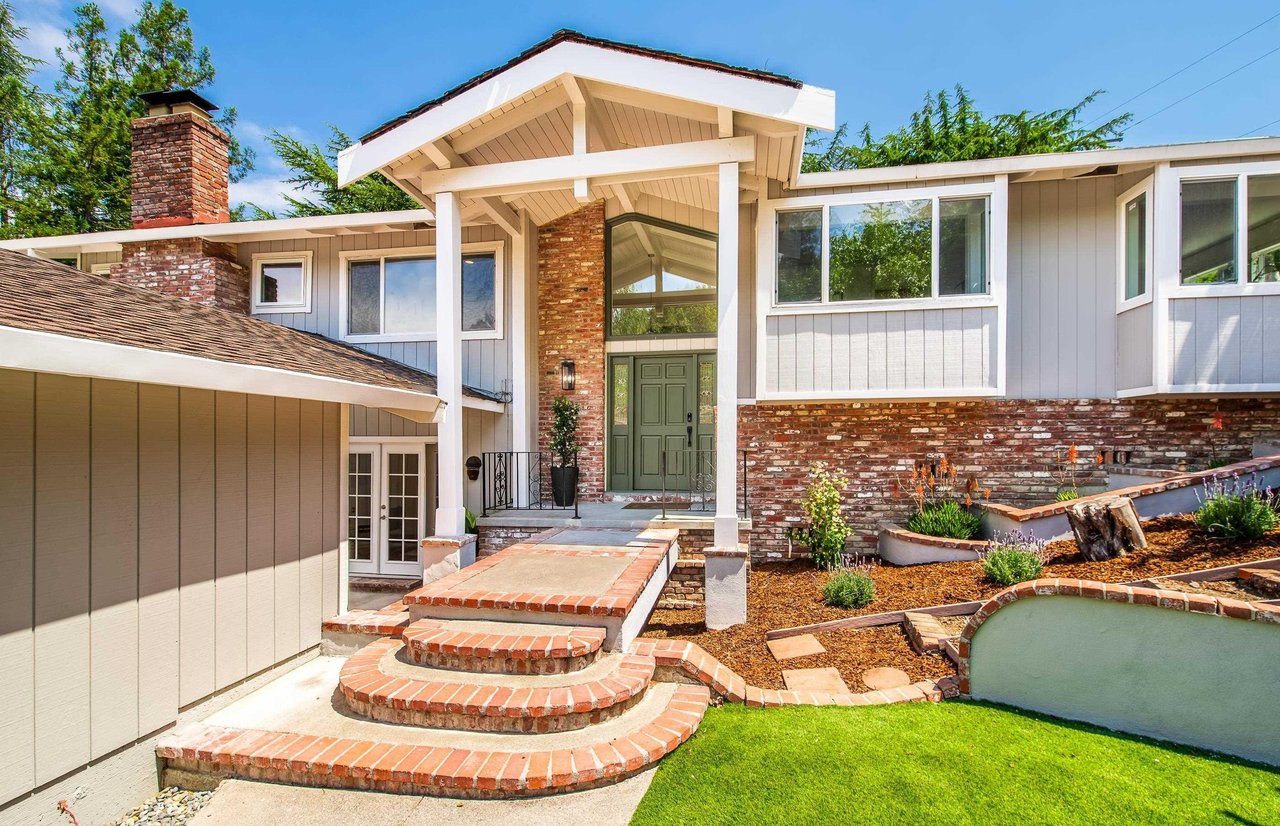
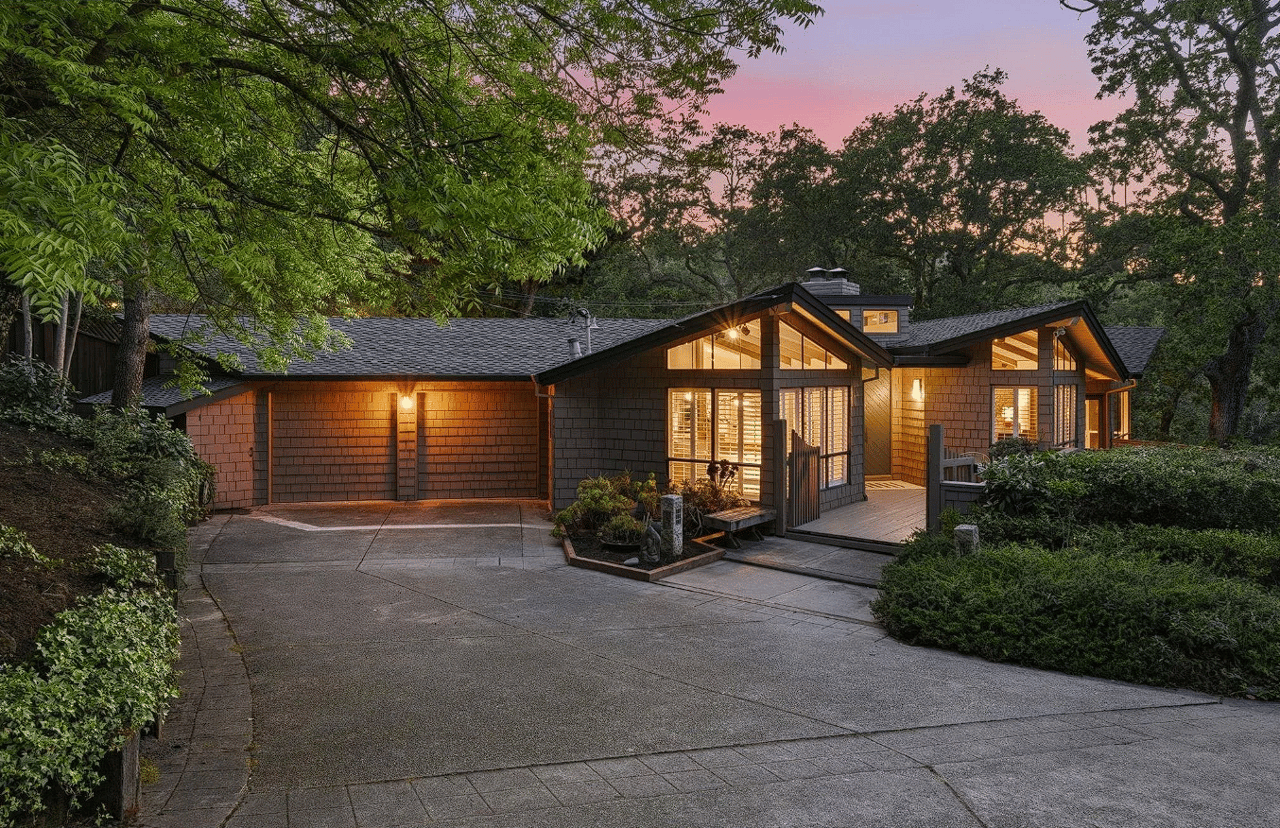
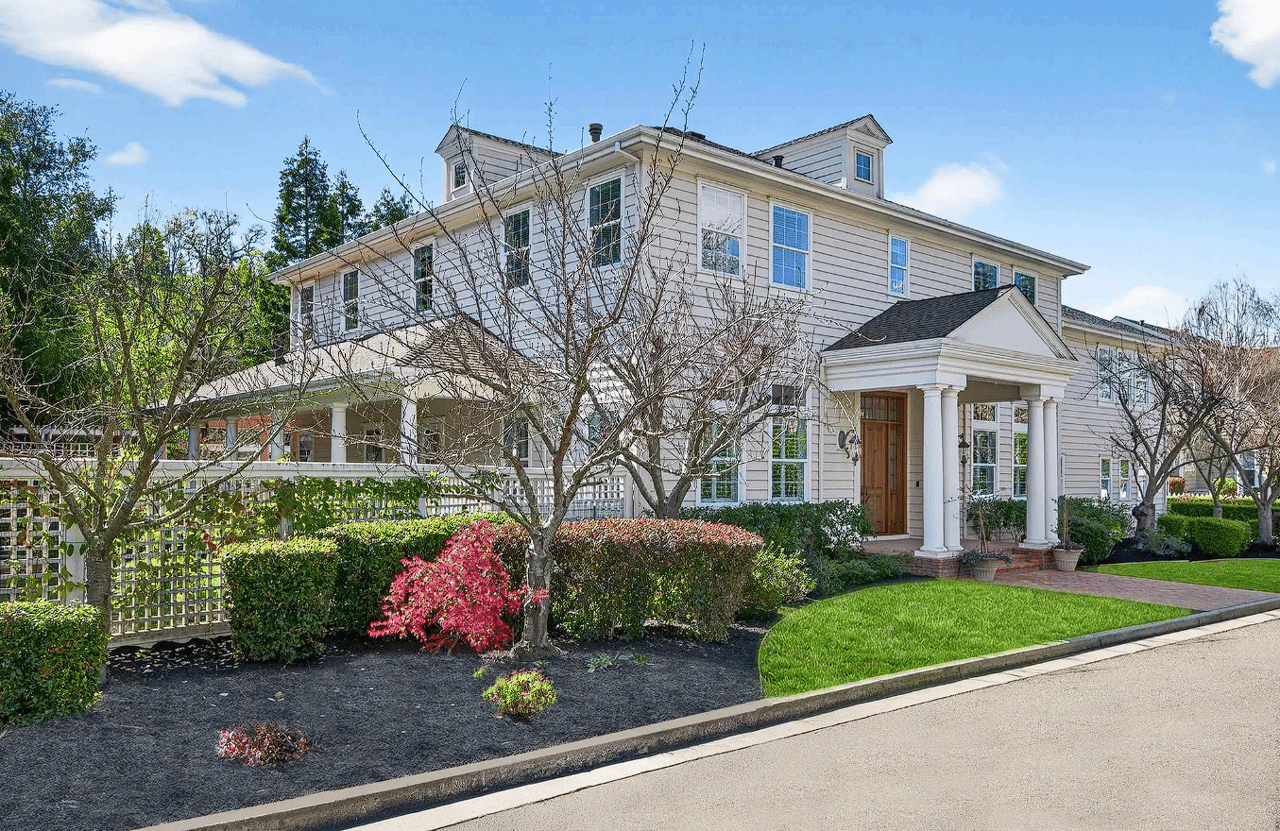
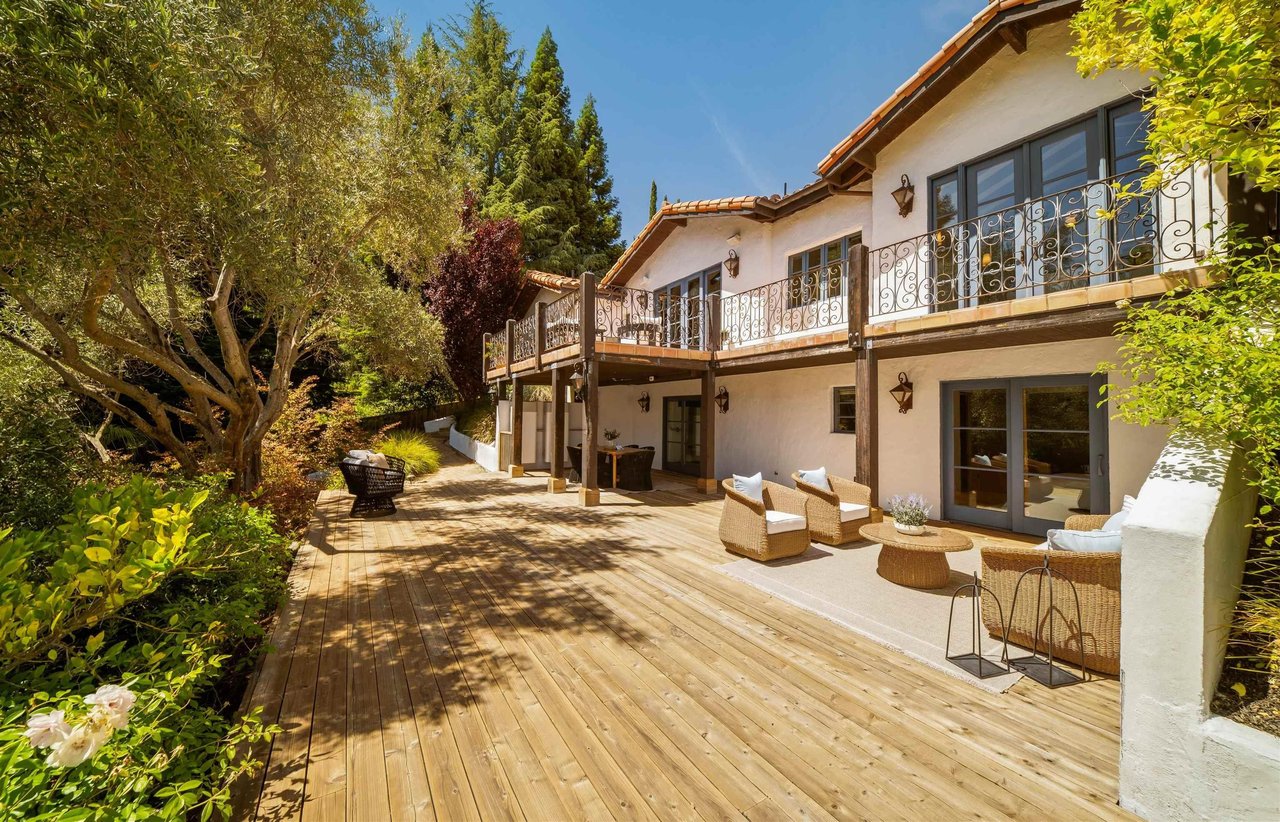
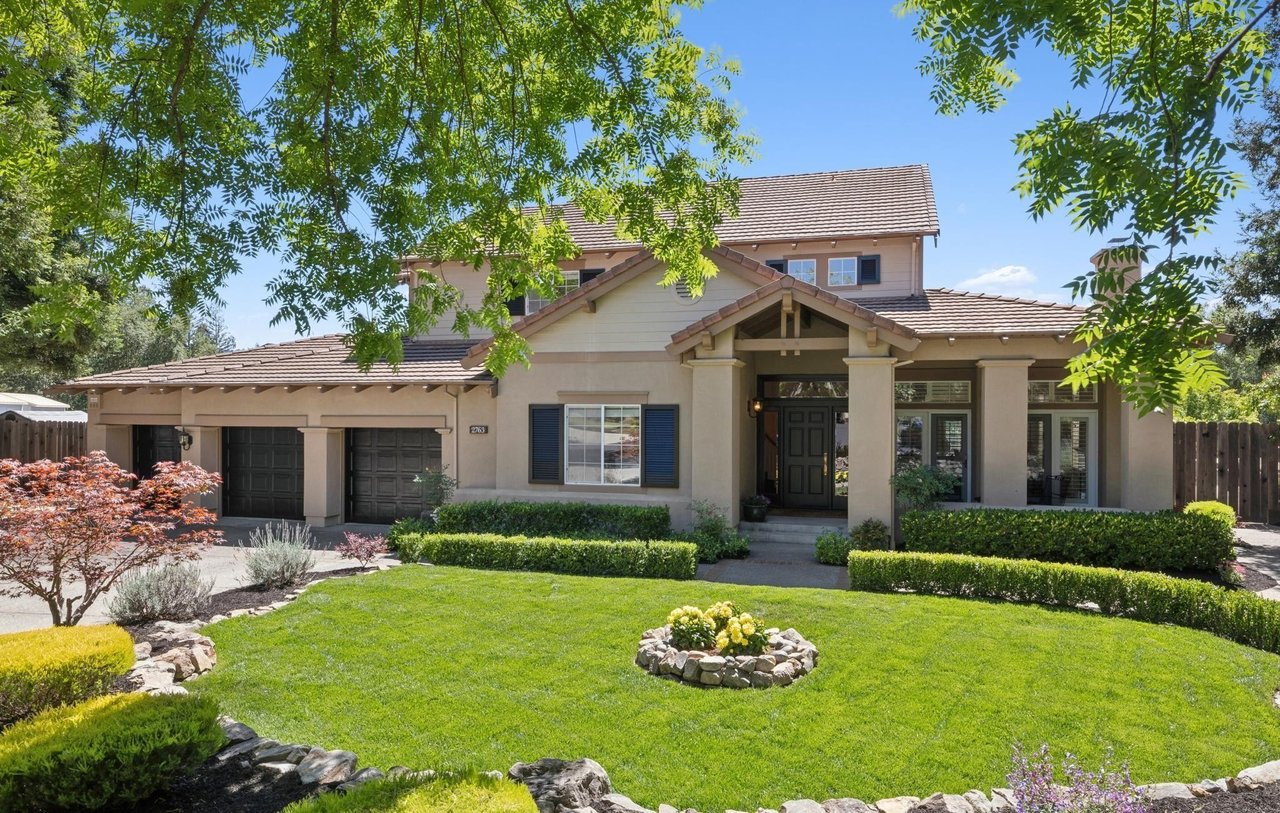
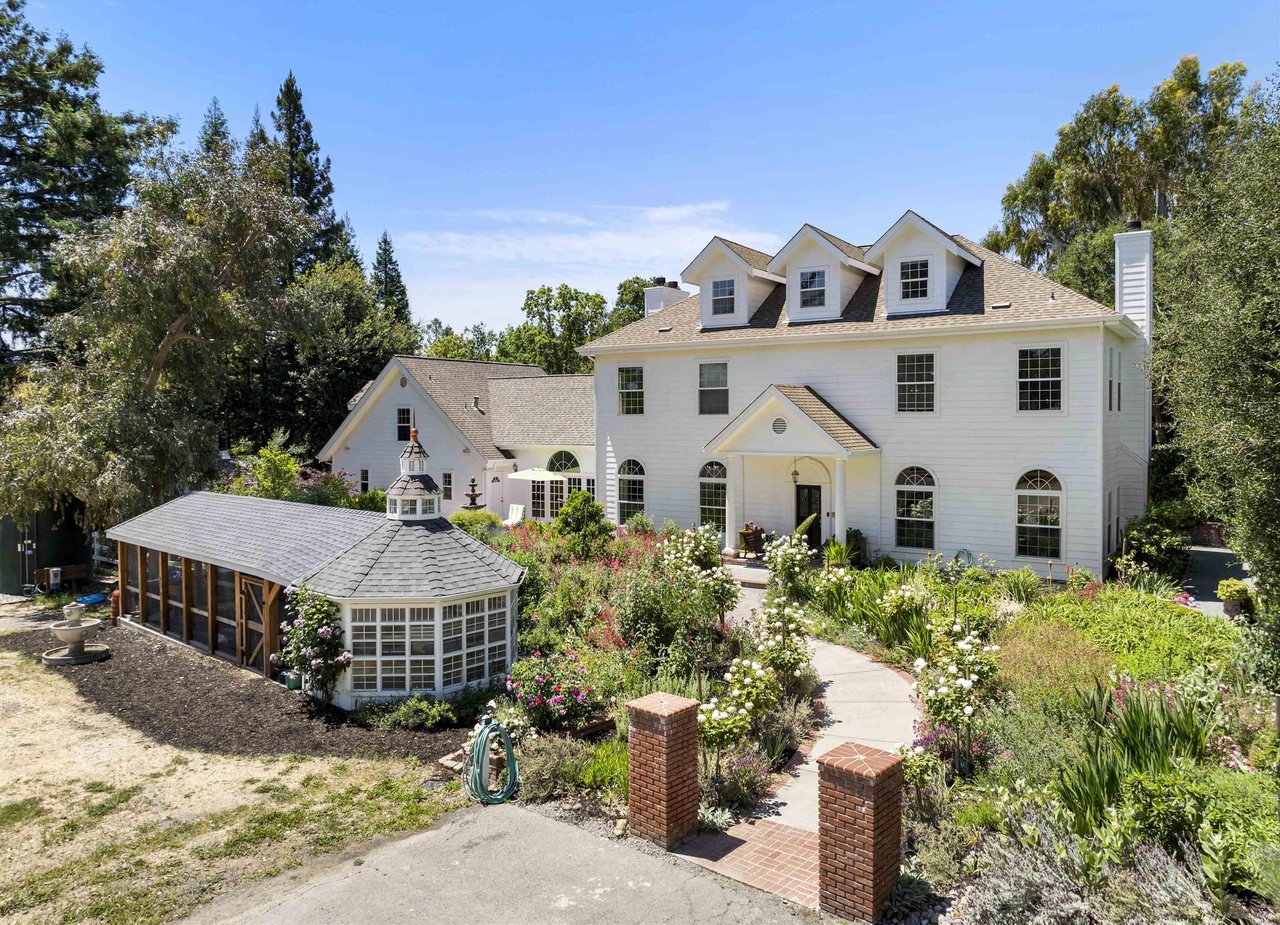
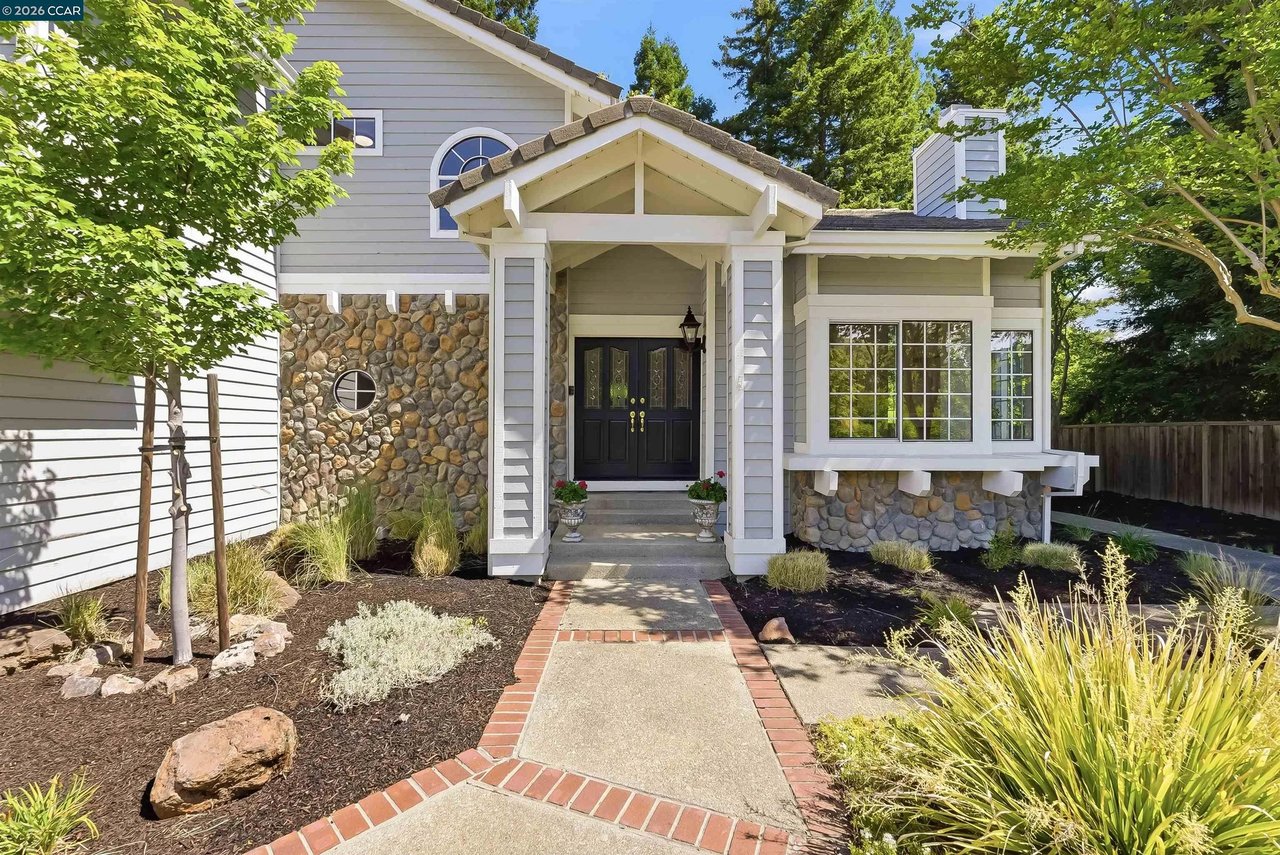
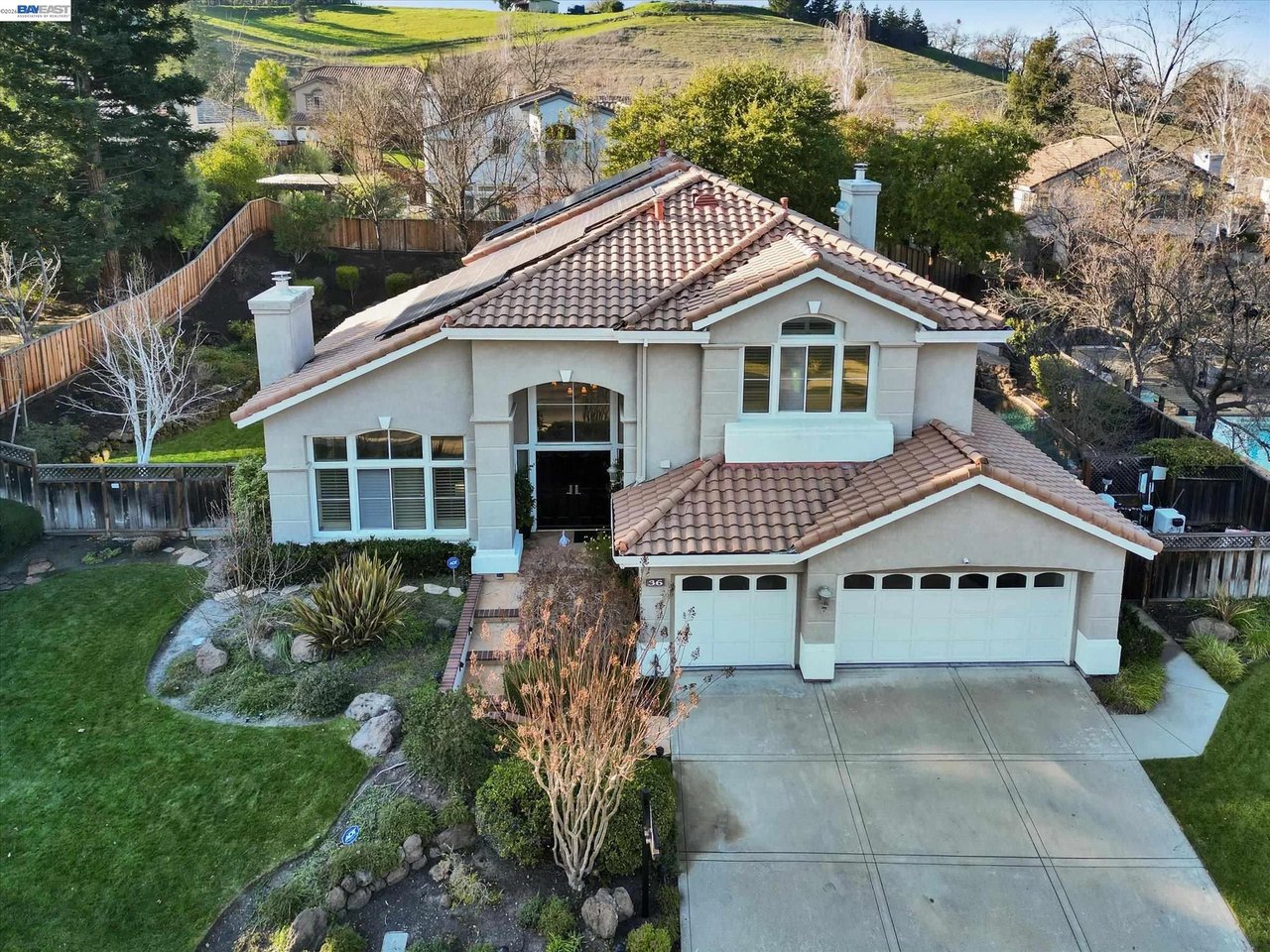
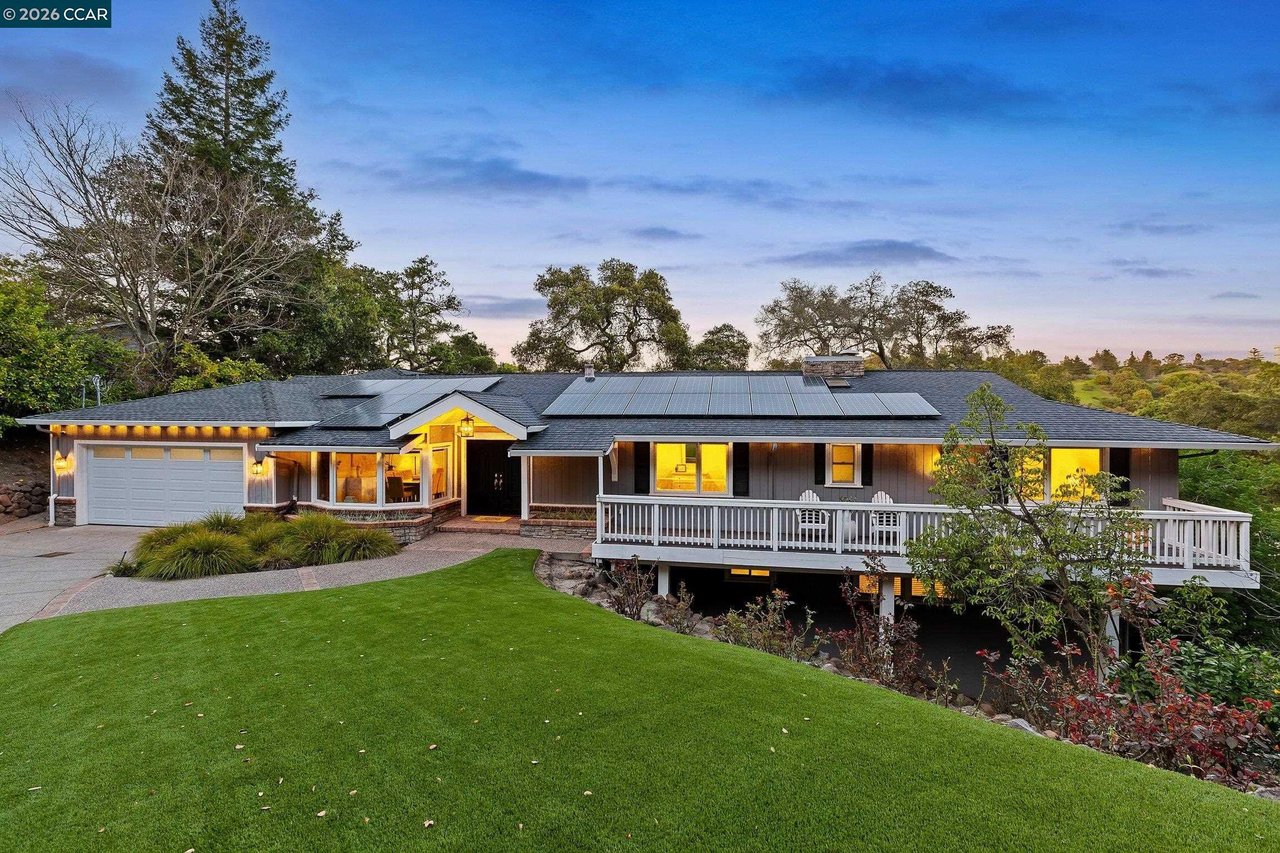
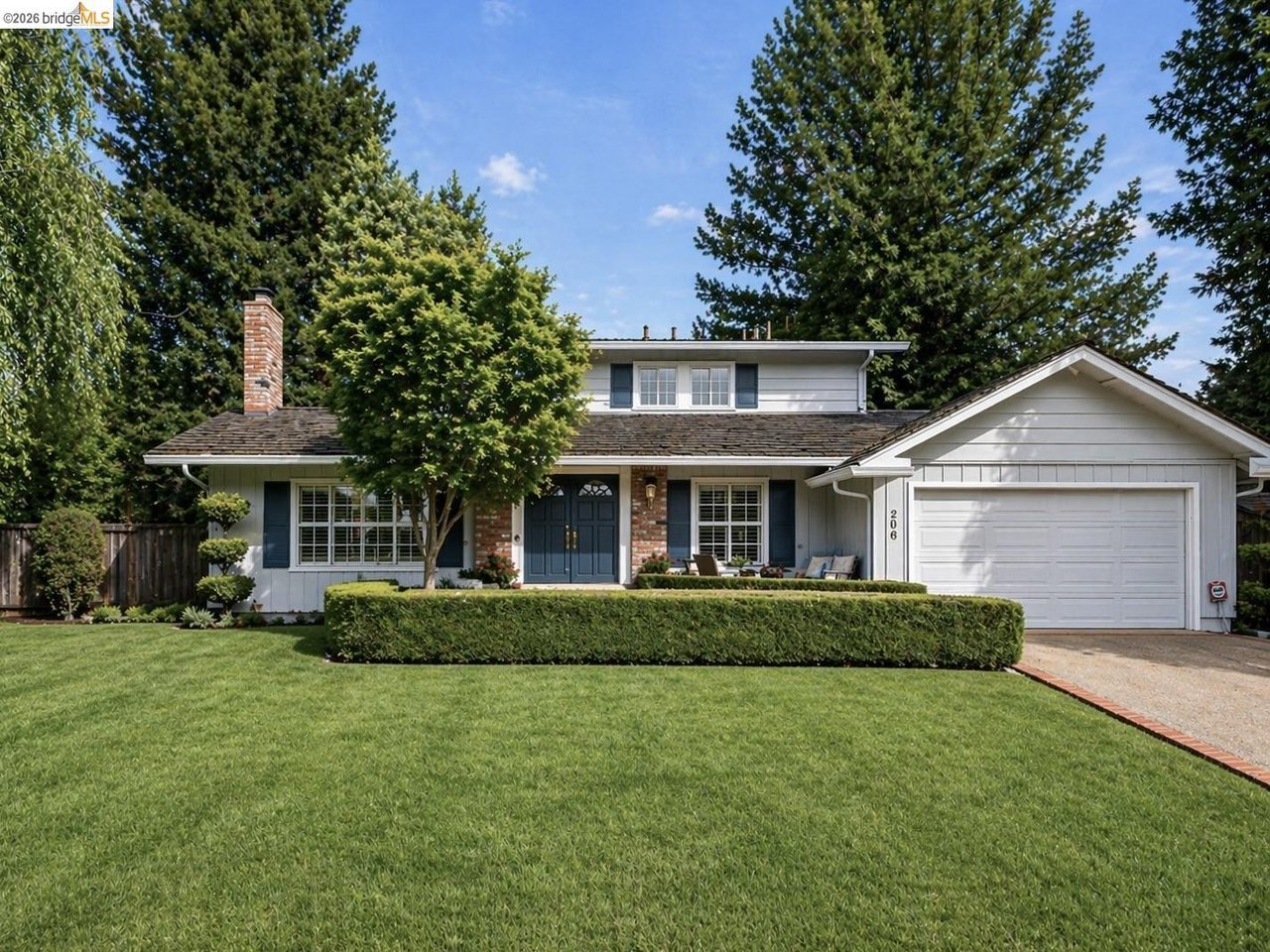
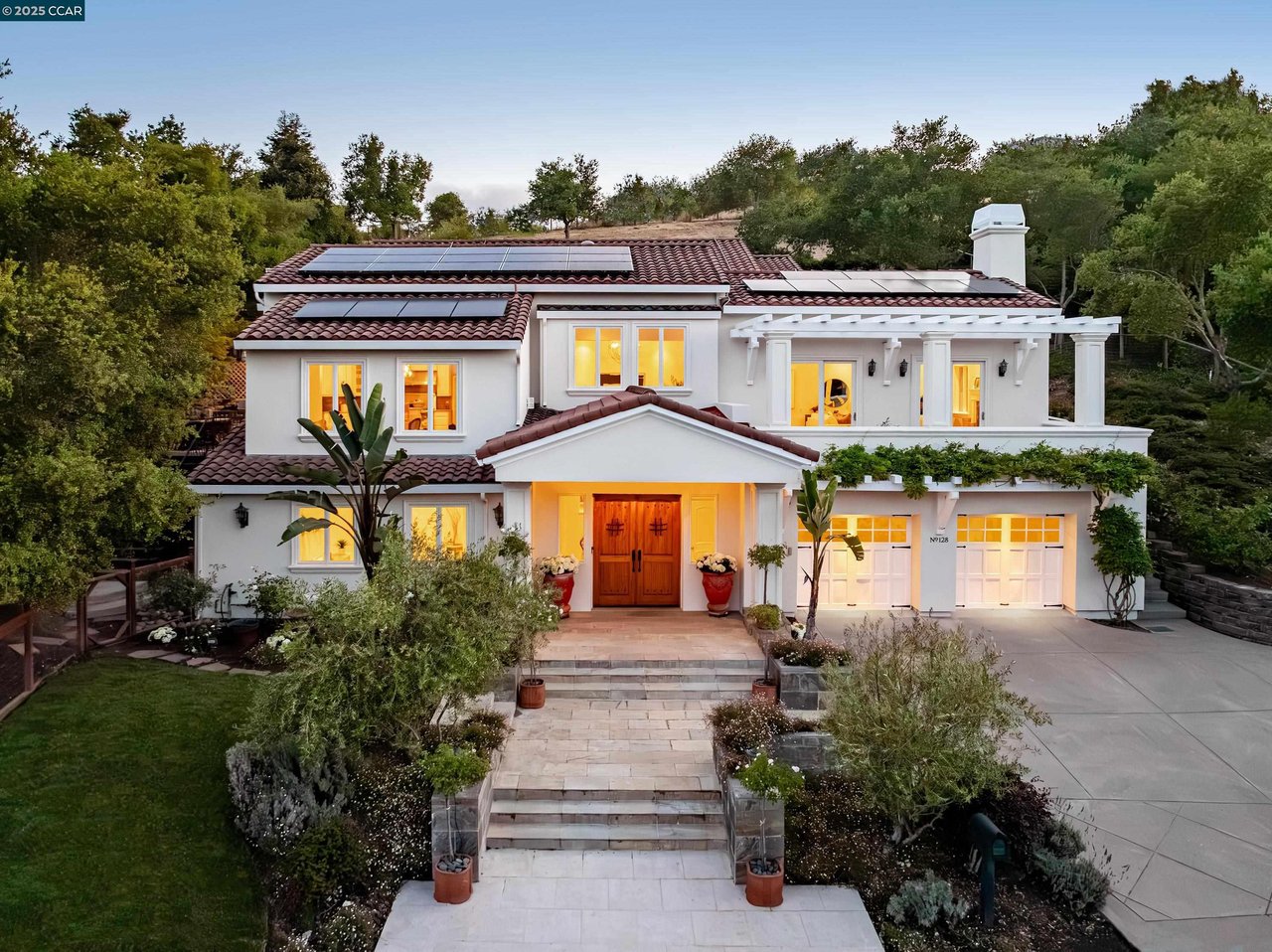
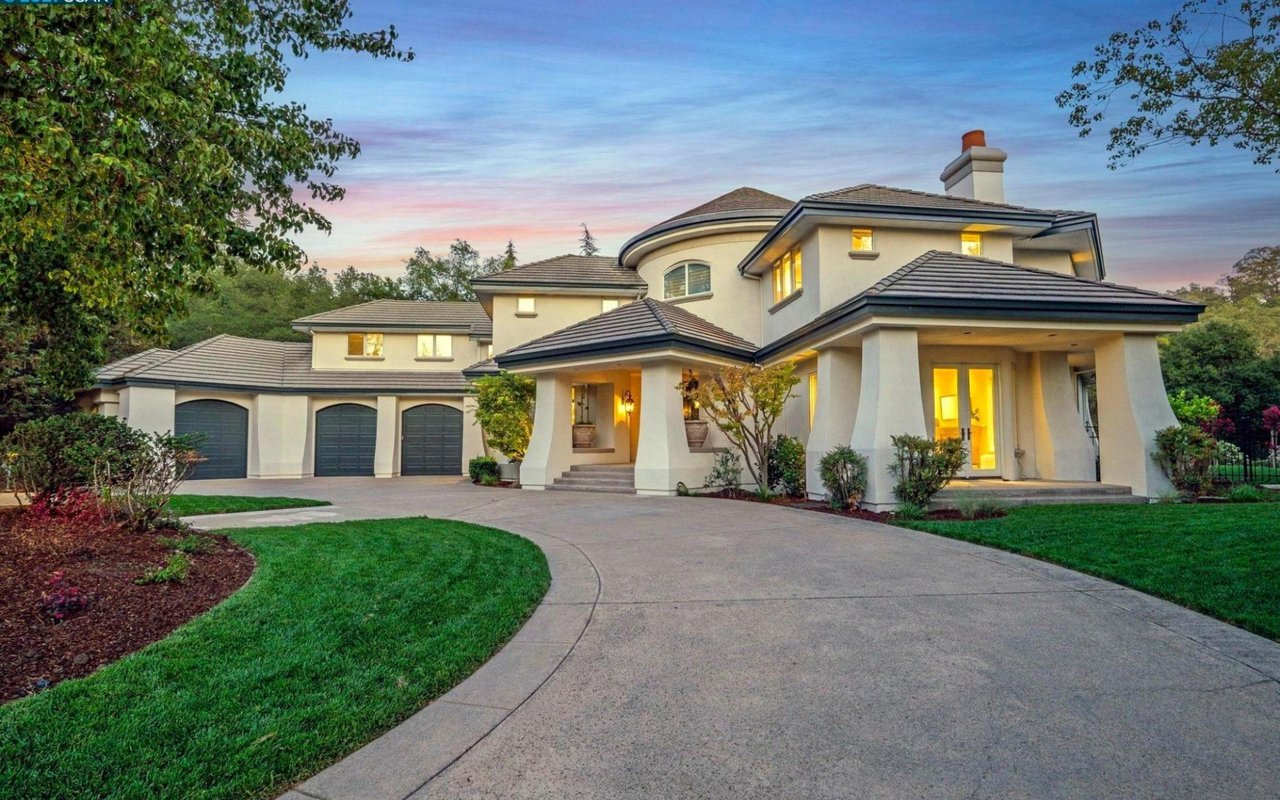
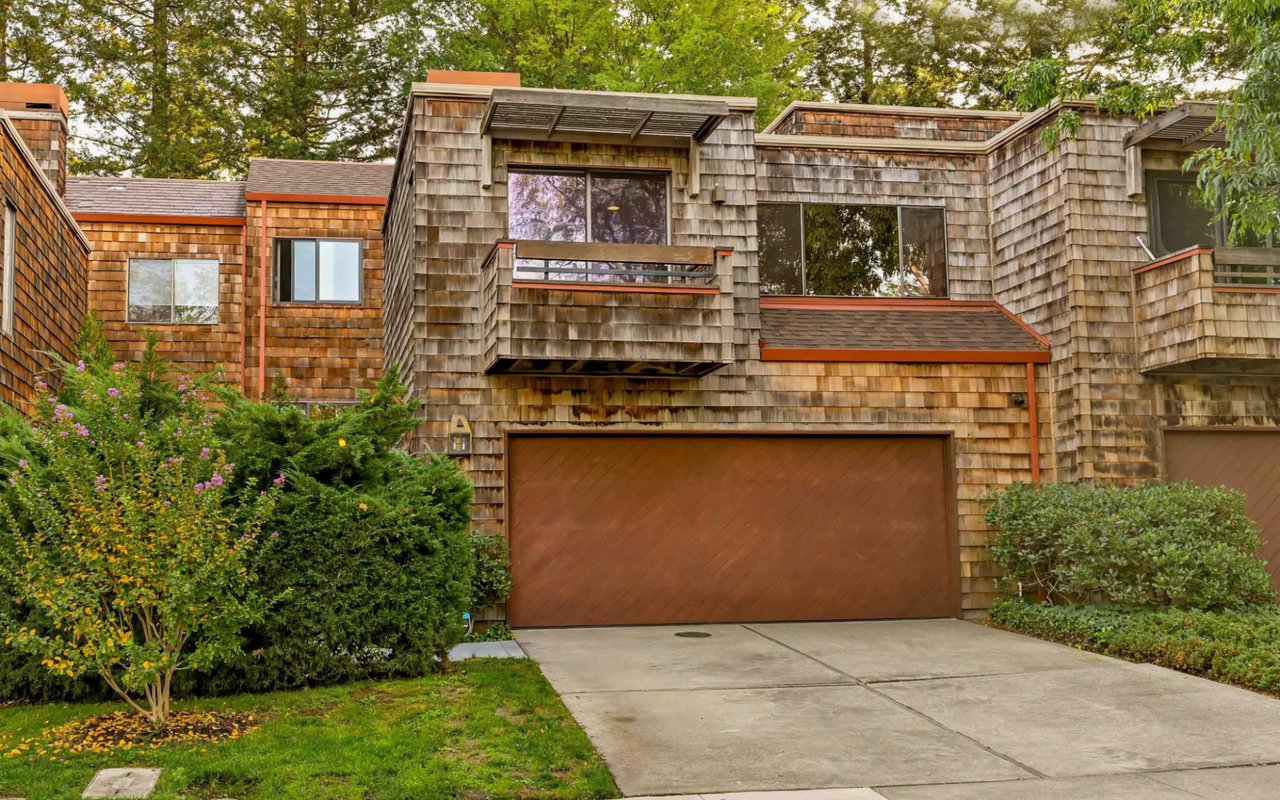
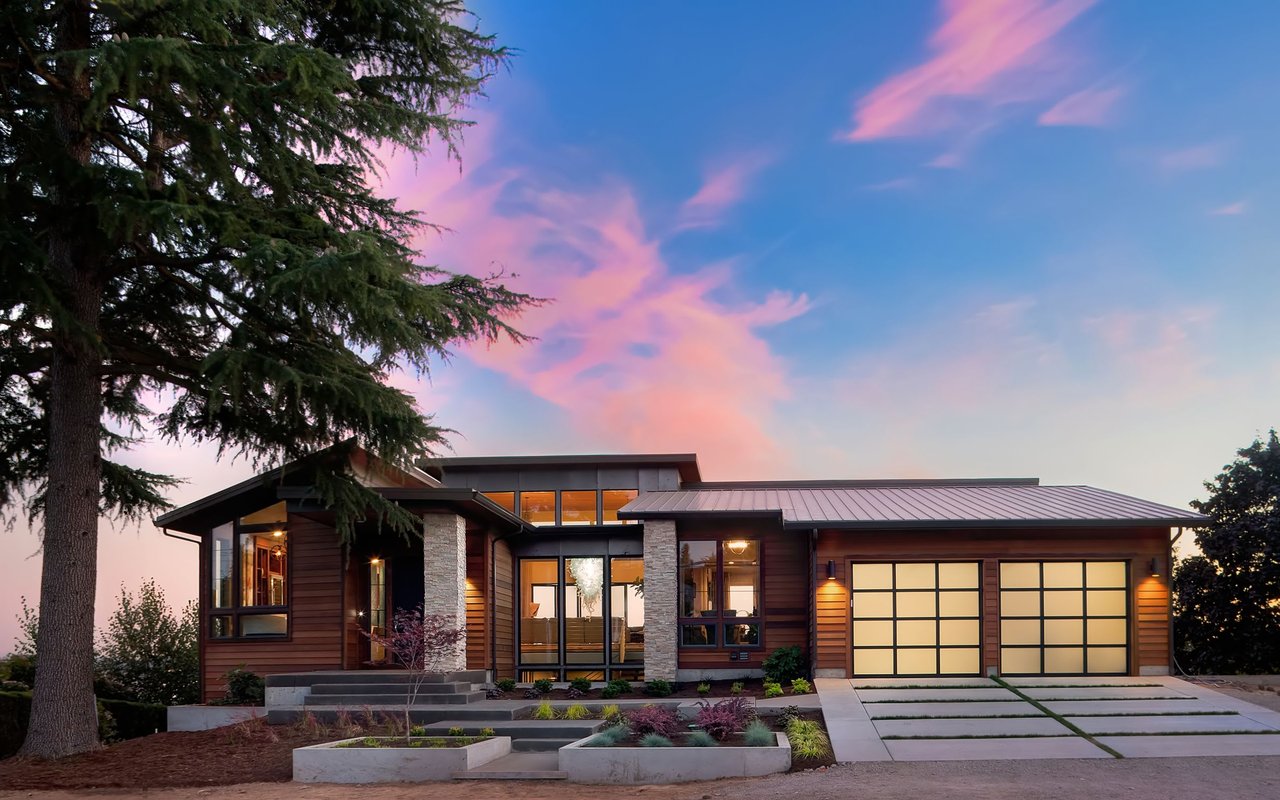
A $1.5 million home can look like the better deal at first. But what happens after you get the keys? If the property needs a new roof, plumbing work, or drainage repairs, those expenses can quickly change the picture.
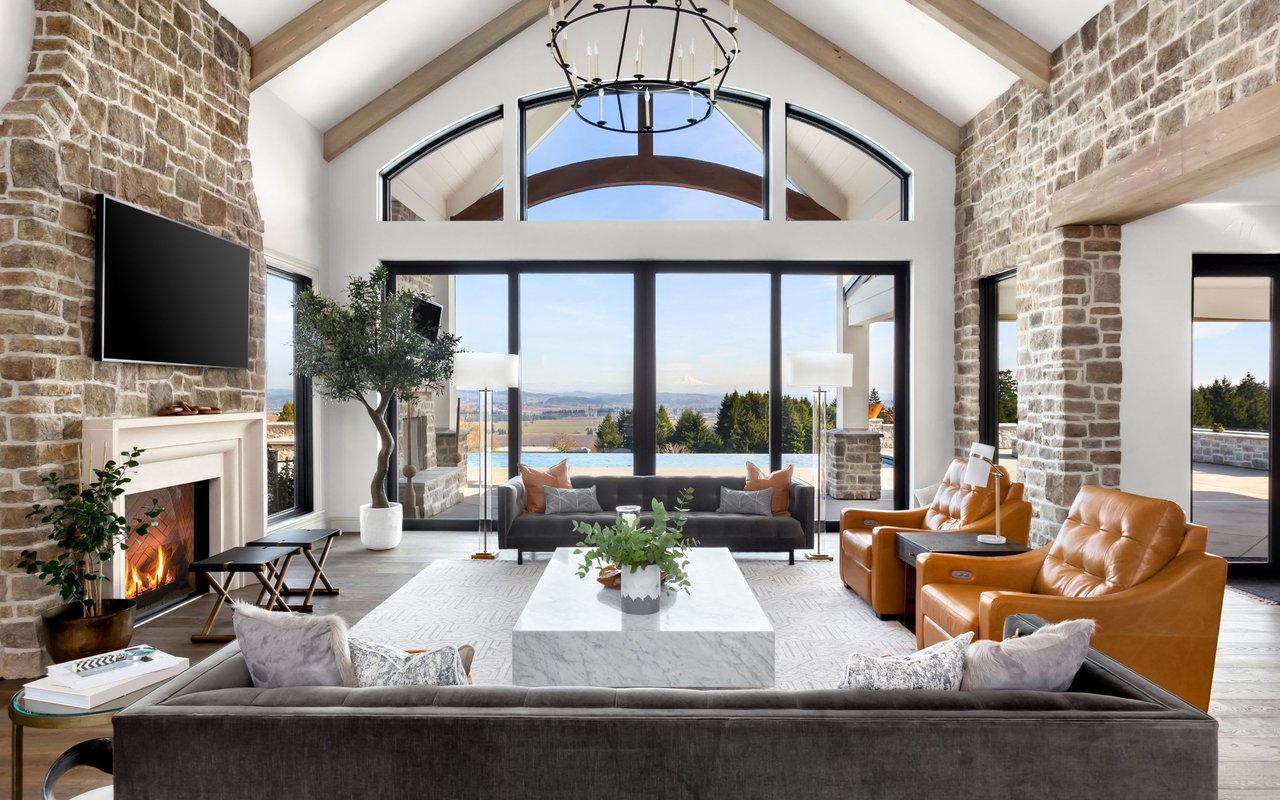
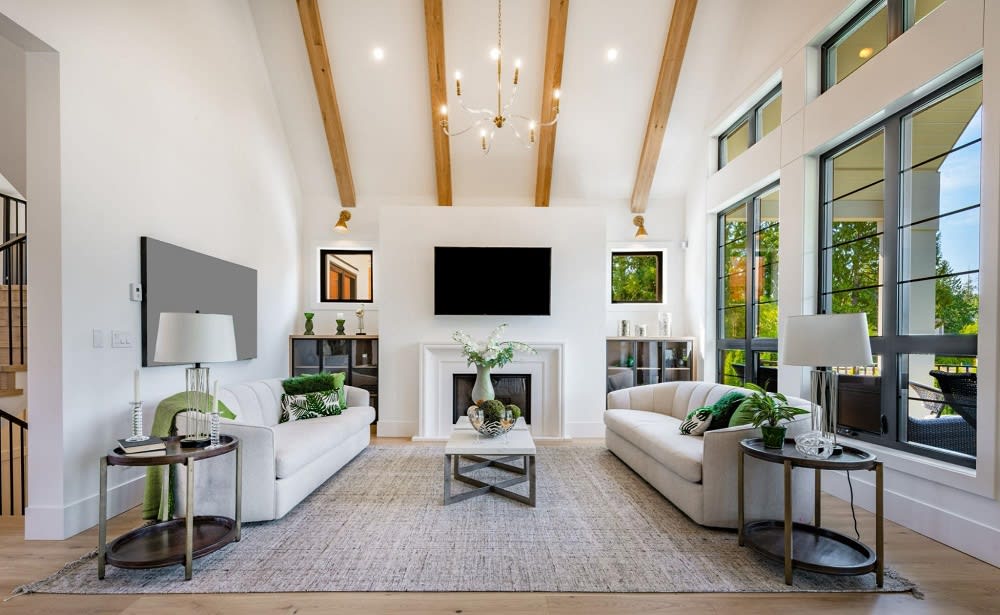
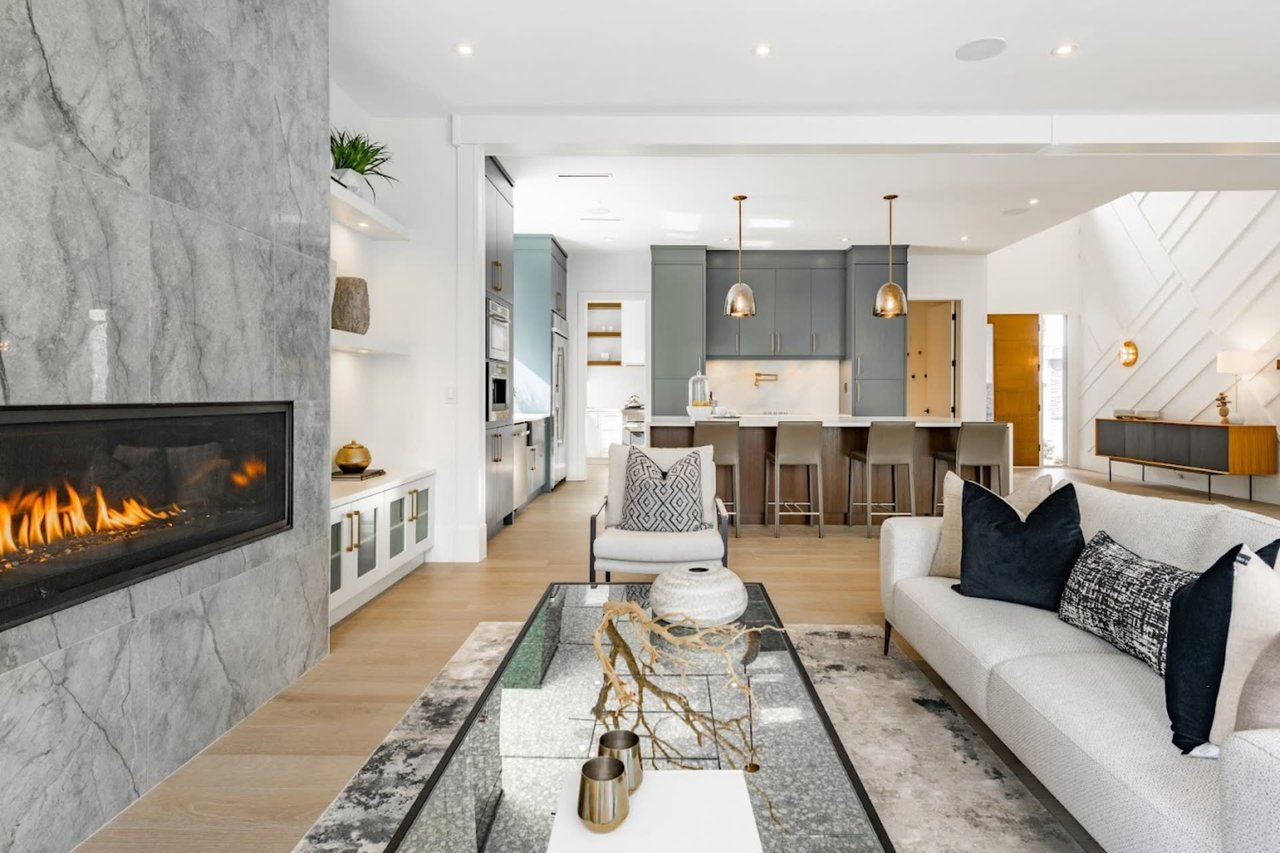
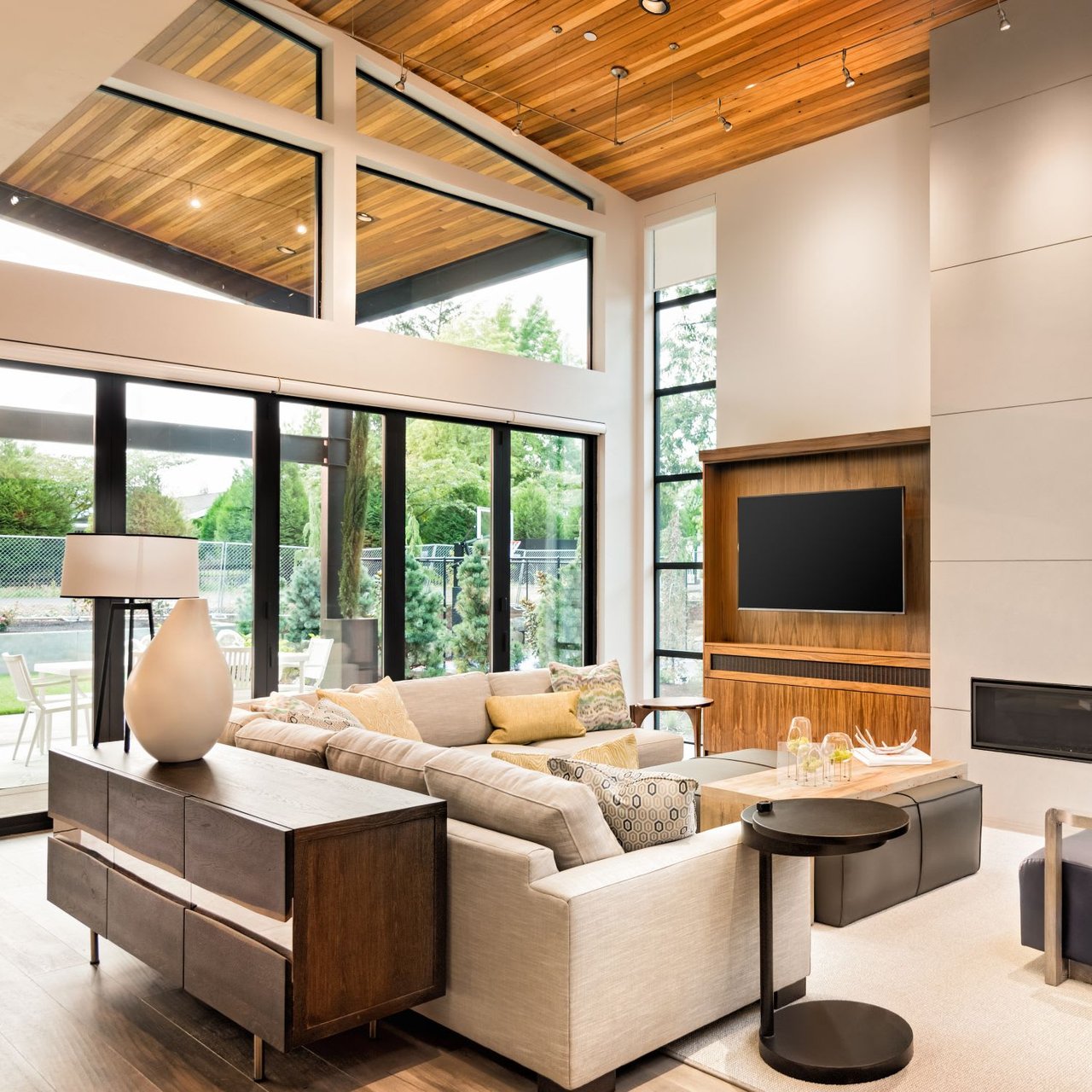
Meanwhile, a $2 million home might already have the features, updates, and layout you want. The higher asking price may make sense once you consider what you would otherwise spend improving the less expensive property.
When comparing homes in Lafayette, Orinda, Moraga, Danville, Alamo, or Walnut Creek, take time to look beyond the listing price. The right choice depends on what each property offers and what ownership will actually cost.
Start with the Home’s Condition
Before getting attached to a property’s appearance, look closely at its condition. Pay attention to the roof, foundation, plumbing, electrical systems, windows, and drainage.
Seller disclosures and inspection reports can help identify potential concerns. If the inspector recommends further evaluation, get estimates from qualified contractors before making a decision.
A lower priced home may need enough work to narrow the difference between the two asking prices. A more expensive property may need fewer immediate repairs, giving you more room in your budget for other priorities.
Remember to account for closing costs, financing, and unexpected repairs, too.
Check Property Taxes and Assessments
Property taxes deserve a closer look when comparing homes in California.
Under Proposition 13, the base property tax generally starts at 1% of assessed value, with voter approved bonds and other applicable charges added. A change in ownership generally triggers reassessment, subject to certain exceptions.
Some properties also carry special assessments or Mello Roos charges. These amounts vary by parcel, so don’t assume two homes with similar prices will have identical tax bills.
Review the current tax information for each property and confirm the details with the Contra Costa County Assessor or Tax Collector.
Compare the Lot and Floor Plan
A larger home does not automatically offer a better fit. Think about how you would actually use the property.
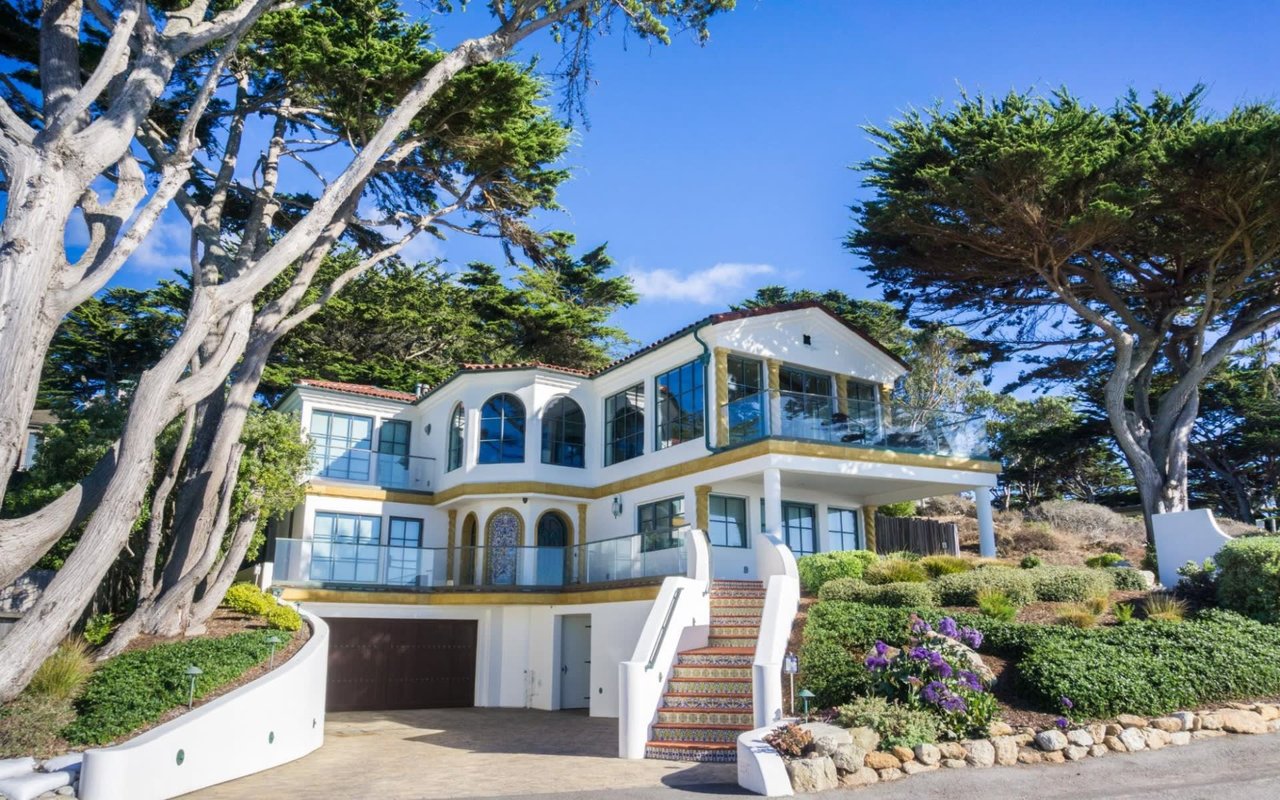
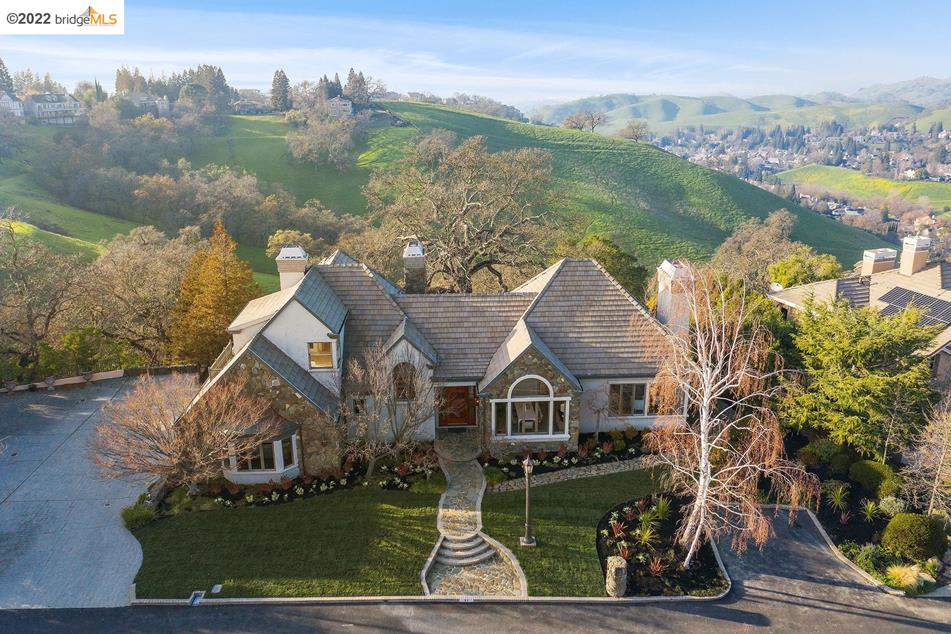
Consider the usable yard, privacy, natural light, storage, bedroom placement, and access between indoor and outdoor spaces. A smaller, more functional lot might suit your needs better than a larger hillside property that requires more upkeep.
Location matters, too. Look at commute routes, nearby services, and school assignments if those factors affect your decision. School boundaries can vary by address, so verify assignments directly with the appropriate district.
Look Beyond the Mortgage Payment
Your monthly mortgage payment only tells part of the story. Insurance, utilities, landscaping, pool care, and routine maintenance all affect the cost of owning a home.
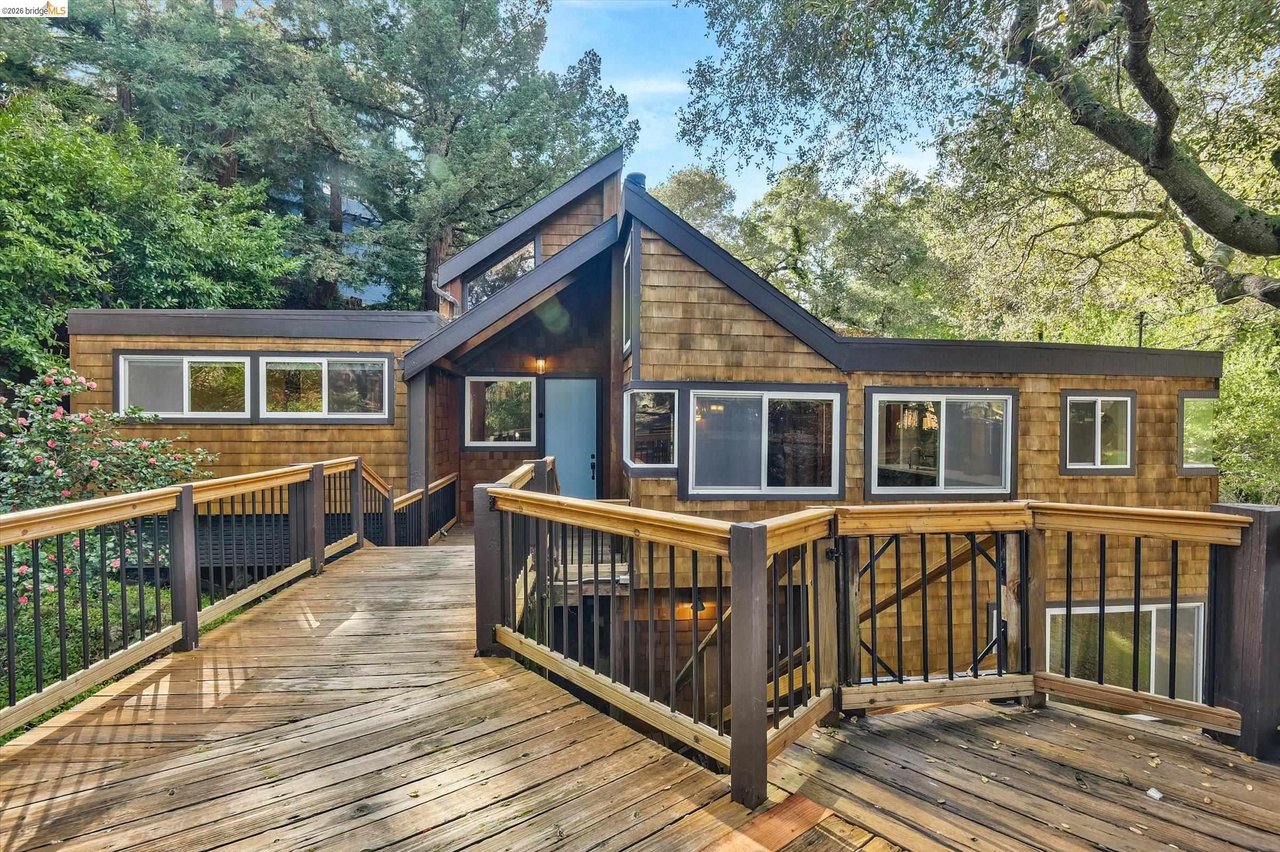
For hillside properties, pay particular attention to drainage, retaining walls, and slope conditions. Ask questions about the age of major systems and any features that could require ongoing maintenance.
These details can help you decide whether a property fits your budget after closing.
Think About Future Resale
No one can guarantee what a home will sell for years from now. However, you can review factors that may influence buyer interest, including location, condition, floor plan, lot usability, and comparable sales.
A property that fits your needs today should also make sense within the local market. I can help you compare recent sales and understand how each property’s features and condition fit into the surrounding market.
Compare the Whole Package
Neither a $1.5 million home nor a $2 million home automatically offers better value. The answer depends on the property’s condition, location, ownership costs, and how well it supports your plans.
Take the time to review the numbers, inspect the property, and understand the expenses that come with ownership. You deserve to feel confident about what you’re buying, not simply relieved that you negotiated a lower price.
If you’re comparing homes in Lafayette, Orinda, Moraga, Danville, Alamo, or Walnut Creek, I’d be happy to help you look beyond the asking price. Let’s talk through your budget, priorities, and what matters most in your next home.
-Kelly