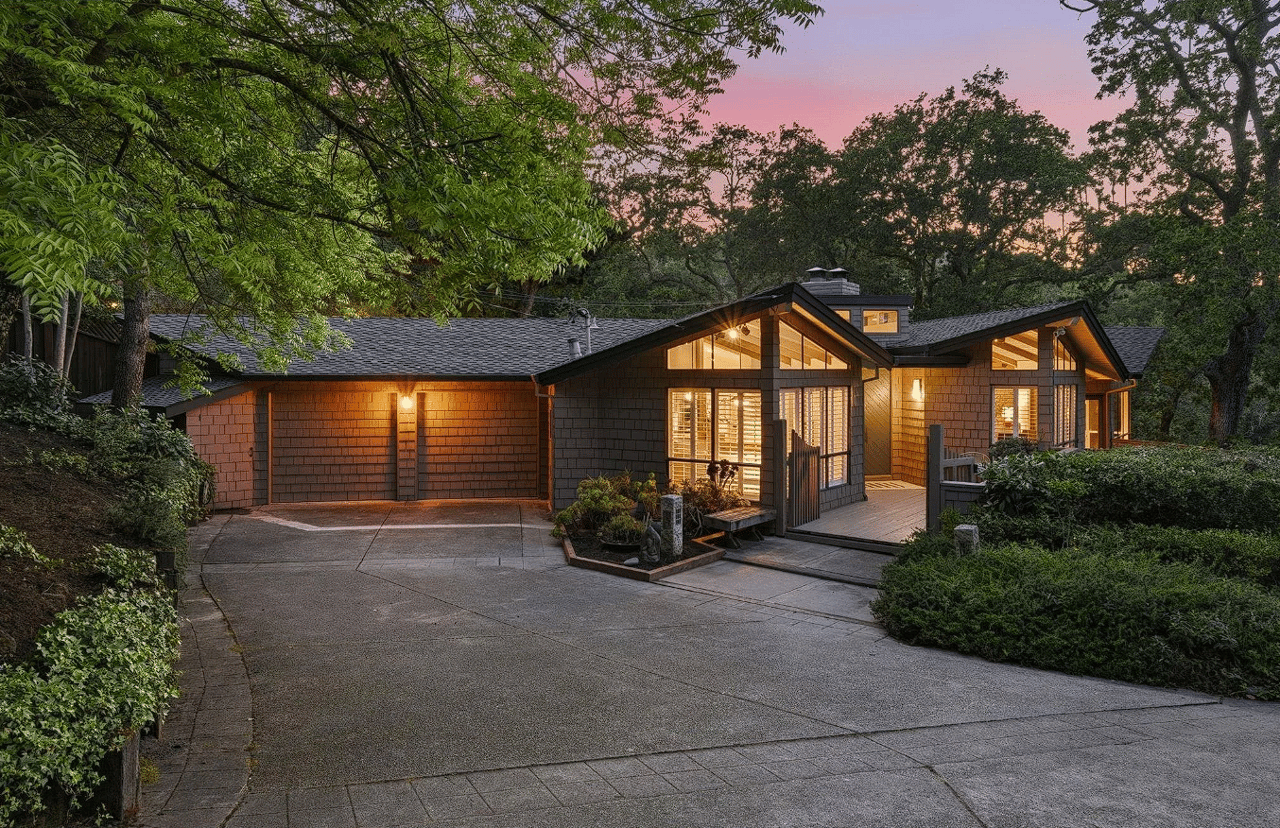
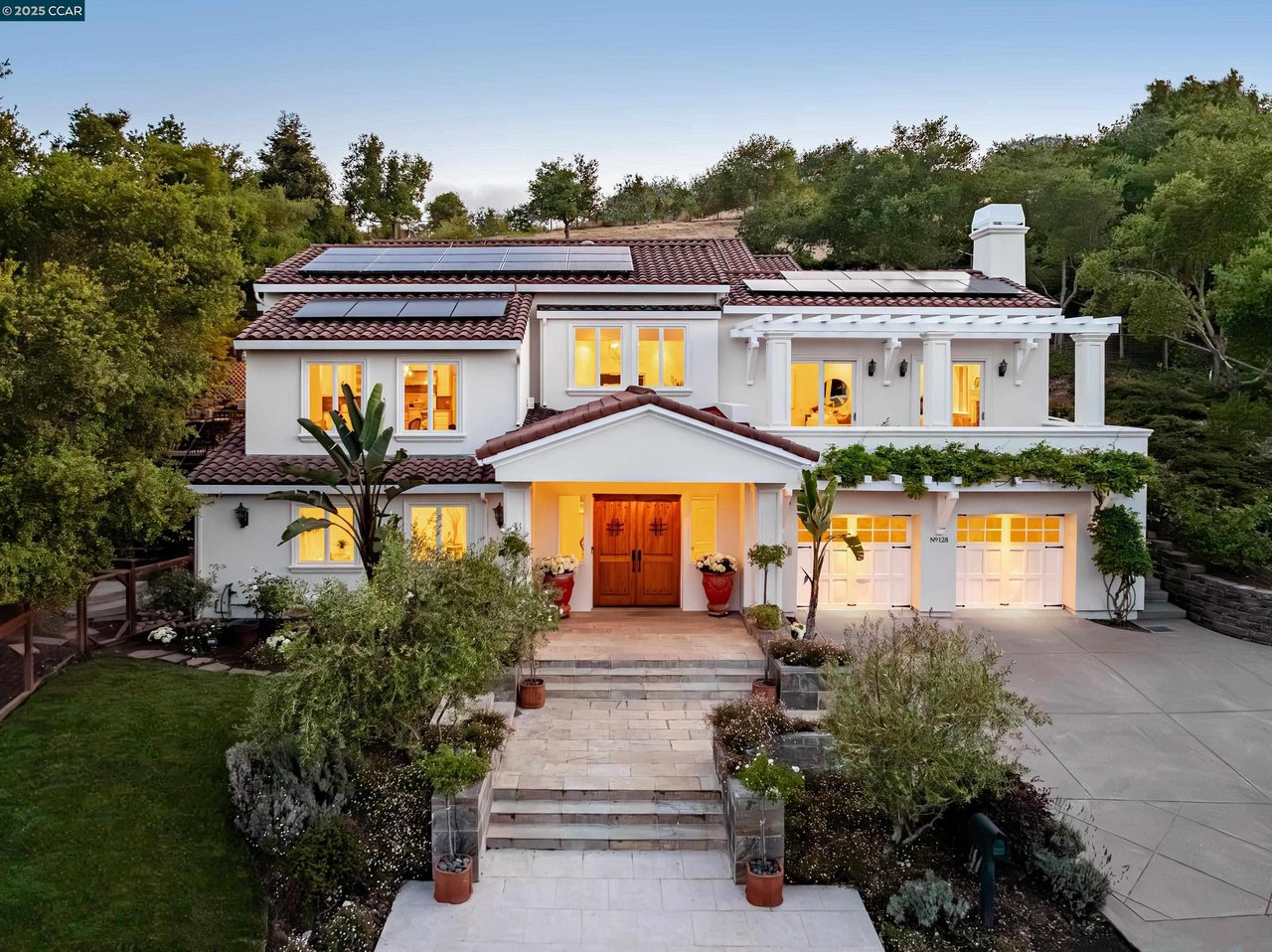
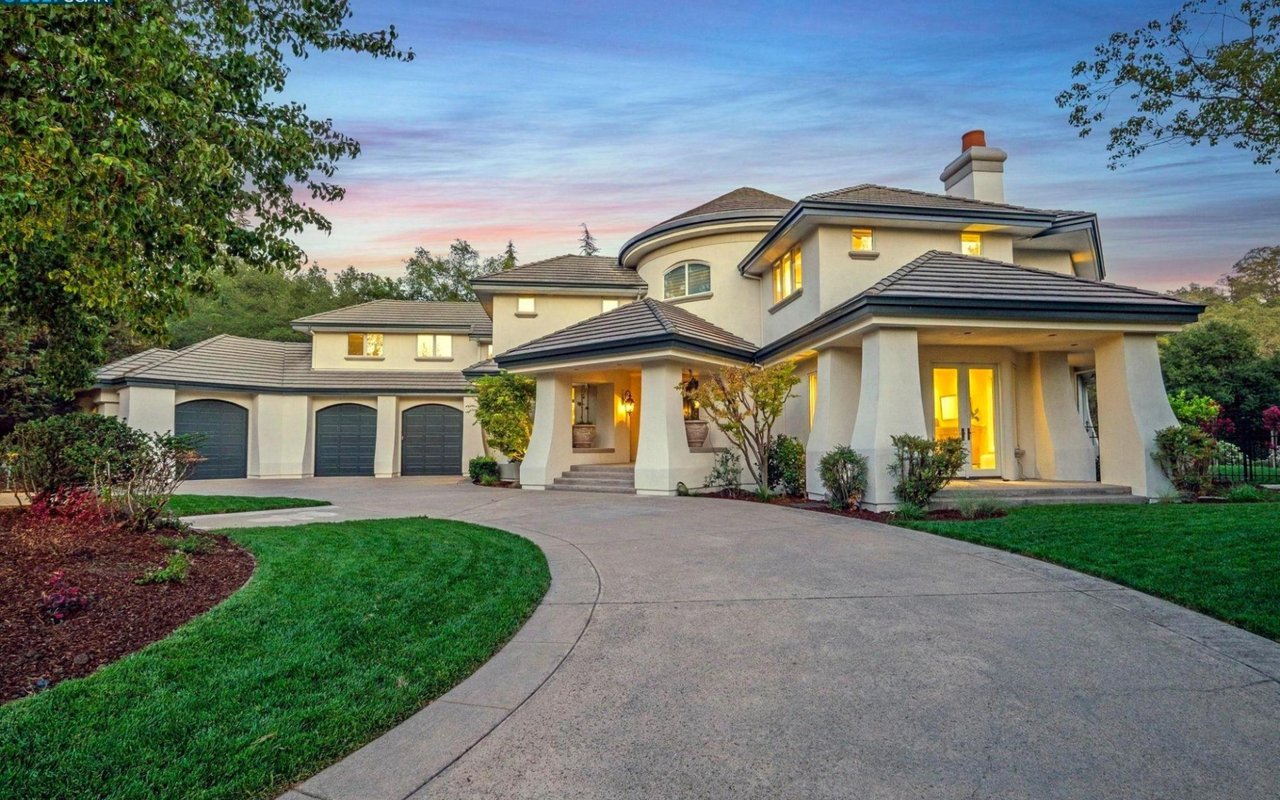
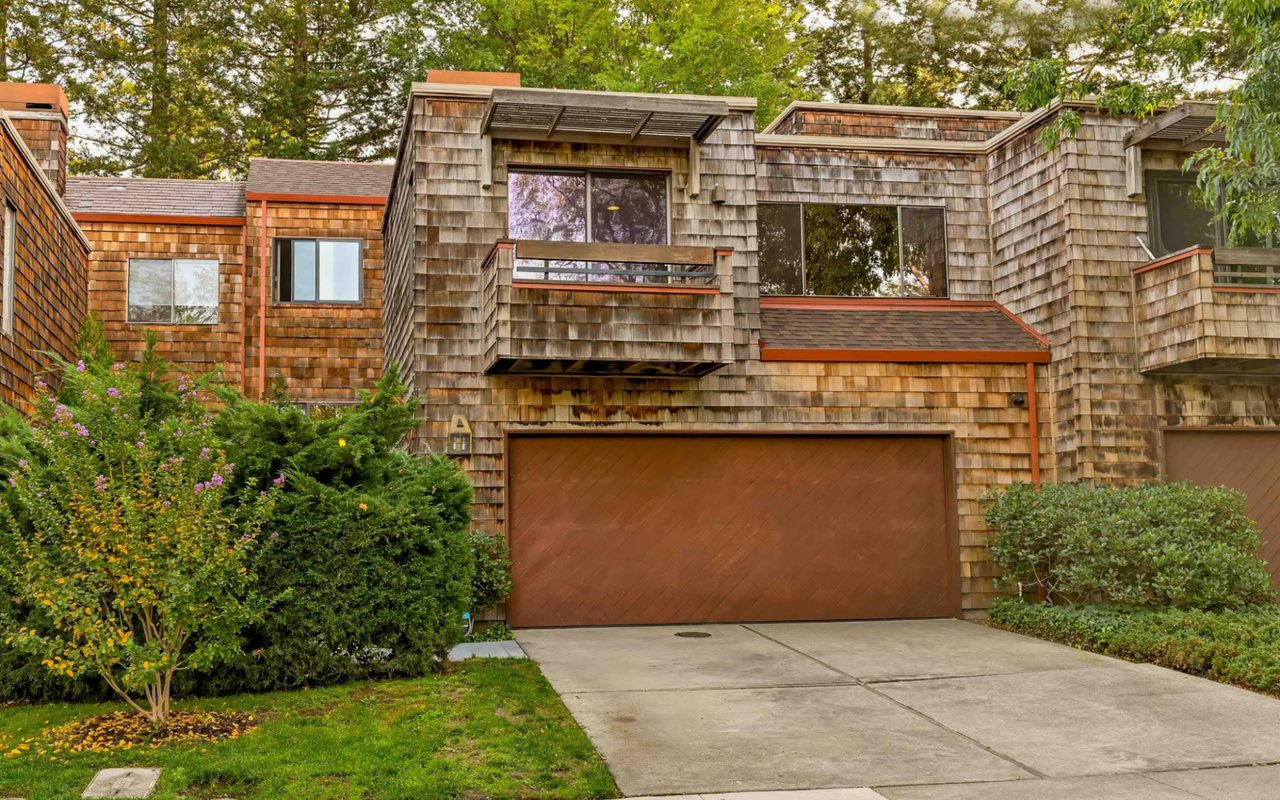
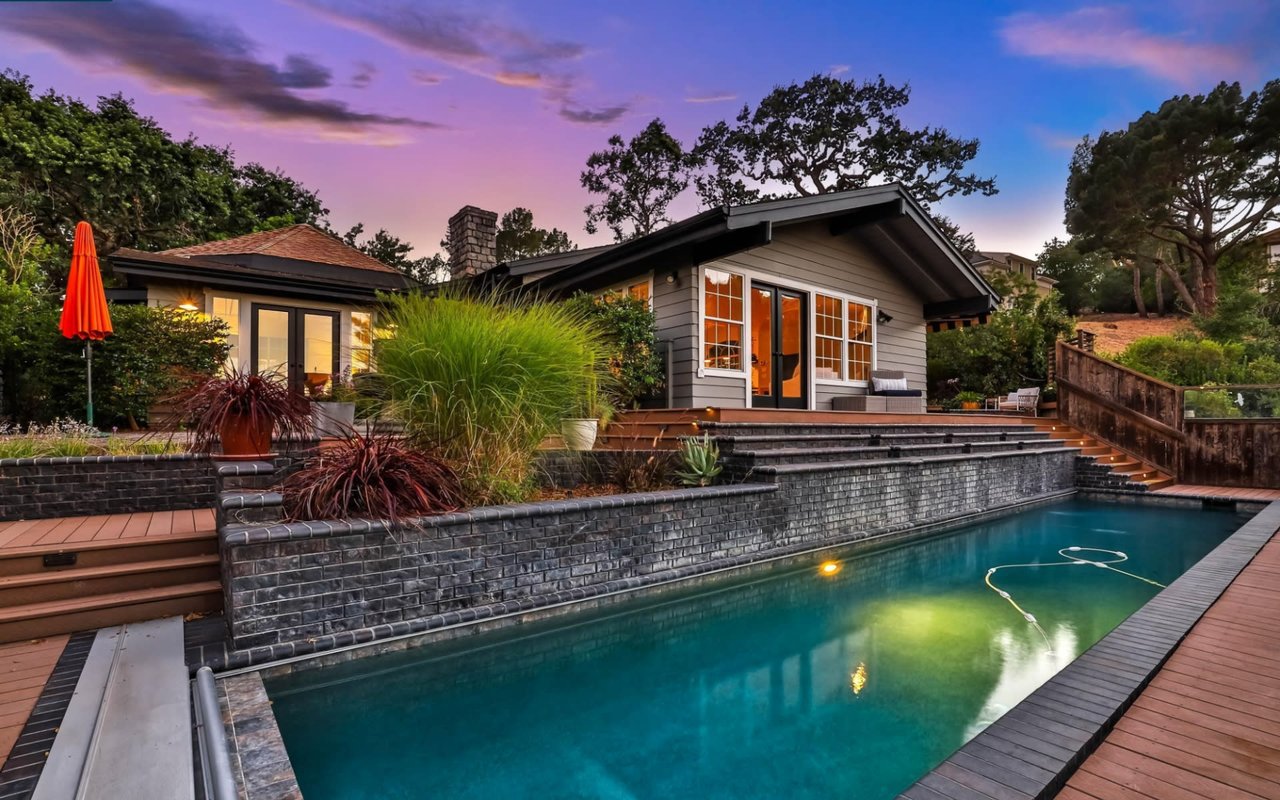
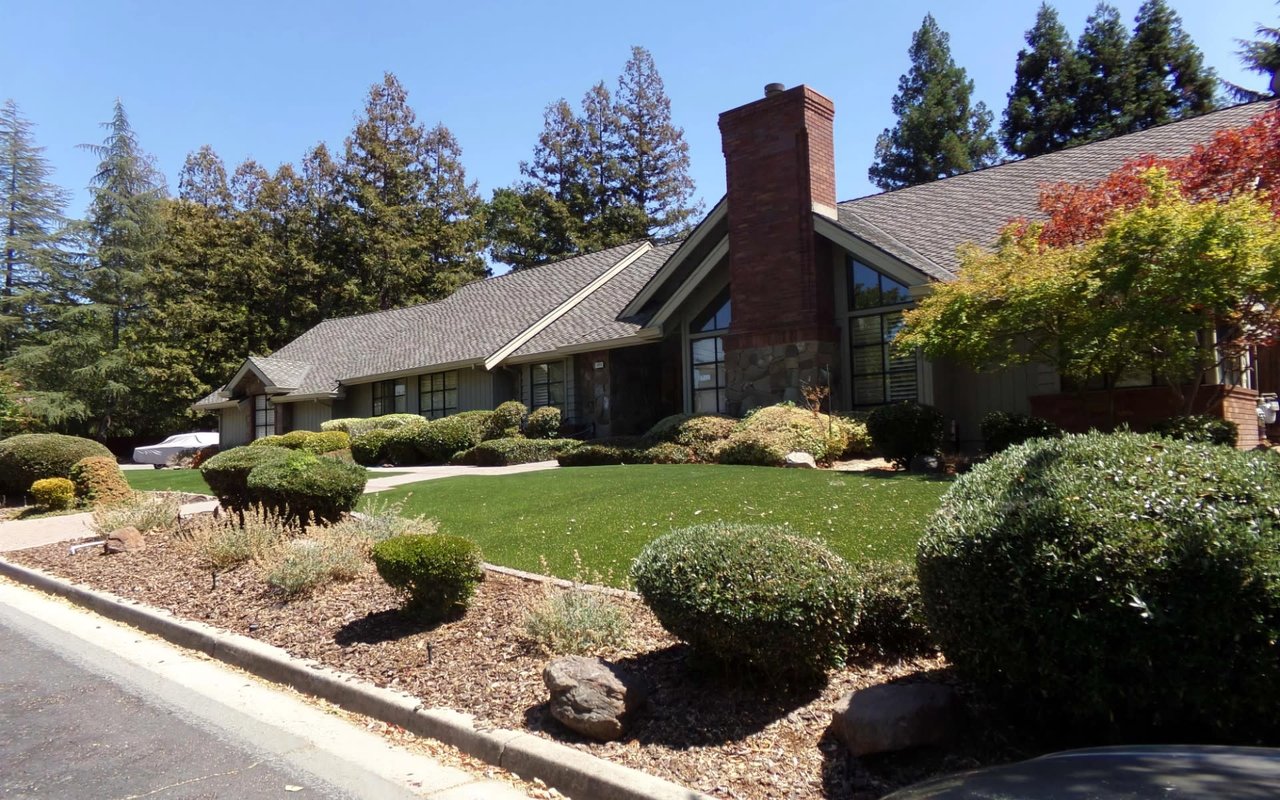
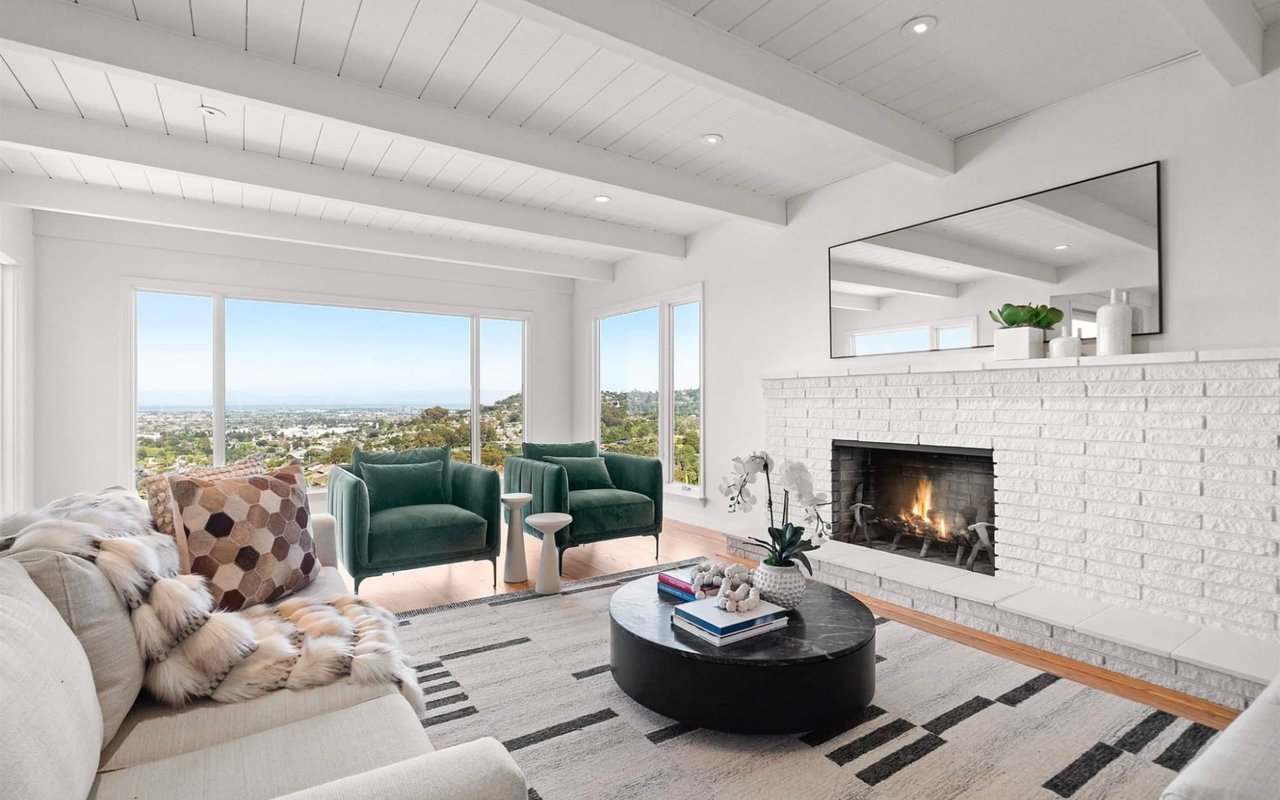
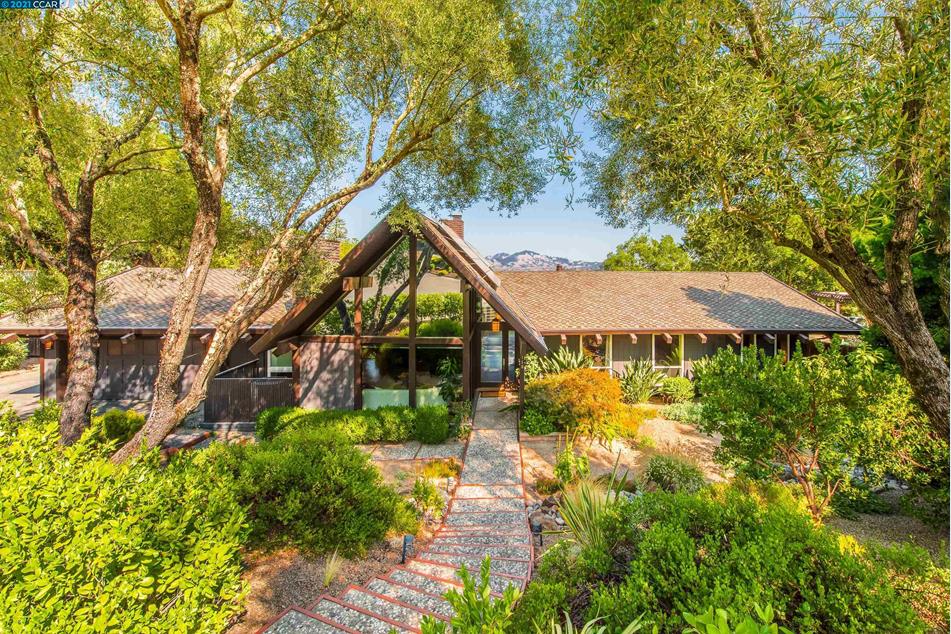
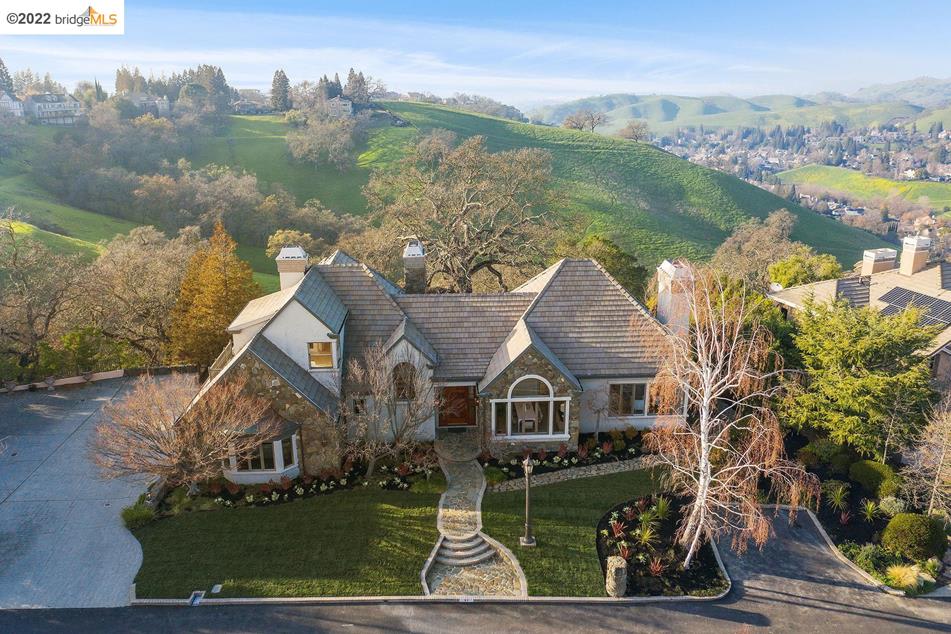
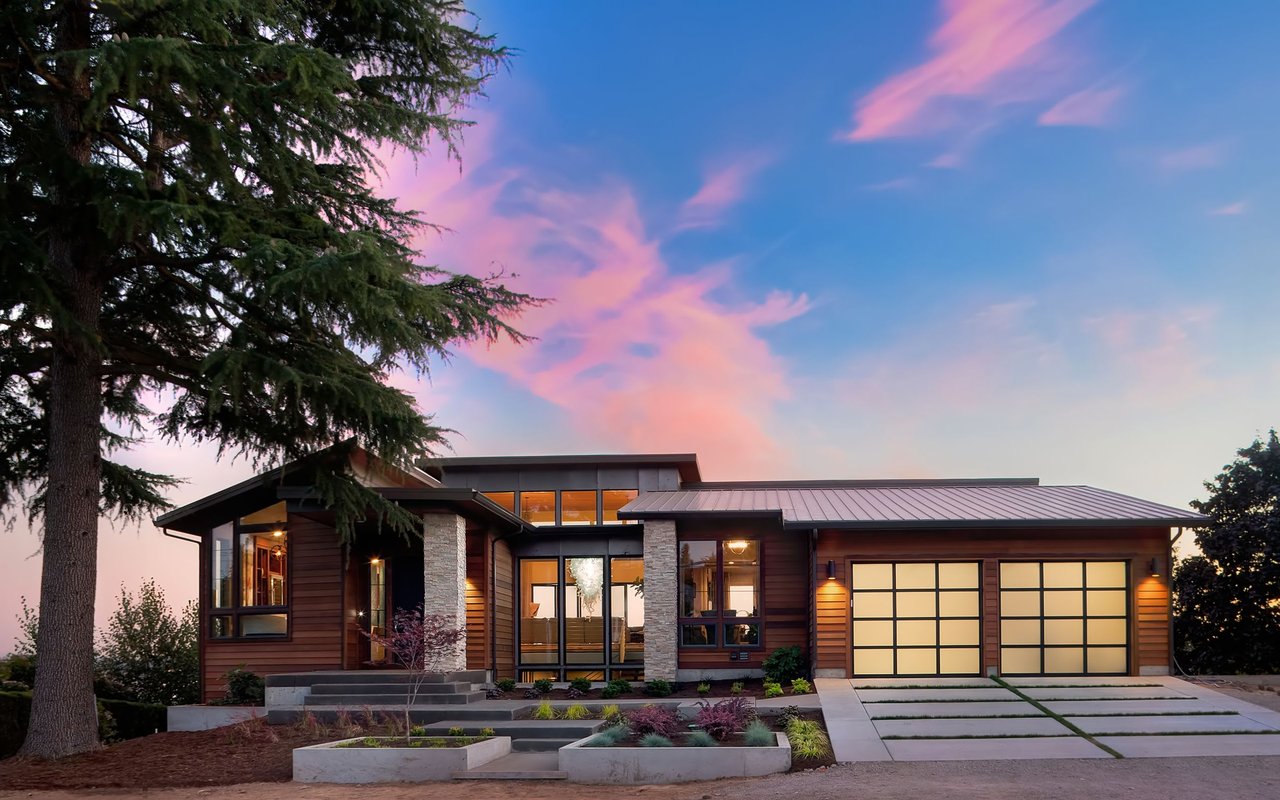
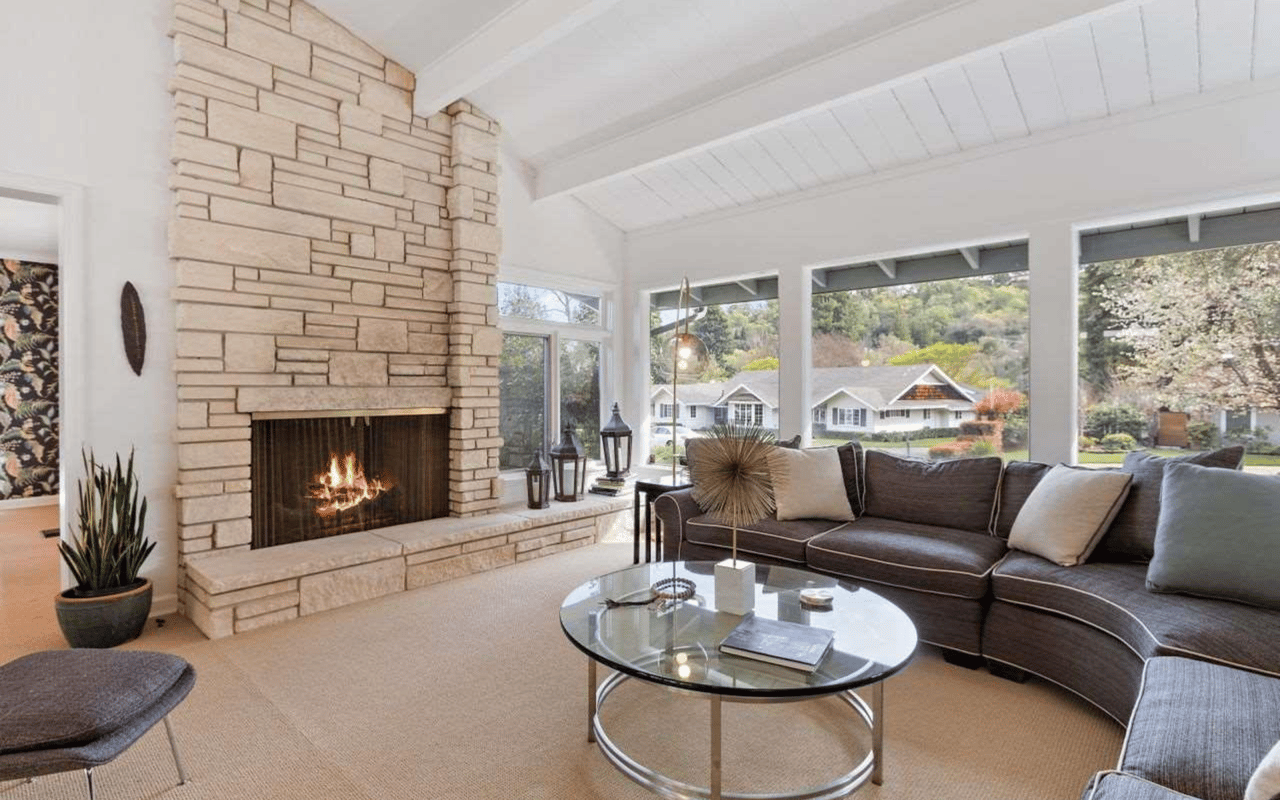
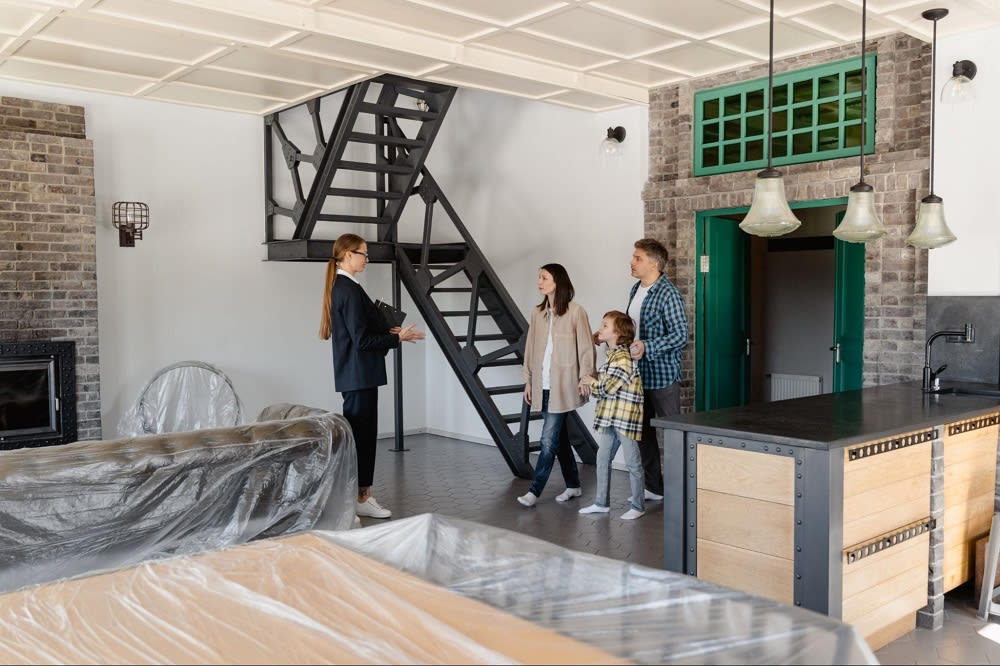
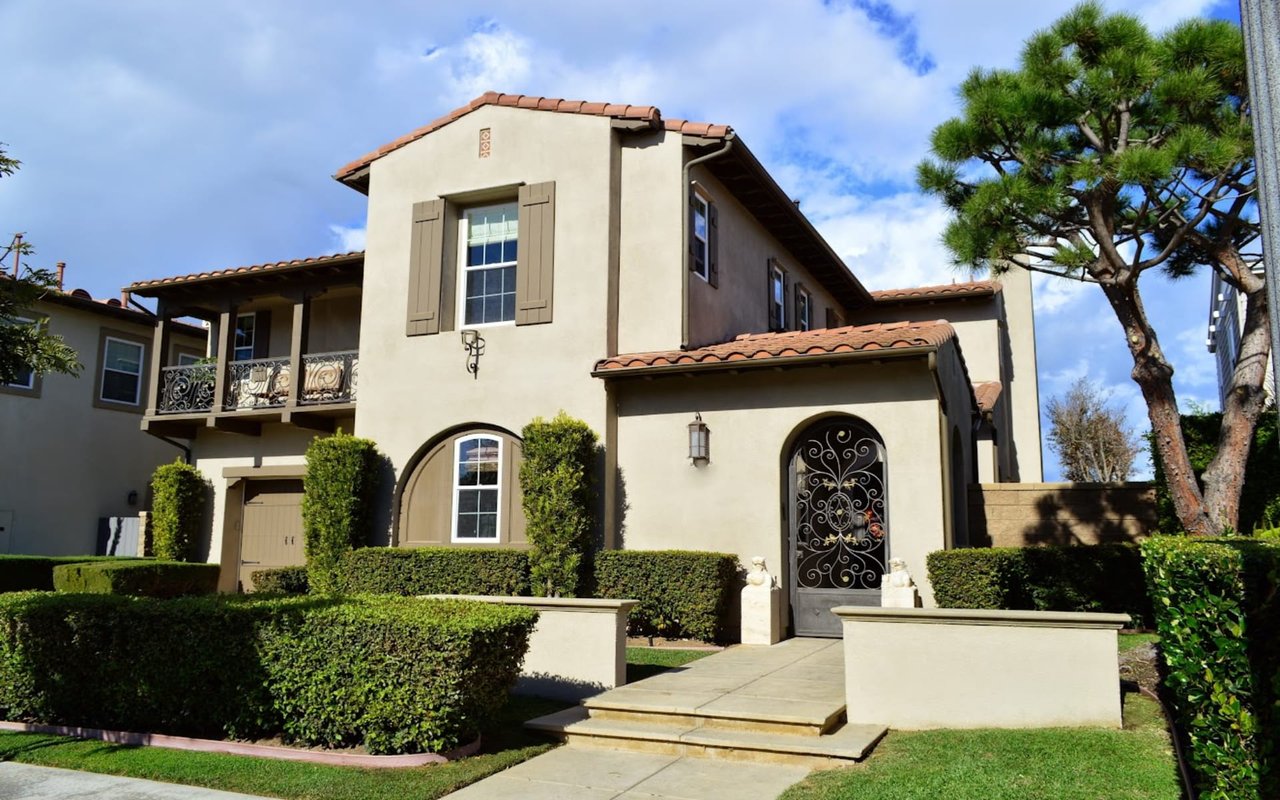
If you are touring a beautiful 1972 Orinda hillside home, and the listing says "inspection contingency accepted," it is easy to feel protected. But I have seen too many buyers learn the hard way that an East Bay inspection is not a rubber stamp. It is a revelation.
East Bay home inspectors discover problems in older homes that simply do not exist in other parts of California. Some are expensive enough to kill a deal entirely. Let me walk you through what inspectors consistently find and which issues should trigger a serious pause.
The Clay Soil Foundation Problem
The single biggest reason homes built before 1970 have foundation issues here is expansive clay soil. It is not dramatic, it is just relentless.
Winter rain hits, the clay soaks it up and expands, pressing thousands of pounds of force against foundation walls. Summer comes, the clay dries out, contracts, and pulls away. Gaps open up. Next winter, water seeps in and pushes harder. This cycle repeats for fifty years.
Homes built in the 60s and 70s were built with unreinforced concrete, no waterproofing, no drainage, and no moisture barriers. Just poured concrete on top of clay.
What inspectors look for: Horizontal or stair-step cracks, which mean active movement. Cracks wider than 1/8 inch. Doors and windows that stick after rain. Uneven floors.
The cost: A full foundation replacement runs $50,000 to $100,000 or more. Partial repairs run $5,000 to $15,000. If you see foundation issues, you need a structural engineer's assessment for $800 to $1,500.
Galvanized Plumbing
If the home was built between 1940 and 1965, there is a good chance it has galvanized steel water pipes. It was industry standard. It was also a ticking time bomb.
Galvanized pipes corrode from the inside outward. You cannot see it happening. Rust builds up slowly, restricting water flow. You notice the shower pressure dropping. Then one day, a pipe fails inside a wall.
The cost: Full replumbing runs $6,000 to $18,000. Partial repairs cost $2,000 to $5,000 but just buy time. Sellers often reduce price by $10,000 to $25,000 for homes with original piping.
Hillside Homes in Orinda and Moraga
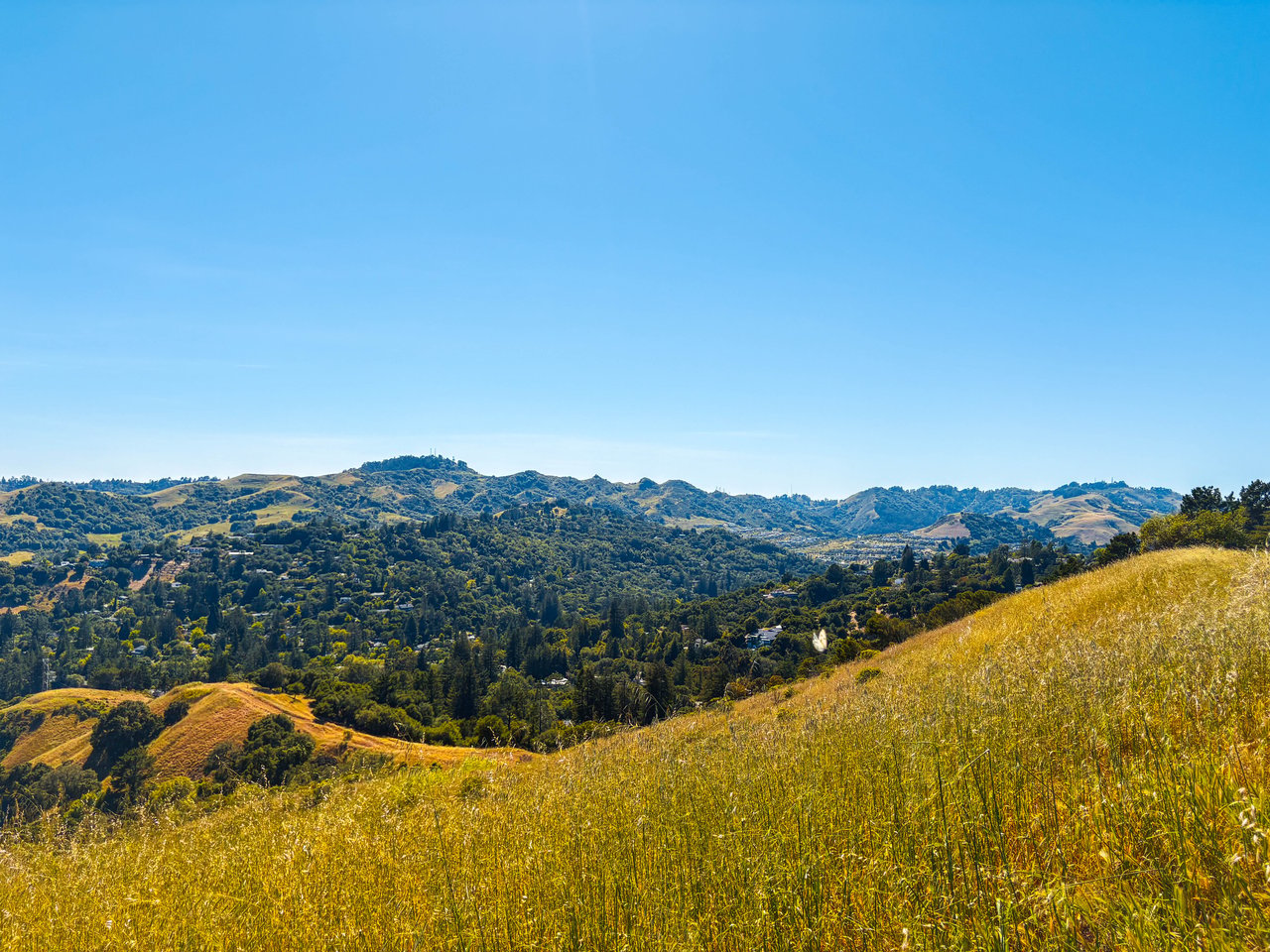
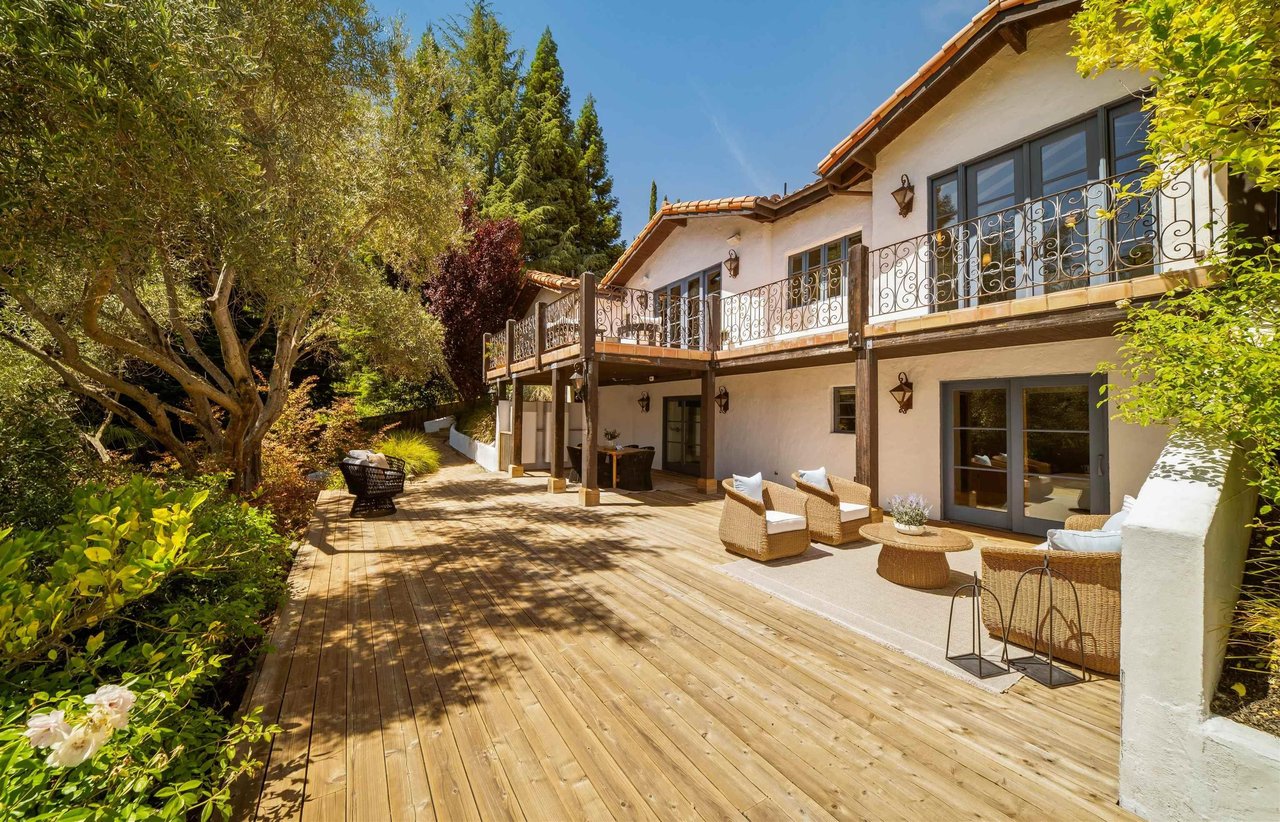
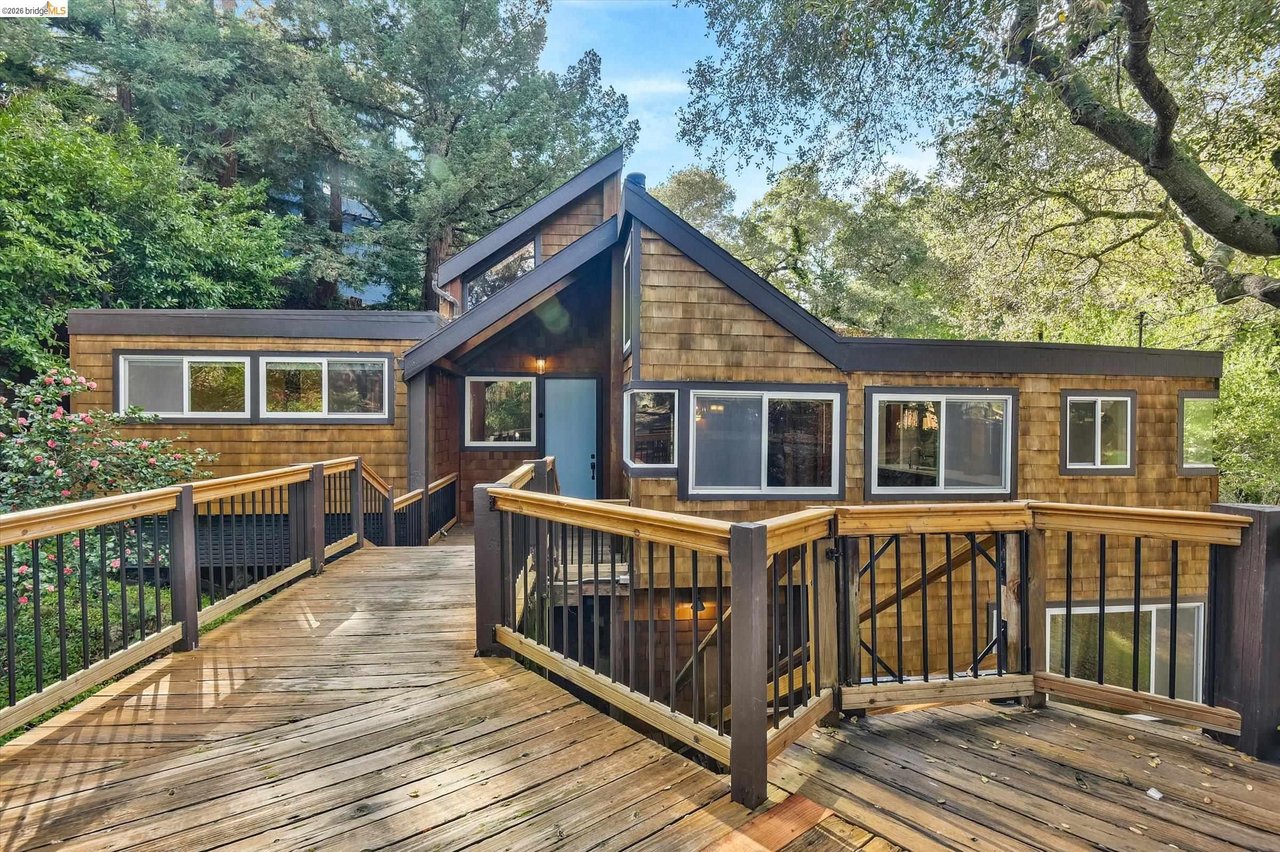
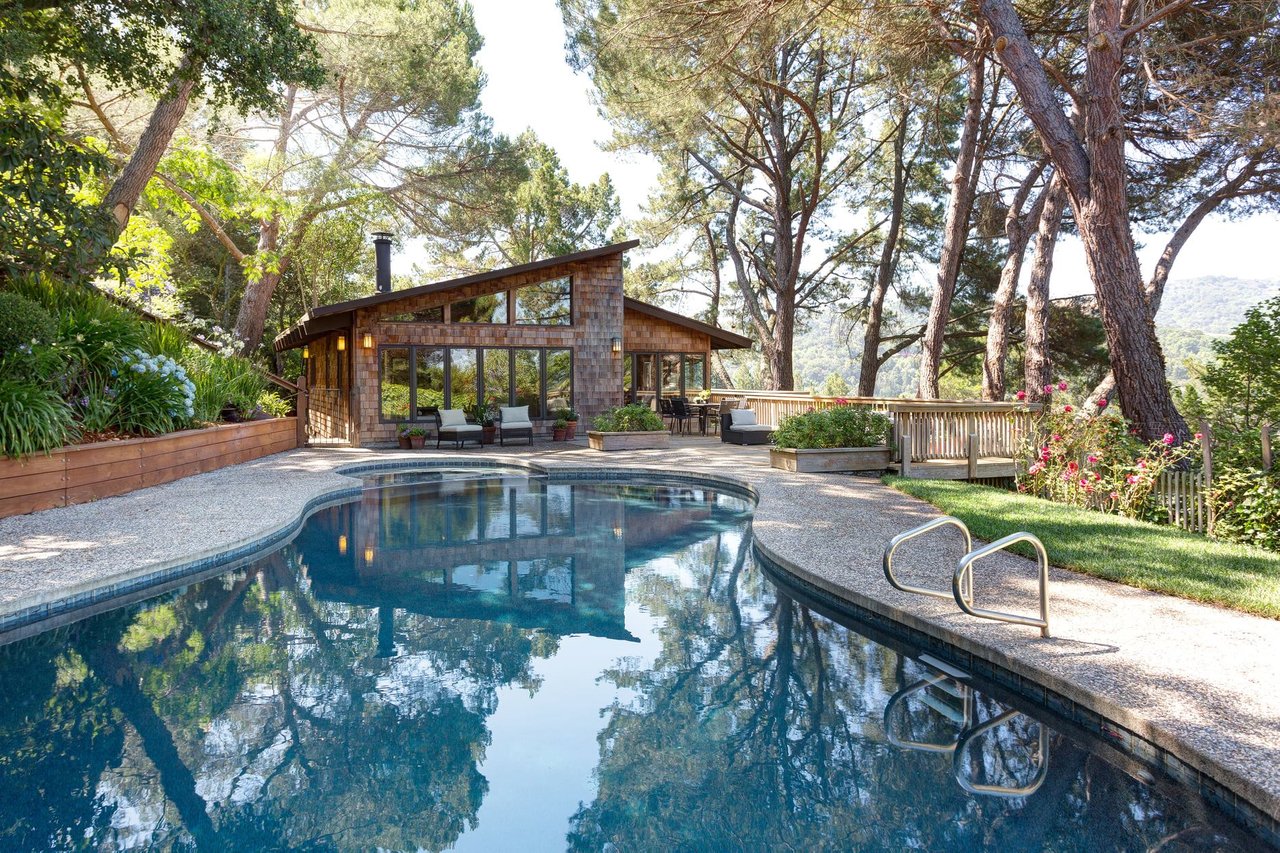
I love Orinda's hillside homes. The views are incredible. But most were built before we understood slope stability. Builders didn't commission geotechnical reports or engineer drainage systems. They poured shallow foundations on fill material.
What inspectors look for: Cracked or bulging retaining walls. Terraces or berms settling unevenly. Water pooling or erosion patterns. Leaning trees. Driveways that have sunk or cracked.
The cost: Slope repairs start around $20,000 for basic drainage and can hit $200,000 or more for deep piers or full regrading.
Red flag: If a geotechnical engineer says the slope is actively moving, the deal is dead. Lenders won't finance it. Insurers won't cover it.
Cripple Wall Bracing
If your home was built before 1980 and has a raised foundation, it has "cripple walls." These are the short wood-framed walls between the foundation and the first floor. If they aren't braced, they can collapse in an earthquake, sliding the house off its foundation.
The USGS estimates a 72 percent probability of a magnitude 6.7 or higher earthquake in the Bay Area by 2043. Many insurance companies now require bracing before issuing earthquake coverage.
The cost: Cripple wall bracing runs $4,500 to $9,000. A full retrofit runs $6,000 to $14,000. The California Earthquake Brace + Bolt program offers grants of up to $3,000, and some homeowners pay as little as $0 to $2,000 after grants.
Electrical and Water Heater Issues
East Bay homes built before 1970 often have undersized electrical panels, knob-and-tube wiring, and unbraced water heaters. Water heater bracing is the most commonly flagged issue. California law requires all water heaters to be braced.
The cost: Water heater bracing runs $200 to $600. Electrical panel upgrades run $3,000 to $8,000. Knob-and-tube wiring replacement runs $15,000 to $30,000.
What Actually Kills Deals
Not every inspection issue ends a sale. Most are negotiation points.
Deal-killers: Horizontal or stair-step foundation cracks. Unrepaired slope failure. Severe termite or dry rot requiring $30,000 or more in structural repairs. Multiple major systems failing at once. Toxic materials requiring professional remediation.
Deal-modifiers: Galvanized plumbing ($10,000 to $25,000 credit). Cripple wall bracing ($5,000 to $9,000). Electrical panel upgrades ($3,000 to $8,000). Roof replacement ($15,000 to $25,000).
The Pre-Inspection Strategy
I always tell my clients: get a pre-inspection before you make an offer. It costs $350 to $900 and takes about three hours. It shows you exactly what you are buying before you are legally obligated to buy it.
Smart buyers use pre-inspection findings to walk away if the home has major issues, make a more competitive offer with precise knowledge of repair costs, or negotiate repair credits from the seller.
Buyers who waive inspections without a pre-inspection are gambling. In the East Bay's older housing stock, that is a bet you lose about 20 percent of the time.
The Bottom Line
Homes from the 60s and 70s have problems that newer homes do not. But "has problems" does not mean "do not buy." It means understand the cost, budget for it, and negotiate accordingly.
If you are looking at a home in Orinda, Moraga, or Lafayette and you want to know what the inspection is actually going to find, let's talk. I will give you the real numbers, the real risks, and the real strategy.
-Kelly