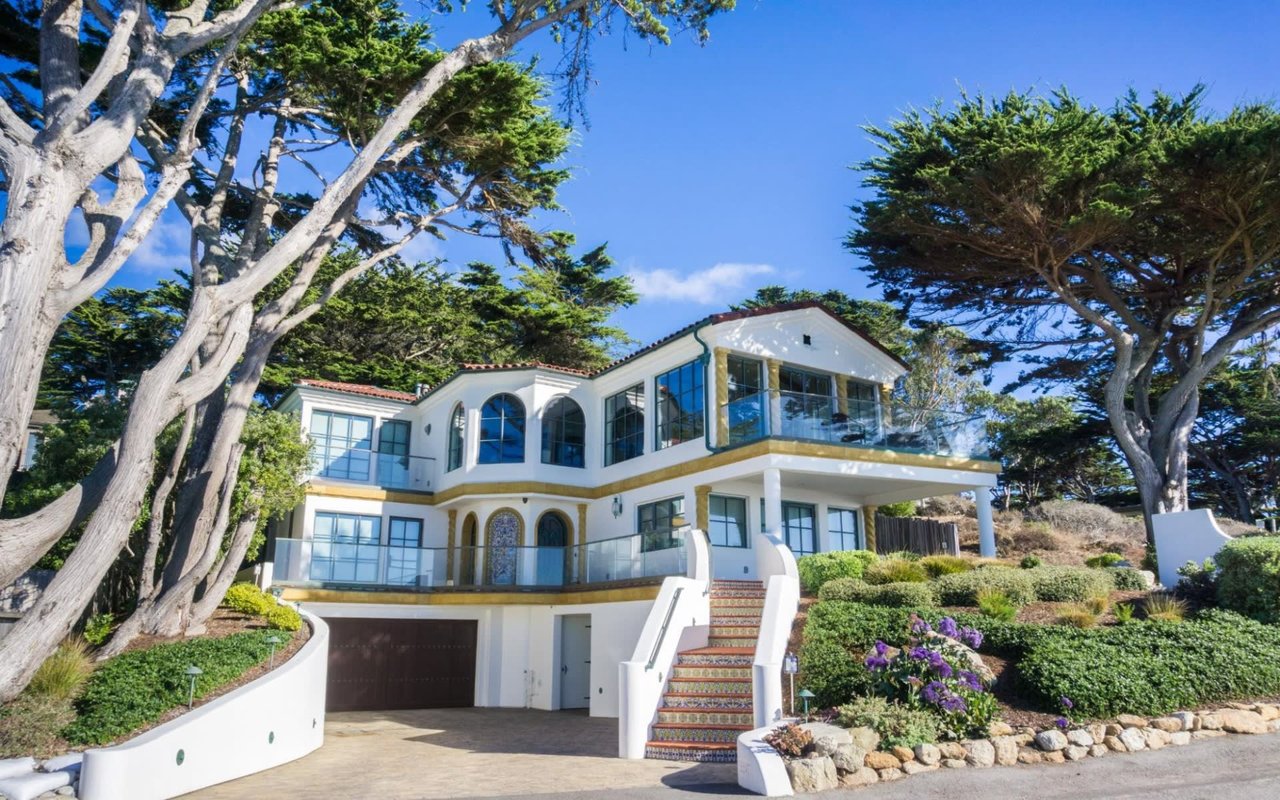
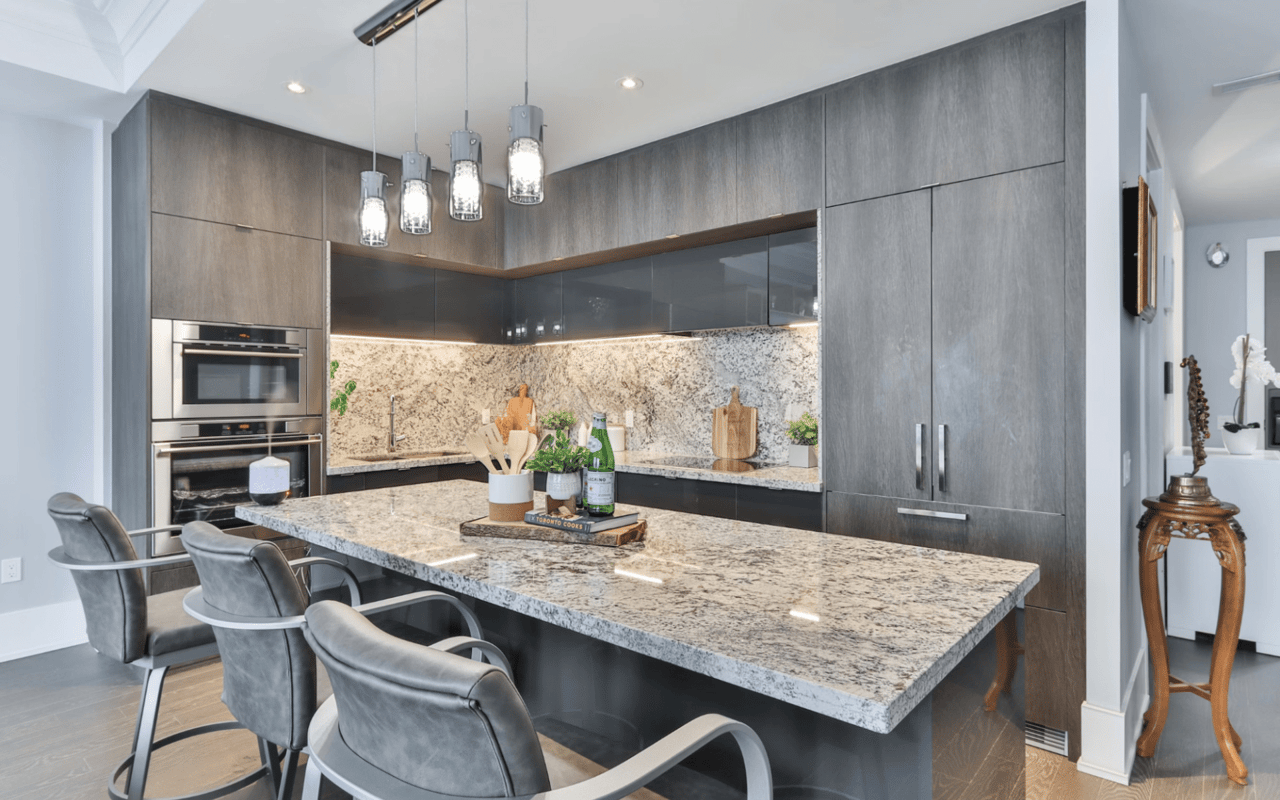
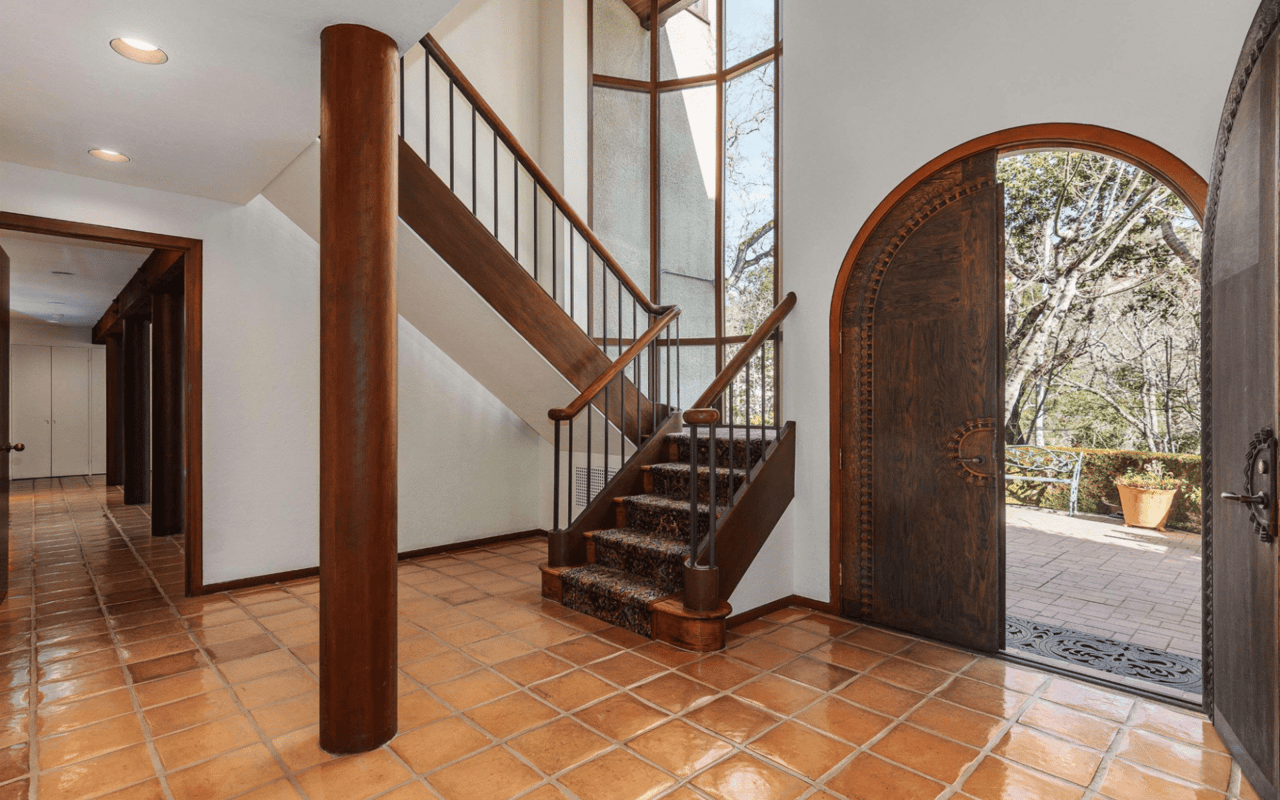
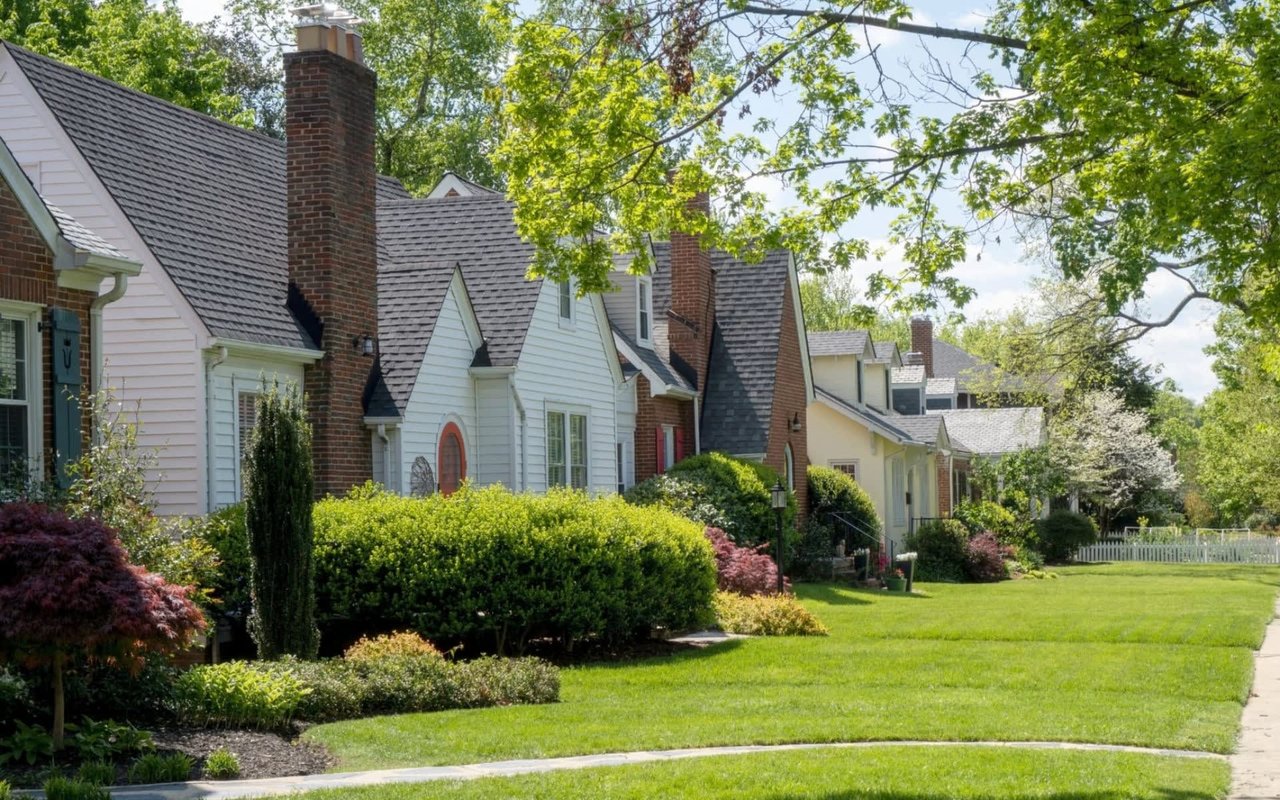
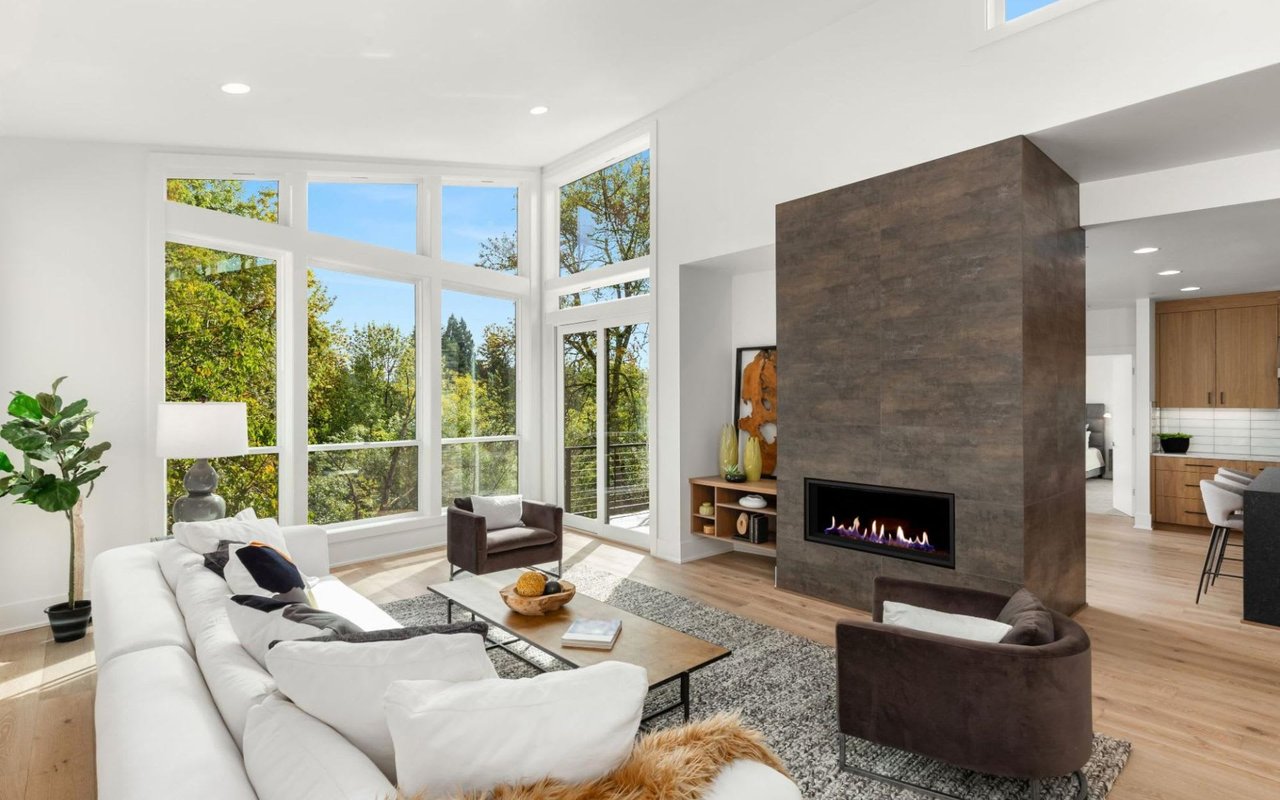
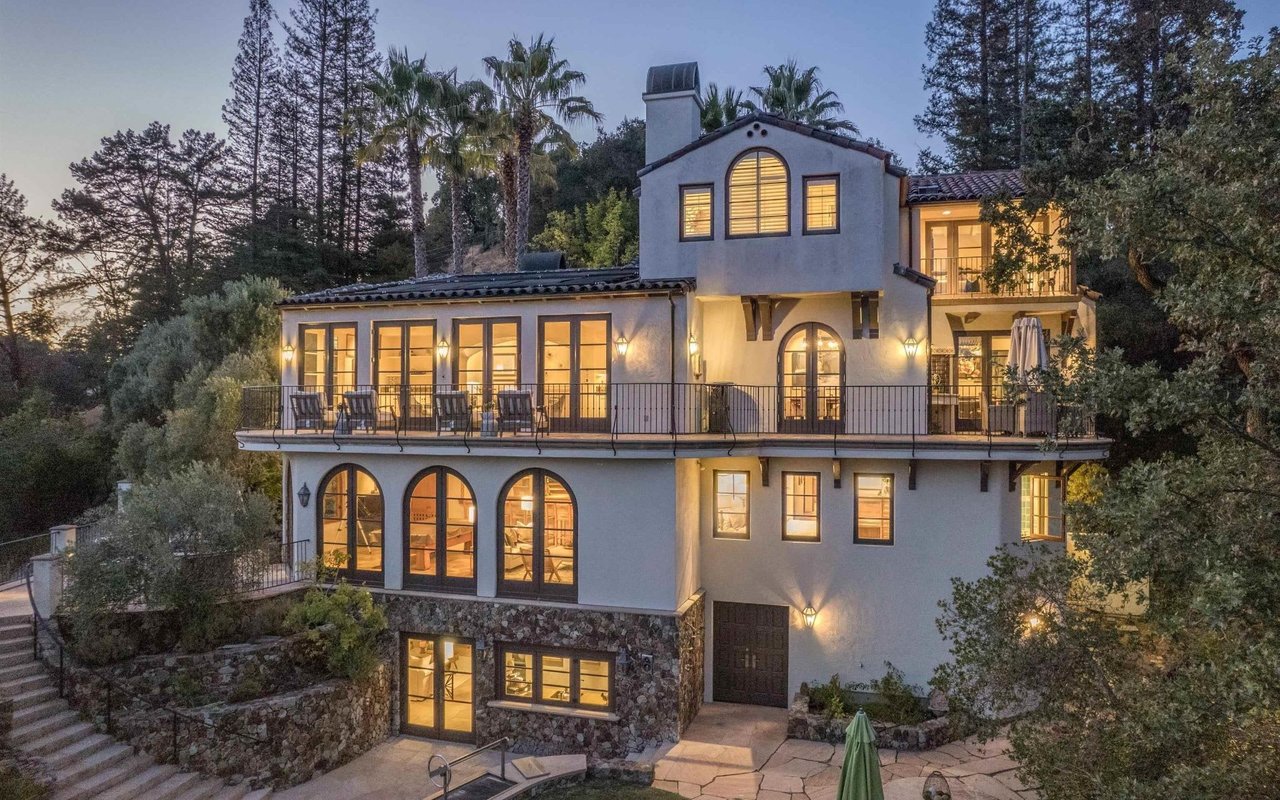
You know what's interesting? Two nearly identical homes in Lafayette can have significant price differences, and the main reason is what's within walking distance. I'm not talking about schools, though those matter too. I'm talking about the golf course membership, the swim club down the street, the trail system that connects to your backyard.
Lifestyle amenities aren't just nice things to have around. They're actual drivers of property value in ways that show up clearly when you look at comparable sales. And in Lamorinda, where families are making significant financial commitments to live here, understanding which amenities truly impact value helps you make smarter buying decisions.
Golf Course Proximity Creates Real Premiums
Listen, homes near or on golf courses in our area command measurable premiums, and I'm not just saying that because it sounds logical. I see this in the data every time I pull comparable sales for clients.
In Orinda, properties with Orinda Country Club access or adjacency typically sell for noticeably more than comparable homes without that amenity. We're talking real money here, the kind of difference that shows up clearly when you compare similar homes with and without golf course proximity.
Moraga Country Club creates similar dynamics, and honestly, it's interesting to watch. Homes within the club community or with membership access hold value better during market corrections and appreciate more during growth periods. Buyers who golf obviously value this, but even buyers who don't golf often appreciate the open space views, the maintained landscapes, and the sense of exclusivity that comes with these locations.
What's driving this? Part of it is the lifestyle, sure. But part of it is simple supply and demand. There are only so many homes adjacent to or within these golf communities, and demand from buyers who value that amenity consistently exceeds supply. That math creates premiums that stick around even when broader market conditions shift.
Swim Clubs Matter More Than You'd Think
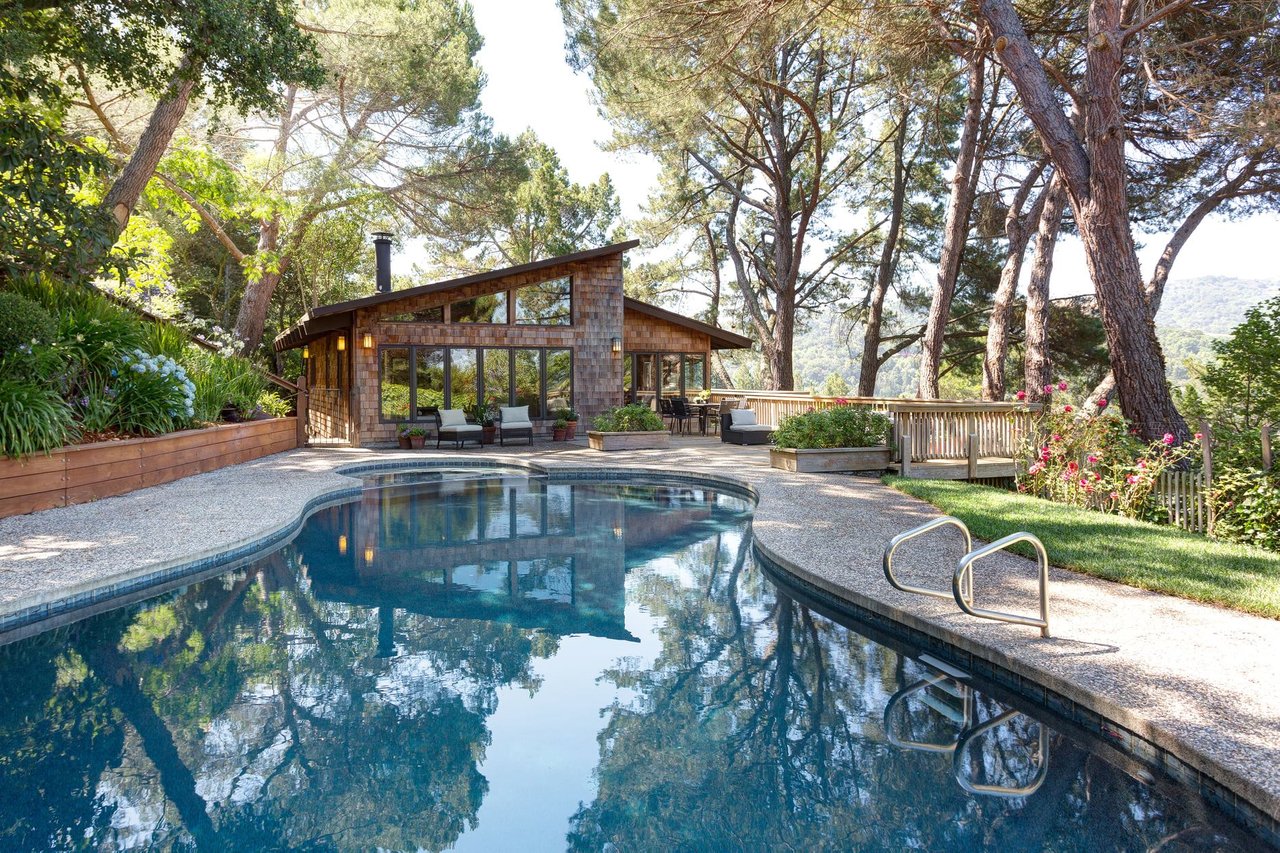
Swimming and recreation facilities create real value impacts, particularly for properties in the $1.4M to $2.5M family home range where buyers often have young kids. I've watched this play out with so many families over the years.
Lafayette swim clubs and recreation facilities create zones where properties are more desirable to families, and I've seen homes within easy distance of these facilities sell faster and for higher prices than similar homes that require driving to reach recreation options. It's one of those things that might not seem like a big deal until you're actually living it with kids who want to bike to the pool every summer day.
Certain Lafayette neighborhoods with swim club access tied to property ownership create micro markets where the amenities transfer with the property. Homes in these areas maintain value partly because families recognize that benefit when they're buying, and they're willing to pay for it.
In Moraga, community facilities with aquatic centers and recreation programming create similar dynamics. Properties within walking or biking distance for kids see premium pricing because parents value the independence and community connection these amenities provide. It's not just about having a pool. It's about the community aspect, the programming for kids, the summer social scene that develops around these places.
That creates what I call stickiness. Families who move to these neighborhoods tend to stay longer, which contributes to neighborhood stability and value retention. And that matters when you're thinking about your property as a long term investment.
Trail Systems Are Quietly Valuable
This one surprises people sometimes, but trail access creates measurable property value impacts, especially in our current market where outdoor recreation has become such a priority for buyers.
Homes in Lafayette with direct access to the Lafayette Moraga Trail or the extensive trail systems that connect throughout Lamorinda sell at premiums. I'm talking about properties where you can literally walk out your back gate and be on the trail system within minutes. That convenience matters to a specific buyer demographic, and they're willing to pay for it.
In Orinda, properties adjacent to open space or with easy trail access show similar patterns. The ability to go for a morning run or evening walk without getting in your car matters to people, and that shows up in what they're willing to pay.
What I find genuinely interesting is that this amenity has become more valuable over the past five years. Before the pandemic, trail access was nice to have. After the pandemic, it's something buyers actively seek out and will pay meaningful premiums to secure. The shift in how people think about outdoor access and recreation has created lasting impacts on property values, and I don't see that reversing.
Community Centers Add Subtle Value
Access to quality community programming and facilities affects both buyer demand and long term value retention in ways that are subtler but still real.
The Lafayette Community Center and Library area creates a neighborhood feel that attracts certain buyers. Properties within walking distance benefit from this proximity, though the premiums are smaller than golf or swim club access.
Orinda's community center and library similarly create zones where families cluster because they value the programming, the summer camps, the activities for kids. This clustering of family oriented buyers creates neighborhood stability that supports long term value.
The value here isn't just in the facilities themselves. It's in the community connections that form around them, the familiarity kids develop with their neighborhoods, and the roots families put down that make them less likely to move frequently. That stability shows up in property values over time in ways that are harder to measure but definitely real.
How This Should Affect Your Decisions
Understanding these amenity impacts helps you make smarter decisions about where to buy and how much to pay, and I want you thinking about this before you start making offers.
If you value specific amenities like golf or swim clubs, factor the premium into your budget from the beginning. Don't expect to find golf course access at non golf course prices. The premium exists because other buyers value it too, and you're competing with them.
If you don't care about certain amenities, look for neighborhoods slightly outside those zones where you get similar home quality without the amenity premium. You might save meaningful money simply by being a few streets away from the golf course you'll never use anyway, and that's smart if those amenities don't match your lifestyle.
Consider your timeline and resale perspective. Amenity premiums tend to hold up well over time, which means if you pay extra for golf course access now, you'll likely recapture that premium when you sell later. The investment isn't just about your enjoyment, it's about value retention.
Think honestly about your family's actual lifestyle. If you have young kids and you'll use the swim club constantly for the next several years, that premium is money well spent. If your kids are teenagers who won't use it, maybe it's not worth paying extra for. Be realistic with yourself about what you'll actually use versus what just sounds nice.
The Bottom Line
Properties from $1M to $1.4M in Lamorinda generally don't have the golf course premiums, but they do benefit from proximity to public recreation like trails, parks, and community facilities. Family homes from $1.4M to $2.5M are where swim club access, good trail proximity, and community facilities create the most meaningful premiums. Luxury properties above $2.5M often include private amenities, which reduces the premium for external facilities, though golf course adjacency still commands substantial premiums.
If you're buying in Lamorinda and trying to understand which lifestyle amenities are worth paying premiums for versus which ones you can skip, let's talk about your actual priorities and how they match with what different neighborhoods offer. Because these amenities aren't just about lifestyle, they're about value, and understanding that connection helps you invest your money wisely.