Your Zillow estimate says $1,350,000. You're excited. Ready to list. Then a local agent tells you the realistic price is $1,262,500.
That's an $87,500 gap.
I have this conversation constantly. Sellers check Zillow, see a promising number, and build plans around it. Then reality shows up with actual comparable sales.
Here's what Zillow gets wrong about East Bay home values.
How Zillow Creates Estimates
Zillow uses an algorithm called a Zestimate. It pulls public data like square footage, bedroom count, bathroom count, lot size. It looks at recent sales in your area and runs it through a formula.
The algorithm is impressive. But it's still just an algorithm looking at data it can access.
What it can't see matters more.
What Zillow Misses
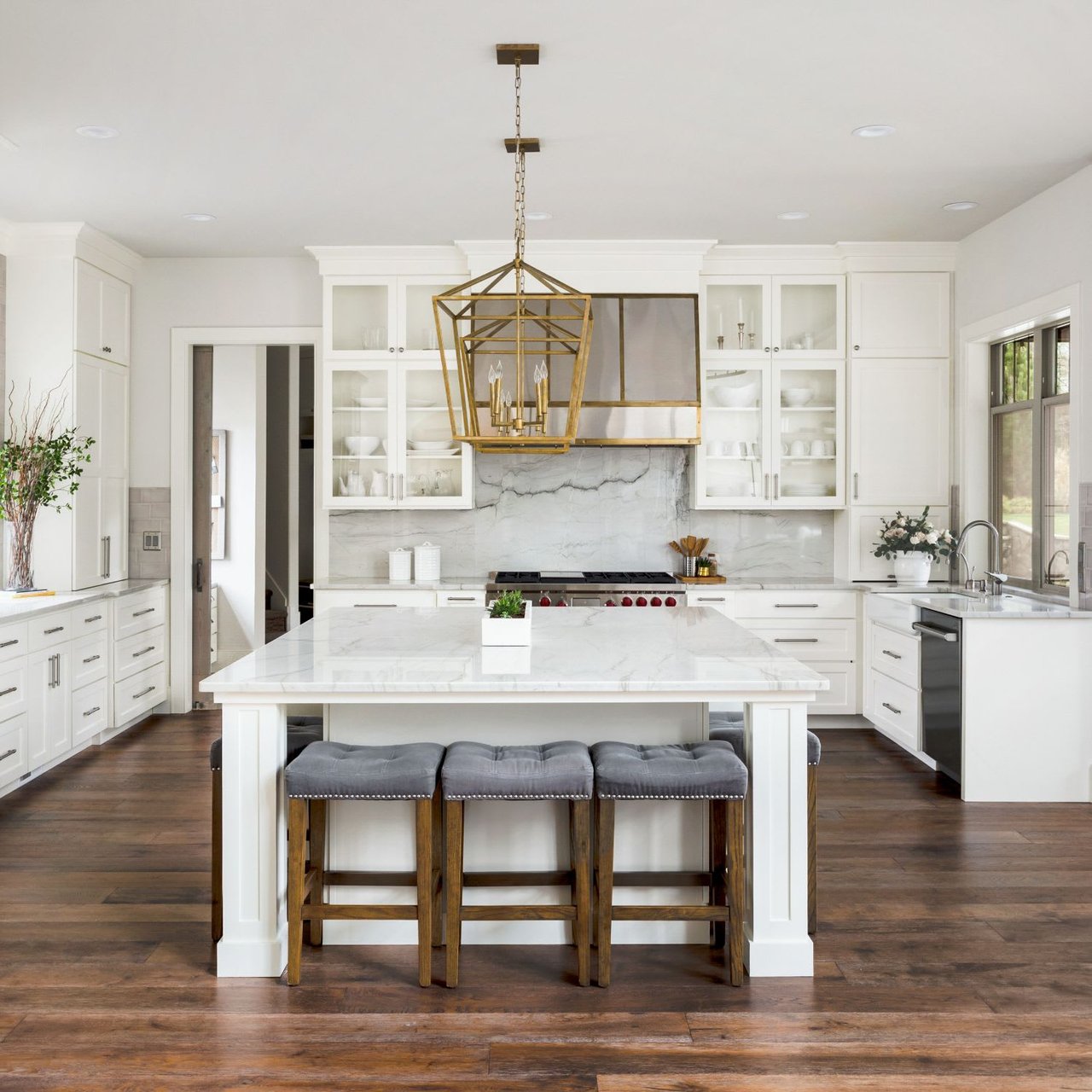
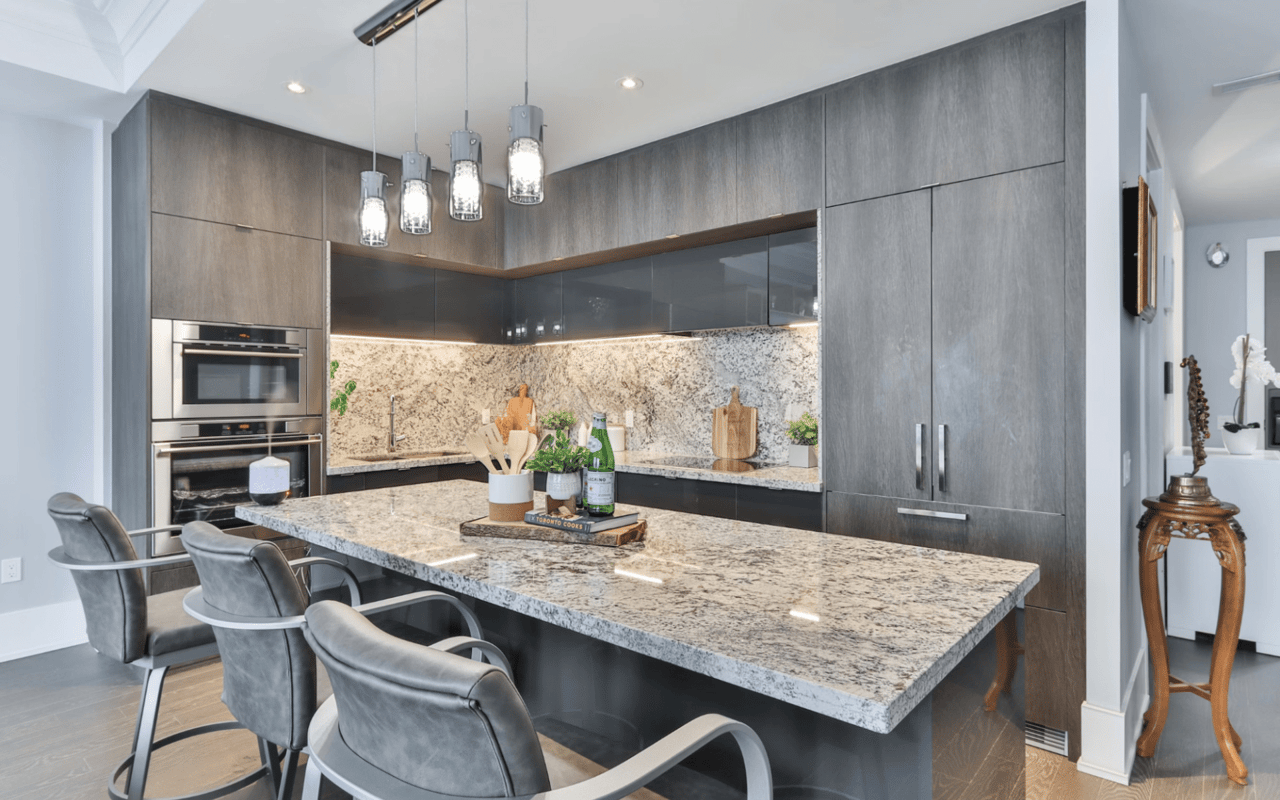
Zillow doesn't know your kitchen was renovated two years ago with high end appliances. It doesn't know your bathroom still has the original 1960s tile.
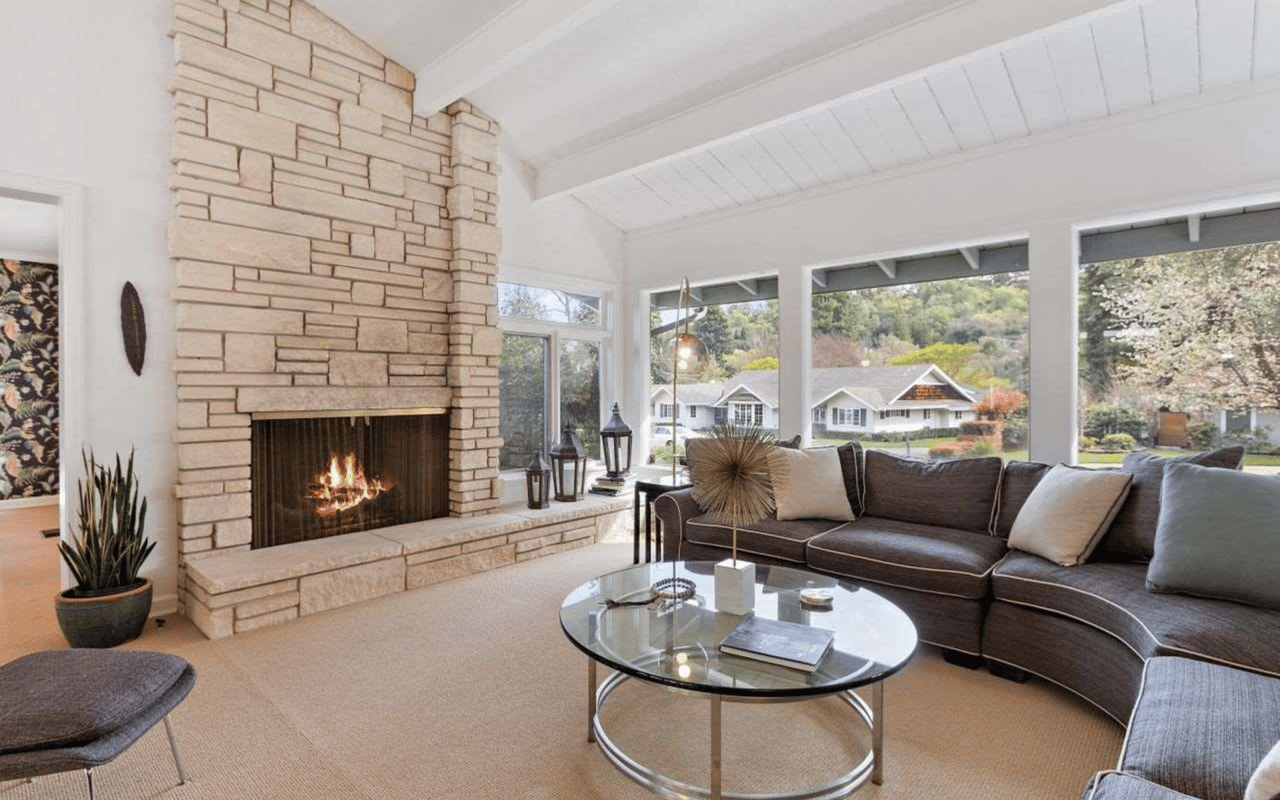
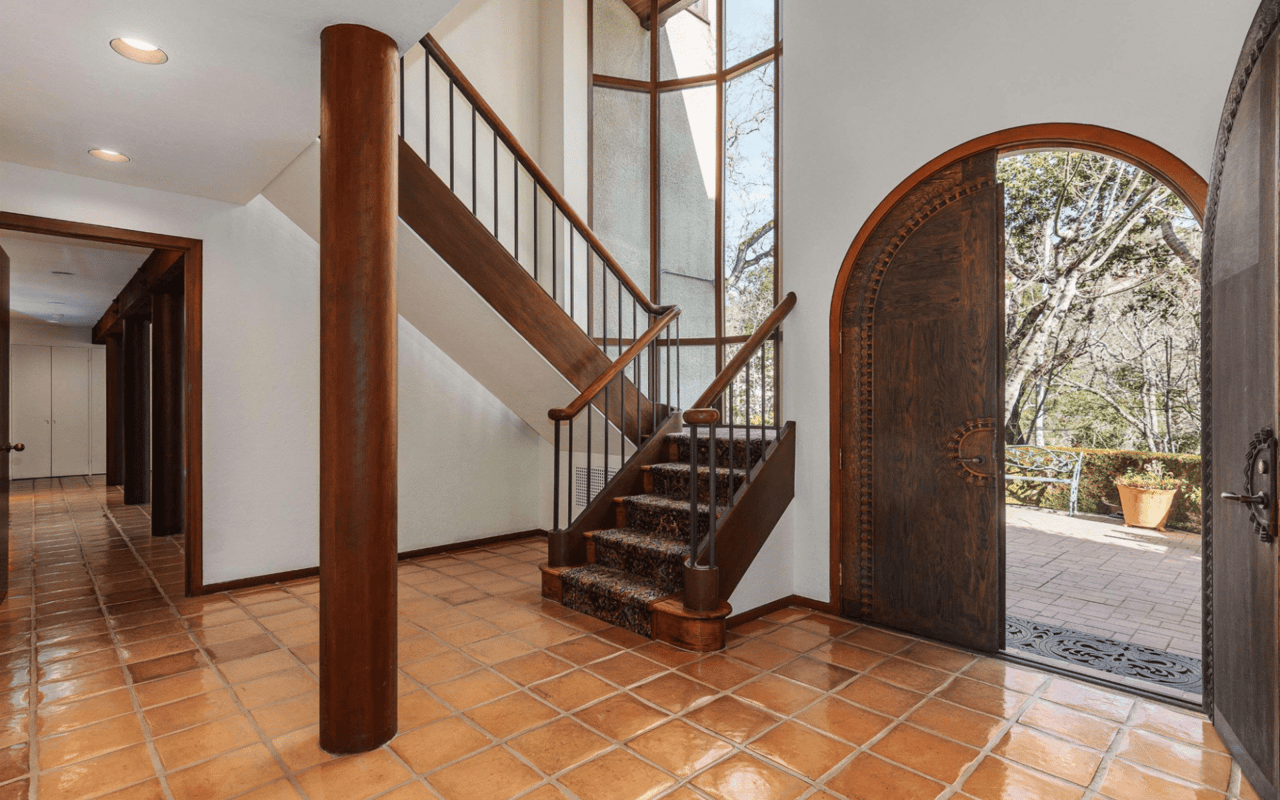
It can't tell if you have the desirable floor plan with the primary bedroom on the main level. Or the awkward layout where you walk through one bedroom to reach another.
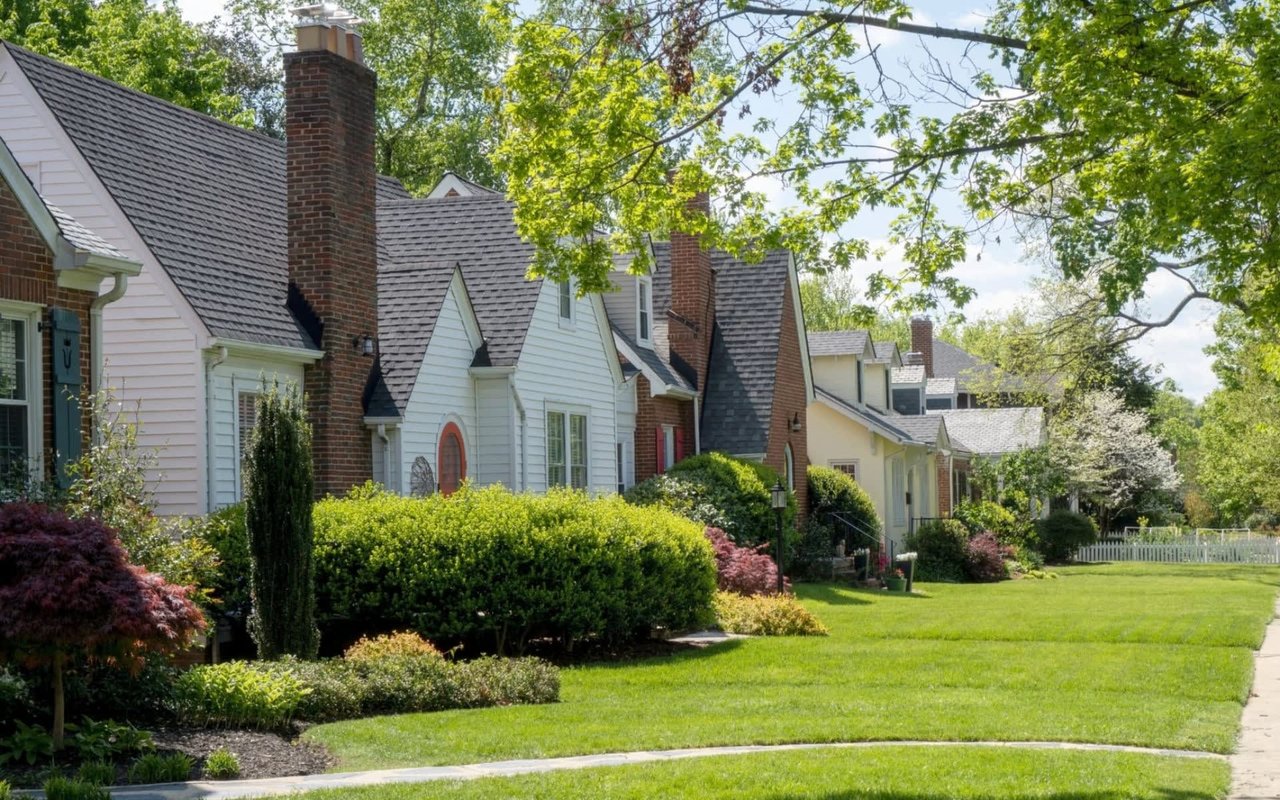
It doesn't know if you're on a busy street with traffic noise or a quiet cul de sac where kids play. It can't see your neighbor's immaculate yard or the rental house next door with constant turnover.
All of this affects value. Significantly.
But Zillow treats your home like every other three bedroom, two bathroom, 1,800 square foot house in your zip code.
The Comparable Sales Reality
Local agents determine value by looking at comparable sales. Recent sales of similar homes in similar condition in similar locations.
We call this a Comparative Market Analysis. Actual research into what buyers recently paid for homes like yours.
What Makes a Good Comparable
A good comparable happened within three to six months. Older sales don't reflect current conditions.
The home should match in size, condition, and location. A renovated home two blocks away is more relevant than an outdated home a mile away.
The sale should be legitimate. Not between family members. Not a foreclosure.
Finding true comparables requires local knowledge. Knowing neighborhoods. Understanding which streets are more desirable. Knowing which homes recently sold and in what condition.
Zillow's algorithm can't do this.
Why East Bay Markets Break Algorithms
The East Bay has micro markets where values change street by street. Rockridge commands different prices than Temescal. North Berkeley differs from South Berkeley.
Walk score matters here more than most places. Being three blocks from BART can add $100,000 or it can subtract, just depending on the buyer. Being near excellent schools creates premiums algorithms struggle to quantify.
The East Bay has huge variation in home conditions. Pristine renovated Craftsmen next to tear downs on the same block. Zillow treats them too similarly.
When Zillow Runs High
Zillow estimates often run high in the East Bay.
The algorithm sees strong recent sales and assumes your home will sell similarly. But it doesn't account for specific features that made those homes sell high.
Maybe they'd been renovated. Better locations. Or they sold during a strong market moment that's shifted.
Sellers see the high Zestimate and anchor to that number. Then they're disappointed when agents provide lower estimates based on actual comparables.
When Zillow Runs Low
Sometimes Zillow underestimates. This happens when your home has features the algorithm can't detect.
Maybe you added square footage not in public records. Maybe you did a renovation that transformed the property. Maybe you're in a micro neighborhood appreciating faster than surrounding areas.
Local agents catch this because we see the property and understand the market.
The Pricing Strategy That Works
Pricing correctly from the start matters. The price is too high and you sit. Your home becomes stale. Buyers wonder what's wrong. You end up reducing and selling for less than correct initial pricing would have gotten.
Price too low and you might leave money on the table, though in competitive markets, underpricing often creates bidding wars.
Start with accurate comparable sales analysis. Look at what similar homes sold for recently. Adjust for differences. Factor in current momentum.
Then price strategically. Not based on Zillow. Not what you hope. Based on what buyers are paying for homes like yours now.
What This Means for Sellers
Use Zillow as a starting point. It gives you a rough sense of value range. But don't make decisions based on it.
Talk to local agents who know your neighborhood. Get a real Comparative Market Analysis. Understand what adds value and what reduces it.
The difference between Zillow's estimate and real market value can be tens of thousands. Sometimes more. That's too much money to leave to an algorithm that's never seen your home.
Kelly