If you're searching for horse property in Alamo or Danville ,that means you're probably not scrolling through standard residential listings. You're looking for acreage. Zoning that actually allows horses. Maybe a barn that's already standing.
This is a specialized market. And buying wrong here gets expensive fast. Like, really expensive.
Let me walk you through what actually matters. Think of this as advice from a friend who's seen people make costly mistakes.
Alamo: The Acreage Premium
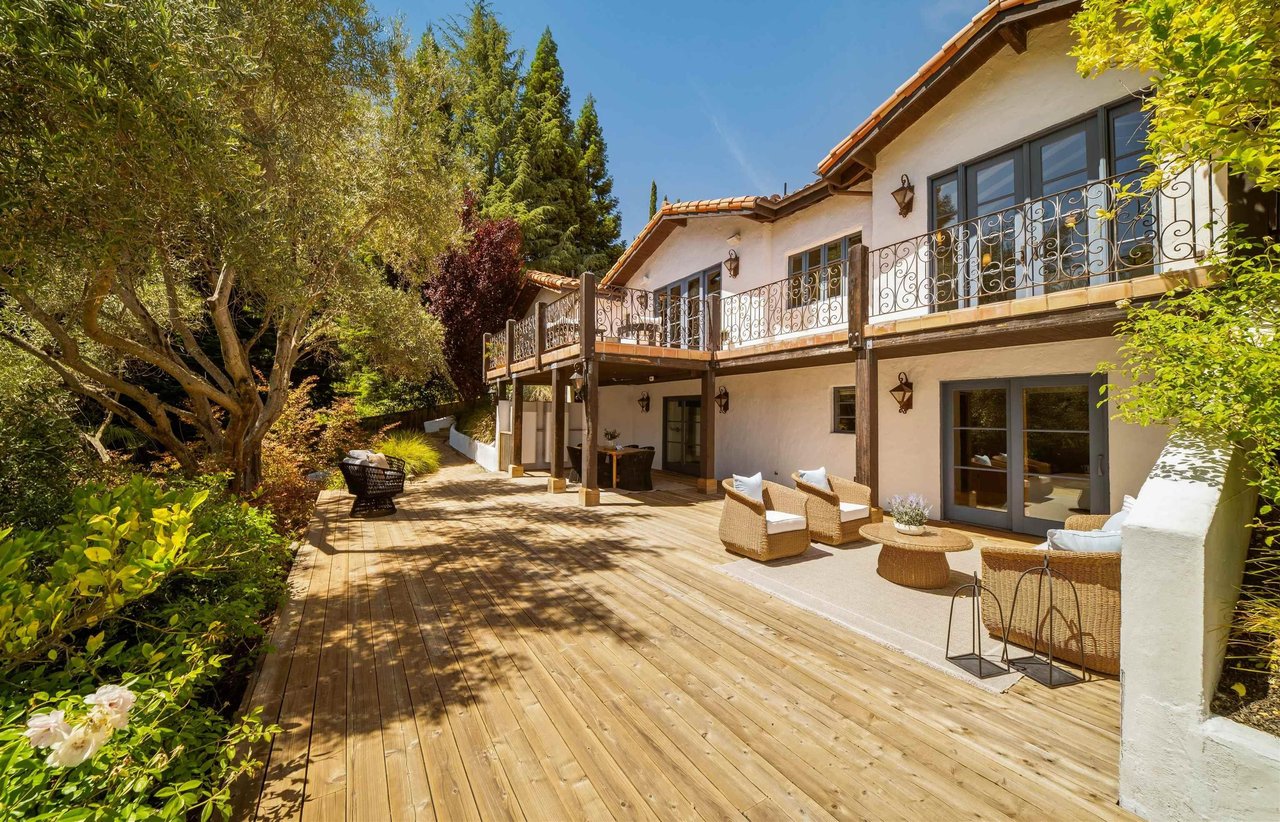
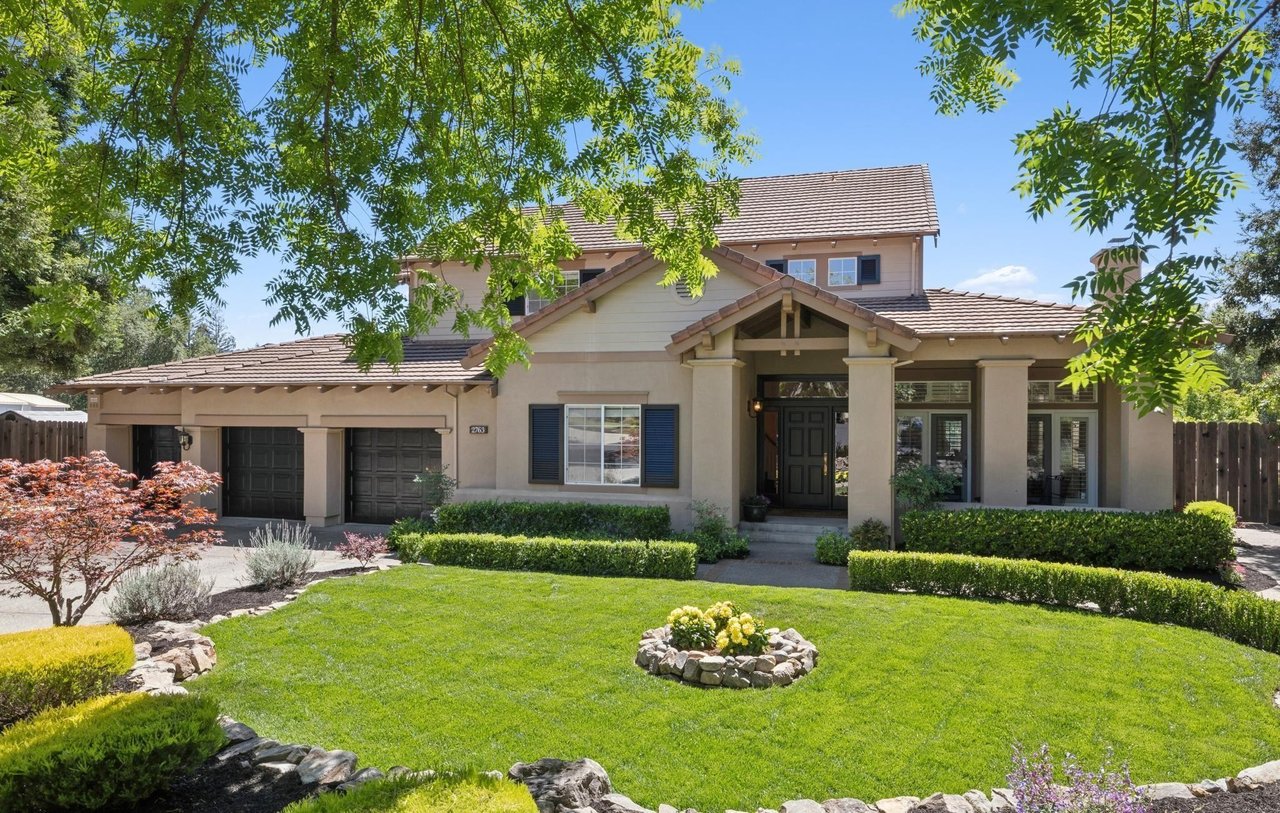
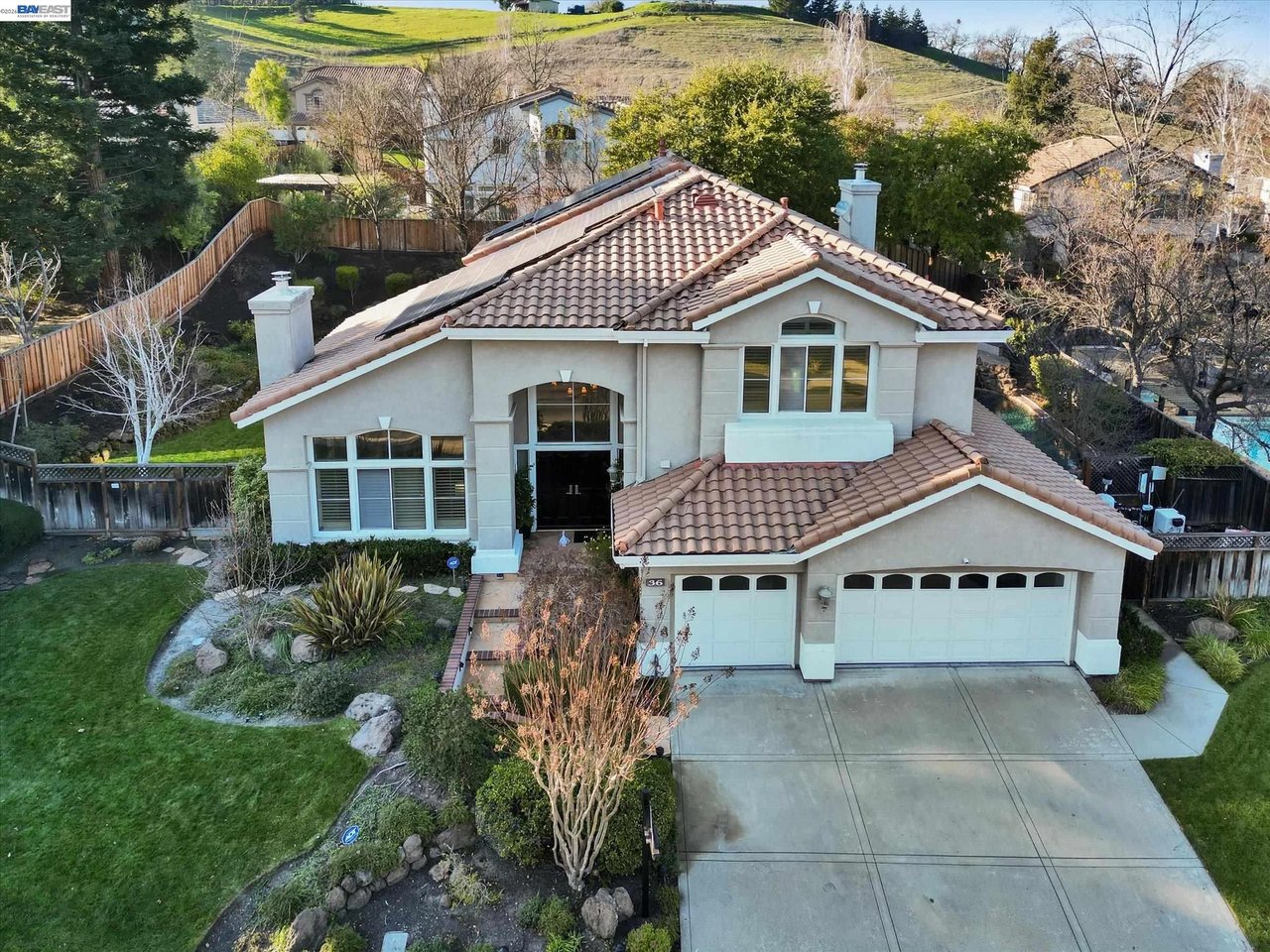
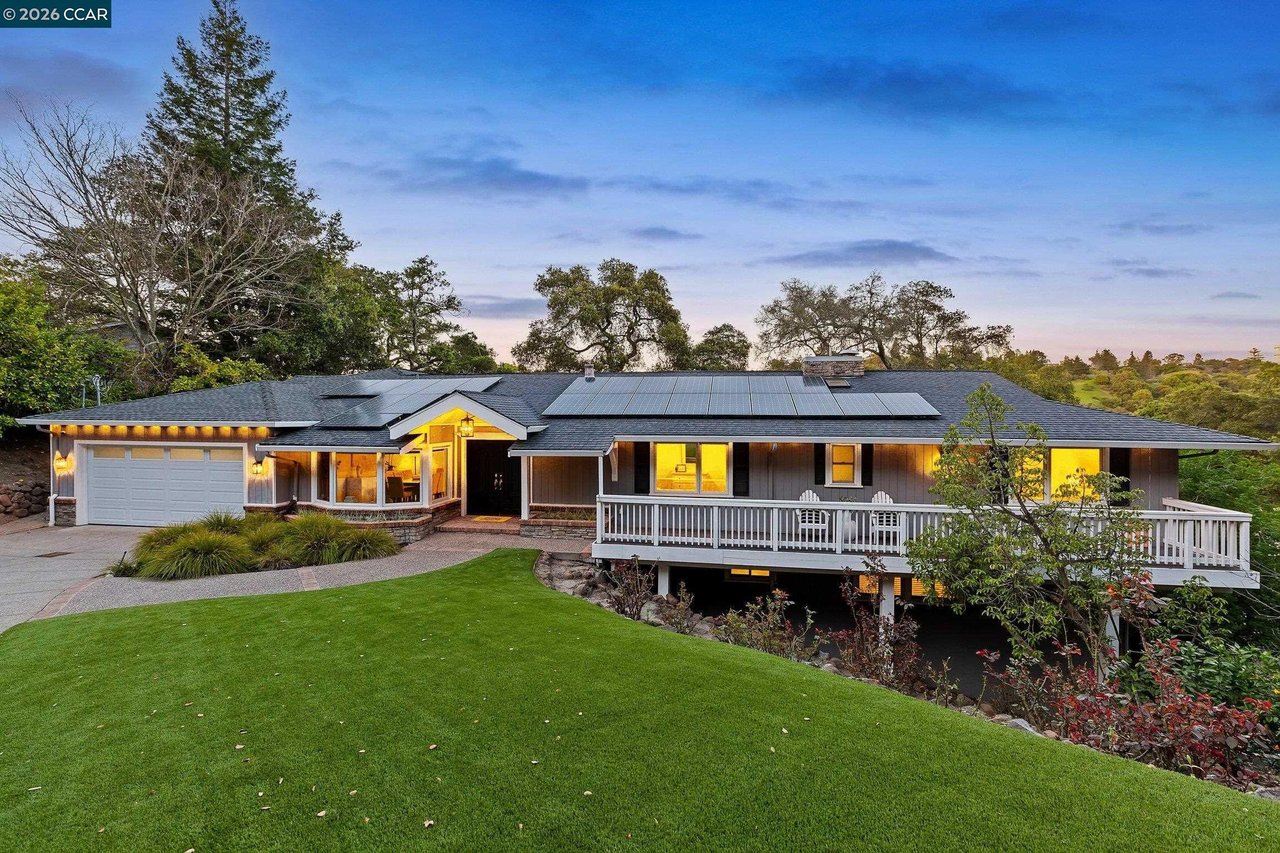
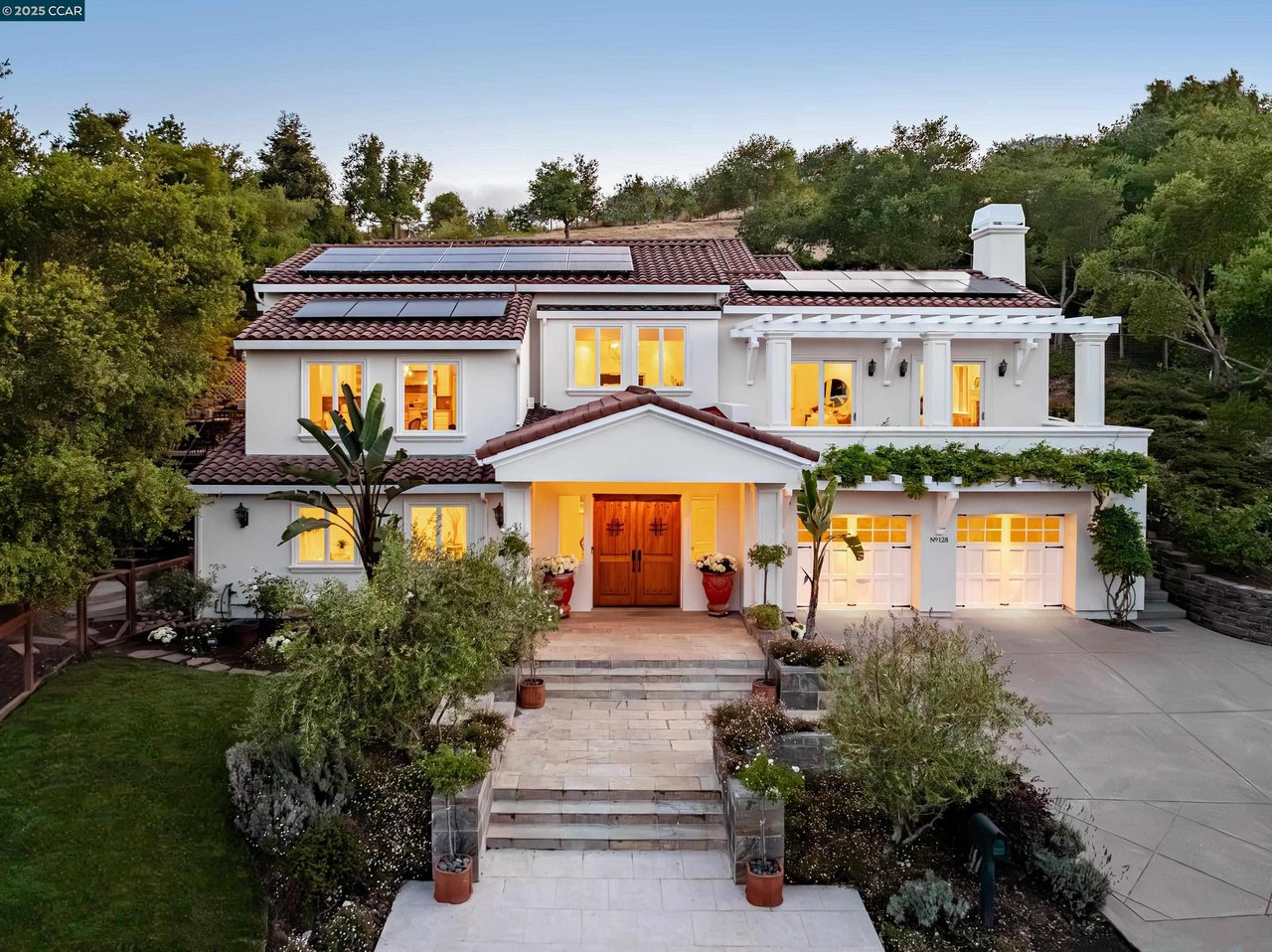
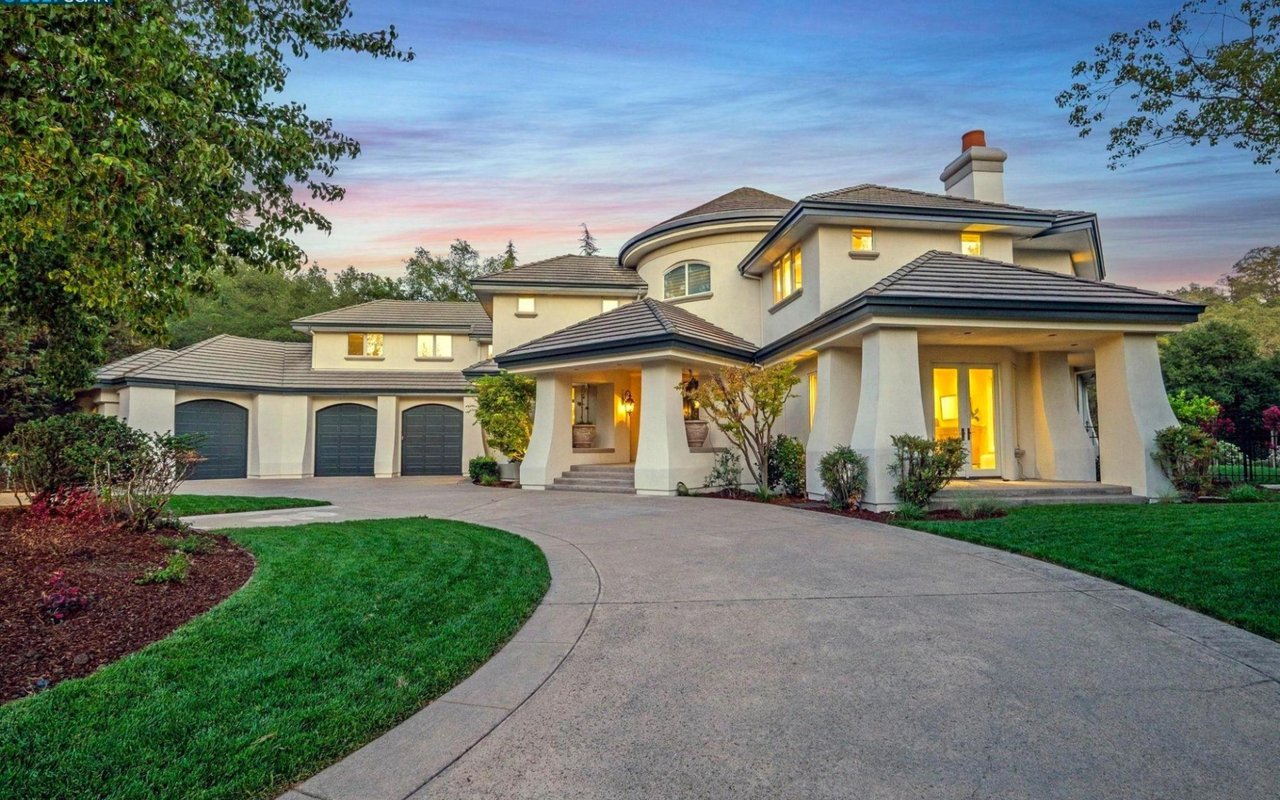
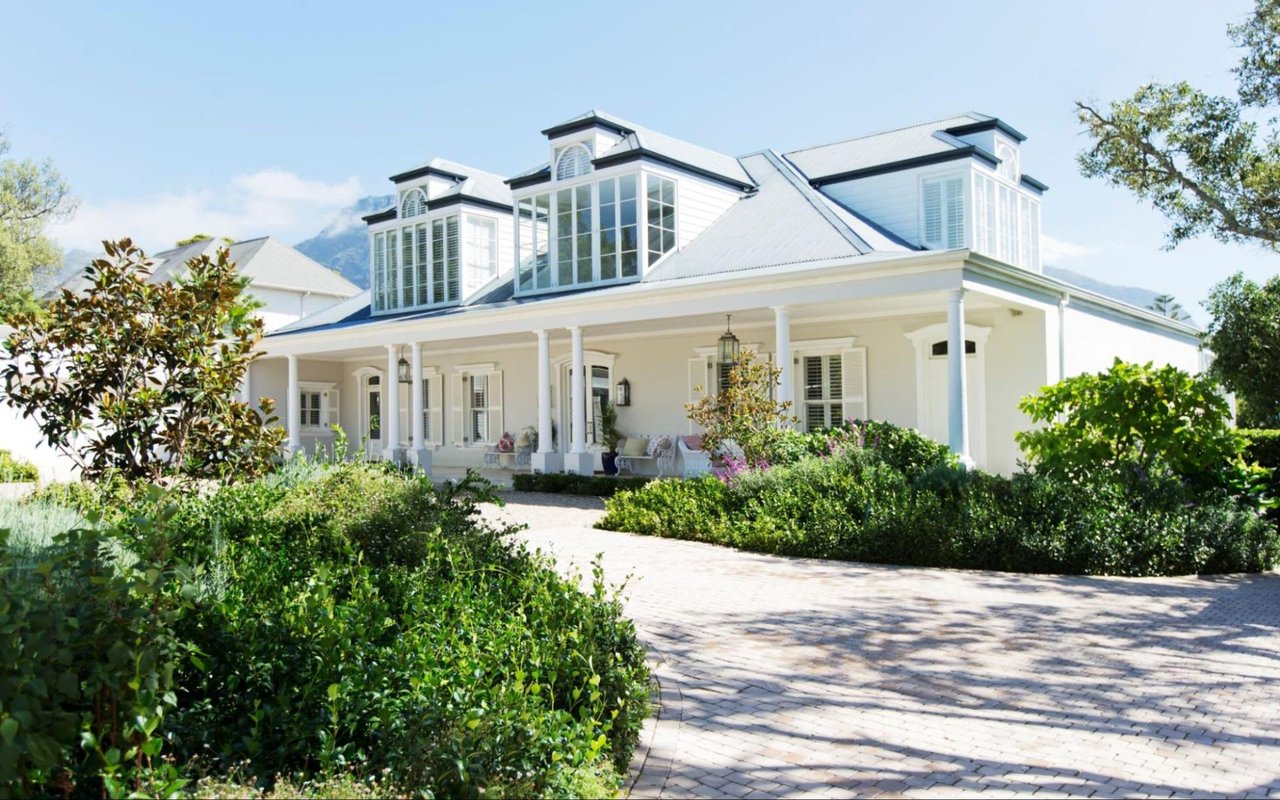
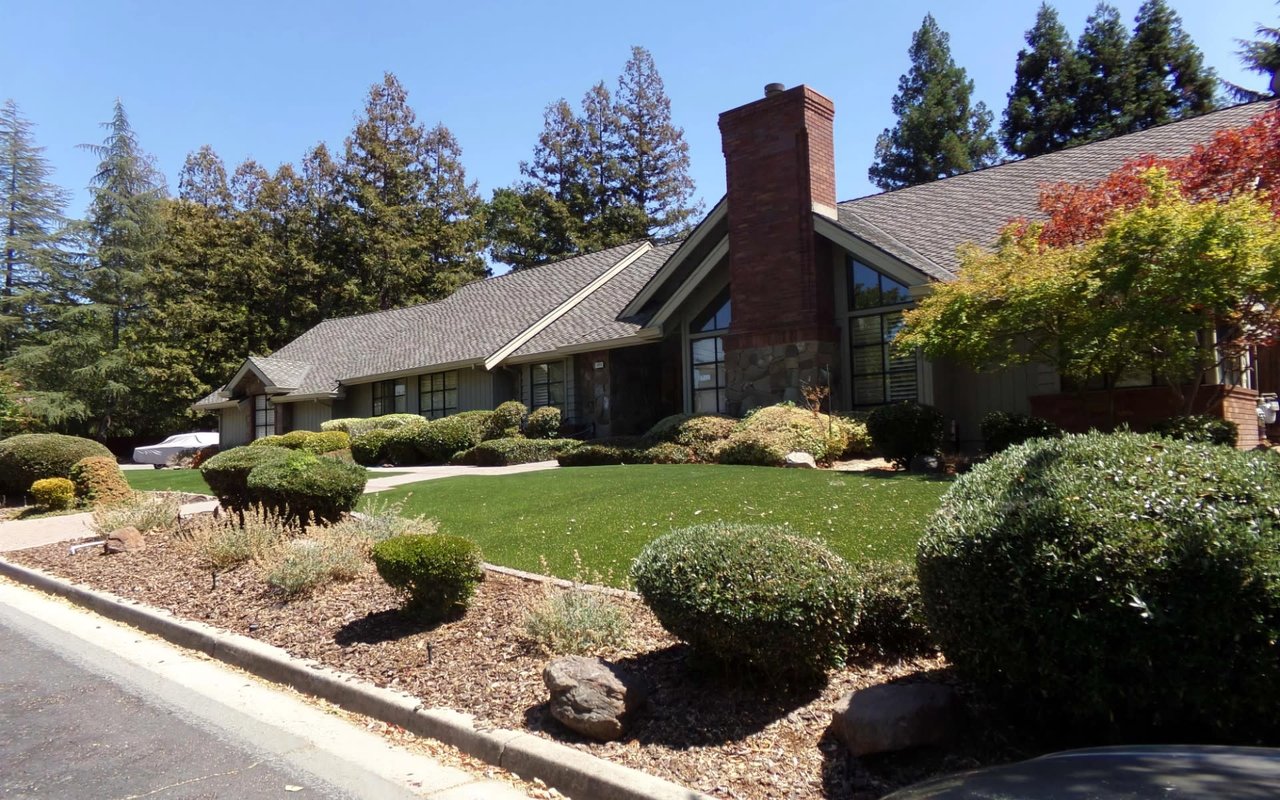
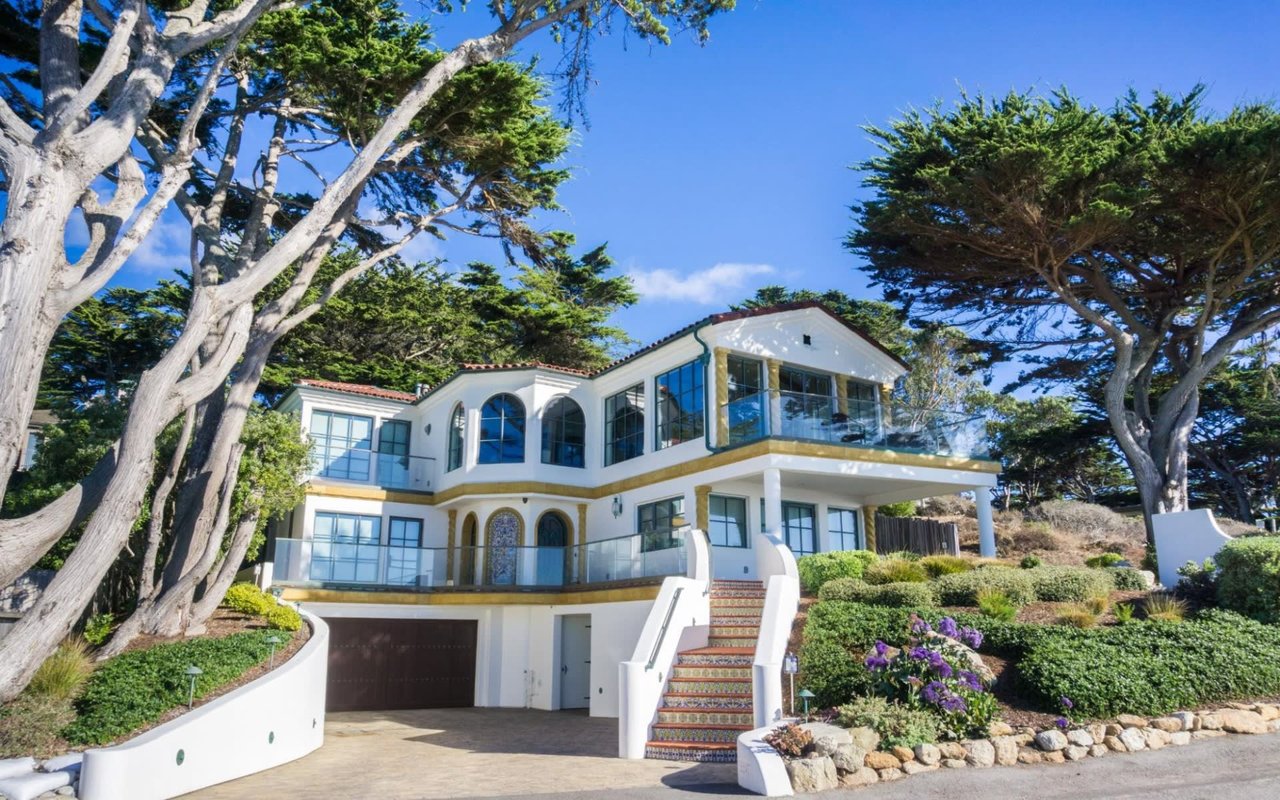
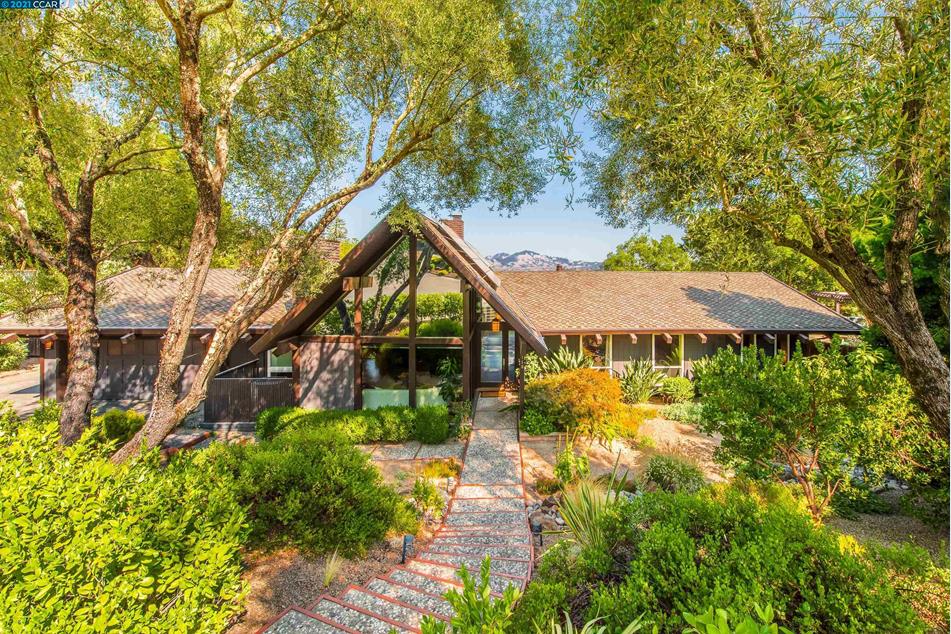
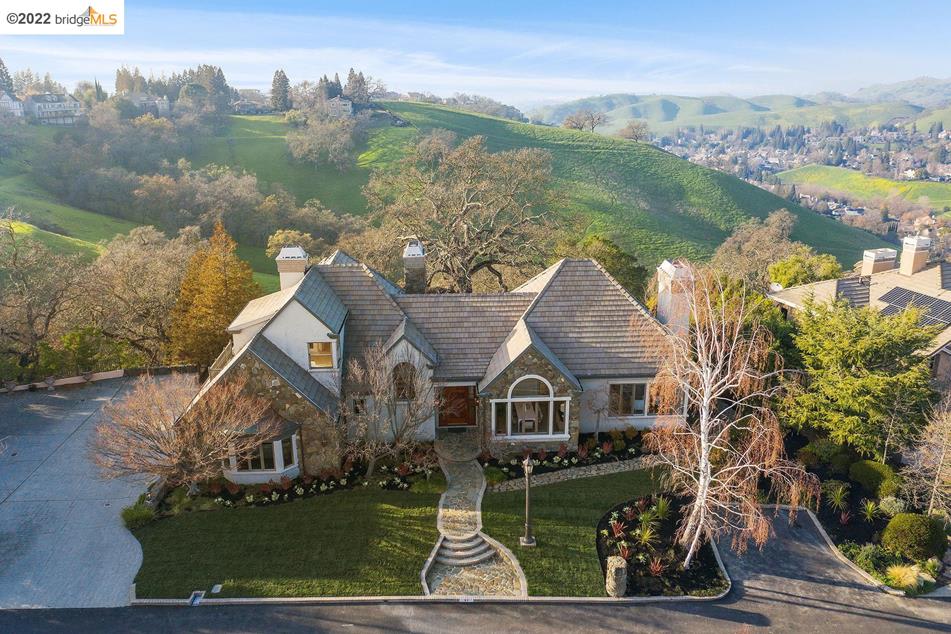
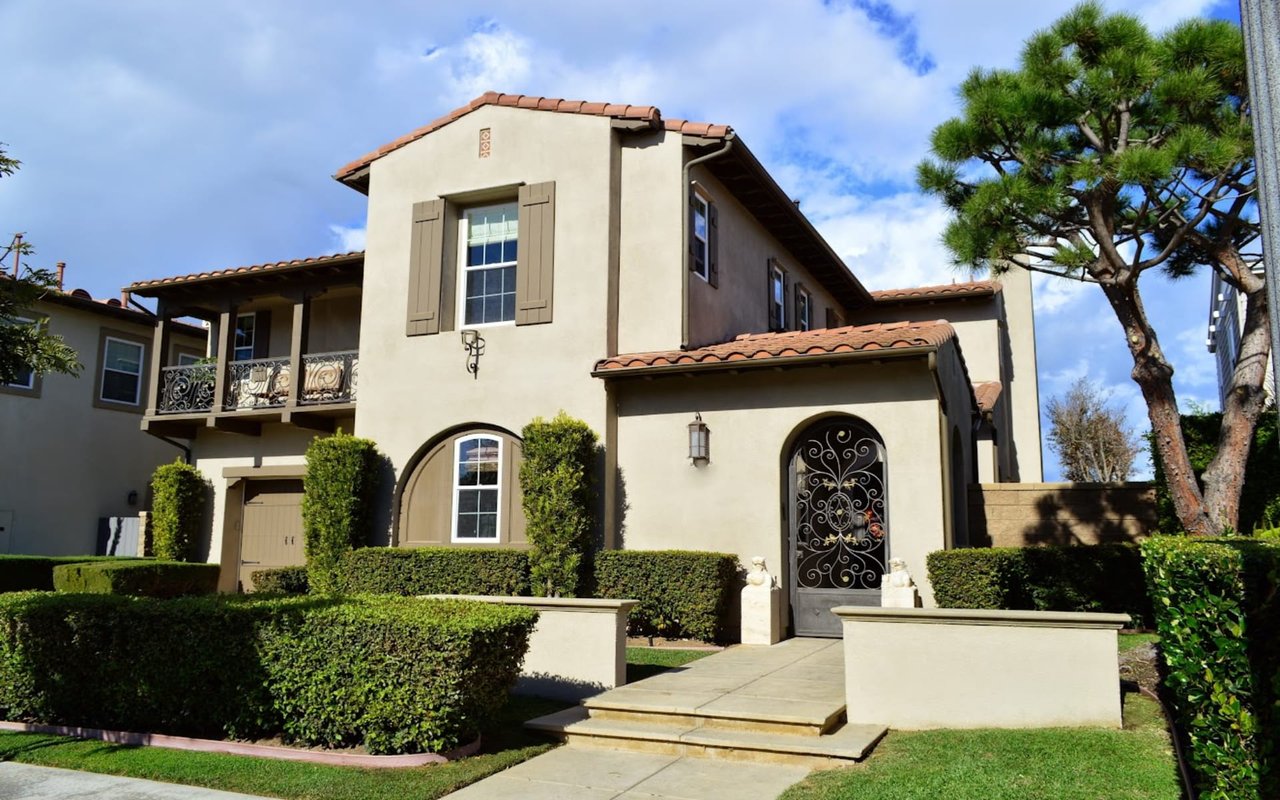
Alamo has some beautiful horse properties and large lot estates. Here's what the numbers look like right now. The average price per acre in Alamo is $256,250, based on current listings. You're looking at an average listing price of $13.7M across 39 properties currently for sale, that tells you exactly what kind of market you're in.
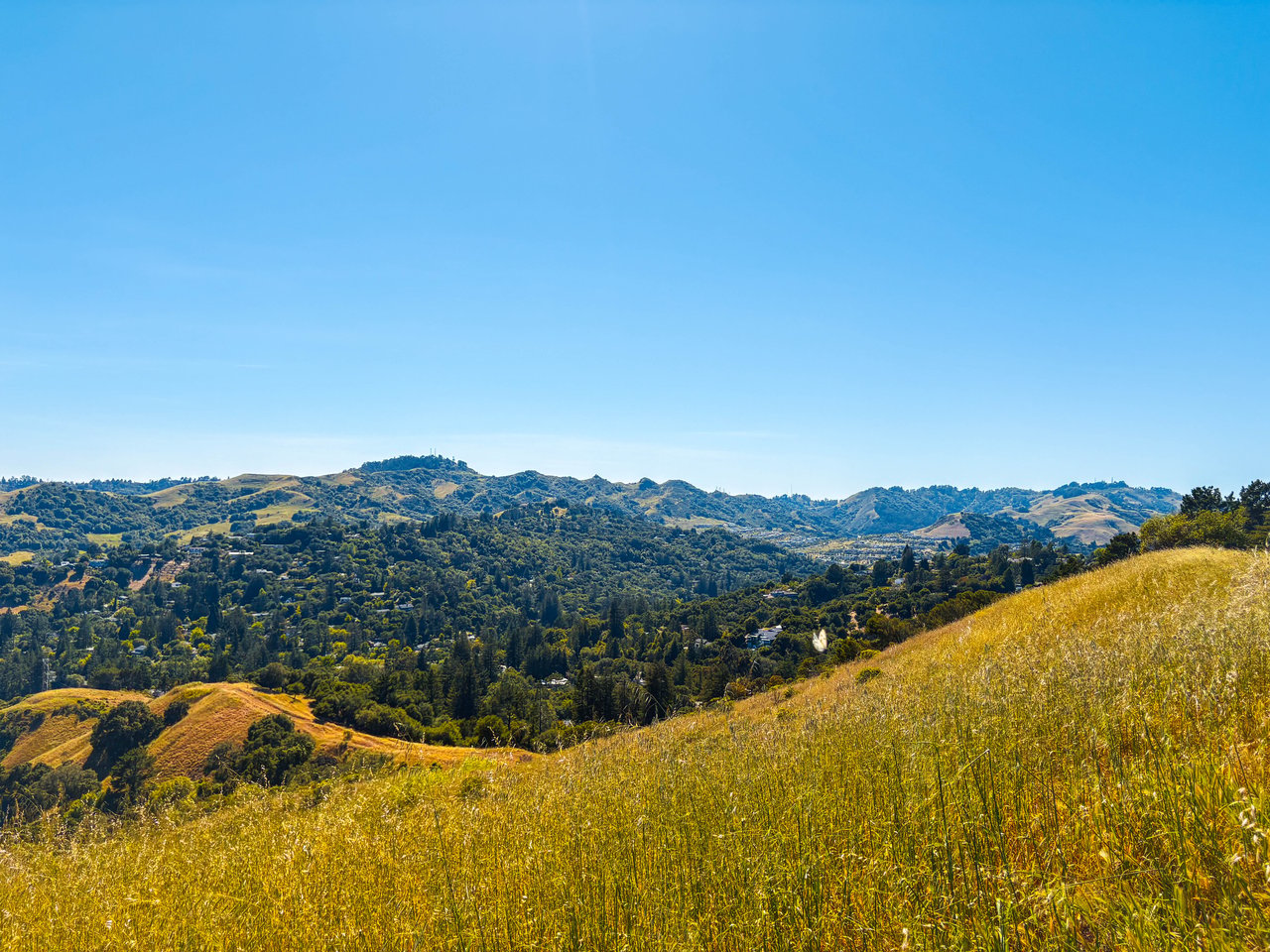
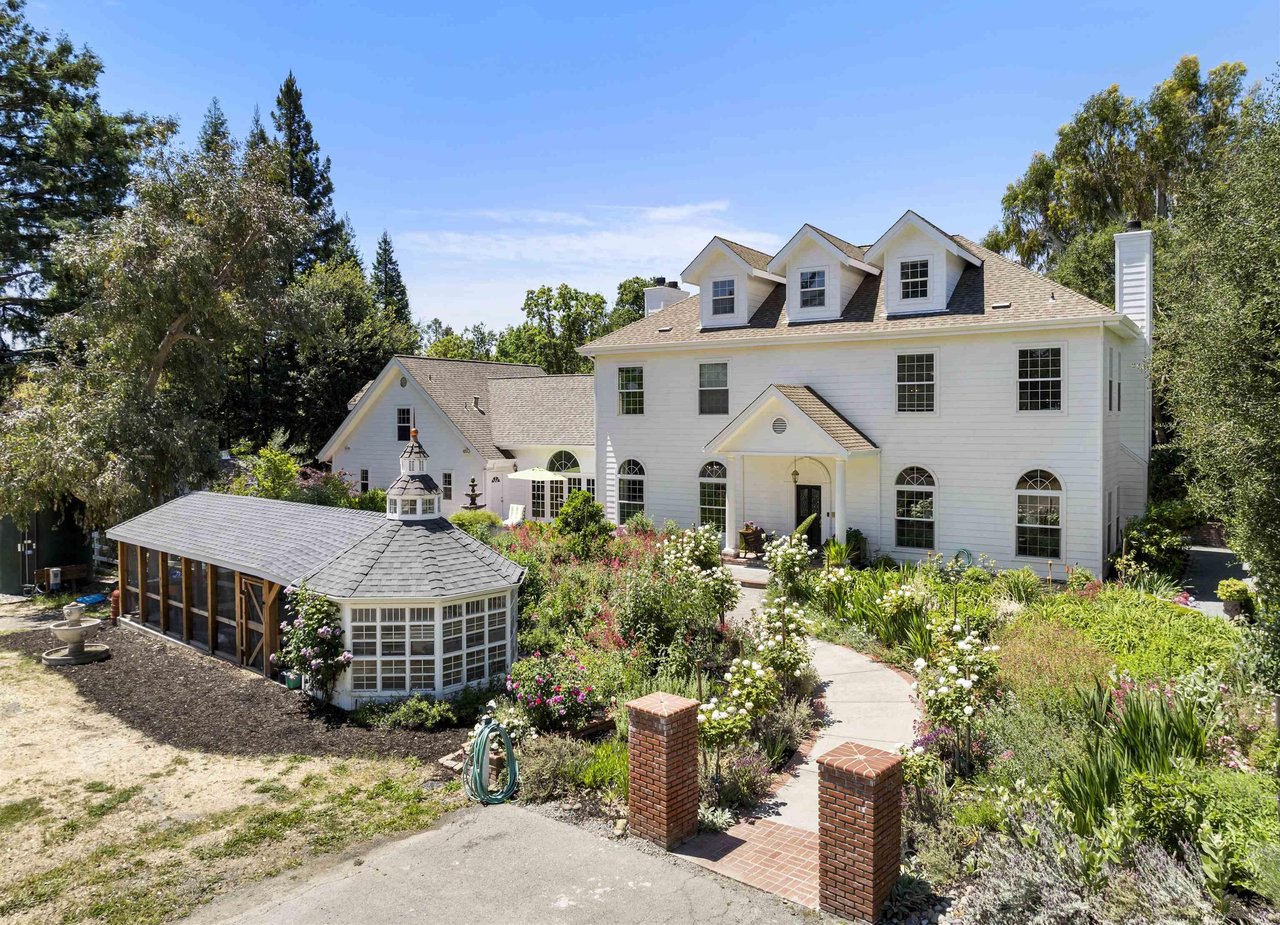
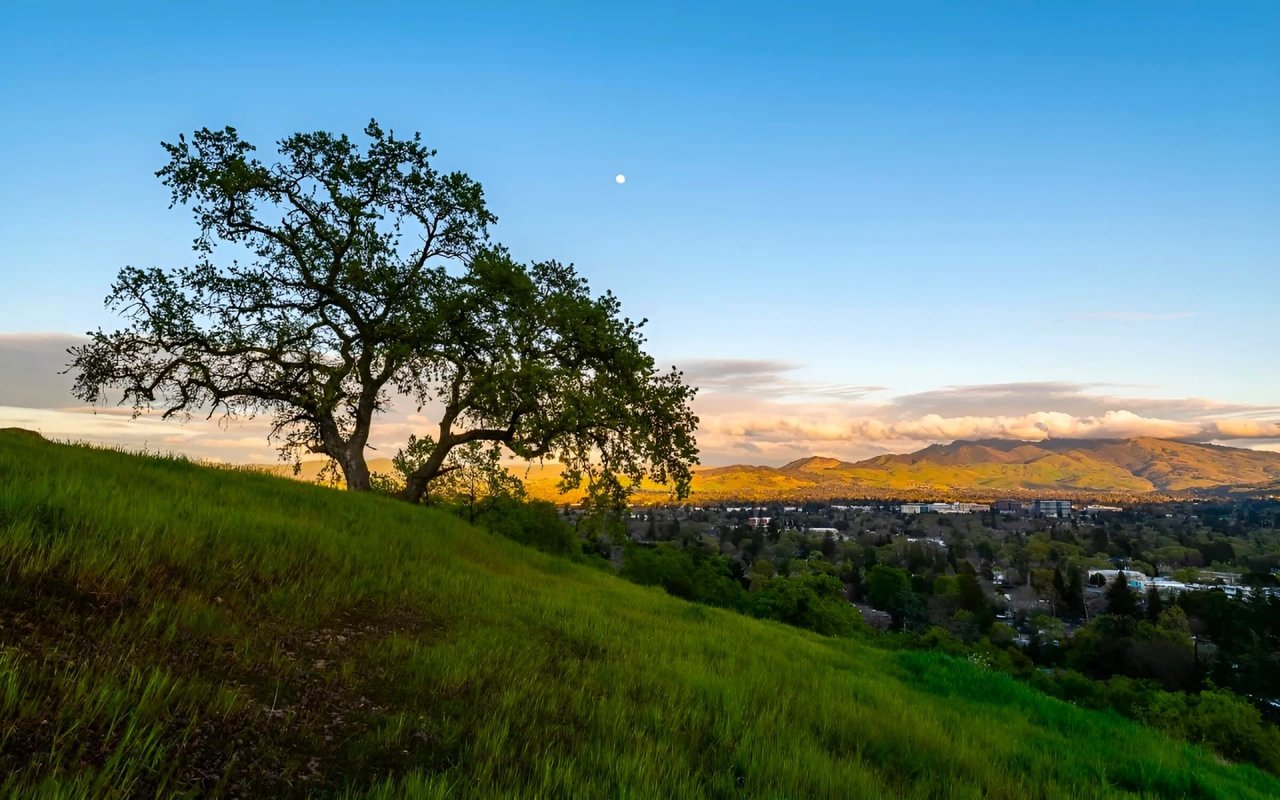
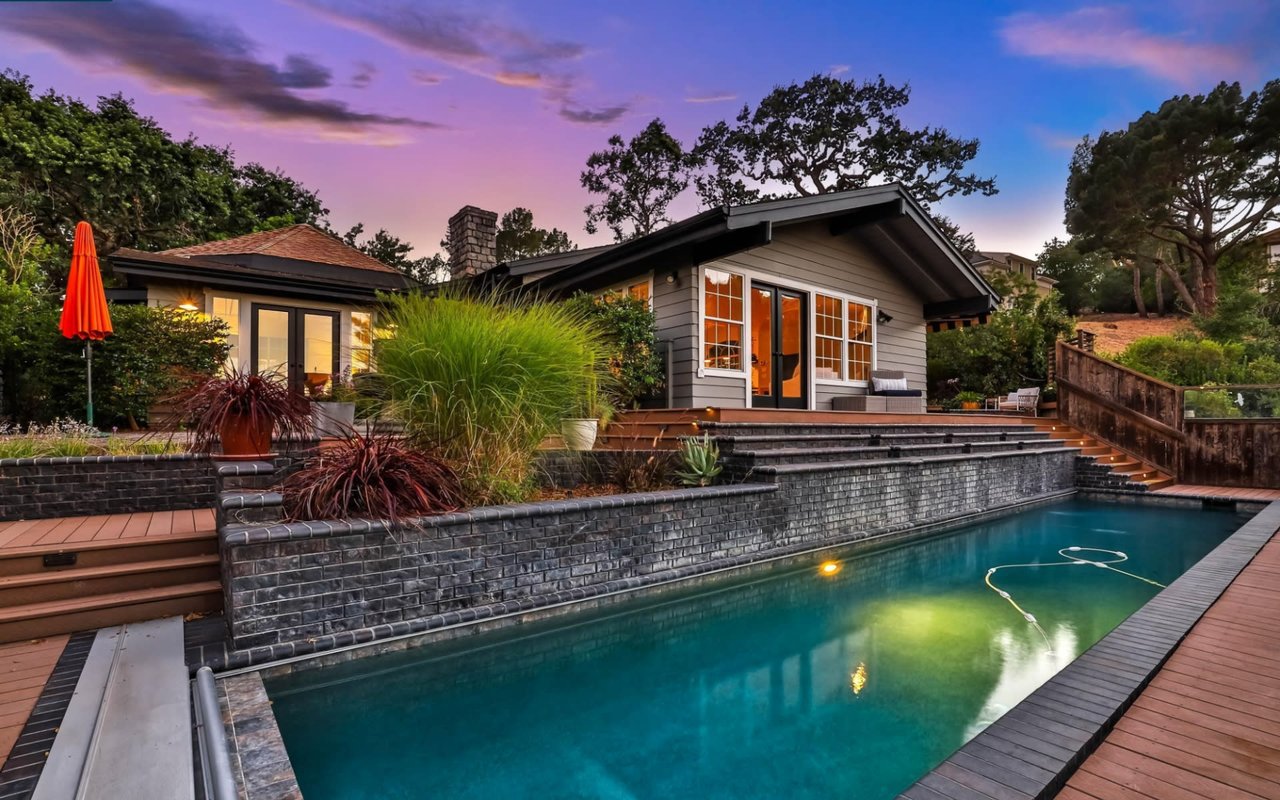
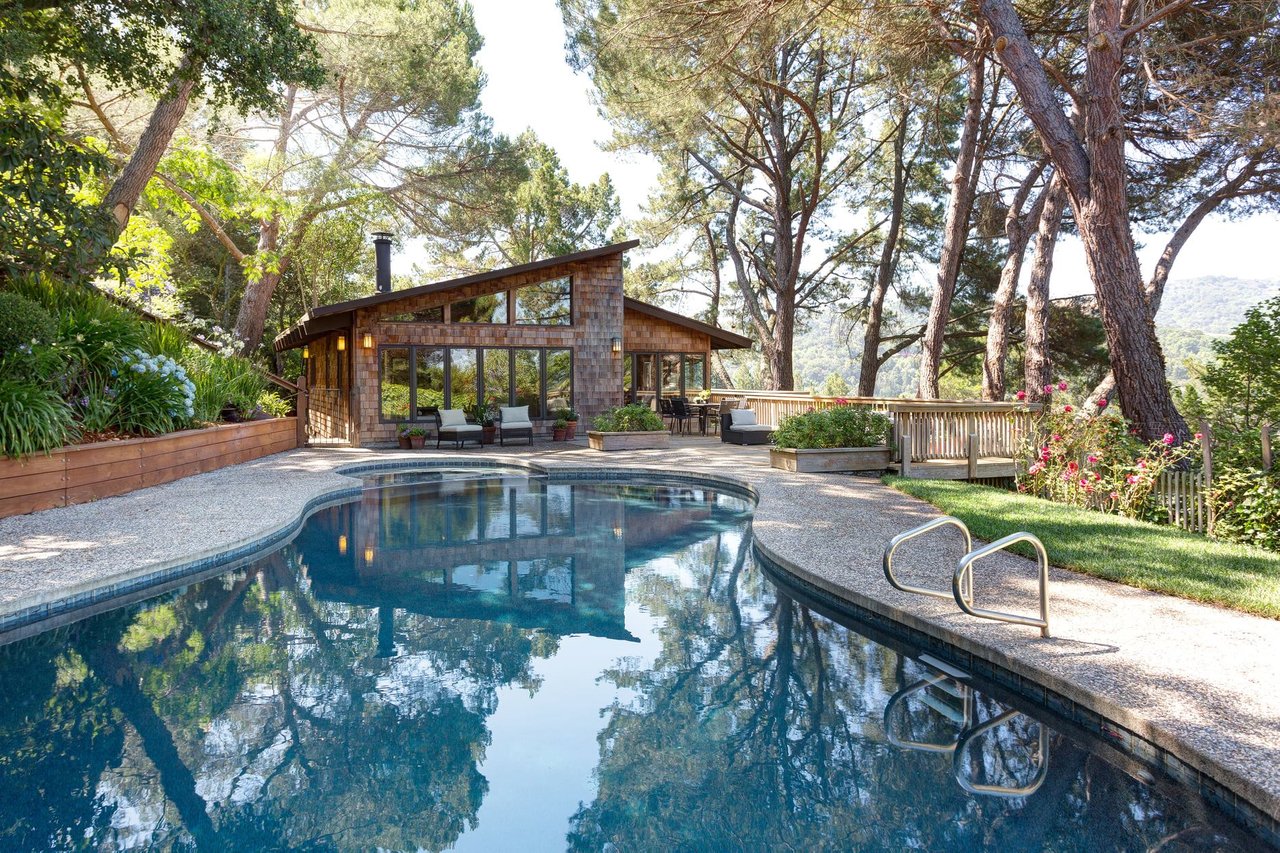
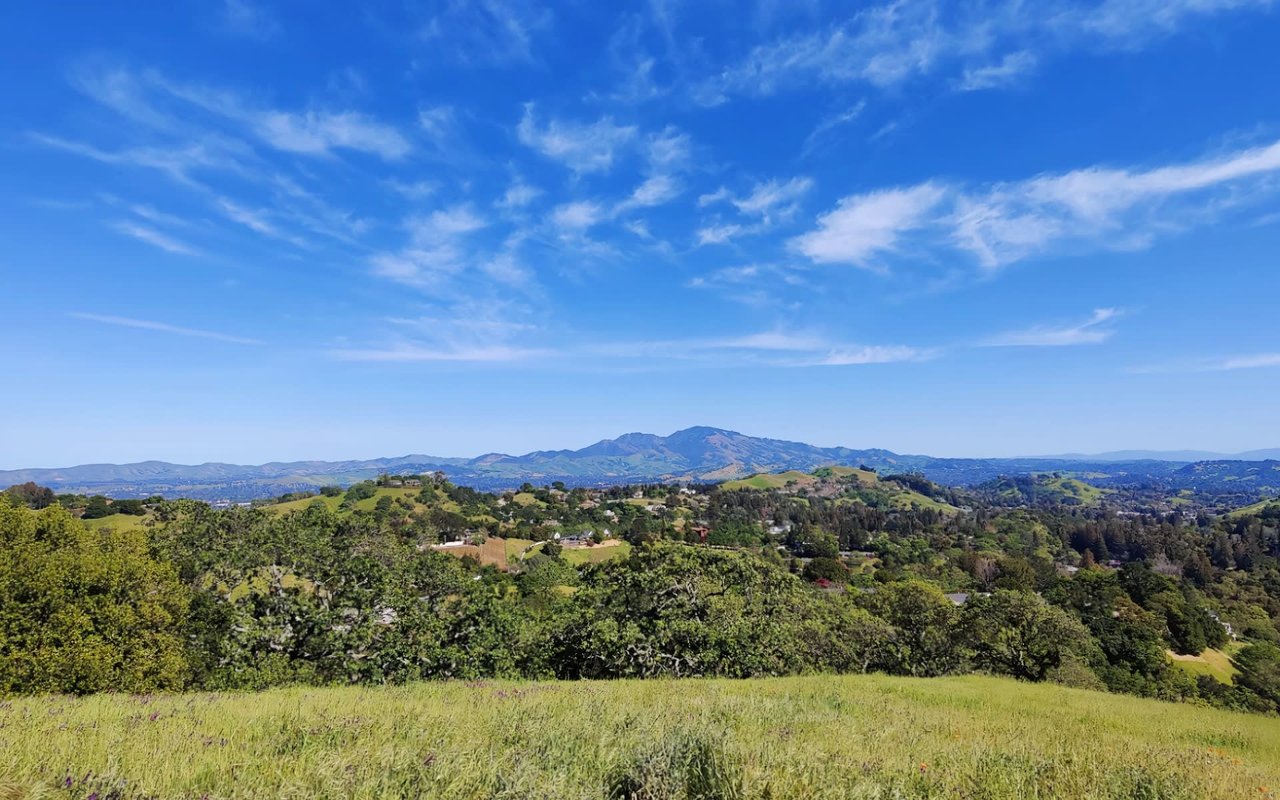
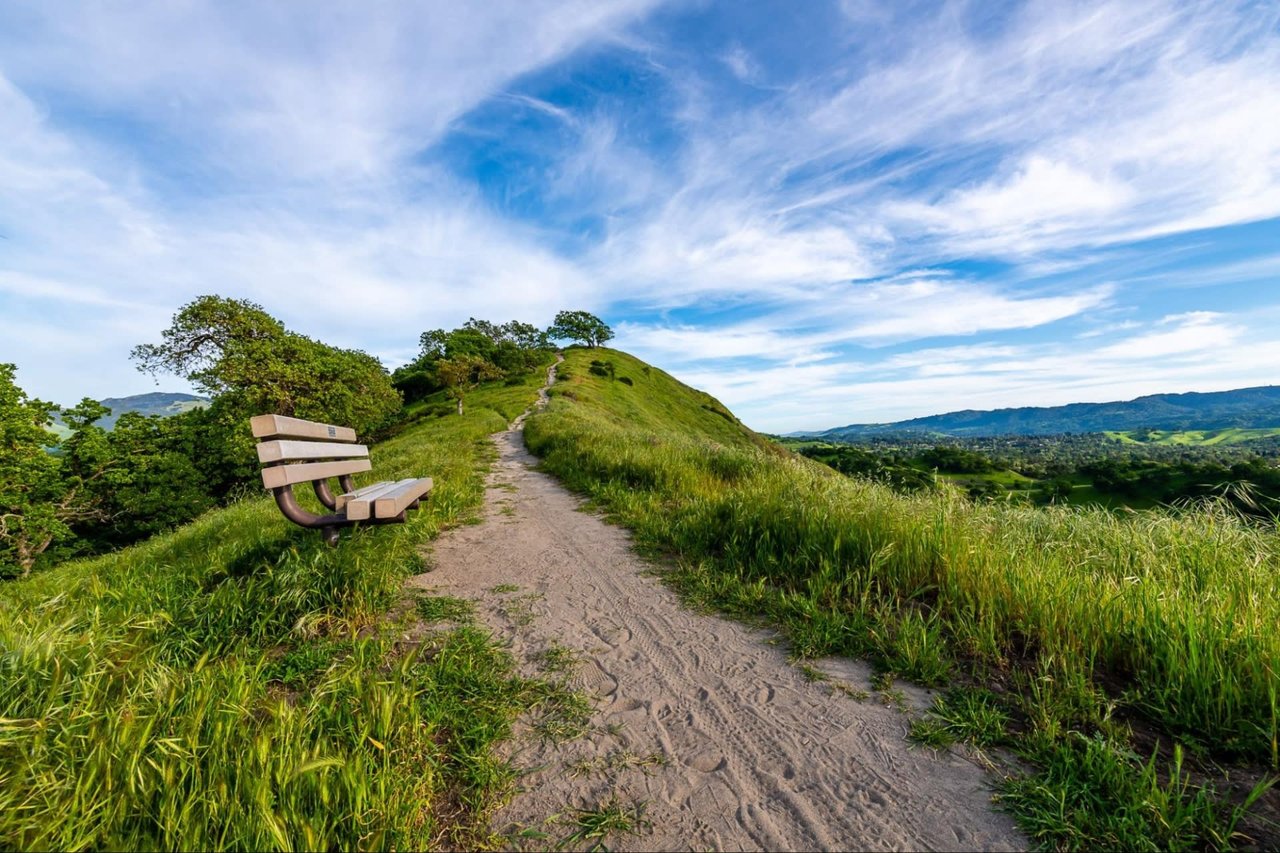
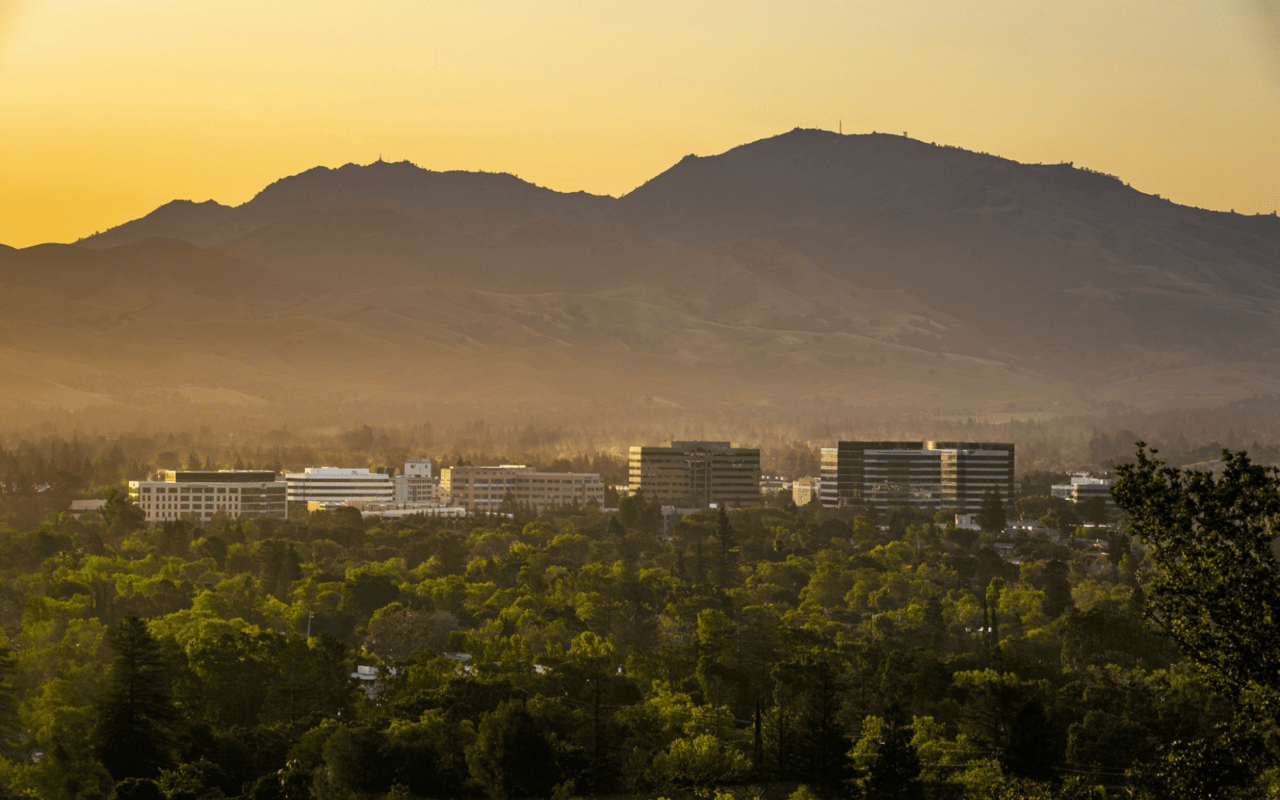
Typical Alamo horse properties range from small parcels under an acre to sprawling estates. Westside Alamo is especially known for estate properties with stunning views of the rolling foothills and Mount Diablo. You'll find oak studded lots and the kind of space your horses will actually love.
But here's the catch. Acreage alone doesn't mean you can legally keep horses. That's where zoning comes in, and most first time buyers get this wrong.
The Zoning Problem Nobody Talks About
Let me tell you a story I've seen play out more than once. A buyer falls in love with a gorgeous two acre property in Alamo. They write an offer. They close. Six months later they buy horses, build a barn, and then boom. A cease and desist letter shows up from the city.
Why? The property is zoned residential. And in standard residential zones, horses count as livestock. Just owning dirt doesn't automatically give you the right to use it for your horses.
Both Alamo and Danville have zoning ordinances that spell out what land uses are allowed where. You need to verify before you buy whether your specific parcel permits horses. Danville's Planning Department can help you search the GIS map by parcel number. Just ask them.
Some properties have an Animal Keeping Overlay. Others are zoned agricultural, which automatically allows equestrian use. And some are strictly residential with no horses allowed. The difference between these is enormous, and you cannot figure it out just by looking at the property.
Horse Per Acre Requirements
California municipalities usually follow this rule of thumb. One horse per 10,000 square feet of usable lot area. That works out to roughly two to four horses per acre, depending on your specific city code.
This isn't just a suggestion. It's a municipal requirement. If you want five horses on a two acre parcel and the code says four, you're in violation. And code enforcement doesn't negotiate.
You absolutely need to know how many animals your property is legally allowed to have before you buy it. That single number determines whether the property works for you or not.
Stable Permitting and Distance Requirements
If the property doesn't have a barn and you want to build one, you need a stable permit. That's a whole separate approval process from zoning.
Stables have specific requirements. They usually need to be set back a certain distance from neighboring properties and street frontage. Think 20 to 100 feet depending on your zone. You also need proper drainage, waste management, and ventilation.
I've seen beautiful properties that simply don't allow stables because of setback requirements or neighbors being too close. Another surprise nobody wants after closing.
HOA Restrictions on Horse Properties
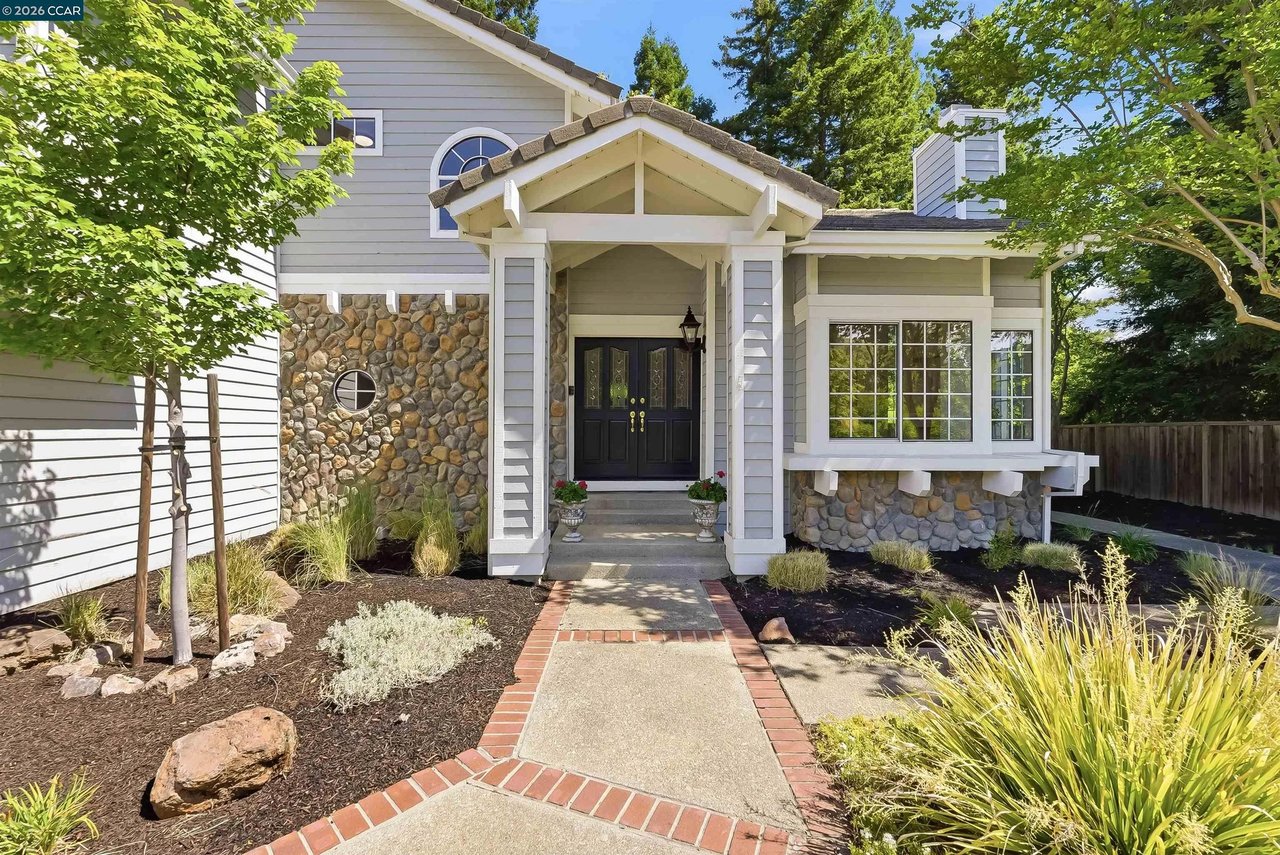
Some equestrian properties sit inside HOA communities. Blackhawk, which includes parts of Danville, allows horses in certain areas. But they have strict rules about facilities, maintenance, and how things look.
Always review the CC&Rs and the HOA approval process before you buy. Some HOAs prohibit commercial horse operations. Some limit the number of animals. Some have very specific rules about what your barn and fencing can look like.
What the Market Actually Looks Like
Danville has active horse training and boarding facilities with 15+ acre properties. We're talking indoor and outdoor arenas, round pens, and full equestrian infrastructure.
Alamo has a strong equestrian community with great trail access and veterinary support. That's why serious horse owners love it here.
Both markets attract serious equestrian buyers who understand the complexity of owning horse properties. The casual buyers who skip their homework usually don't last long.
Before You Make an Offer
Get a zoning verification letter from the city. Call the Planning Department and ask about Animal Keeping Overlays on your specific property. Review any stable permitting requirements. Check whether the property is in an HOA and read the horse related restrictions.
These steps take maybe a week. And they can save you from six figure mistakes.
Want to talk through whether a specific property actually allows horses, Or want to understand the real costs of equestrian properties in Alamo or Danville? That conversation saves time and money.