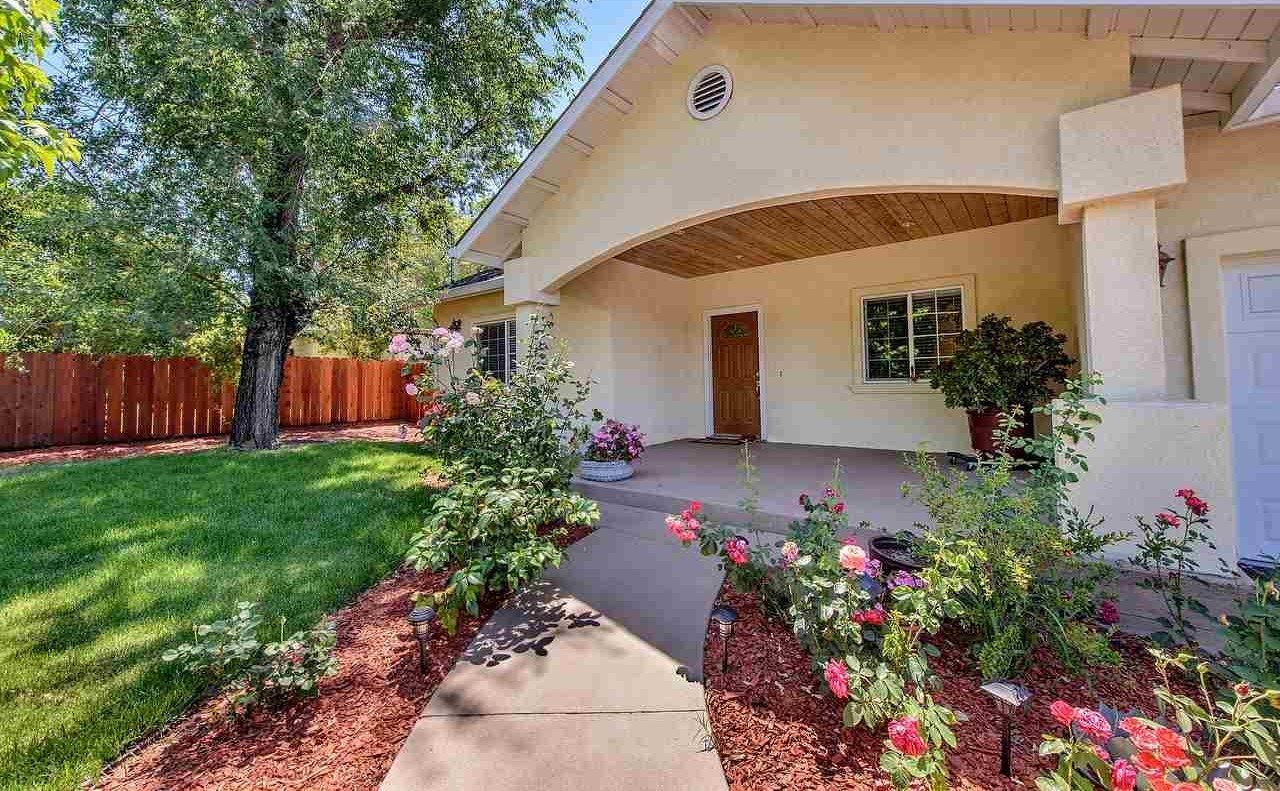
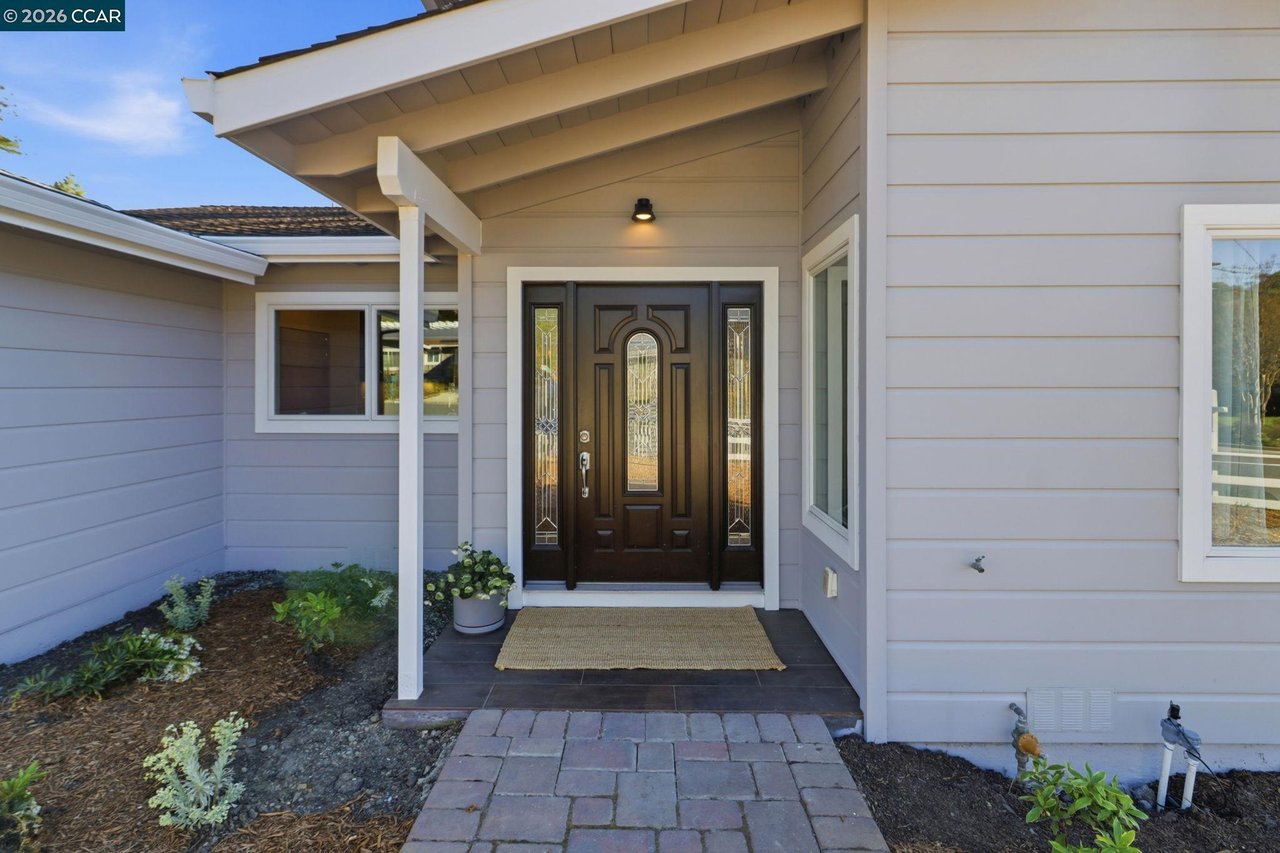
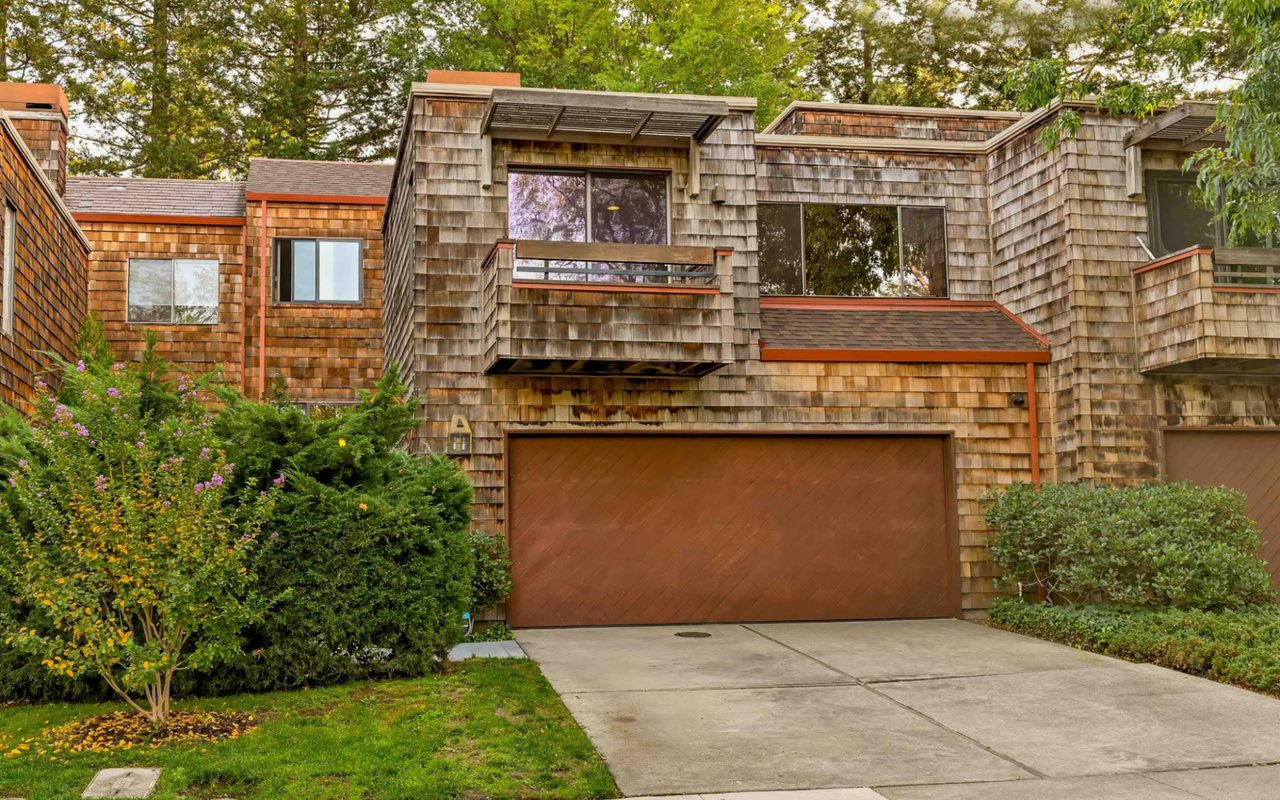
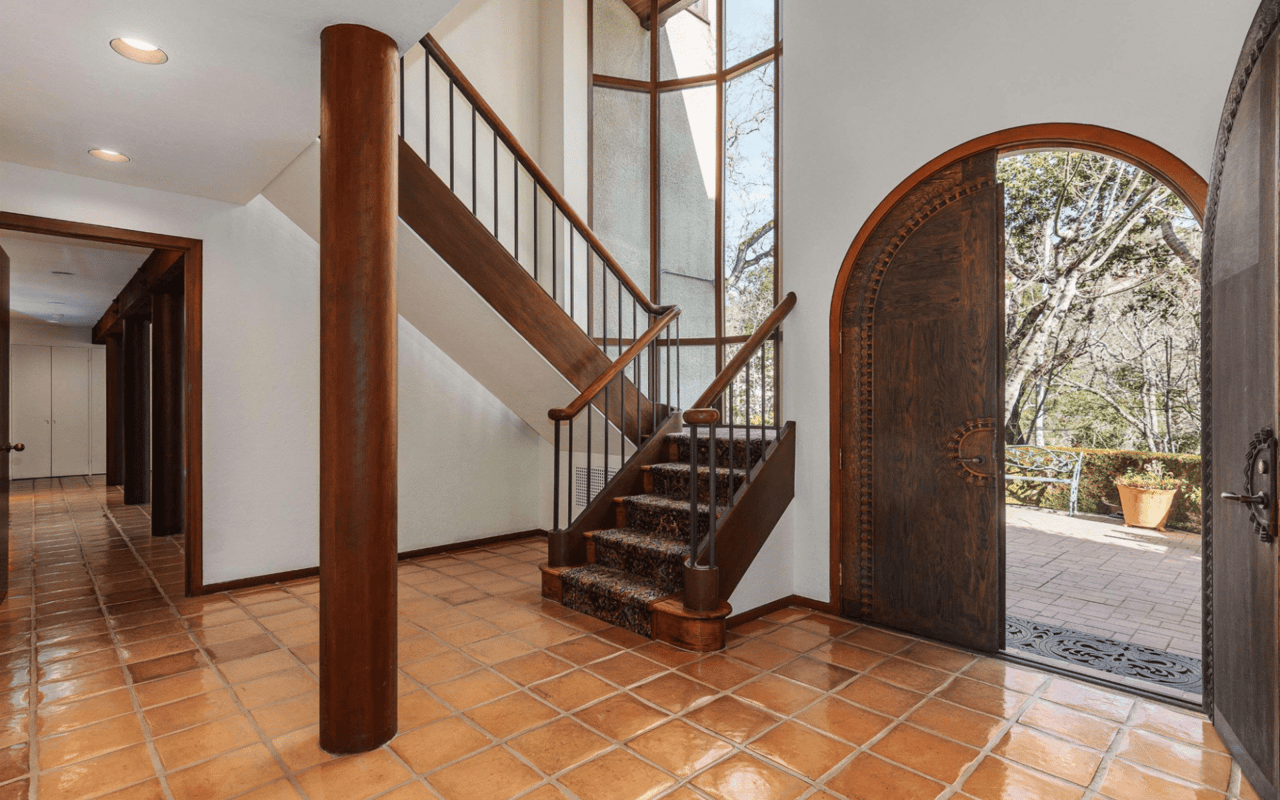
You are touring a home in Lafayette that looks perfect, with a beautiful addition, a remodeled kitchen, and a finished basement. Then your inspector pulls the permit records and finds nothing, with no permits issued ever. The seller shrugs and says the previous owner did that years ago and insists it is fine.
It is not fine, and this situation is way more common in East Bay older housing stock than most buyers realize.
Unpermitted work does not just create problems later, it creates problems that cost money, kill refinances, and void insurance policies. This is why pulling permit records before you make an offer is not optional, it is absolutely essential.
How to Pull Permits in Your Specific City
Lafayette, Orinda, and Moraga (All Use Contra Costa County):
Go to Public Works Permits. Search by property address. You'll see permit history dating back to 1980 to present. Free. Public. Takes five minutes.
Danville (Incorporated City):
Contact the Permit Center at (925) 314-3330 or visit Permit Center / Danville. For planning questions: (925) 314-3310. Address: 500 La Gonda Way, Danville, CA 94526. All permit applications accepted online through their portal.
Walnut Creek (Incorporated City):
Contact Building Permits at (925) 943-5834 or Planning & Zoning at (925) 256-3558. Visit Building Permits | City of Walnut Creek. All permits must be submitted online through their portal: Online Permit portal. Address: 1666 North Main Street, 2nd Floor, Walnut Creek, CA 94596.
What Unpermitted Work Actually Costs You
Insurance Nightmares:
Your homeowner's insurance can deny claims related to unpermitted work. If a fire is traced to unpermitted electrical work, your claim can be denied. If structural failure occurs in an unpermitted addition, that claim can also be denied. If an insurer discovers unpermitted work during any claim investigation, they can cancel your entire policy rather than just the relevant claim.
Refinancing Roadblocks:
When you try to refinance your home, the lender orders an appraisal and the appraiser compares your home's current layout against county records. If a mismatch is found, unpermitted square footage does not count toward value, so you get a lower appraisal and your refinance does not work. Your lender may walk entirely because they will not finance a home with unpermitted structures.
Fines and Retroactive Permits:
If code enforcement discovers unpermitted work, you face initial fines of $350 to $600. If the issue is not fixed within 30 days, that amount jumps to $1,200 to $1,500. In the worst case, fines escalate to $1,000 per day. Retroactive permitting costs two to three times what the original permit would have cost because inspectors now need to open walls, verify hidden work, and often require corrective measures. The total cost for a garage conversion or room addition can range from $8,000 to $50,000 or more.
Liability Exposure:
If someone is injured in an unpermitted area, such as a visitor falling through a substandard deck or an electrical fire starting in an unpermitted room, you face personal liability. Your insurance will not cover it, and you will have to pay out of pocket.
When You Find Unpermitted Work: Negotiation Strategies
You should not panic and you should not walk away immediately. Unpermitted work is fixable, but you need to understand the cost and negotiate accordingly.
Option 1: Require the Seller to Fix It Before Closing
You can make your offer contingent on the seller obtaining retroactive permits and clearing any violations. This shifts liability and cost back to the seller, and most sellers will not want to deal with it, which gives you negotiating power.
Option 2: Price Adjustment
You can have the buyer offset the cost of retroactive permitting. If legalization will cost $15,000, you can reduce your offer by $20,000 to account for hassle and risk. This covers your costs and protects you from surprises.
Option 3: Walk Away
If unpermitted work is extensive or structural, walking might be the safest choice. FHA and VA loans will not finance homes with significant unpermitted modifications, and your lender might refuse financing entirely. The risk-to-reward math simply does not work in that situation.
Before You Make an Offer
You should check permits before making an offer. It takes five minutes online, and if you find unpermitted work, you should get a contractor estimate for retroactive permitting. Then you can decide whether to adjust your offer, require the seller to fix it, or keep looking.
Buyers who discover unpermitted work after closing have almost no recourse. Sellers have a legal obligation to disclose known defects, but if you did not ask and they did not volunteer, proving nondisclosure is expensive and difficult. You do not want to be that buyer.
Want help understanding permit records for a specific property in Lafayette, Orinda, Moraga, Danville, or Walnut Creek? I can pull the history with you and explain what you are looking at. Let's talk before you make an offer.
-Kelly