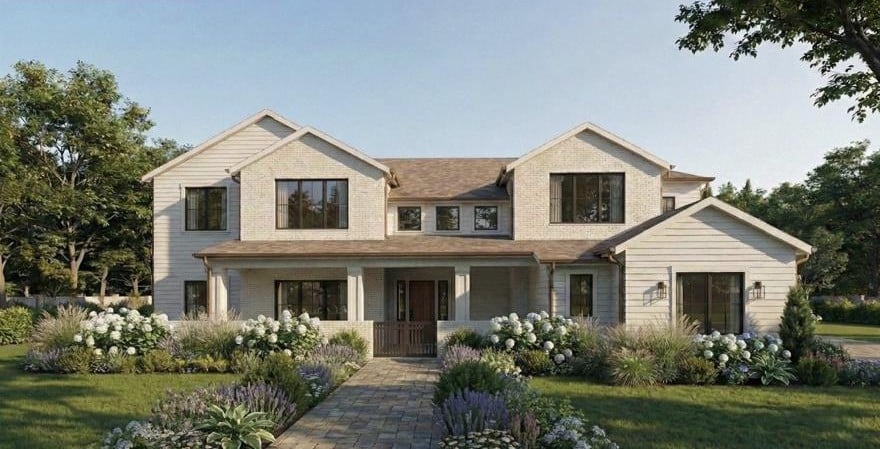
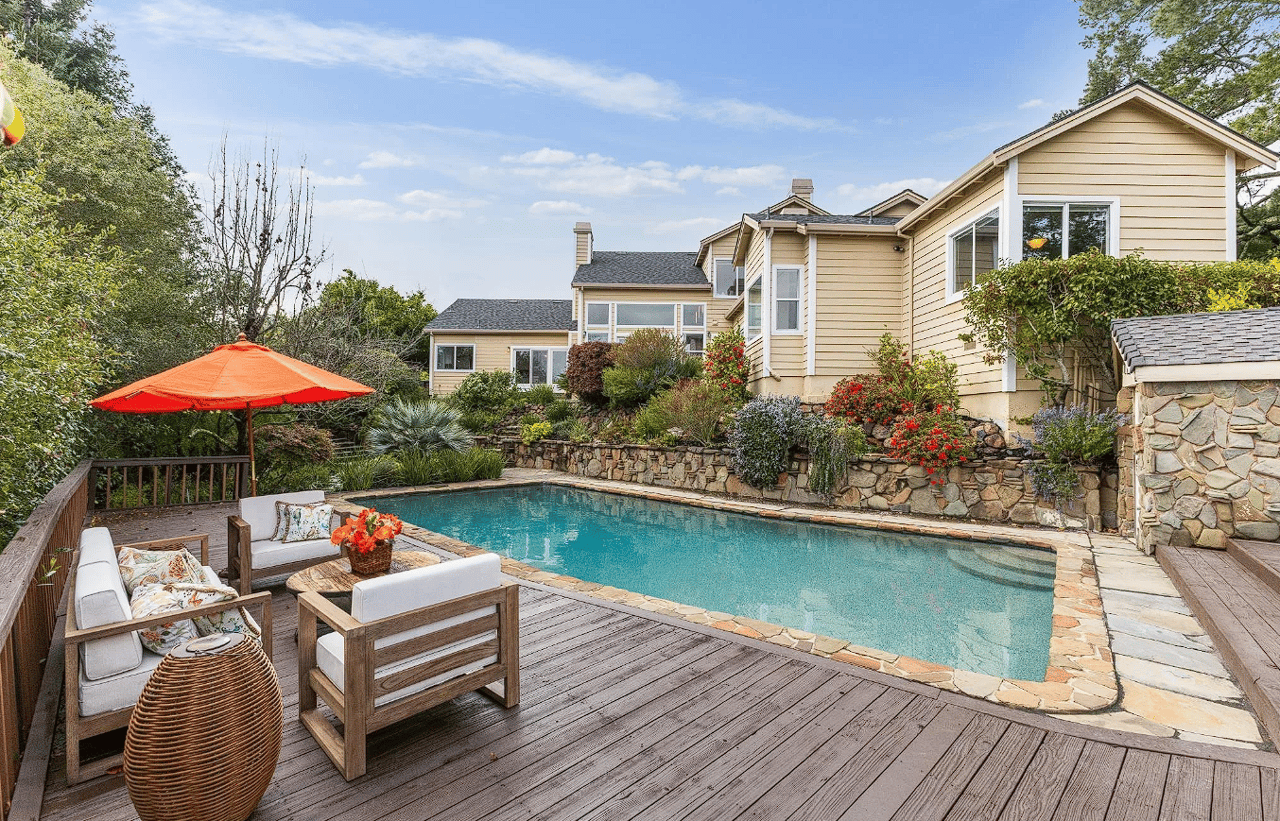
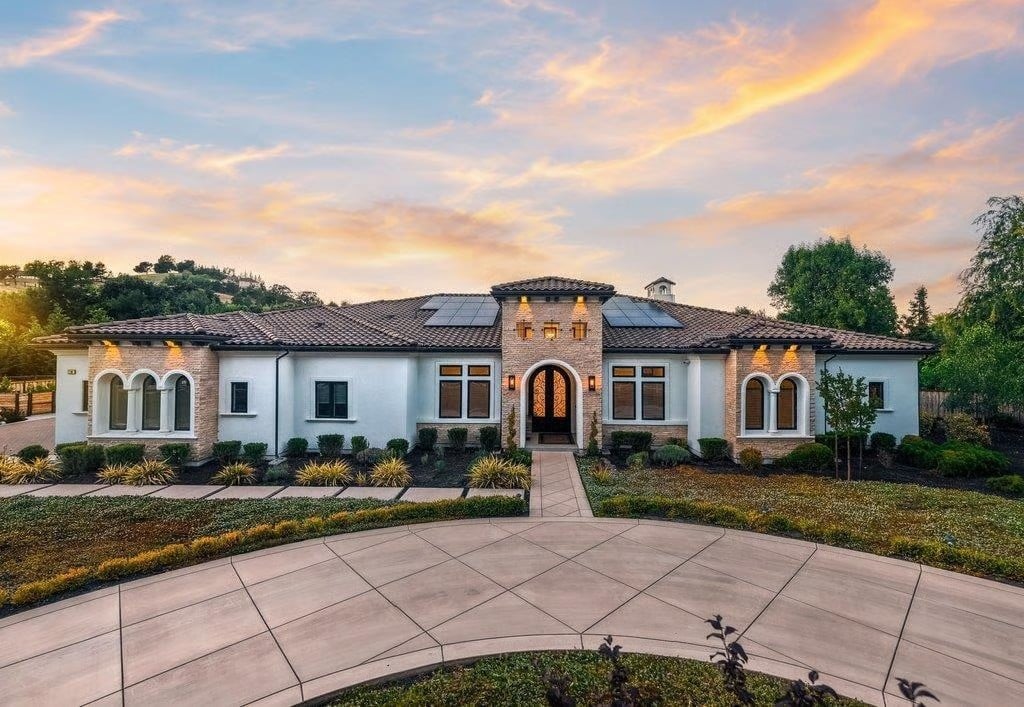
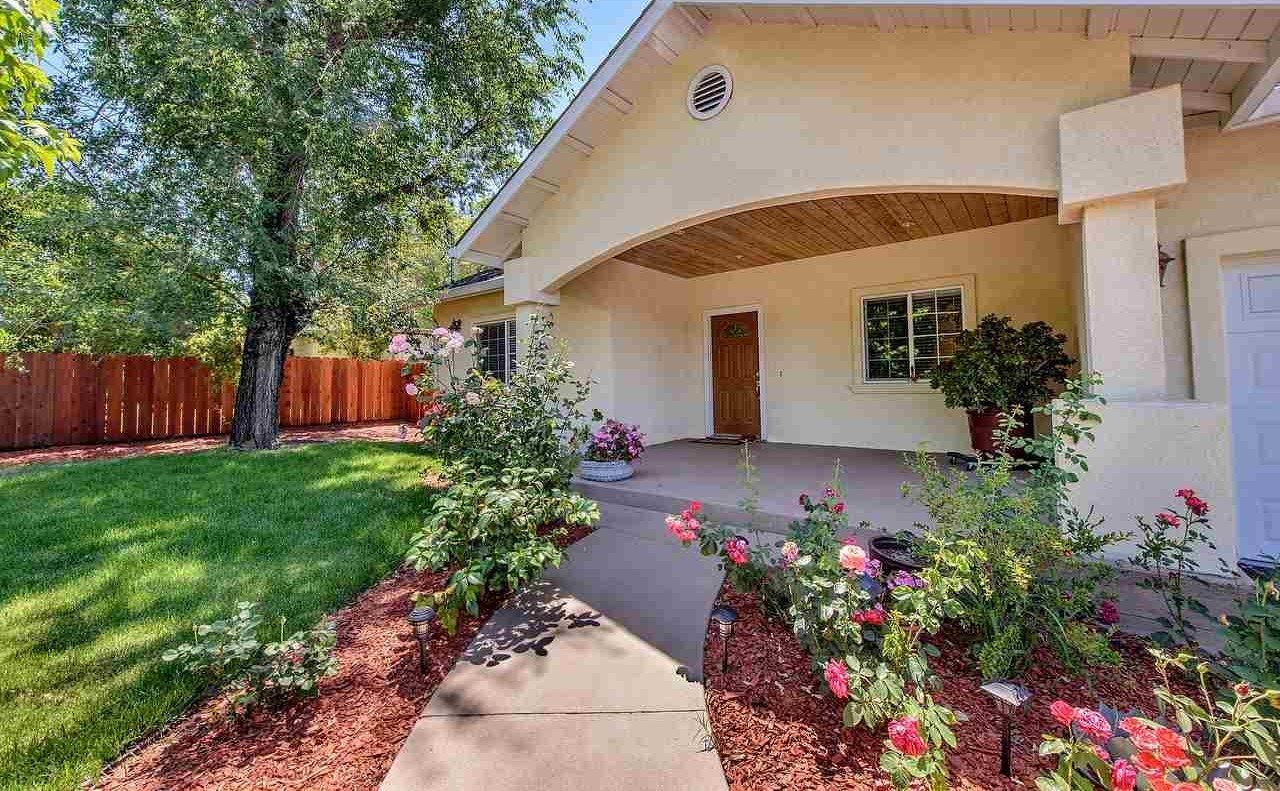
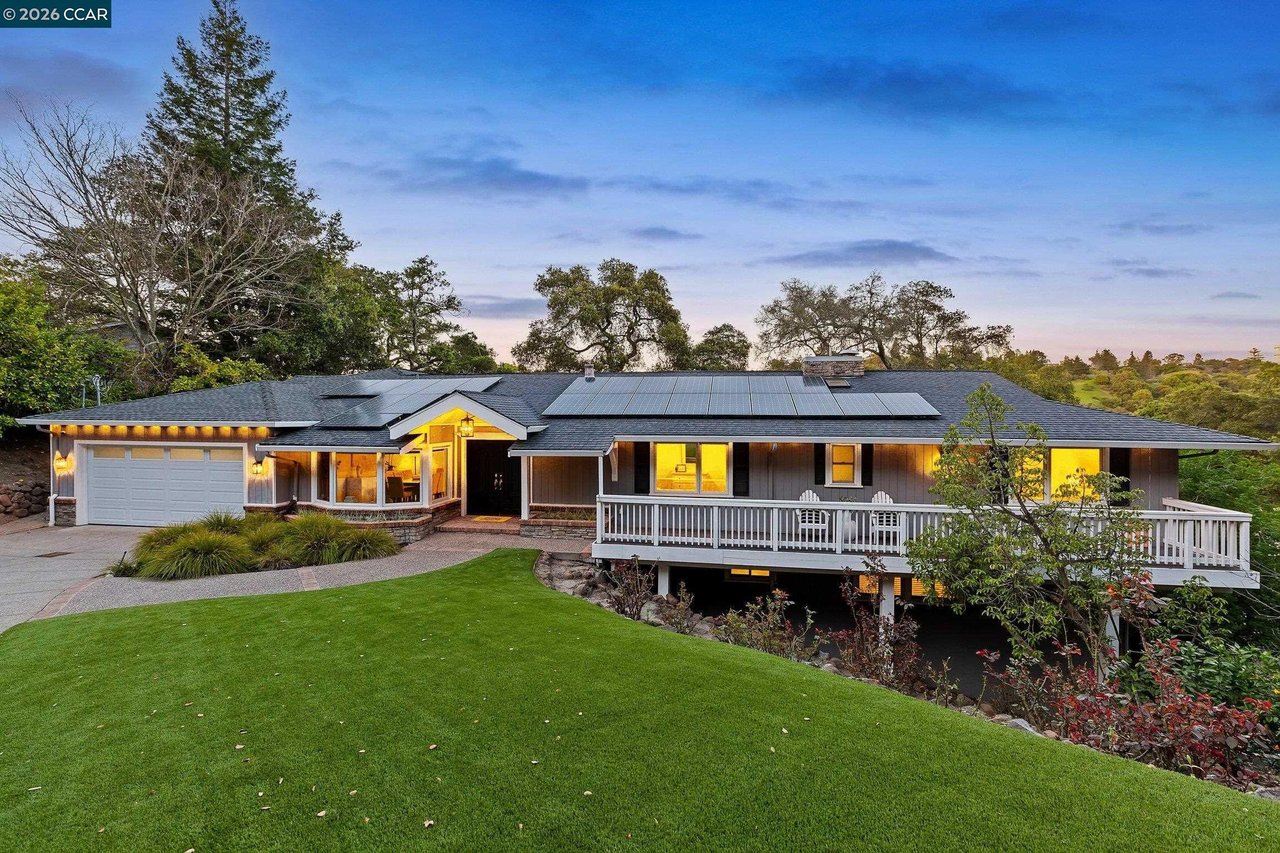
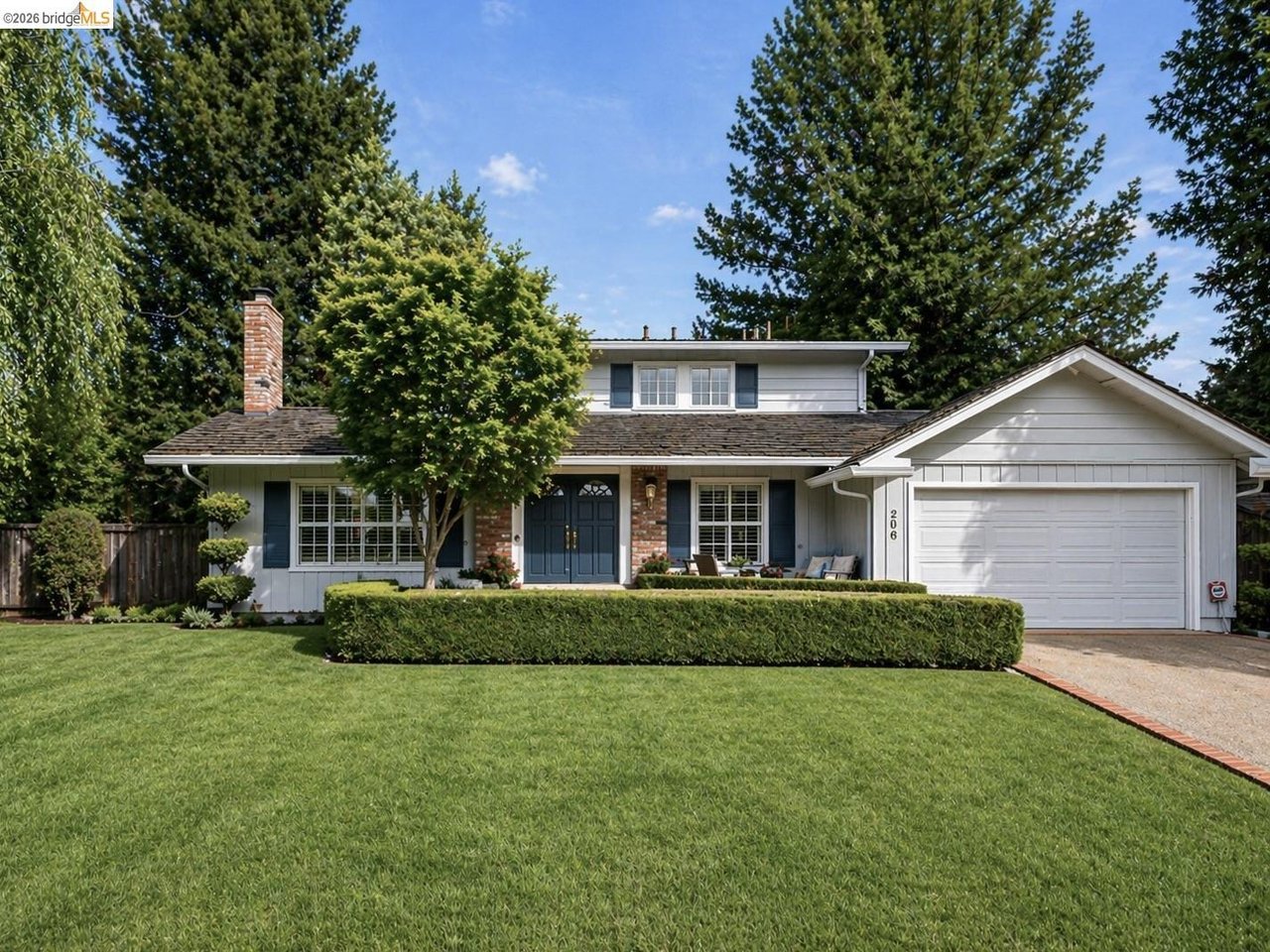
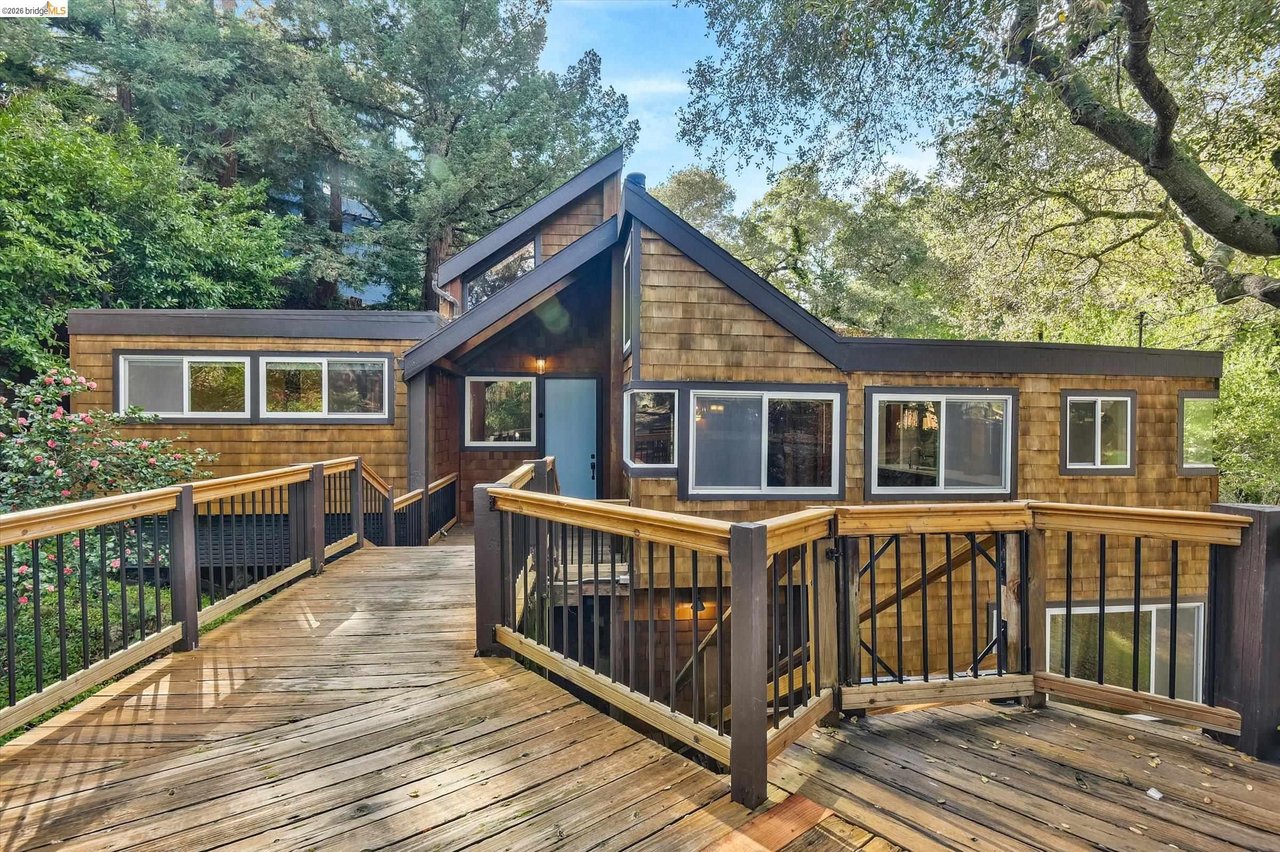
I pulled recent sales data for the East Bay last week, and one number kept jumping out: 114.8% of list price. Not asking price. Not close to asking. Nearly 15% above what sellers initially listed their homes for.
This number tells you something important about the current market. Confident, motivated buyers are still competing for well-priced homes. They're paying premiums when they find properties that meet their needs. And the right pricing strategy is what separates homes that sell above asking from those that don't.
What Drives Buyers to Pay Over Asking
Buyers today do their homework. They research comparable sales. They tour multiple properties. They know what homes in the East Bay actually sell for, not just what sellers hope they'll sell for.
When they encounter a home that checks their boxes and is priced fairly, they recognize the value immediately. If other buyers see the same value, competition develops. That competition pushes offers above the list price.
I see this pattern constantly. A property hits the market priced right. Three or four serious buyers schedule showings within the first week. By the time offers come in, each buyer wants to submit the strongest possible number because they don't want to lose the house over $20,000 or $30,000.
One seller I worked with last quarter was nervous about pricing at $1.75 million when comparable homes had sold around $1.8 million. We listed it anyway. Within ten days, we had multiple offers. The winning bid came in at $1.83 million. The strategic underpricing created urgency, and buyers responded by competing.
That's how you get to 114.8% of list price. Not through luck or market timing, but through understanding buyer psychology and pricing accordingly.
Strong Pricing Strategy Beats Wishful Thinking
Most sellers want to start high and negotiate down. I understand the instinct, but it doesn't work with today's informed buyers.
When a property is overpriced, buyers simply skip it. They've already looked at recent sales data. They know what fair market value looks like. An inflated asking price doesn't give you negotiating room. It just removes your home from consideration.
Strategic pricing means setting a number that attracts serious interest immediately. Slightly below market value often generates the most activity. That activity creates competition. Competition drives final sale prices above asking.
It's really important to price it right in the first place. You don't get a second chance at first impressions in real estate.
Confident Buyers Know What They Want
The buyers actively shopping in the East Bay right now are making deliberate decisions. Young families moving for schools. Move up buyers needing more space. Professionals relocating to the Bay Area.
They're not browsing casually. They have specific needs and timelines. When they find a property that works, they act decisively.
But they're also selective. They want homes in good condition, priced fairly for what they offer. The confidence these buyers show in paying above asking comes from recognizing genuine value. They understand that well-maintained homes in desirable school districts hold their value.
What they won't do is overpay for mediocrity. Average homes at inflated prices eventually sell at or below asking. Exceptional homes priced strategically sell quickly above asking.
Presentation Drives Premium Offers
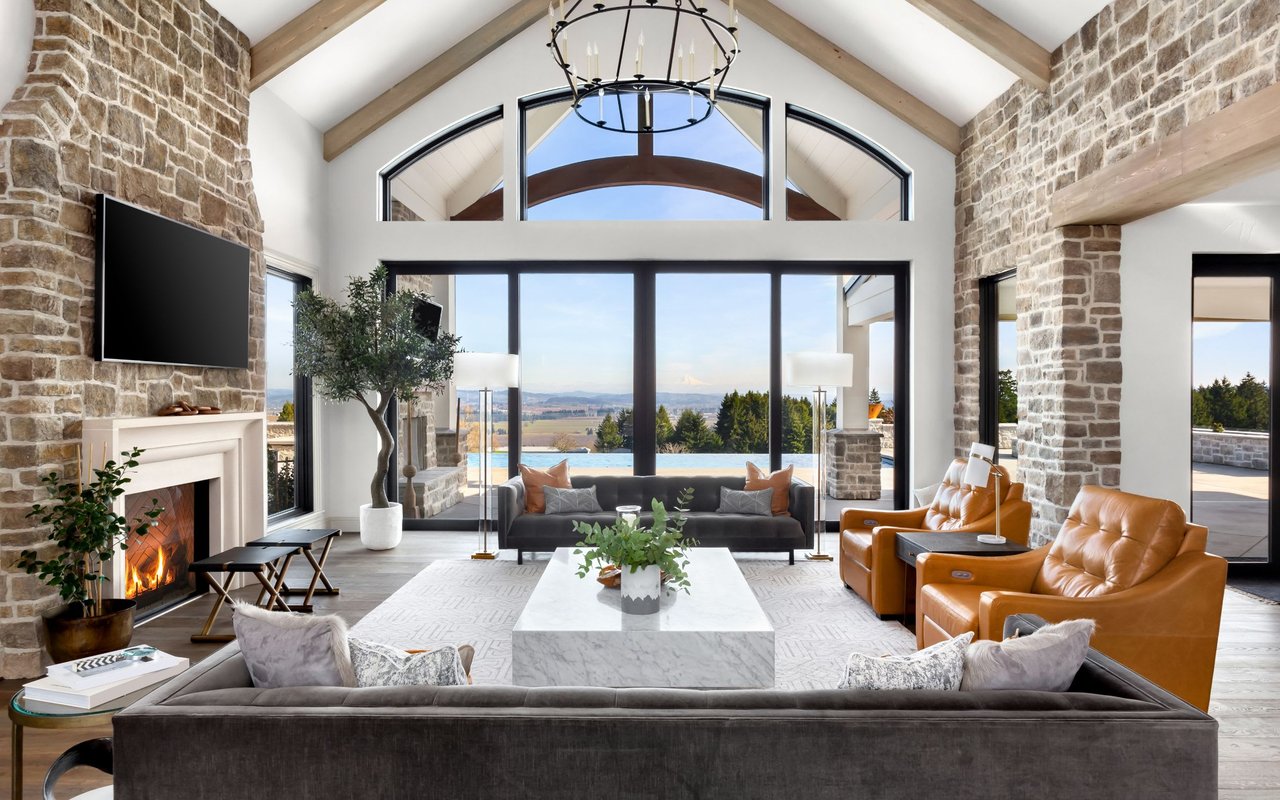
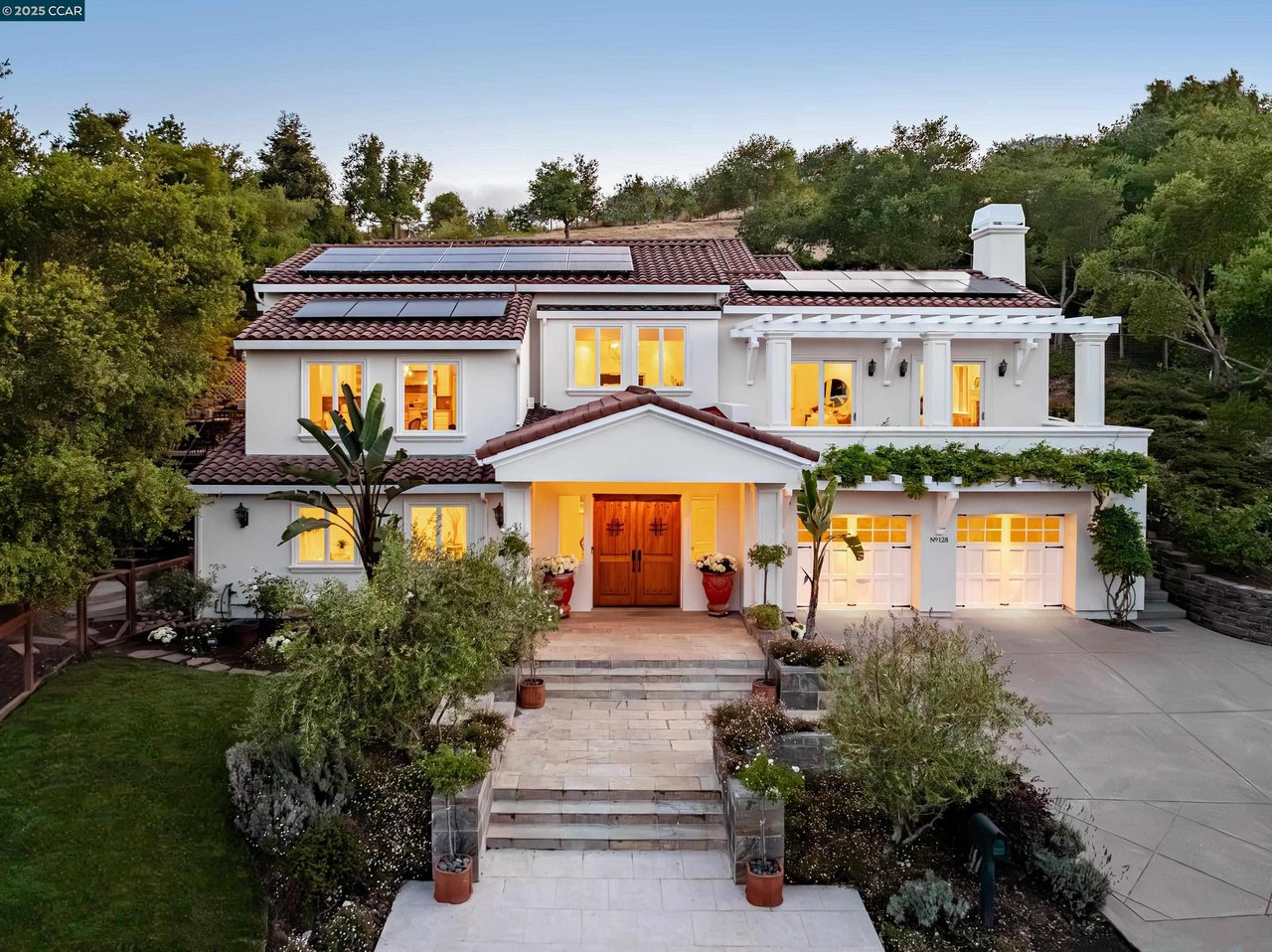
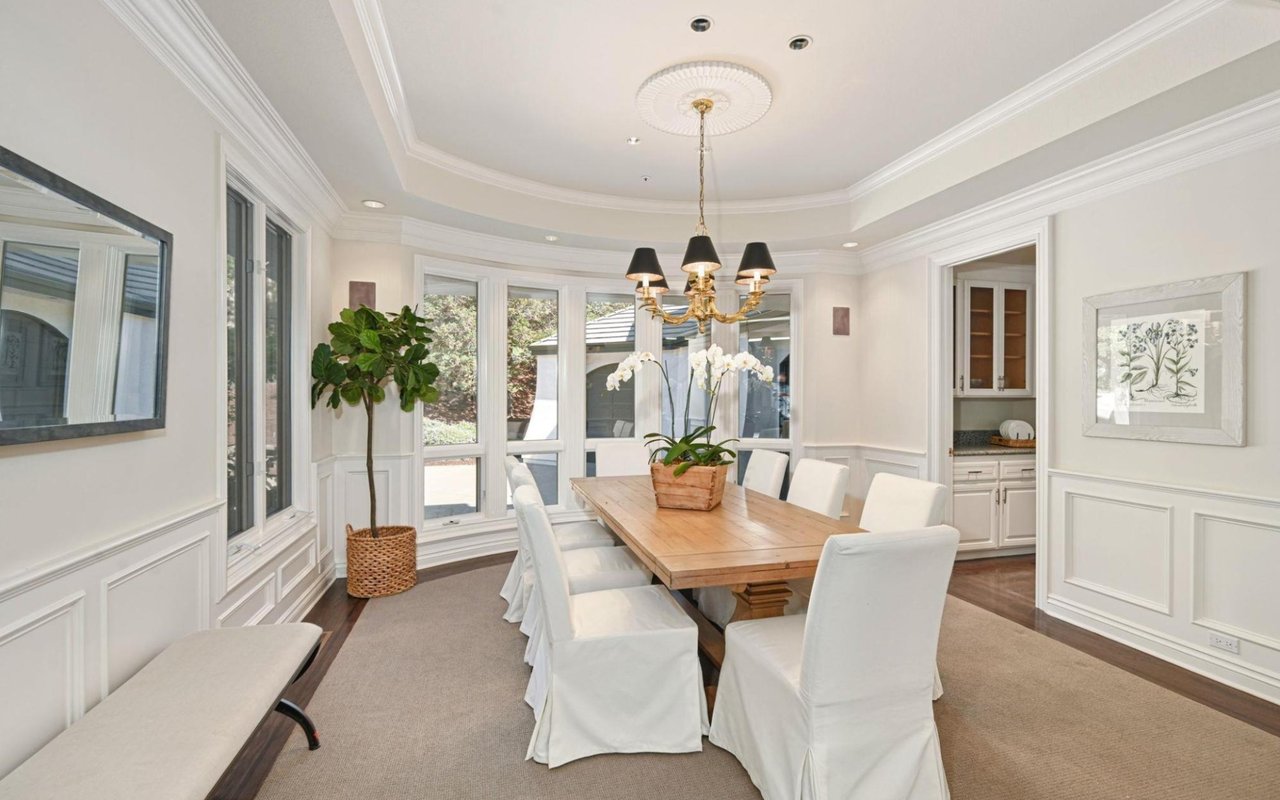
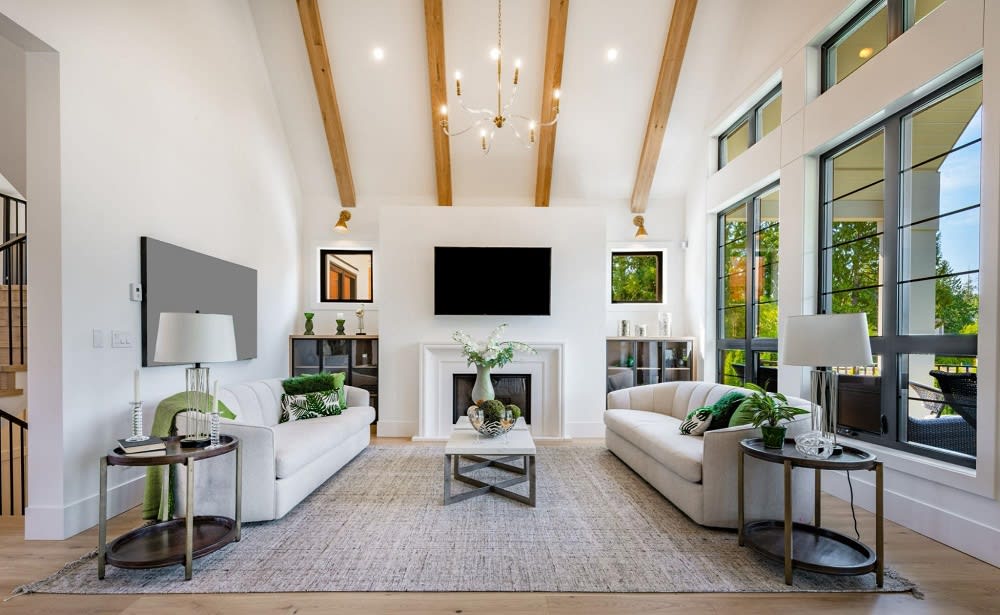
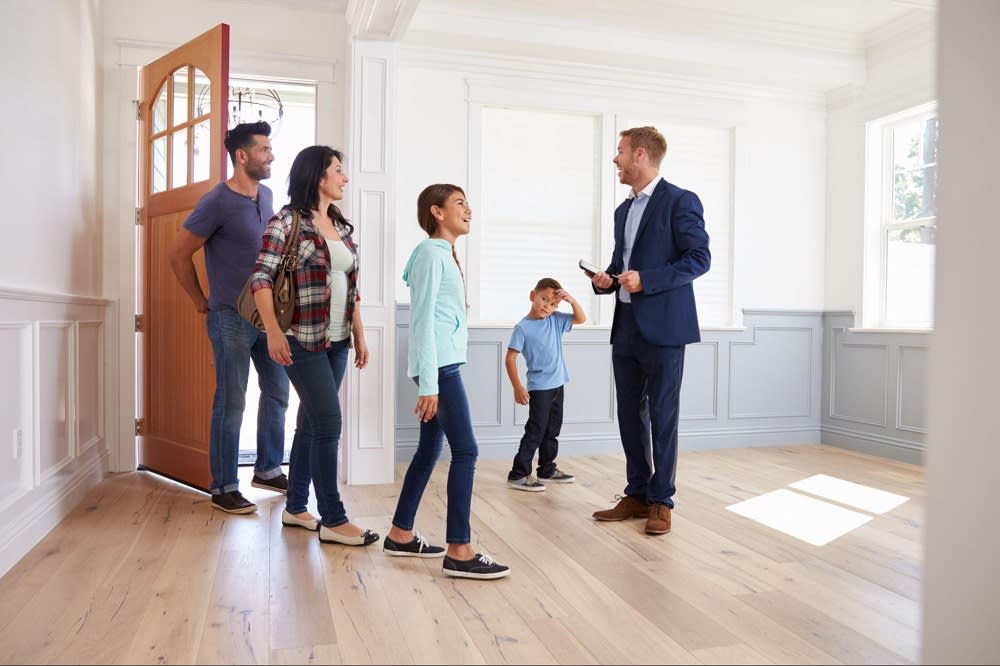
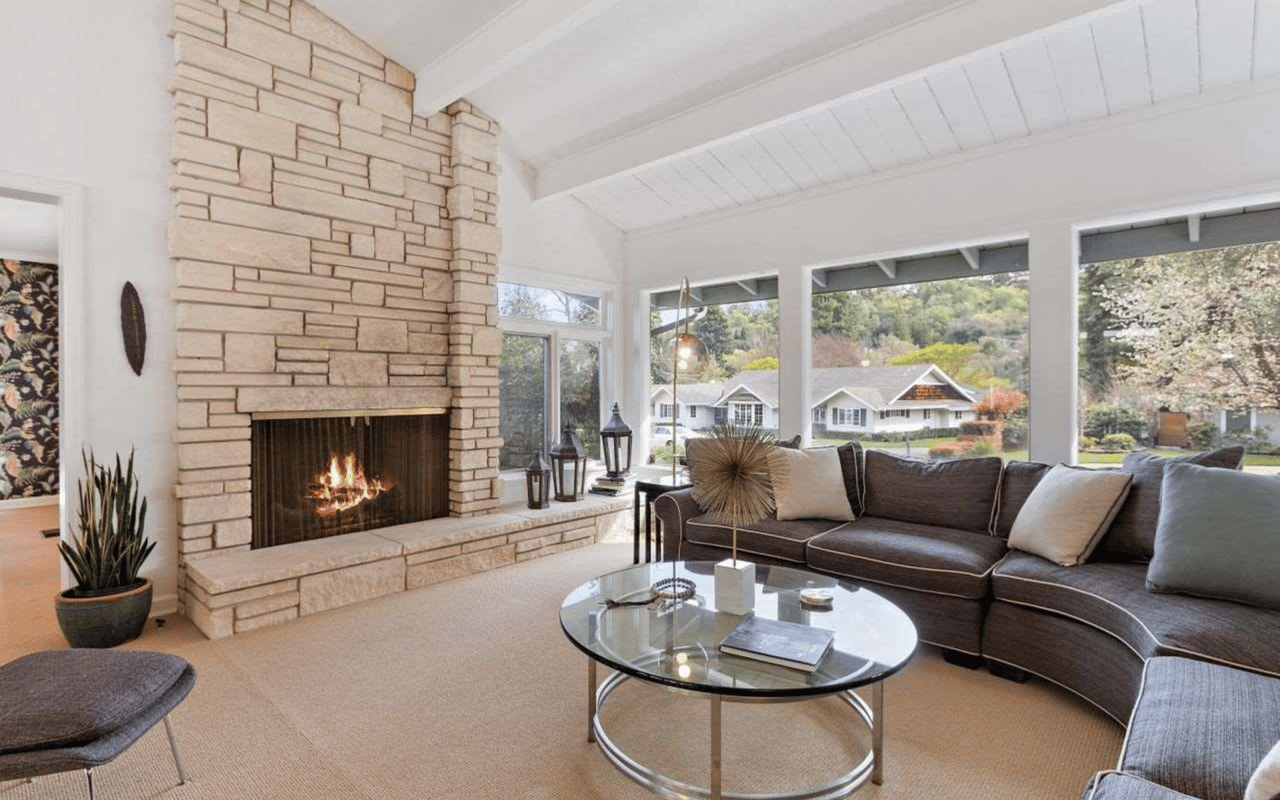
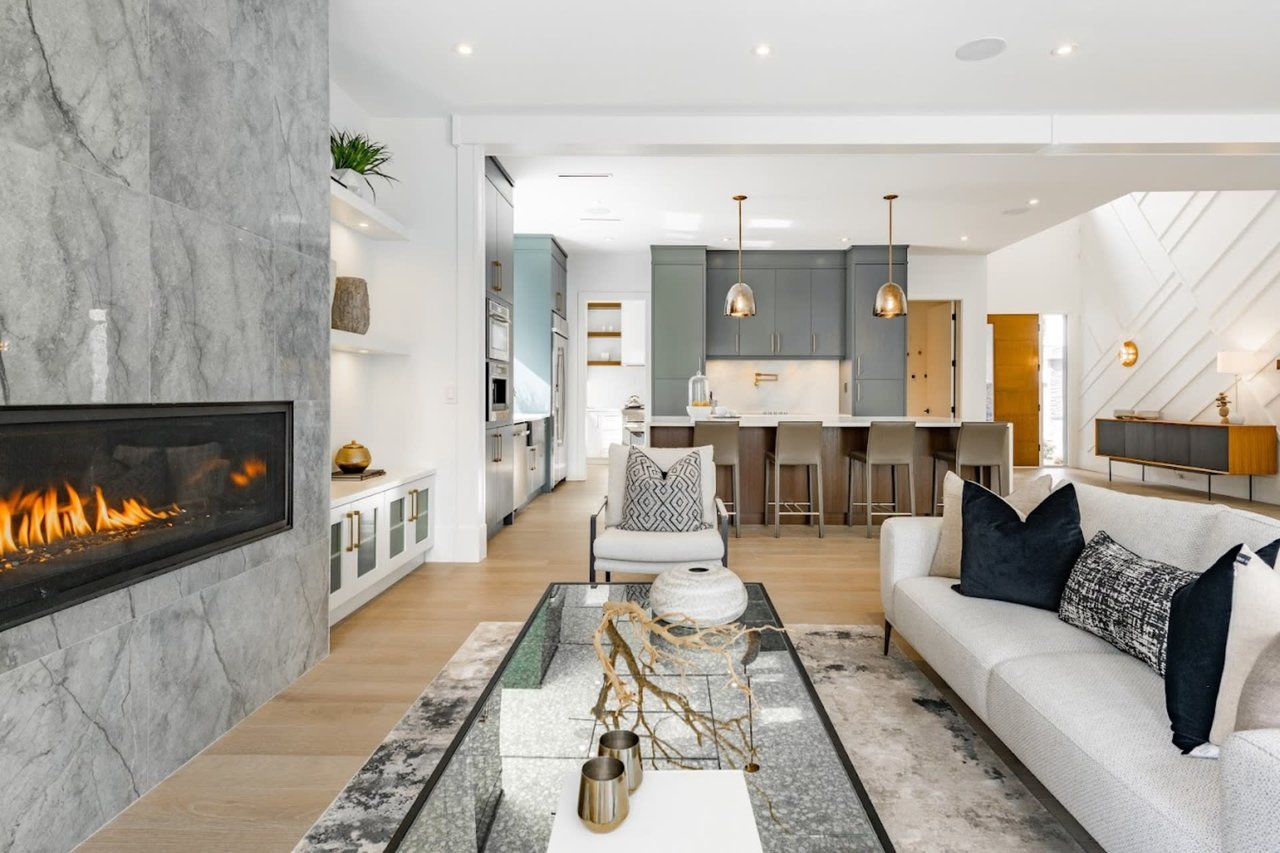
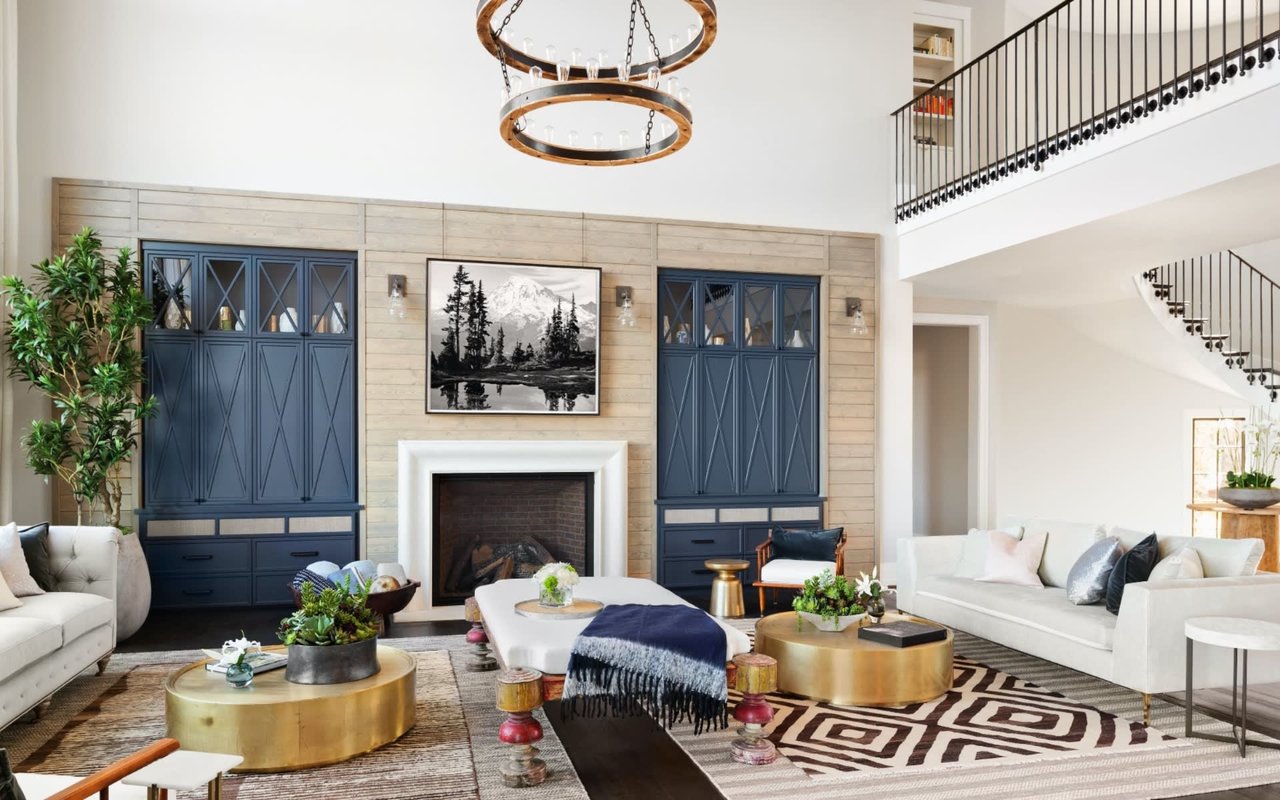
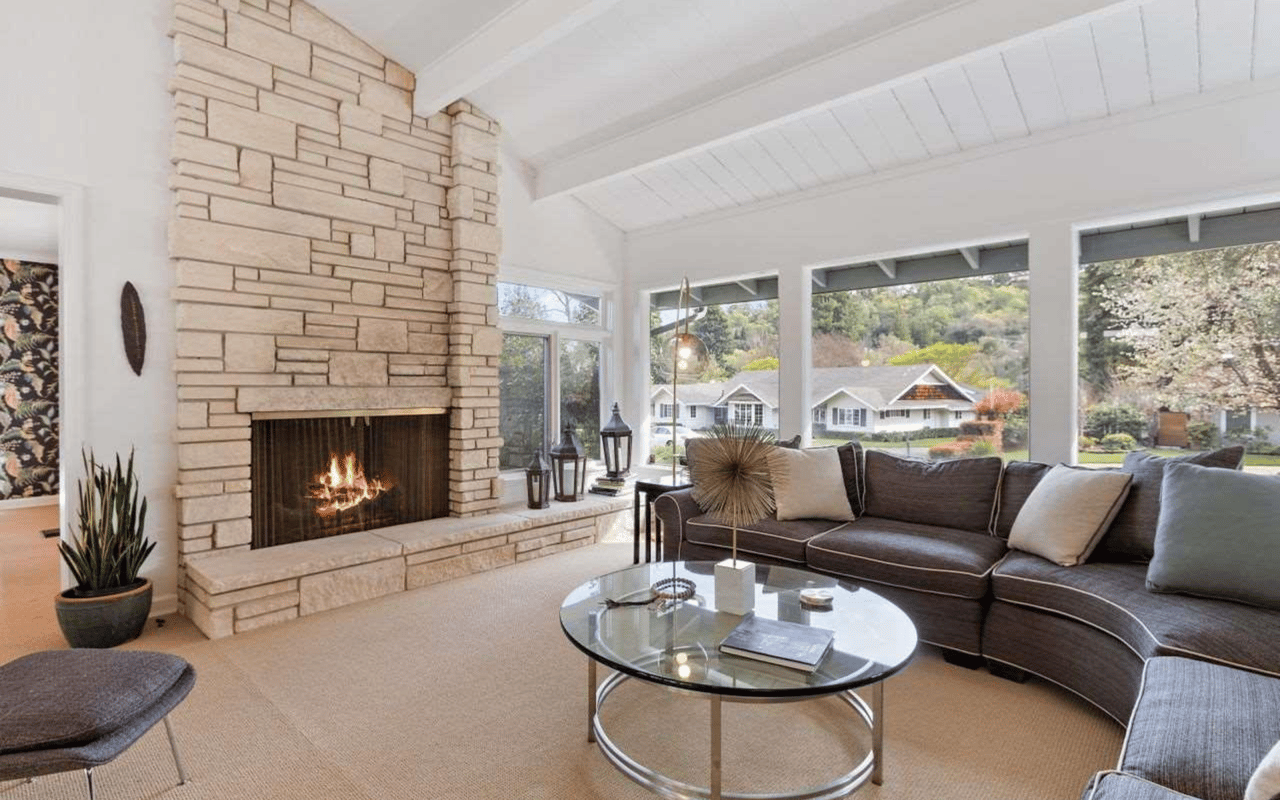
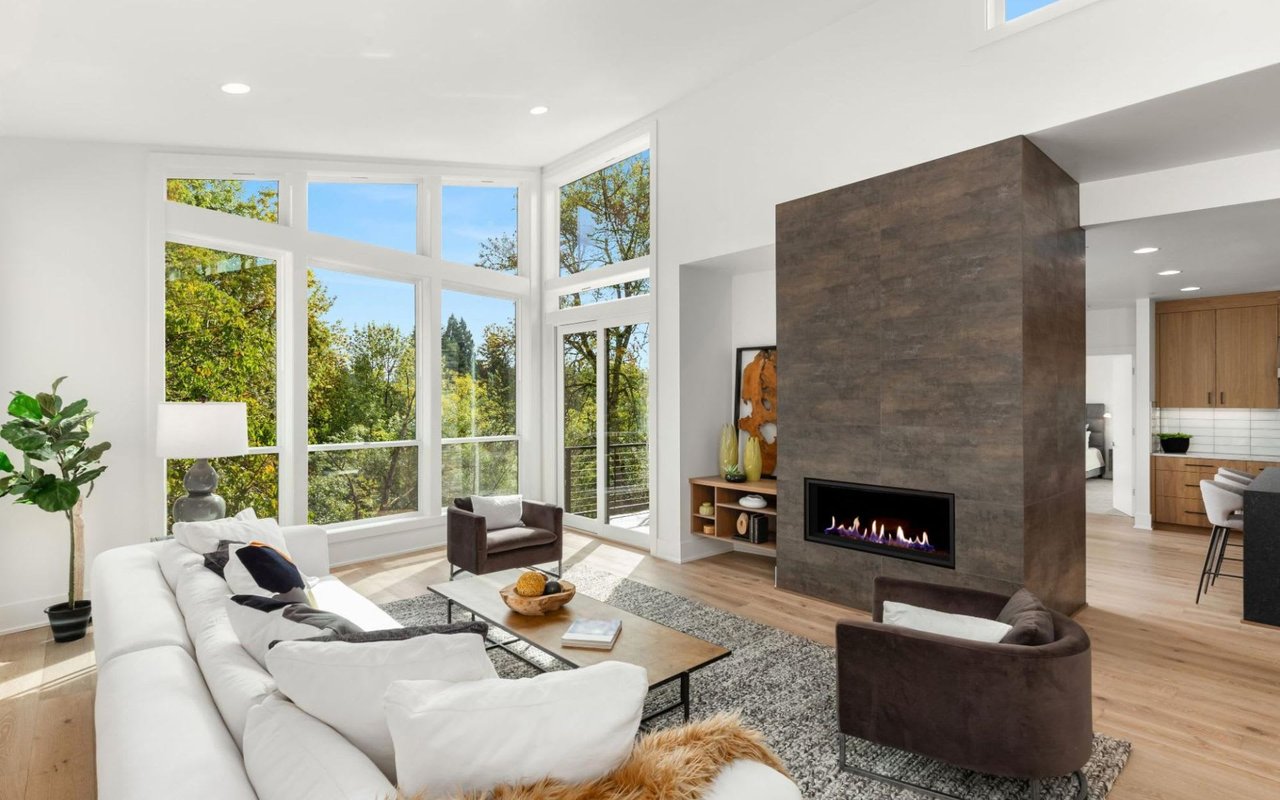
The right price gets buyers through the door. A beautifully presented home makes them compete to own it.
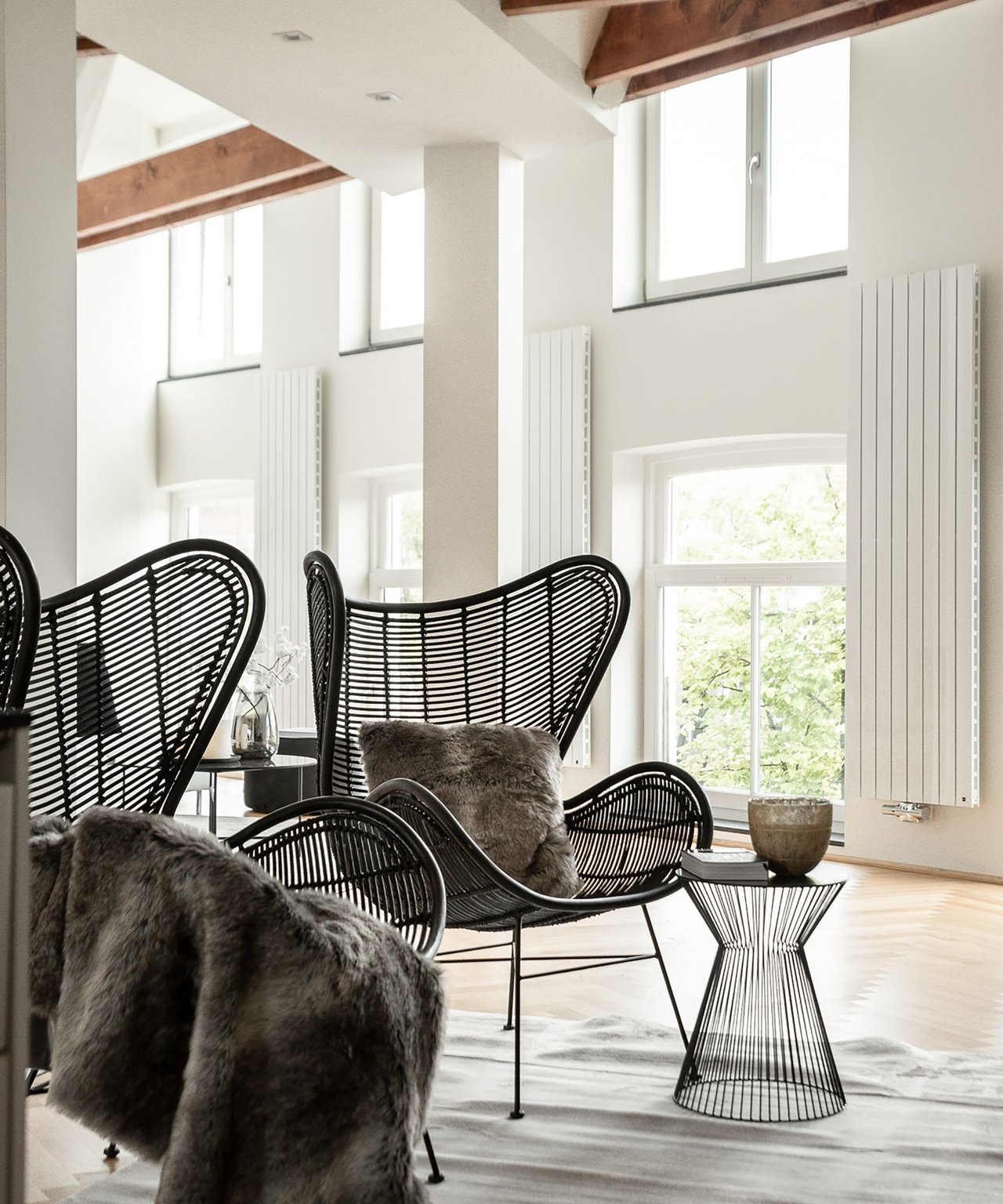
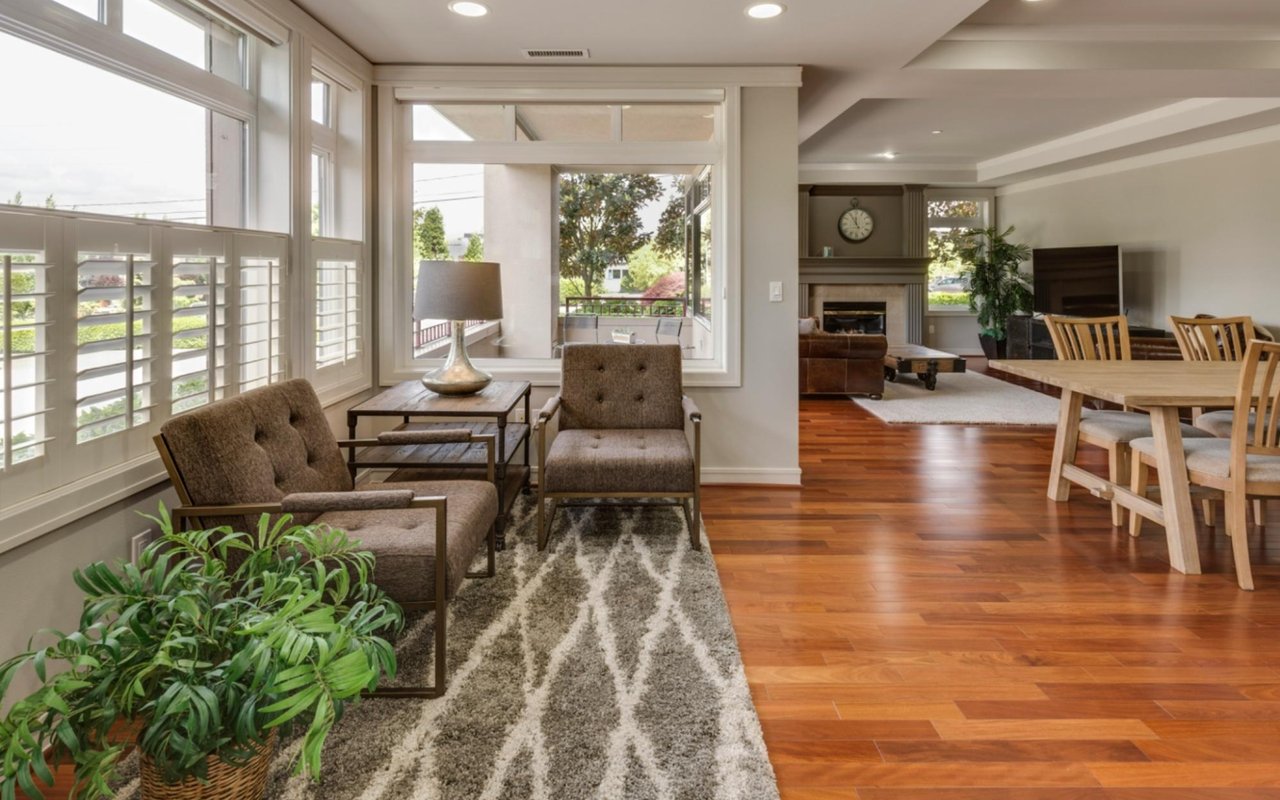
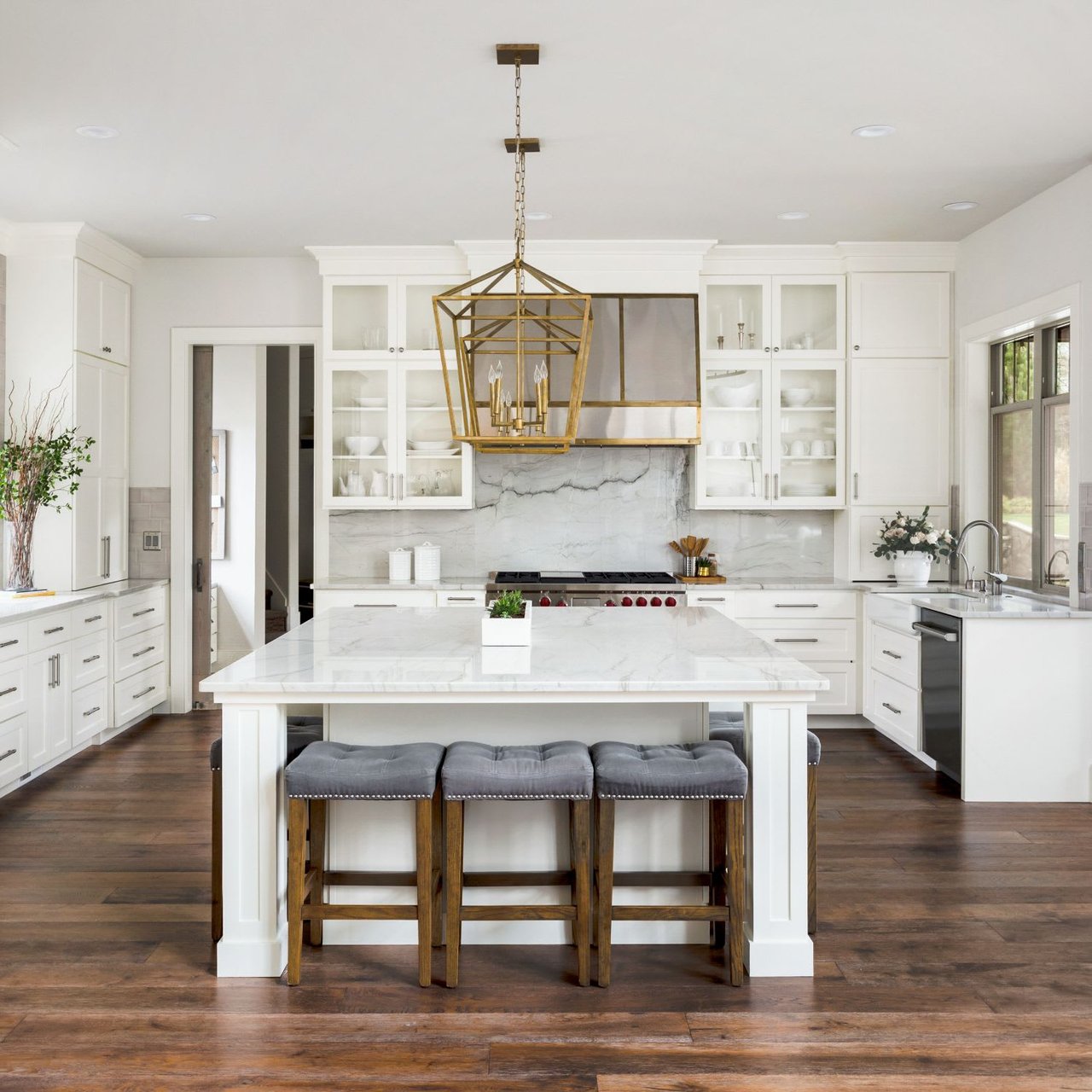
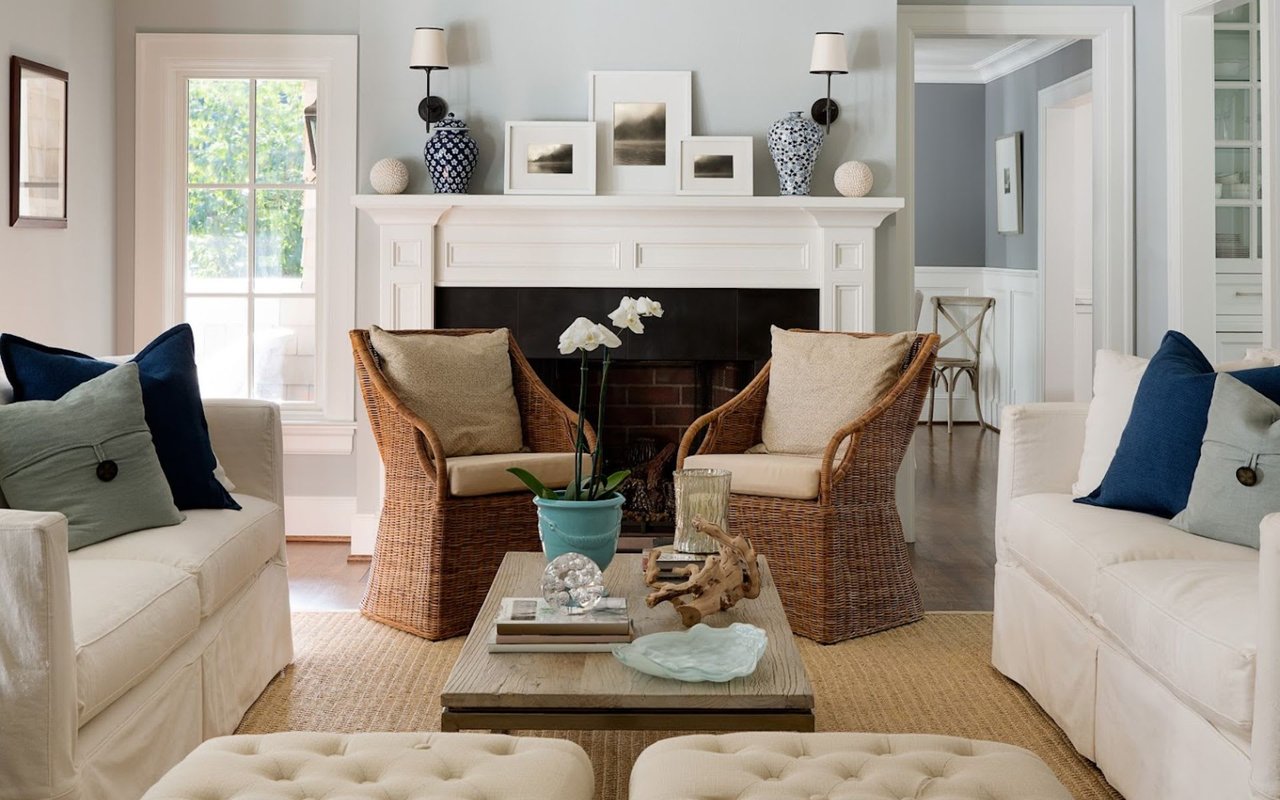
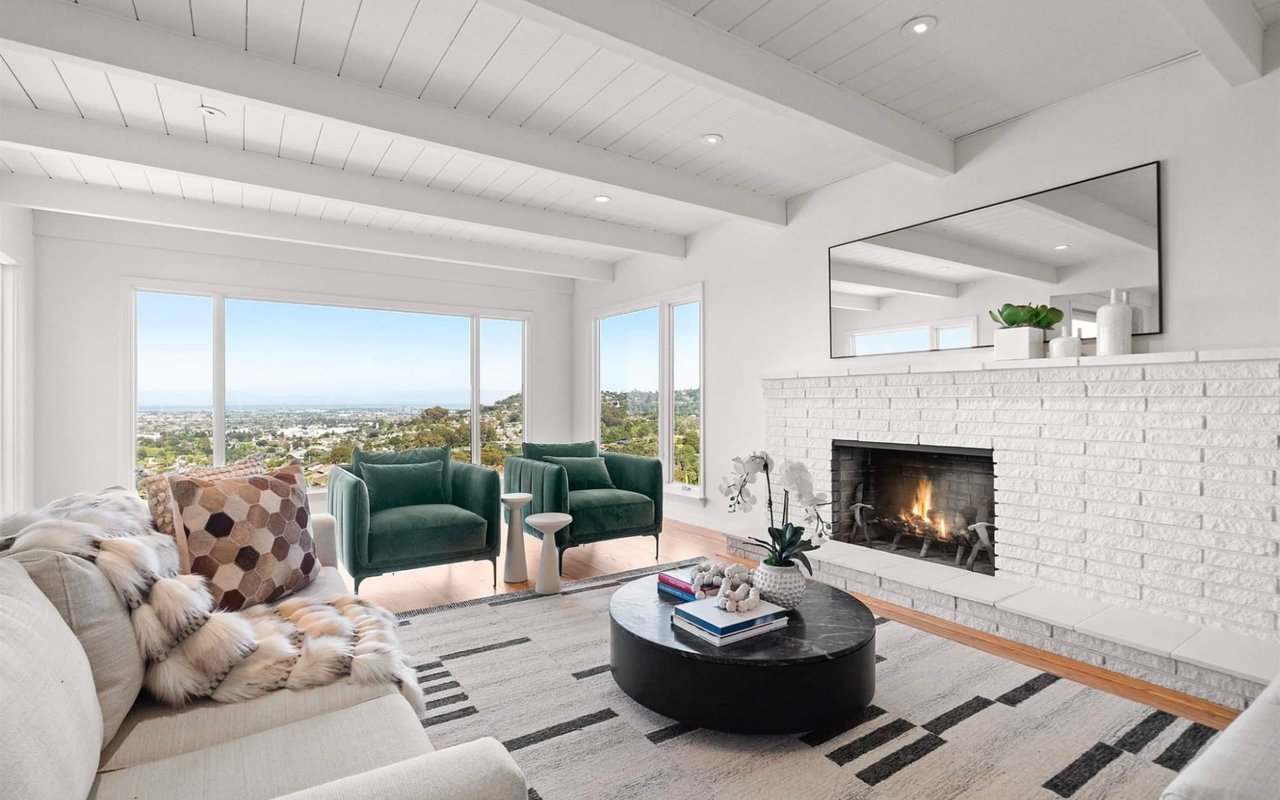
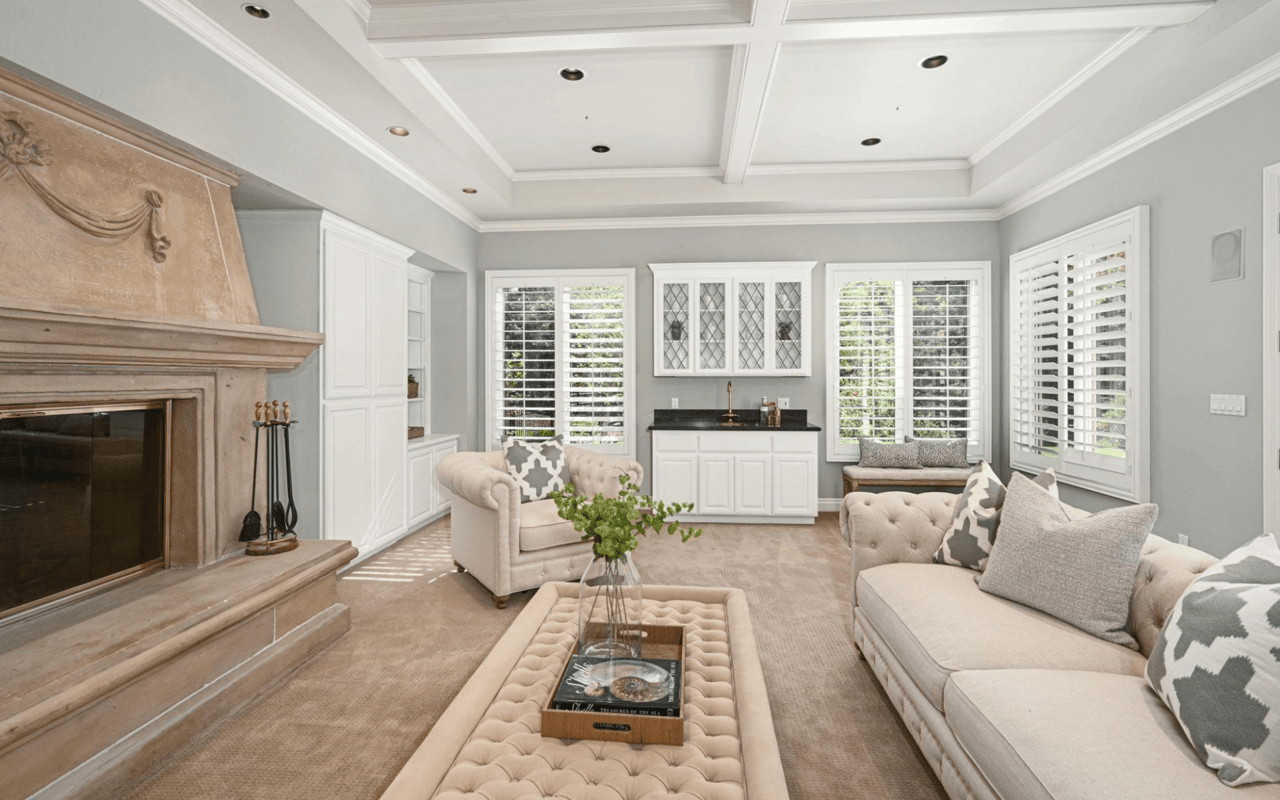
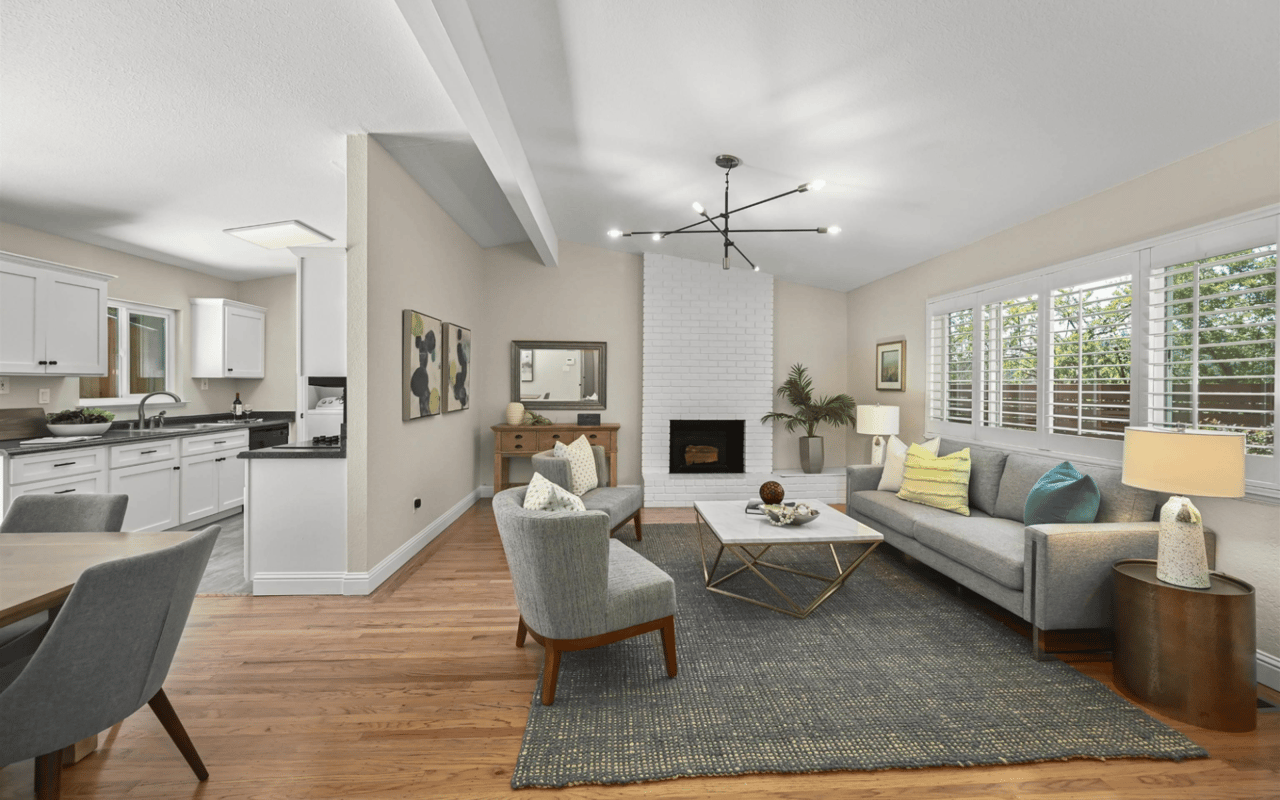
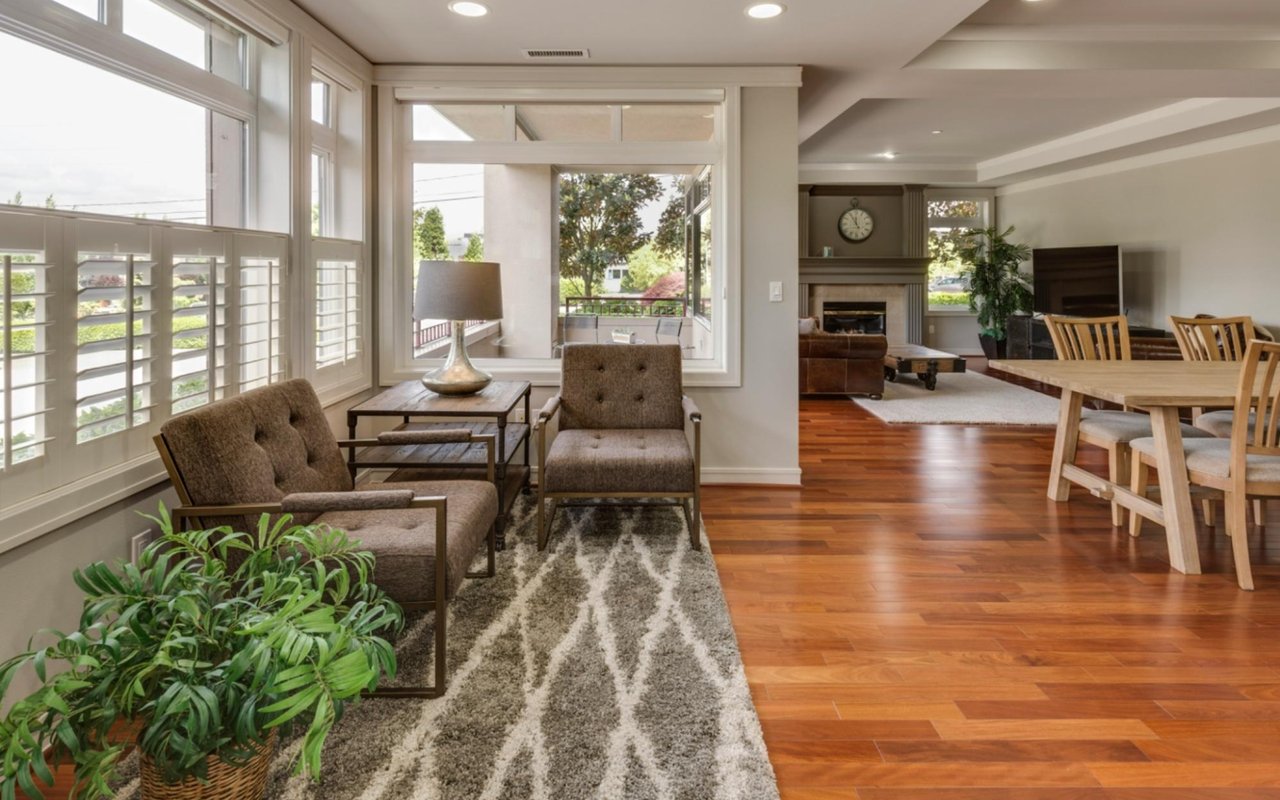
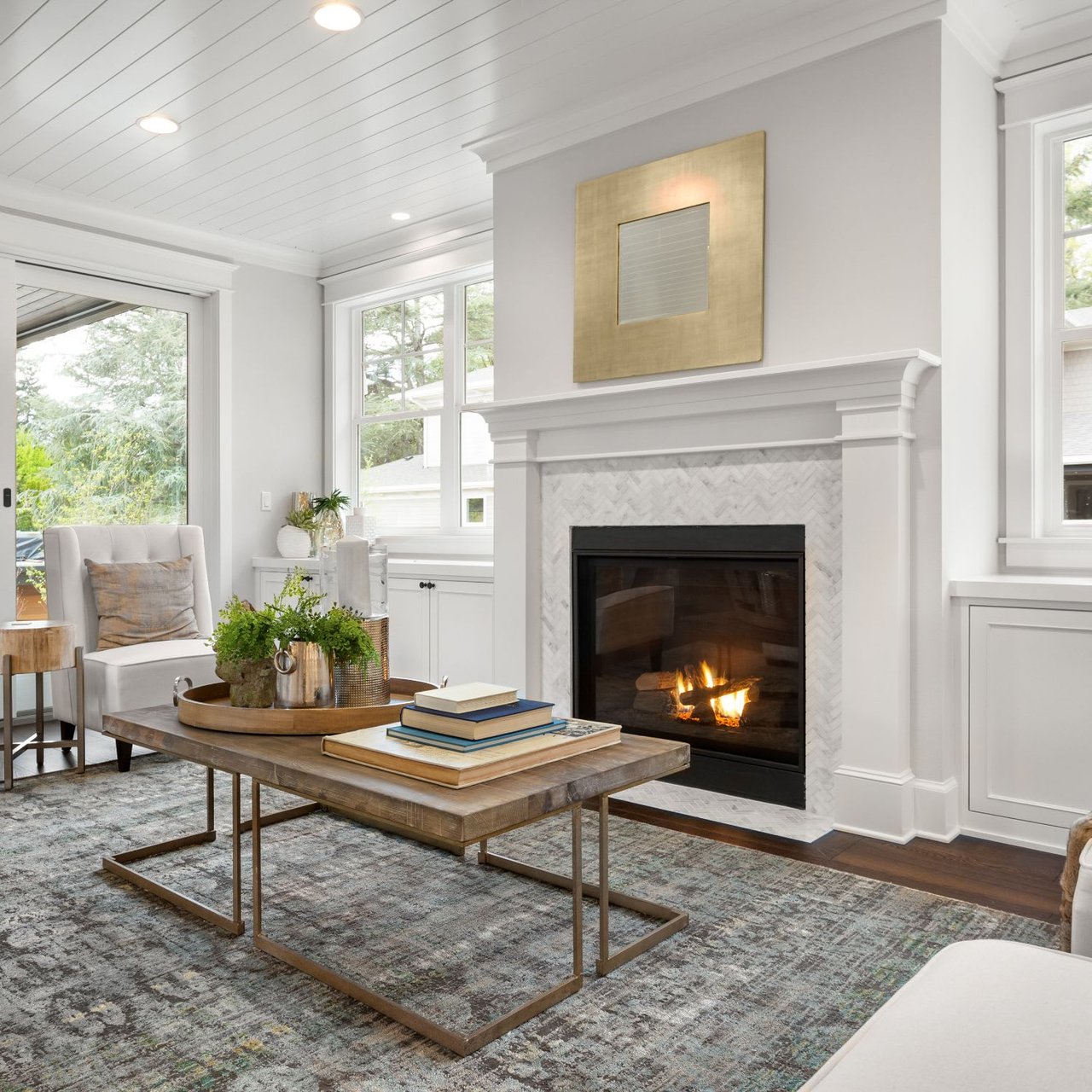
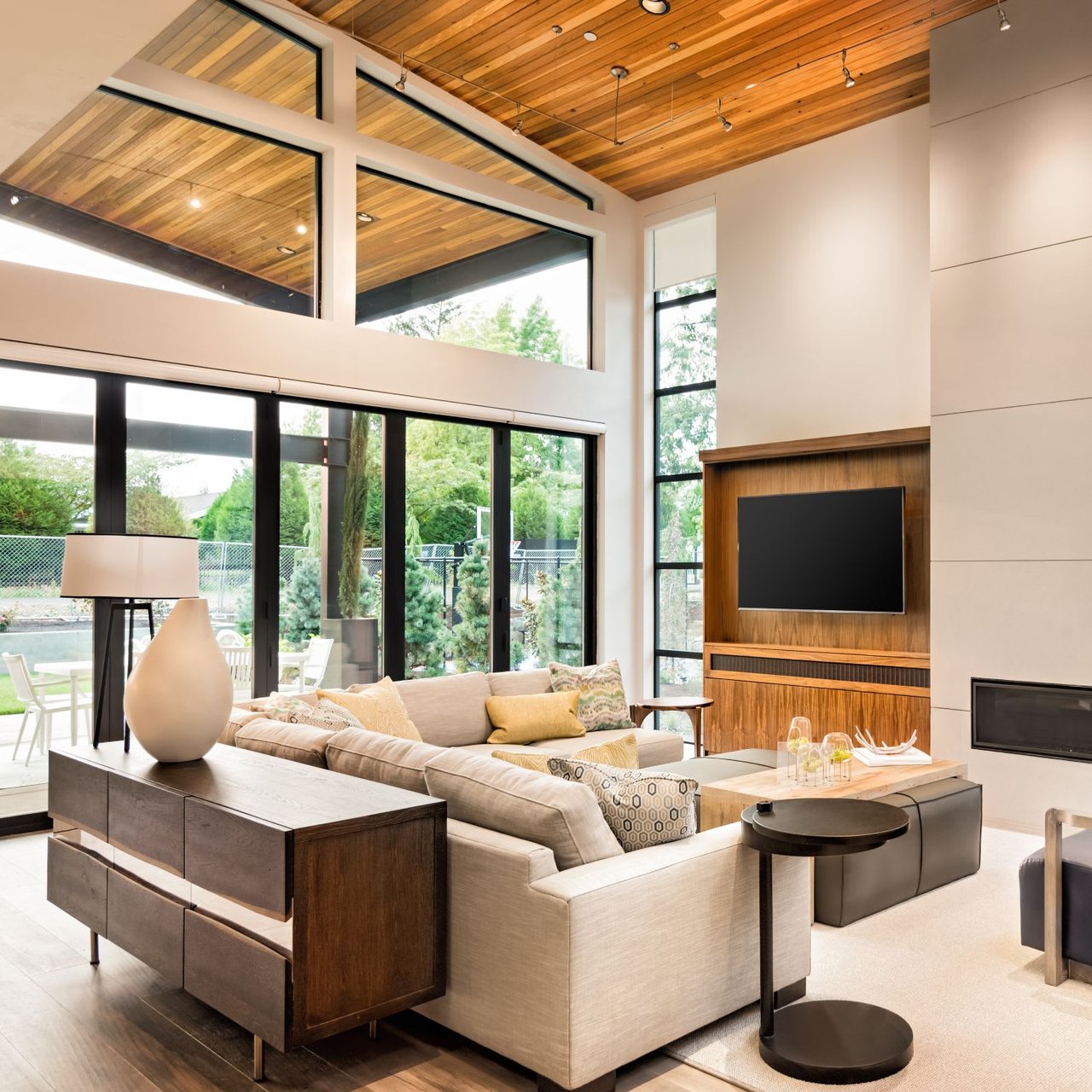
Invest in professional staging. You'll spend $3,000 to $6,000 for a month, and buyers will respond by offering $30,000 to $60,000 more at closing. When buyers walk through and mentally arrange their furniture in the living room or picture their family gathered in the kitchen, they're already building an emotional case for paying more.
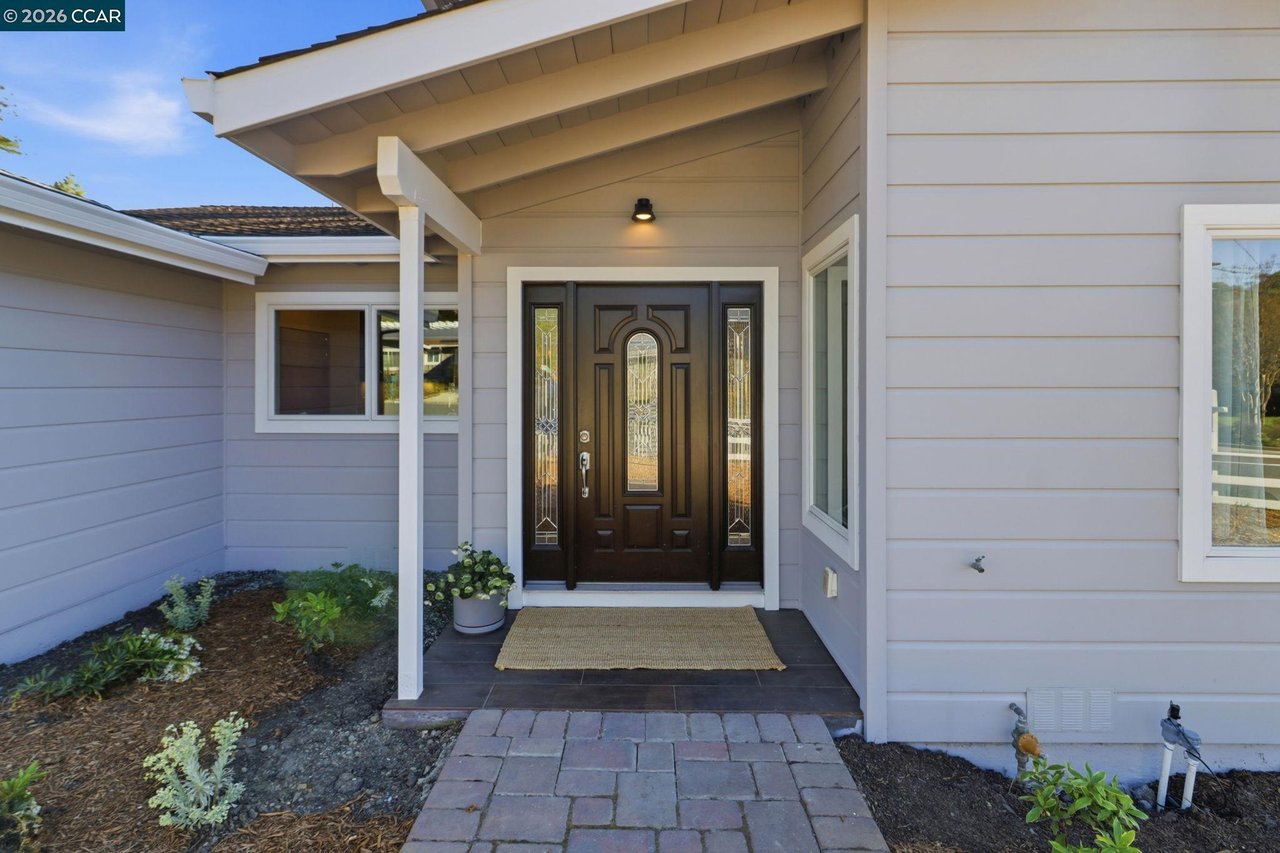
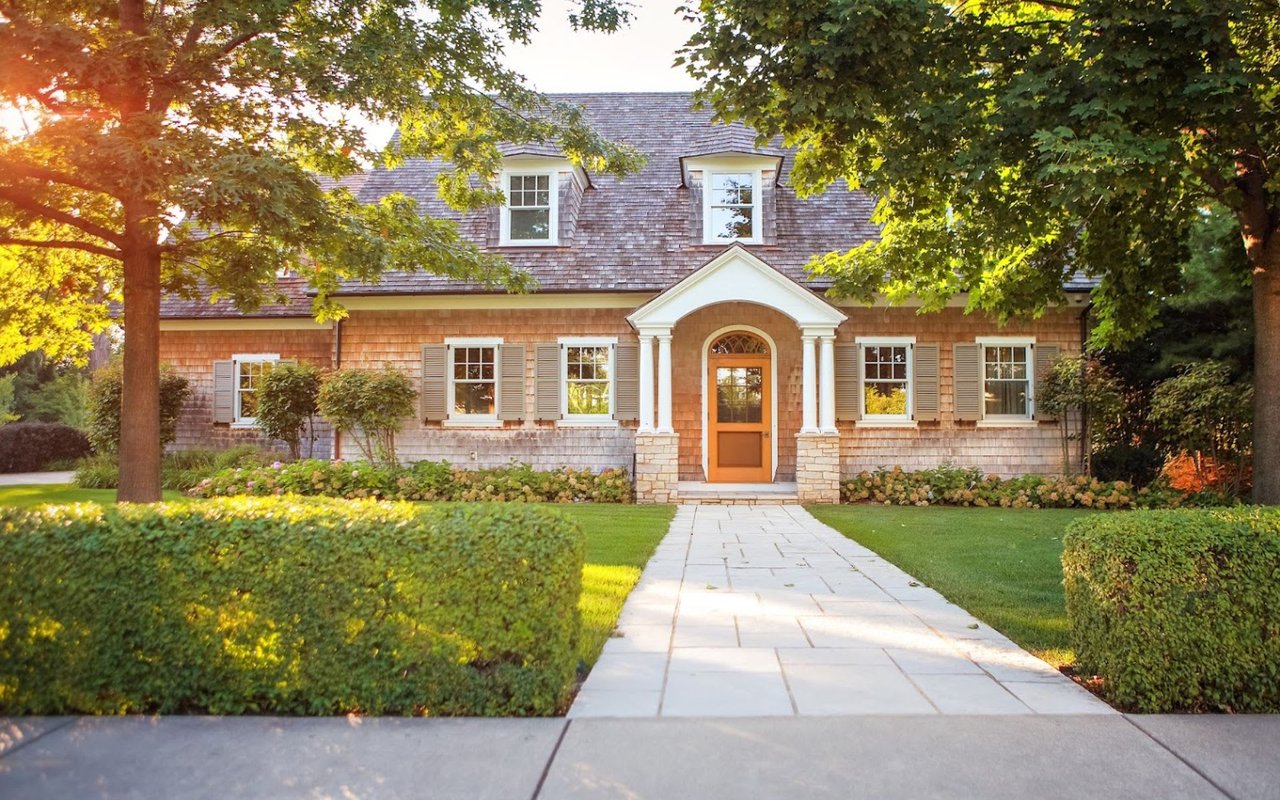
Update the paint. Manicure the landscaping. Deep clean the carpets. These fundamentals separate homes that command premium prices from those that struggle. Skip the gimmicks. Buyers ignore interest rate buydowns and appliance packages. They want homes that look move-in ready and agents who respond immediately to their questions.
Turn on every light before showings. Some sellers worry about electricity costs during the listing period. That's shortsighted. Spend a few dollars daily on utilities instead of forcing buyers to tour a dark, unwelcoming space. Apply the same thinking to temperature. Heat the home in winter. Cool it in summer. Create comfort the moment buyers step inside, because first impressions determine whether they can imagine living there.
The First Two Weeks Make or Break Results
The initial listing period determines your outcome. This is when buyer agents alert their clients about new properties. This is when serious buyers schedule showings. This is when you generate the competition that drives prices above asking.
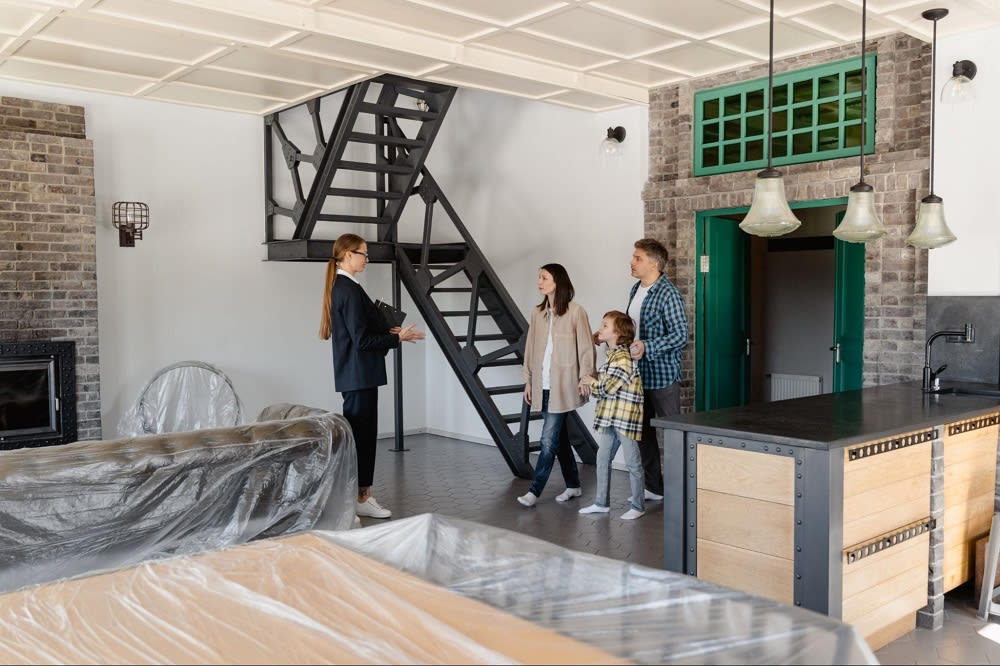
Public open houses during these two weeks are essential. Buyers need to see the property in person. Making showings easy matters just as much. Don't restrict showing times. Don't create obstacles that discourage appointments. Every barrier you add gives buyers a reason to look at something else.
If you haven't generated significant interest within two weeks, something needs adjustment. Usually it's price, but sometimes it's presentation or accessibility.
Why This Strategy Works
A property in Berkeley came on the market last fall listed at $1.65 million. The sellers wanted $1.75 million originally, but we agreed on the lower number based on comparable sales. Within a week, we had five offers. The winning bid came in at $1.71 million.
Another home in Oakland started at $2.1 million when comparable properties were selling around $2.15 million to $2.2 million. The slight underpricing generated immediate interest. We received multiple offers and closed at $2.19 million after just nine days.
I'm not trying to spend a dollar to get 80 cents back. I'm trying to spend a dollar to get two or three dollars. That applies to both preparation costs and pricing strategy. Every decision should aim at maximizing the final sale price.
What Success Actually Looks Like
When you execute this approach properly, results come quickly. The right price attracts serious buyers. Proper presentation makes them want to compete. Easy access for showings removes barriers. Responsive communication keeps momentum going.
Within two weeks, you're reviewing multiple offers. The final sale price exceeds what you listed the property for. That's what the 114.8% figure represents. Not market conditions you can't control. Not luck with timing. Just confident buyers responding to strong pricing strategy and excellent presentation.
Your home can achieve these results. I've helped dozens of East Bay sellers navigate this exact process, and I've watched them walk away from closings genuinely surprised by how much more they received than expected. The question is whether you're willing to price it strategically rather than emotionally, and prepare it properly rather than hoping buyers will overlook its flaws. The buyers are out there. They're motivated. They have financing. They'll pay premiums for the right properties.
If you're thinking about selling in the East Bay and want to discuss a strategy that actually works, reach out. I'm happy to walk through what this would look like for your specific situation.
-Kelly