If you’re buying a home in Lafayette or Walnut Creek, living within walking distance of BART sounds appealing. You can skip the drive to the station, avoid parking hassles, and simplify your commute. But is that convenience worth paying more?
Research suggests buyers pay a premium for transit access. The challenge lies in figuring out how much that premium applies to homes near Lafayette and Walnut Creek BART, and whether it will pay off when you sell.
What the Research Says About BART Proximity
A Strategic Economics study examined more than 57,000 single family home sales in Contra Costa County between 2005 and 2012. Researchers accounted for differences in home size, lot size, age, and neighborhood income.
They found that single family homes within half a mile of BART sold for about 11% more than comparable homes more than fives miles away. Condos across the East Bay carried a premium of around 15%.
Here’s the surprising part: homes farther from stations also commanded higher prices. In Contra Costa County, homes half a mile to one mile away had a 12% premium, while properties one to five miles away had premiums around 10%.
These figures reflect historical countywide patterns, not current premiums for either city. The study also couldn’t fully separate BART’s influence from the appeal of nearby shops, restaurants, and other amenities.
Lafayette: Walkability Comes at a Cost
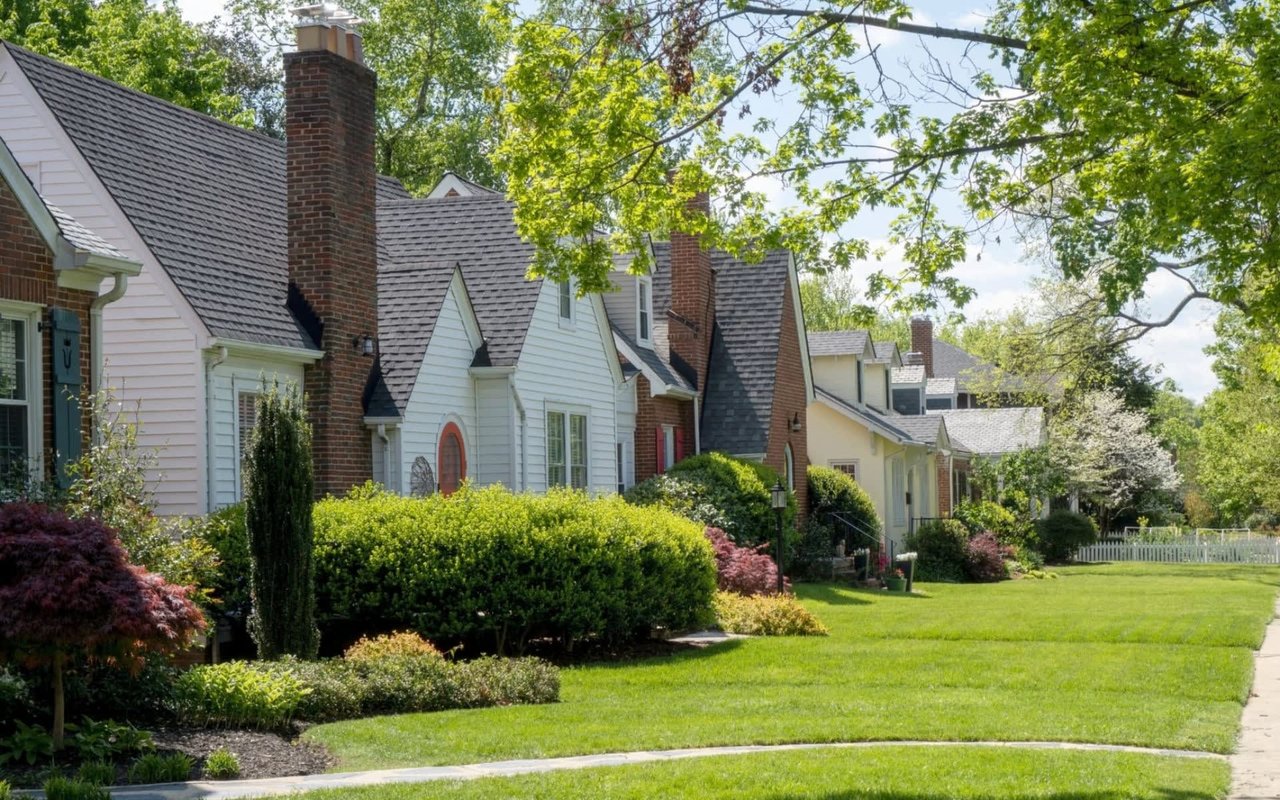
Lafayette attracts buyers who want suburban living, local businesses, and convenient transit. However, finding a home within a 10 minute walk of BART can limit your options.
Zillow reported a typical Lafayette home value of approximately $1,884,079 through August 2026, up 2.9% over the previous year. Applying the historical 11% premium to that figure produces roughly $207,000.
Treat that number as an illustration, not an actual Lafayette BART premium. It combines an older countywide study with a recent citywide valuation.
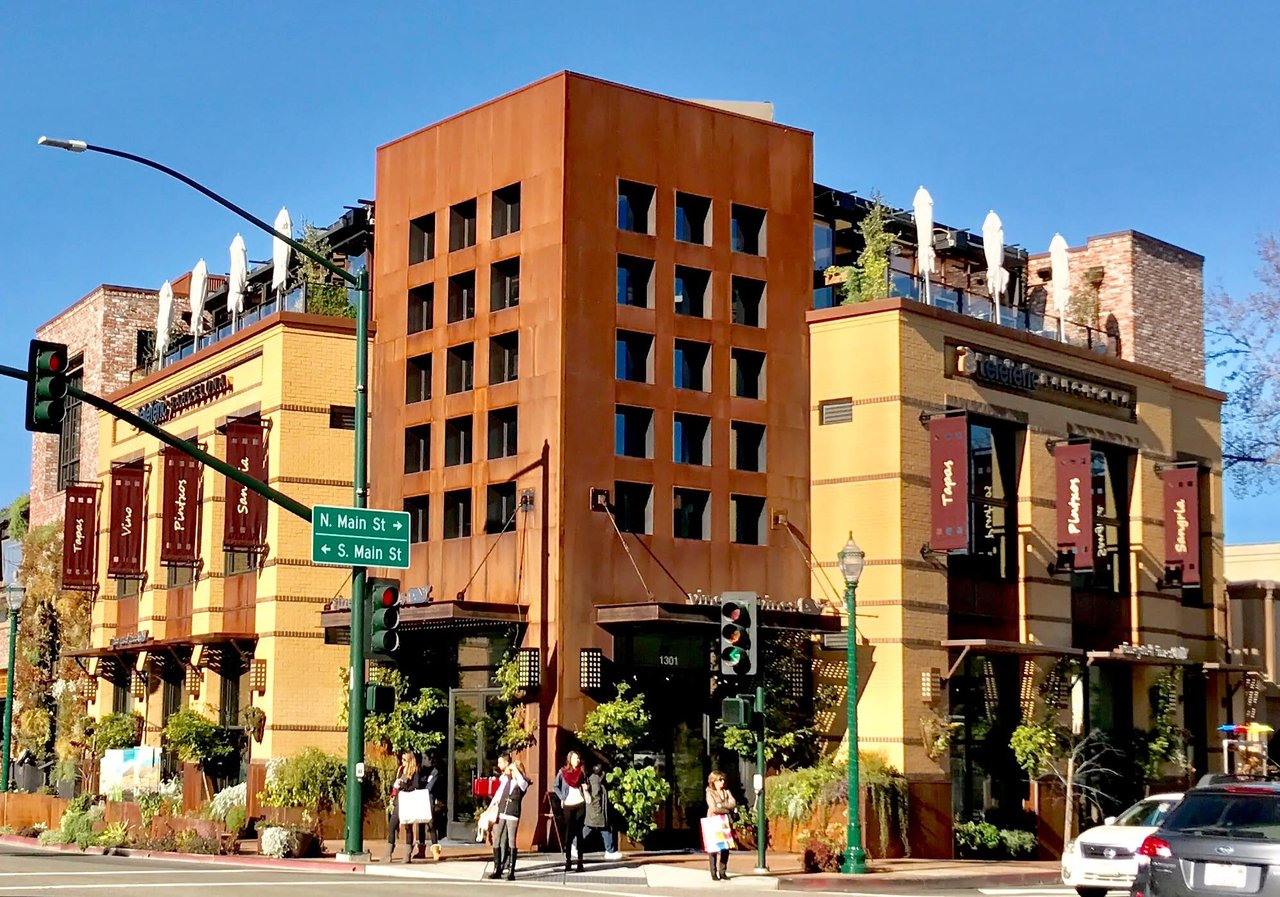
Walk Score rates downtown Lafayetter at 88, compared with a citywide average of around 26. Downtown residents can reach more shops, restaurants, and services on foot, which helps explain the area’s appeal.
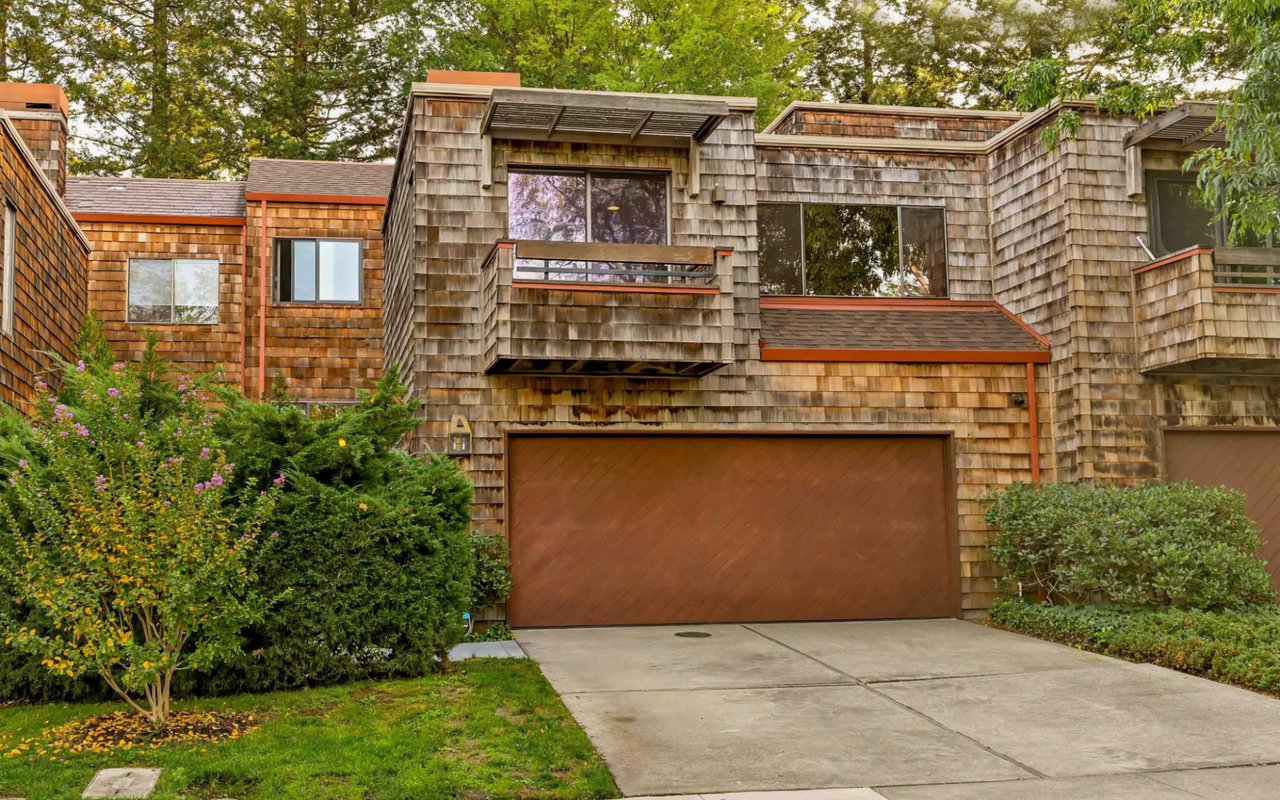
If you want a detached house, a yard, and a short walk to BART, you may face fewer choices than buyers considering condos or townhomes.
For more local insight, read Living Near Downtown Lafayette: Is it Worth the Premium?.
Walnut Creek: Give Condos a Closer Look
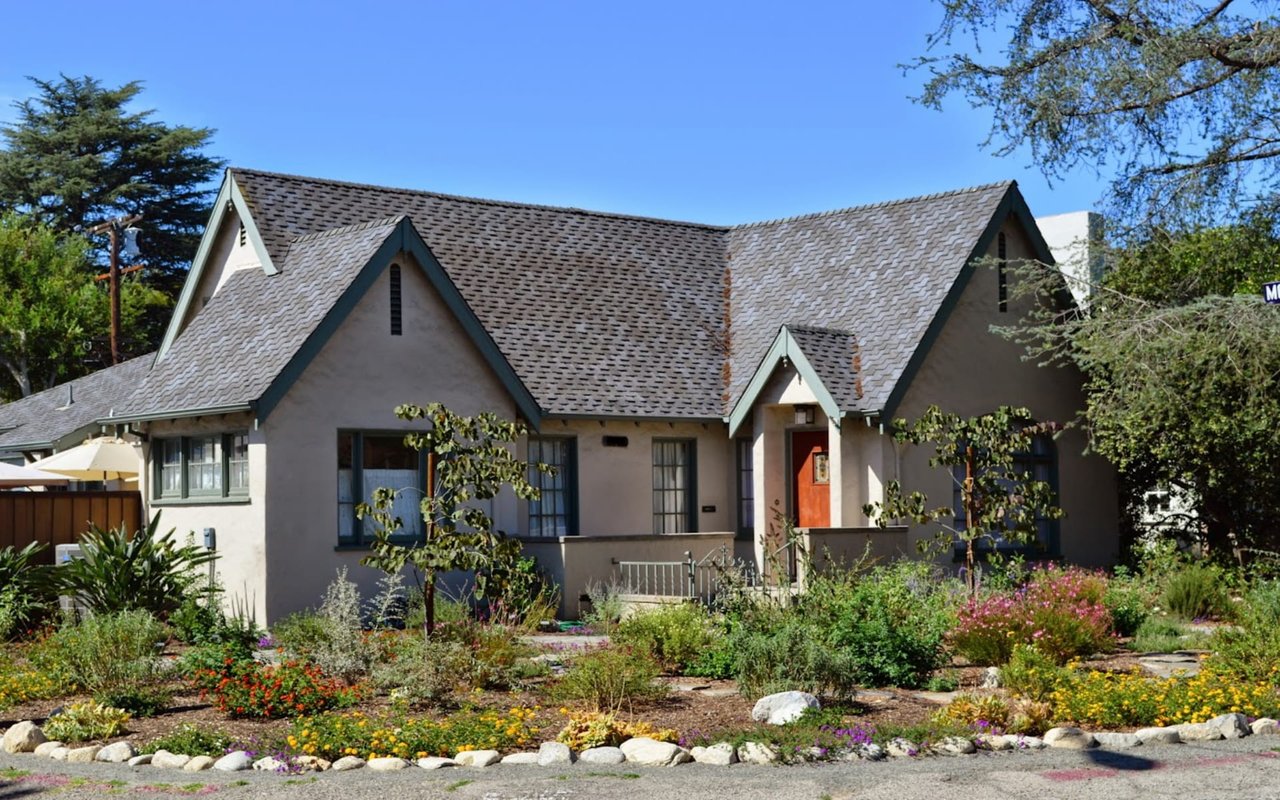
Walnut Creek offers condos, townhomes, and detached houses at different price points. The Strategic Economics findings suggest that condo buyers should pay particular attention to transit access because condos showed a larger historical premium than single family homes.
Still, proximity alone doesn’t determine value. HOA fees, parking, building condition, and access to downtown businesses also affect what buyers will pay.
Families should check school assignments for each property too. A home’s proximity to BART doesn’t determine which schools serve its address.
Will the Premium Hold Its Value?
No published long term study establishes how the BART premium has changed specifically in Lafayette or Walnut Creek.
Research near Fremont’s Warm Springs BART station found that single family homes within two miles sold for roughly 9% to 15% more than homes two to five miles away. That supports the potential value of transit access, but it doesn’t guarantee similar results in Lamorinda.
BART’s June 2026 figures showed average weekday exits of 3,662 at Walnut Creek, up 15.2% year over year, and 2,088 at Lafayette, up 15.4%. Rising ridership suggests stronger station use, but it doesn’t prove that nearby homes will appreciate.
Future resale value will also depend on property condition, pricing, service reliability, and buyers’ commuting habits.
So, Should You Pay More?
If your ride BART three or more days a week, walking to the station could save time and reduce your reliance on a car. That convenience might just be worth paying extra for. Imagine strolling to the station and skipping the parking hassle.
But if you’re going to drive to the station anyway, consider homes farther out. Our historical Contra Costa County research suggests that properties a short drive from BART can command premiums similar to those within walking distance, so you may not need to pay the walkable premium to get the transit benefit.
Before making an offer, compare recent sales of similar homes near the station with properties farther away. Then run the numbers on how the price difference affects your monthly payments, taxes, insurance, and commuting costs.
My take: Buy near BART when you’ll use the convenience regularly and comparable sales support the price. Research confirms that buyers value transit access, but the exact 10 minute walking premium in Lafayette and Walnut Creek remains unverified.
Want to talk through specific properties? Visit the Kelly Crawford Homes buyer page, browse the neighborhood guides, or reach out to our team. We’re happy to walk you through it.
-Kelly