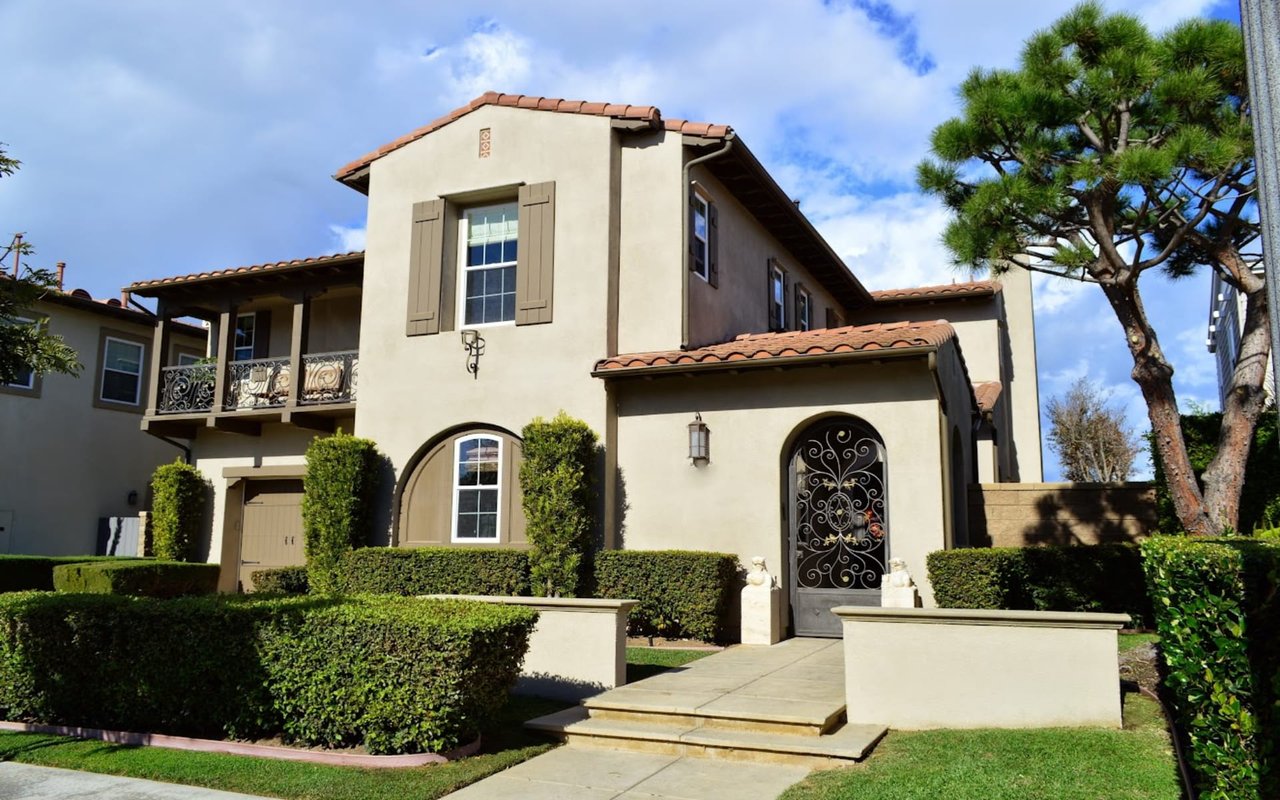
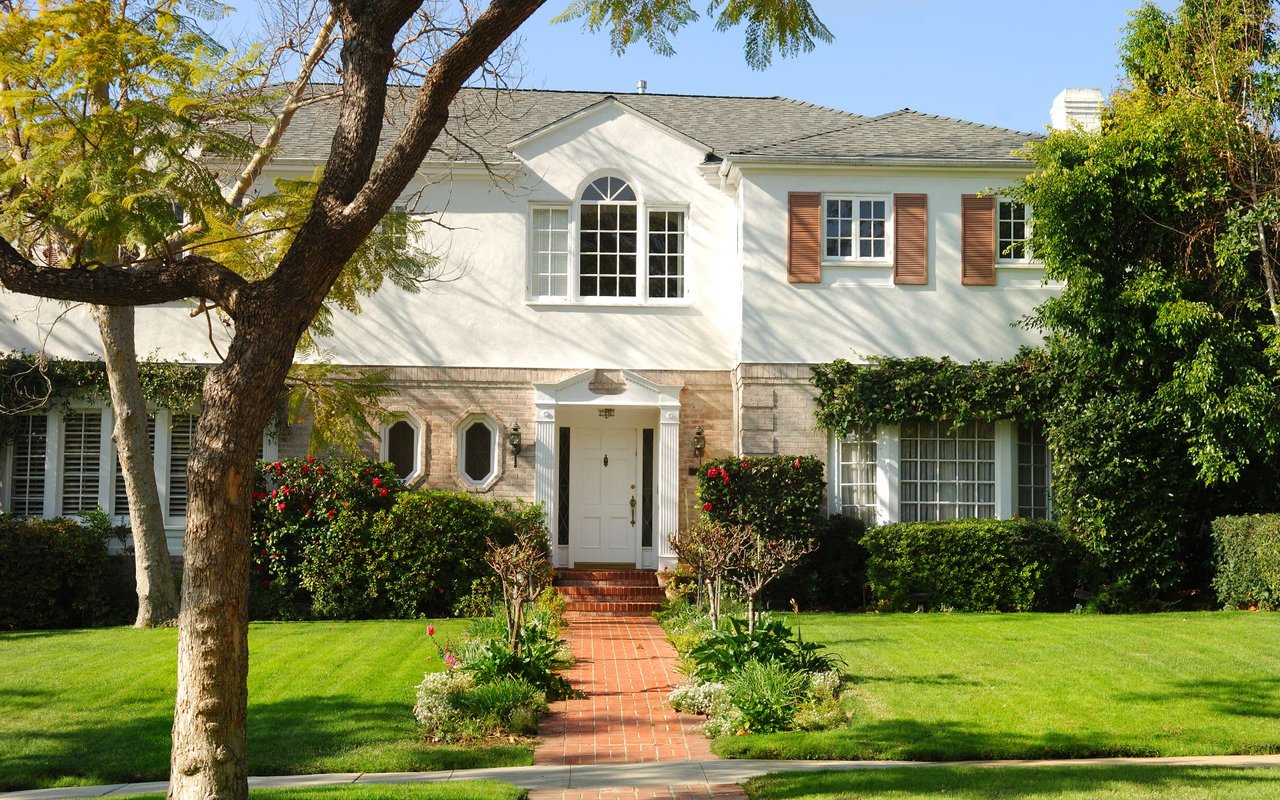
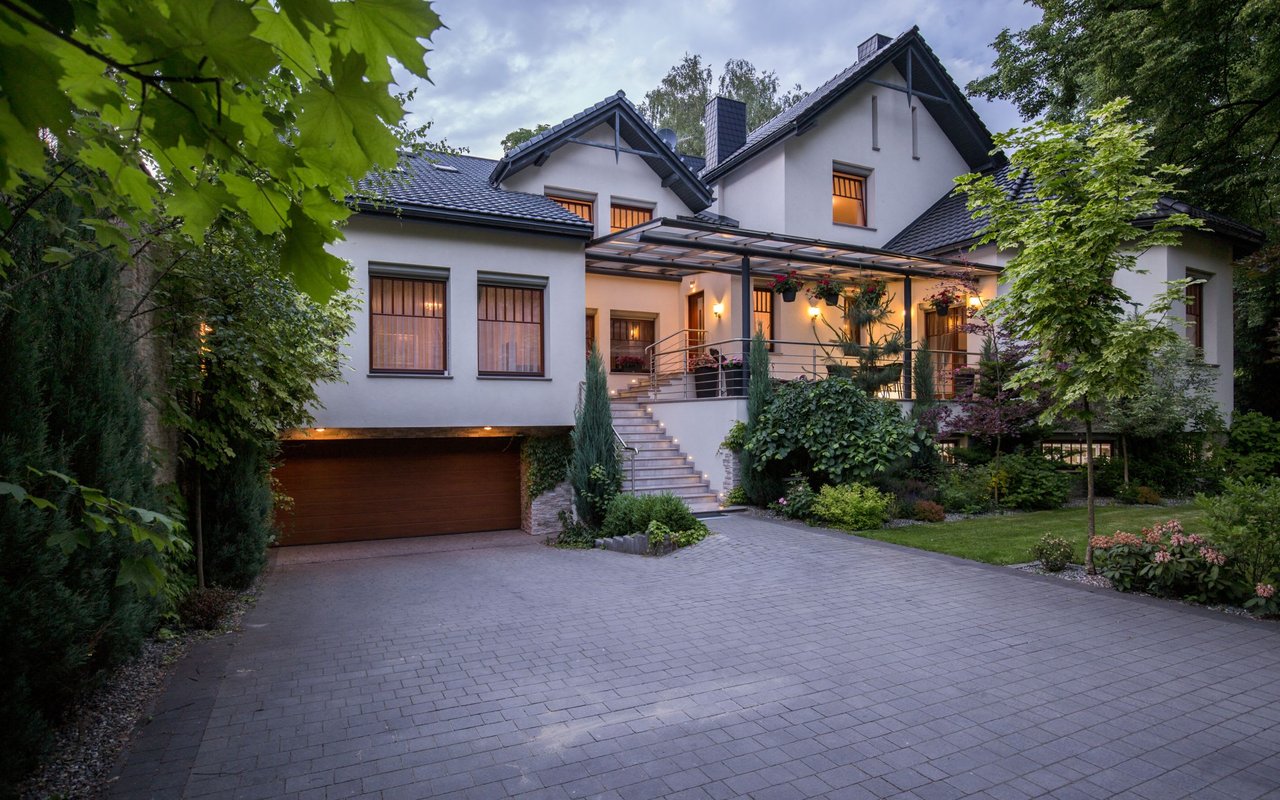
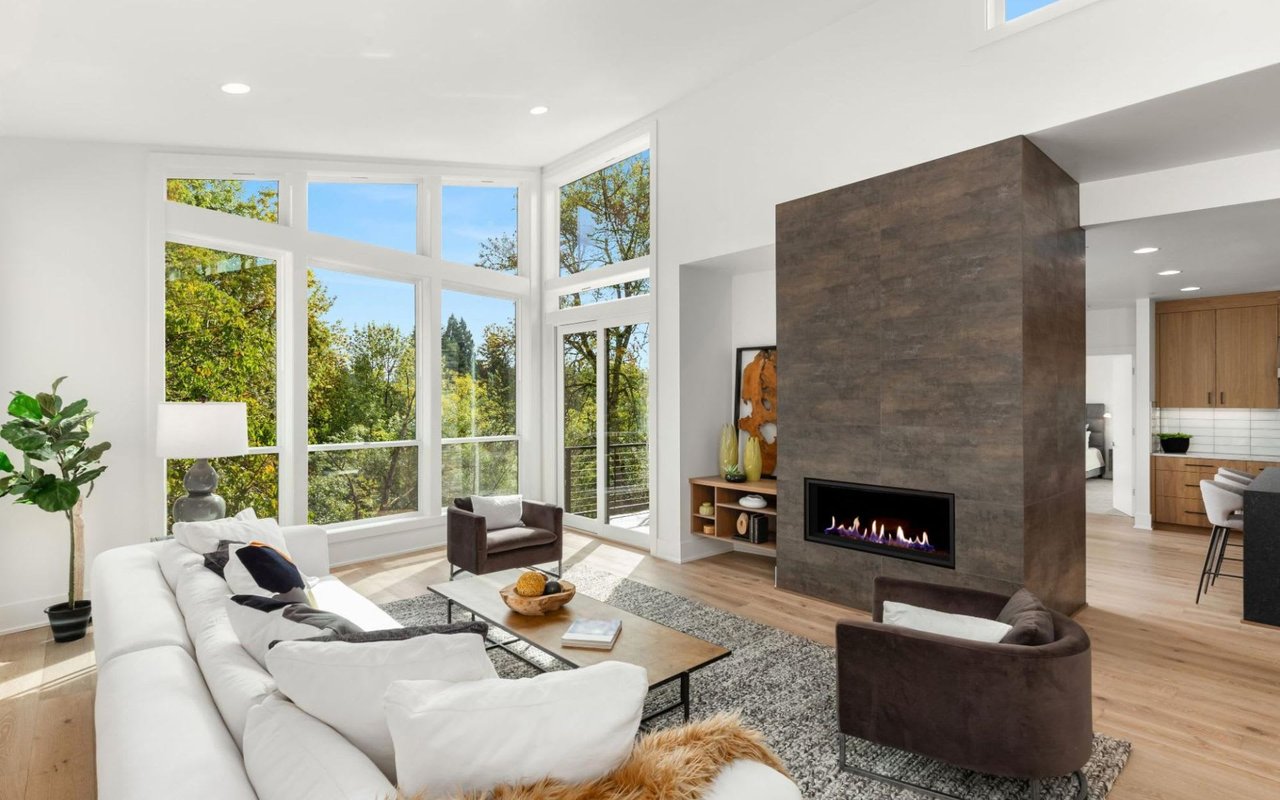
If you're looking for homes for sale in Alamo, CA, you have probably picked up on something unusual. Alamo has a ZIP code, good schools, and a strong community feel, but it never became a proper city.
Alamo is an unincorporated area in Contra Costa County. That means no city hall, no mayor, and no separate city property tax.
When you compare Alamo to nearby towns like Danville or Walnut Creek, that distinction matters more than you might think. It changes what you pay each year. It changes how much land you can get. And it changes the whole character of the neighborhood you would call home.
What "Unincorporated" Actually Means Day to Day
Because Alamo never formed its own city government, the county handles everything. Law enforcement comes from the Sheriff's Office, fire protection from the San Ramon Valley Fire Protection District, and planning permits go through county desks.
Twice, in 2007 and 2009, residents voted down incorporation. They liked the arrangement well enough. You do not miss the extra red tape, and you do not feel abandoned. County services work fine.
Why Lots Here Tend to Be So Generous
Let us talk about lot size, because that is usually what grabs people first when they start looking at Alamo.
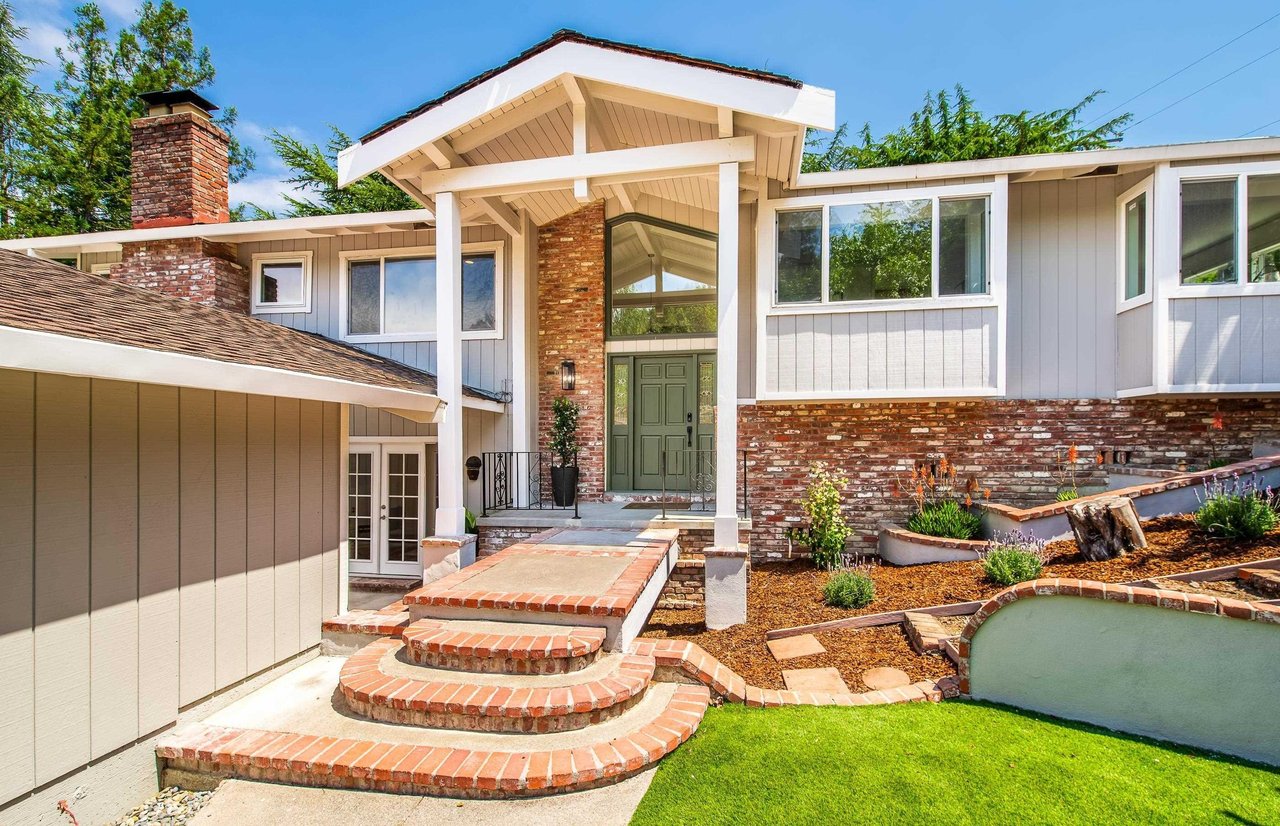
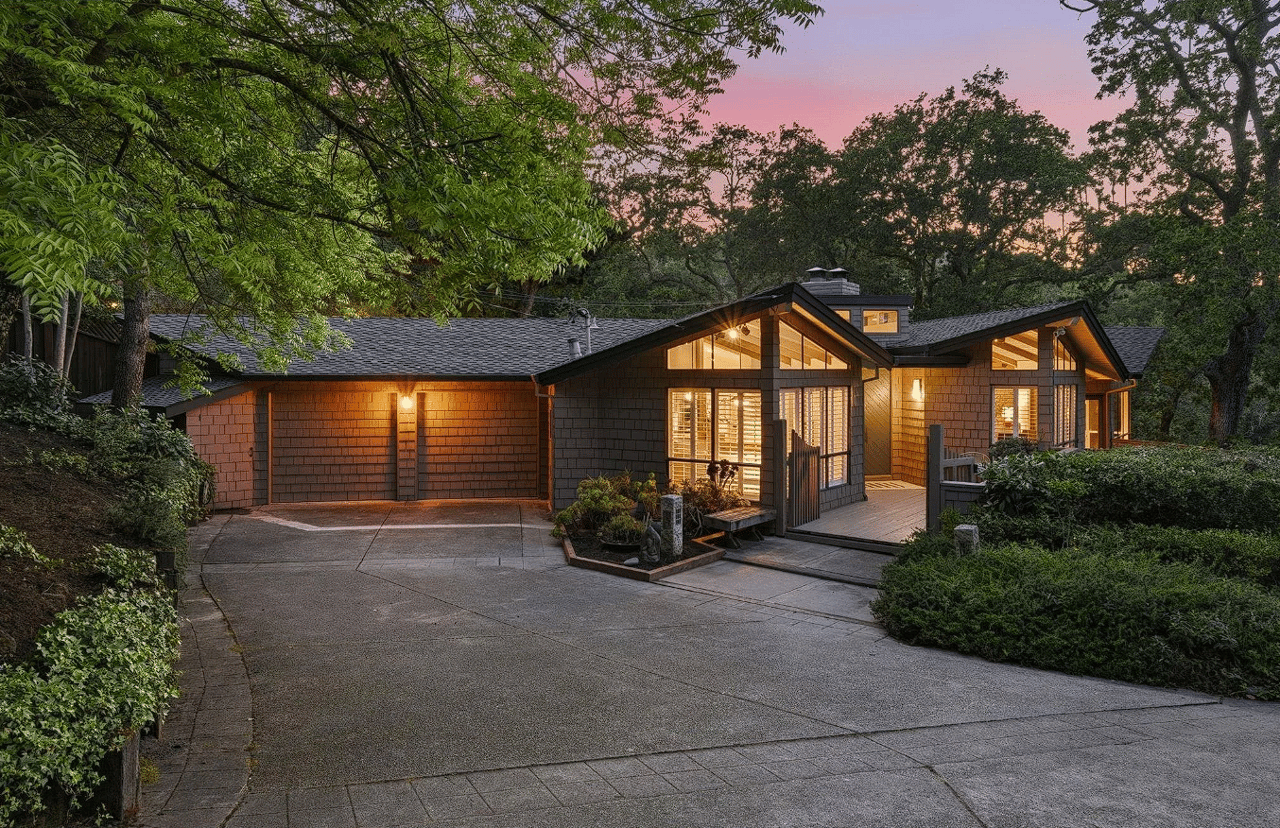
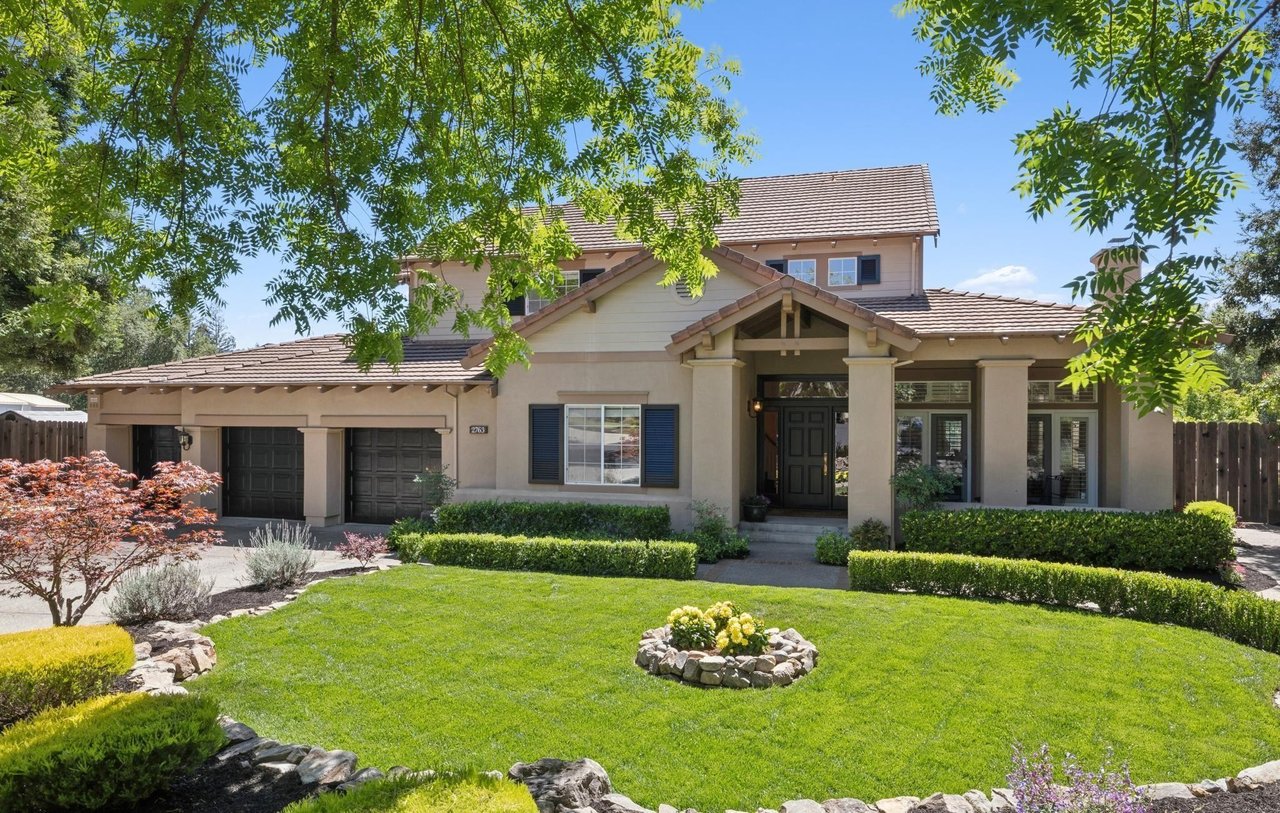
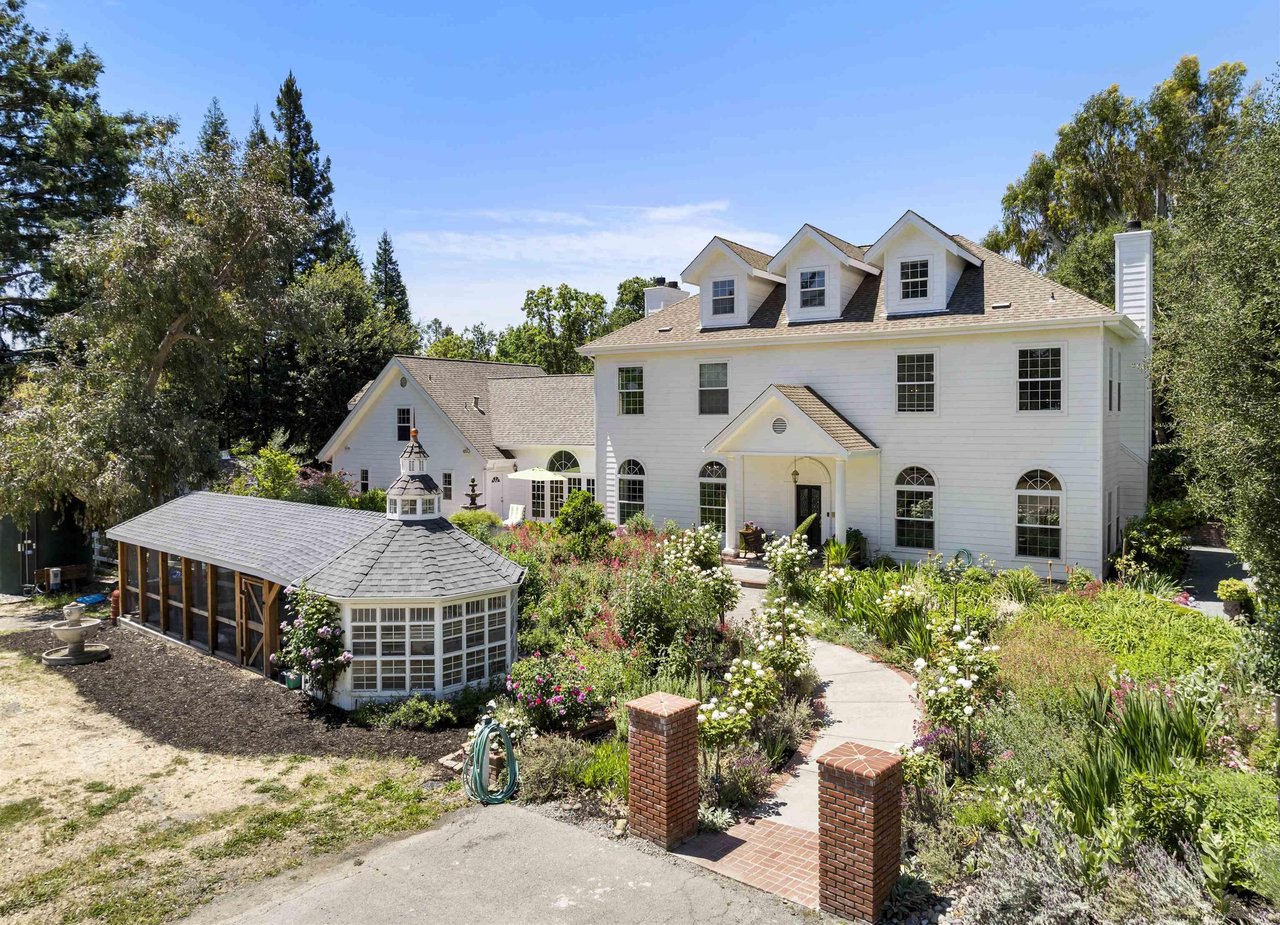
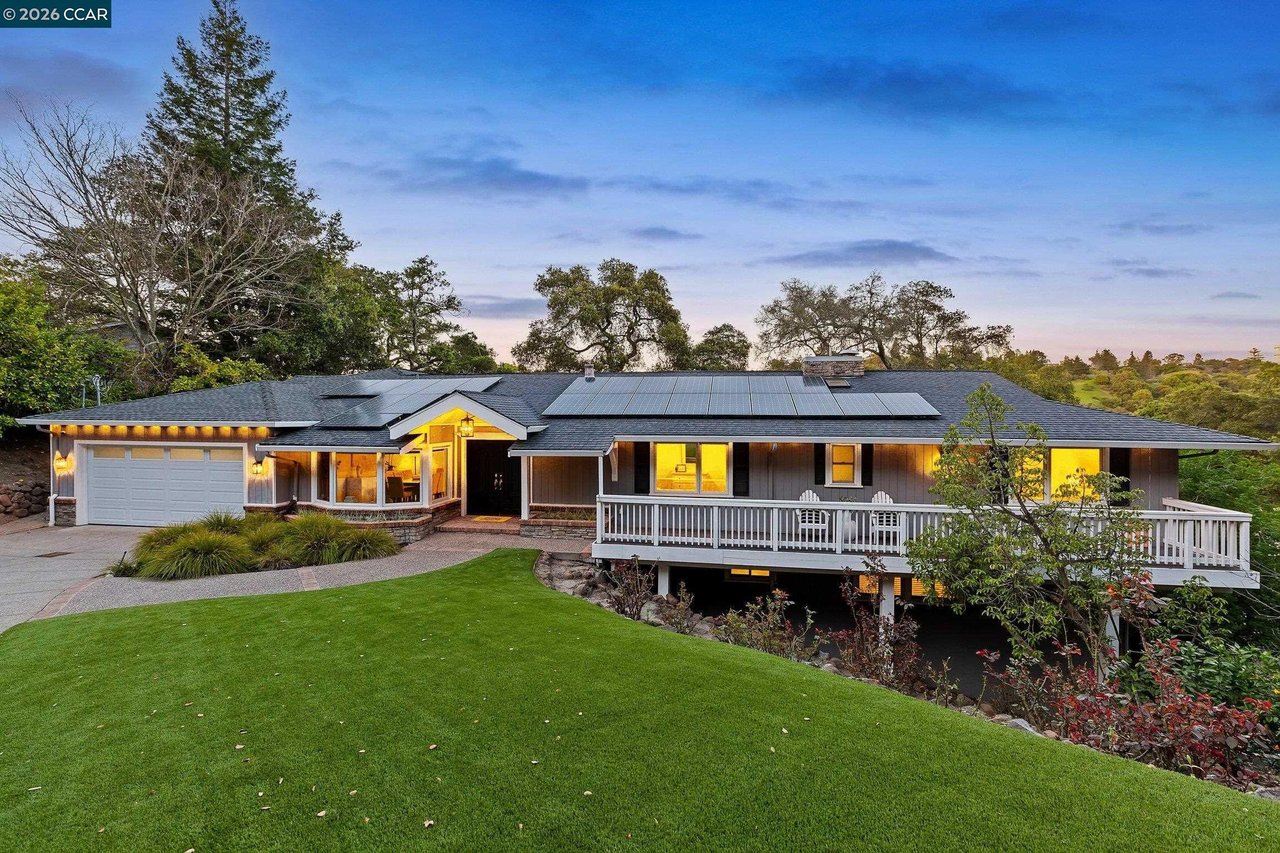
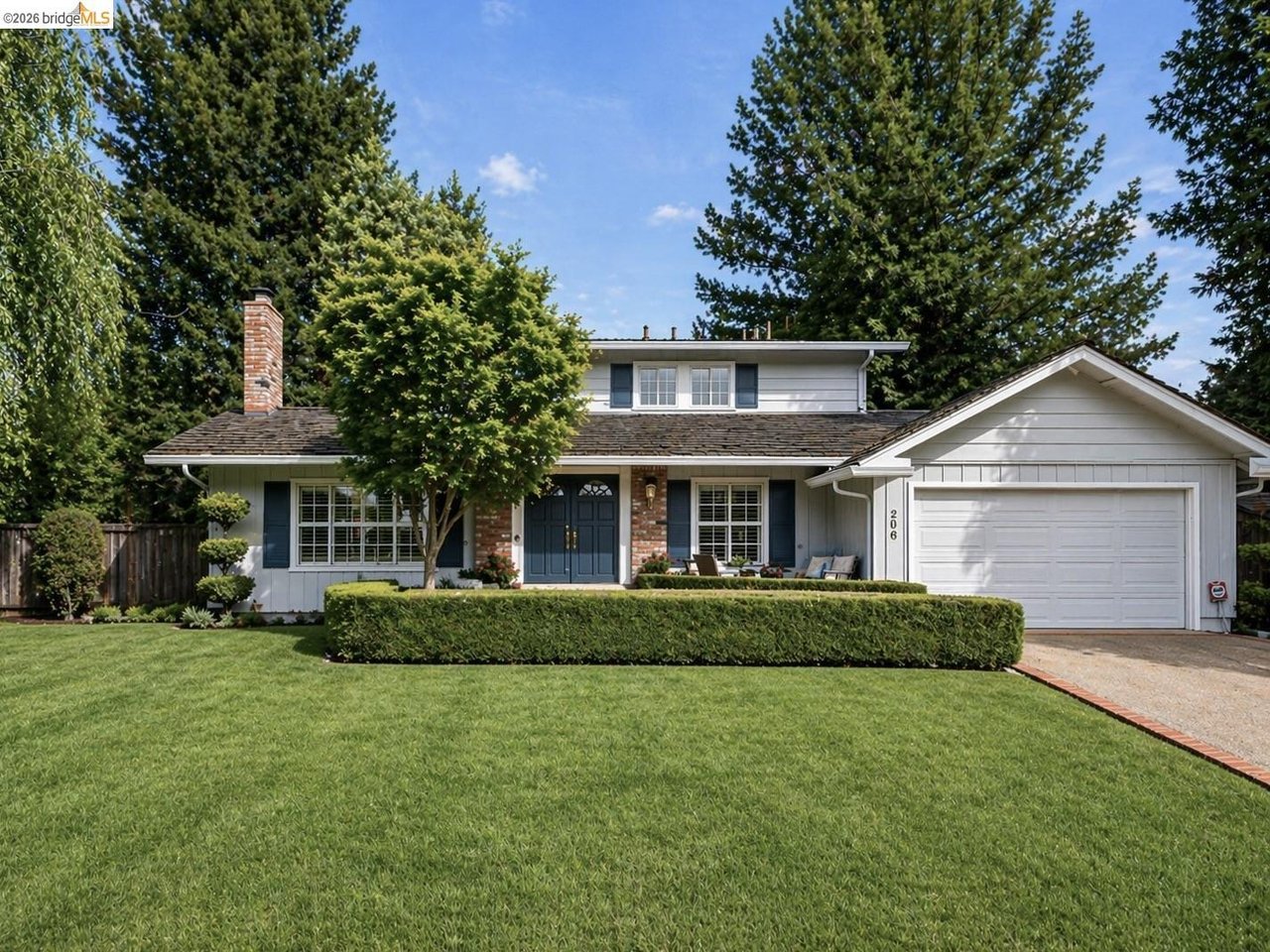
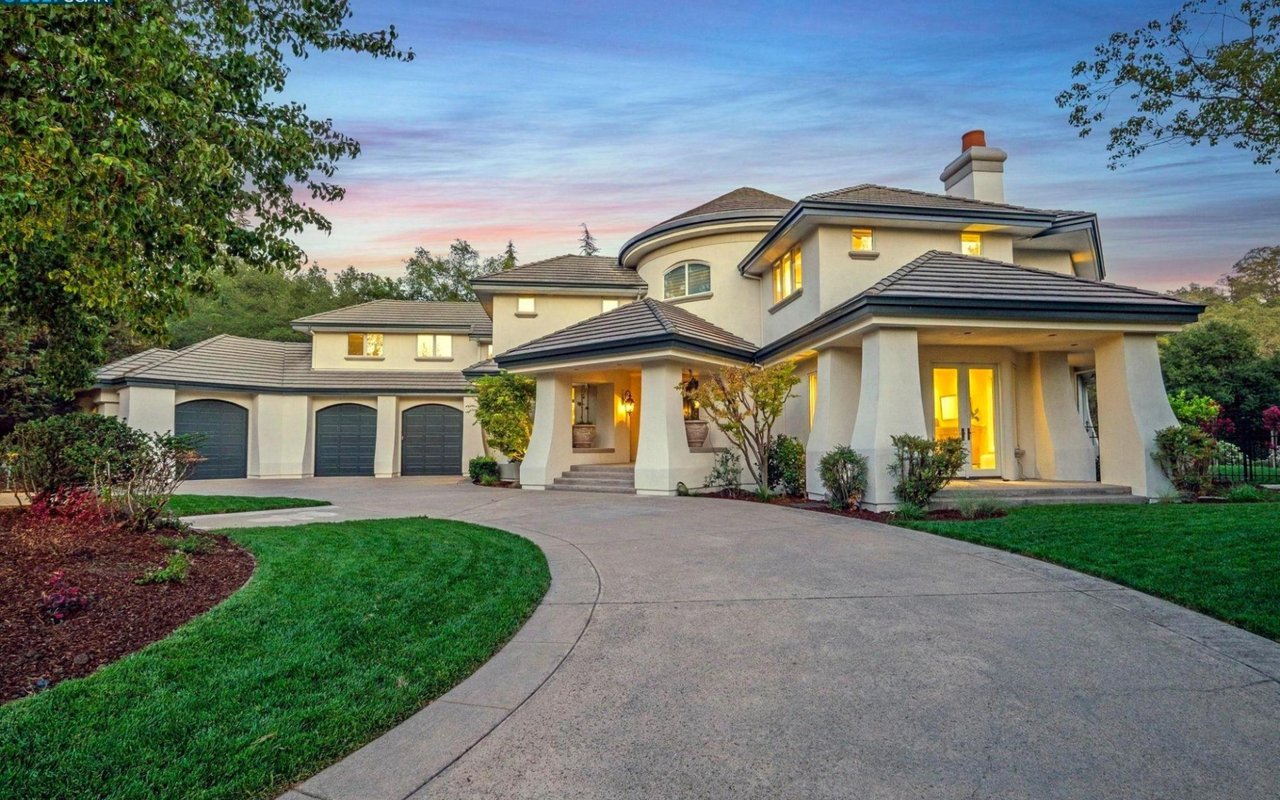
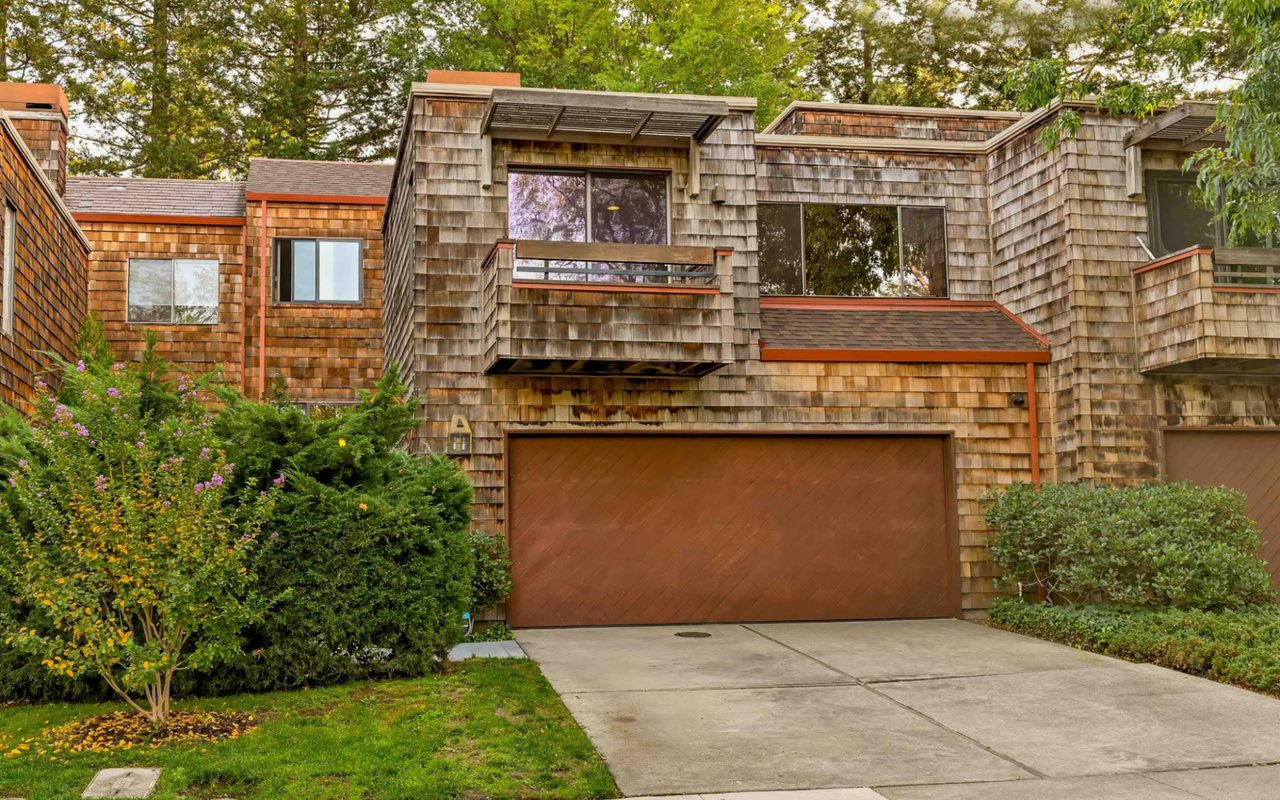
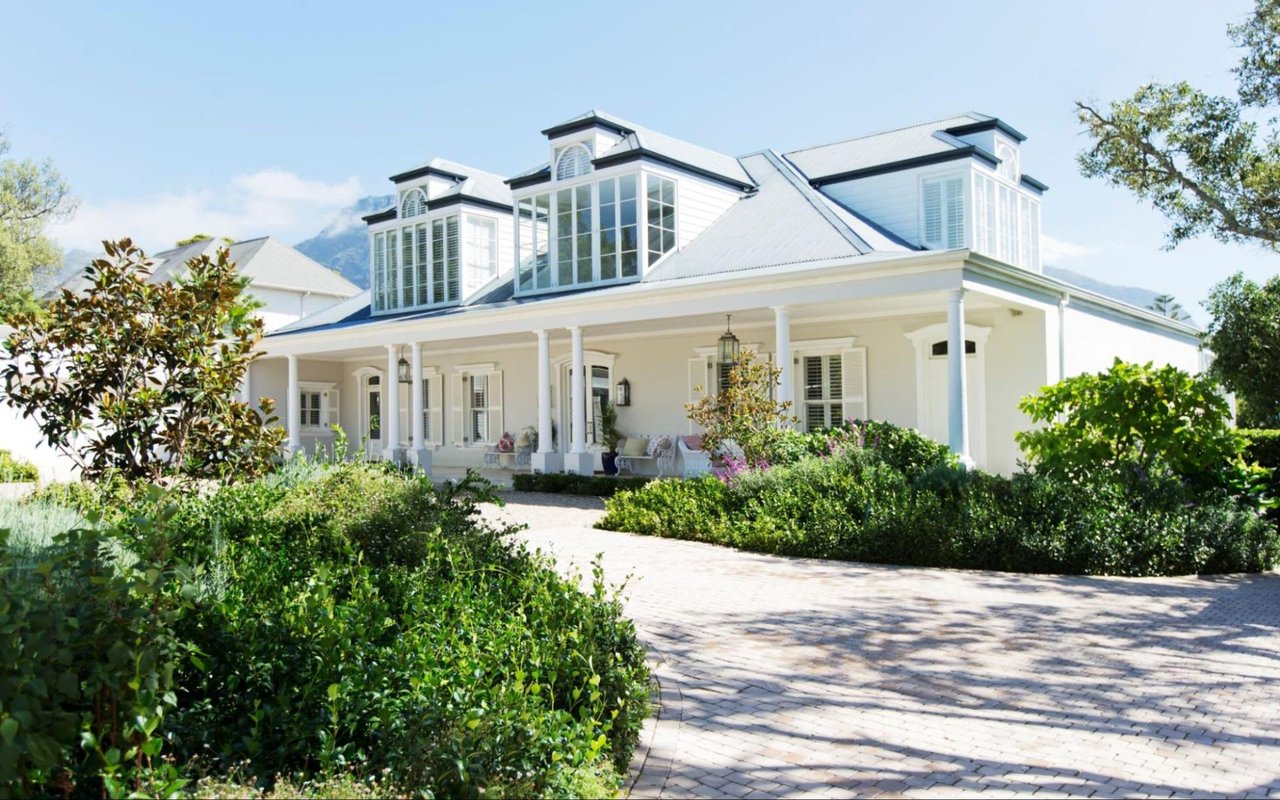
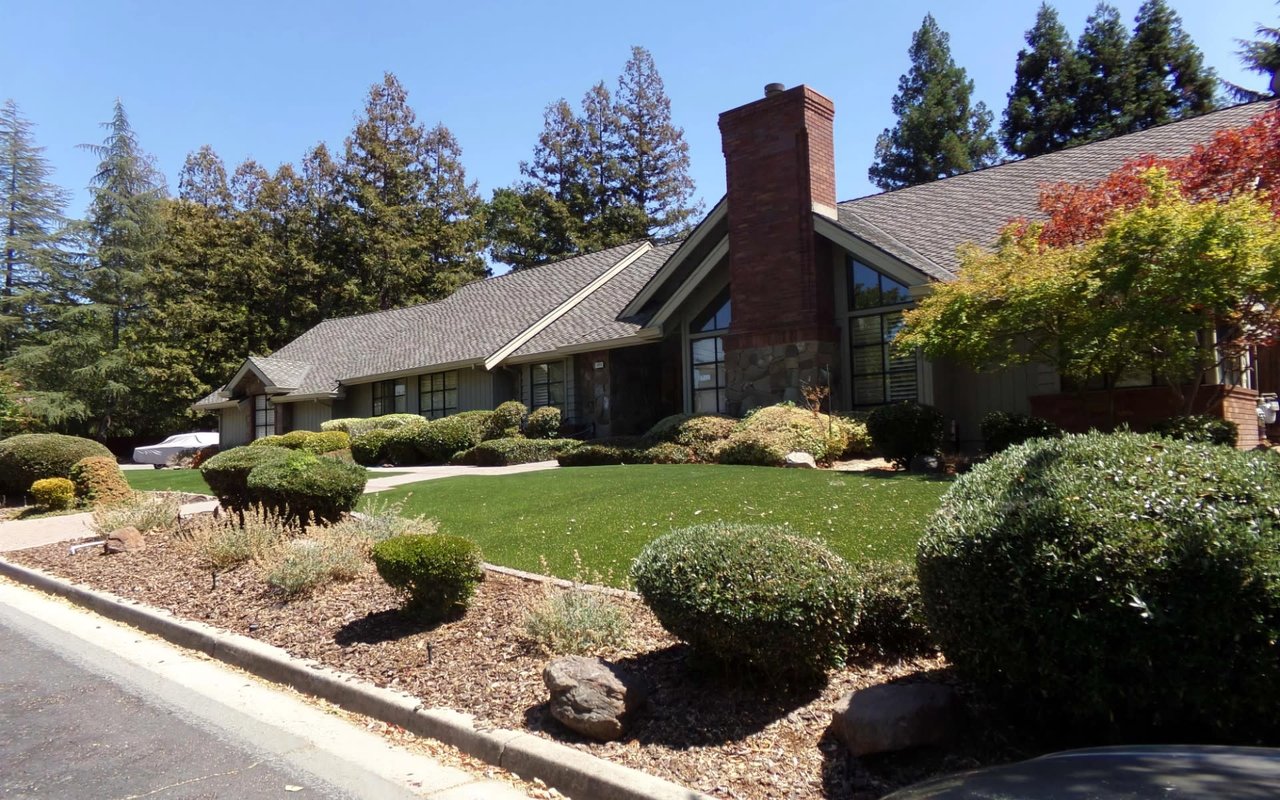
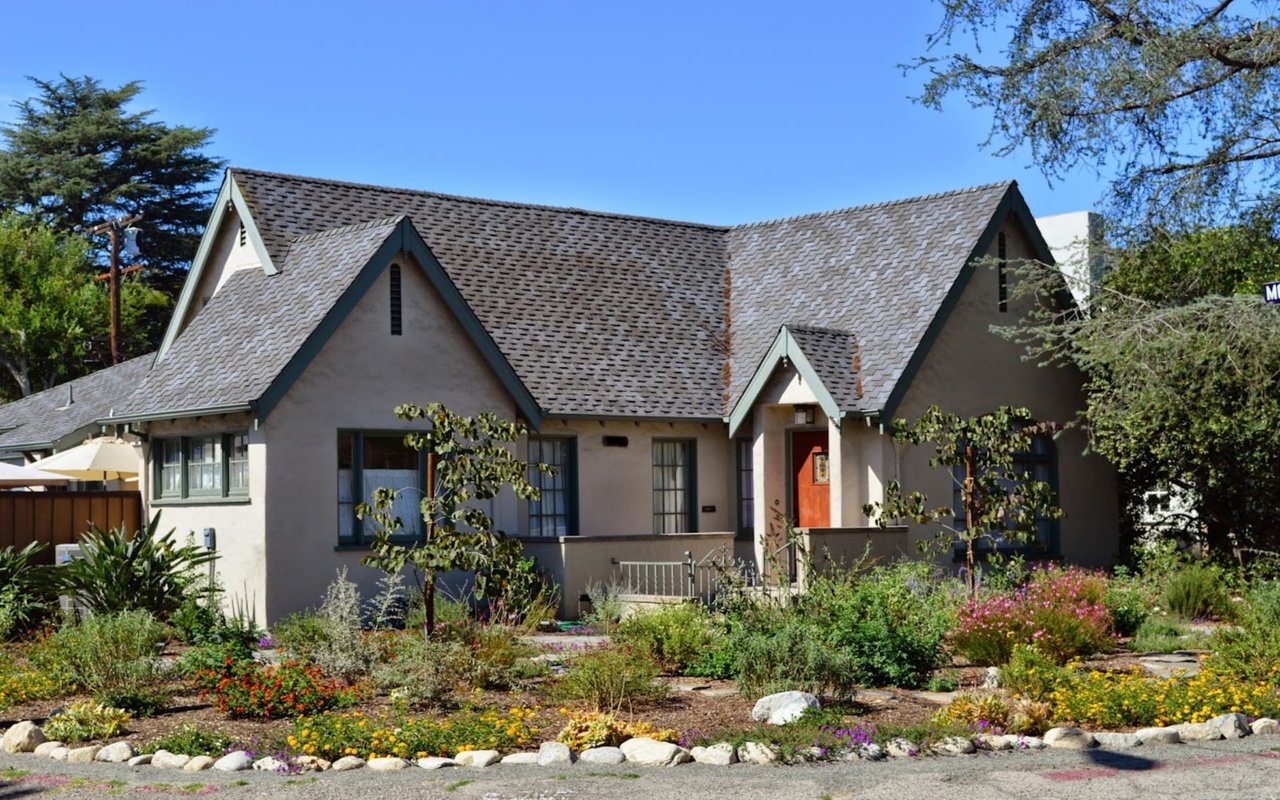
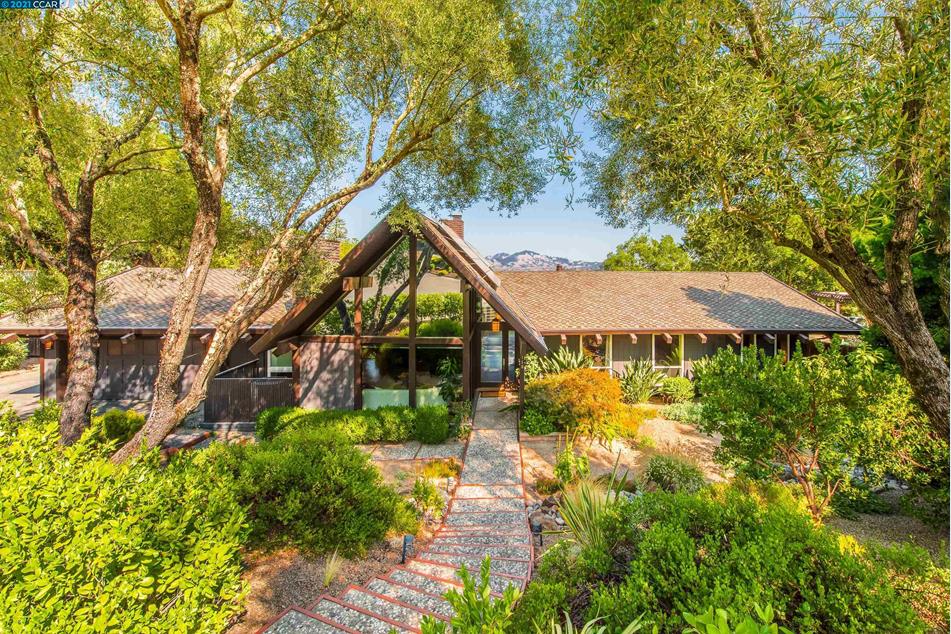
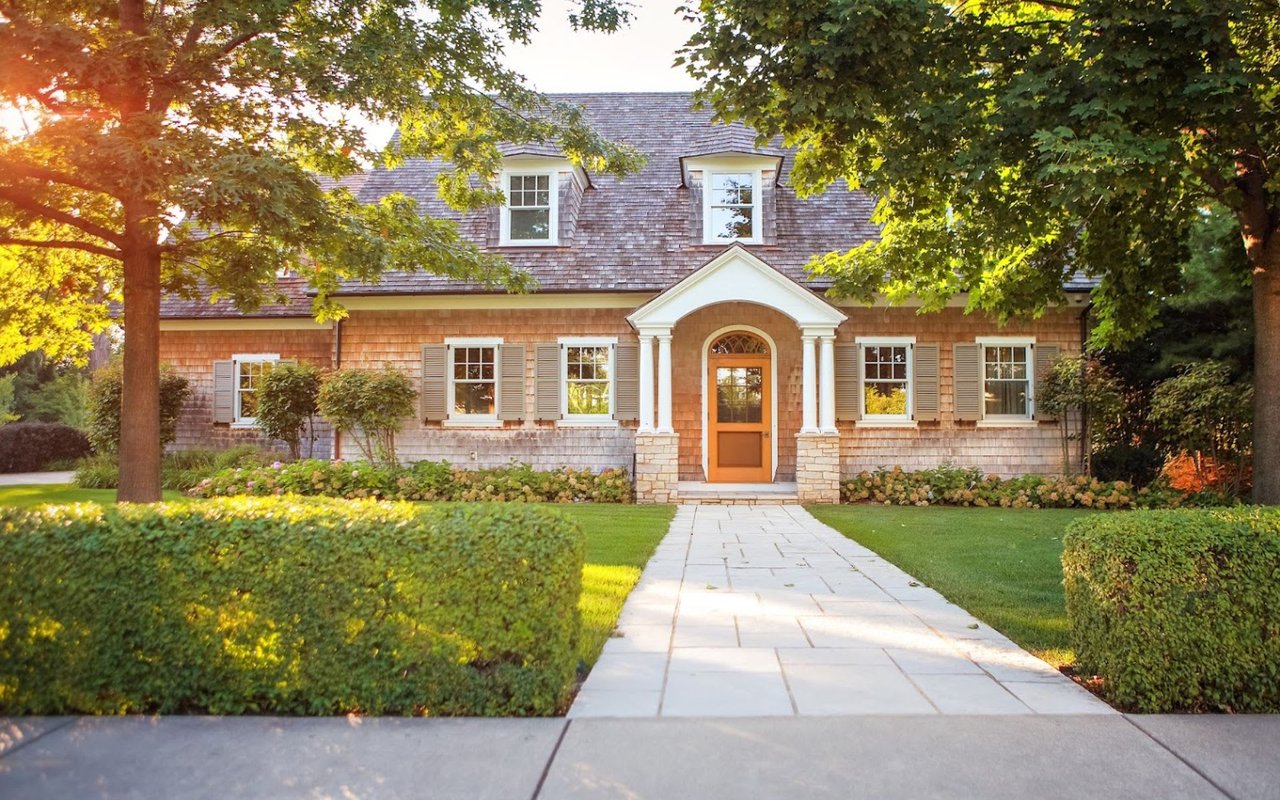
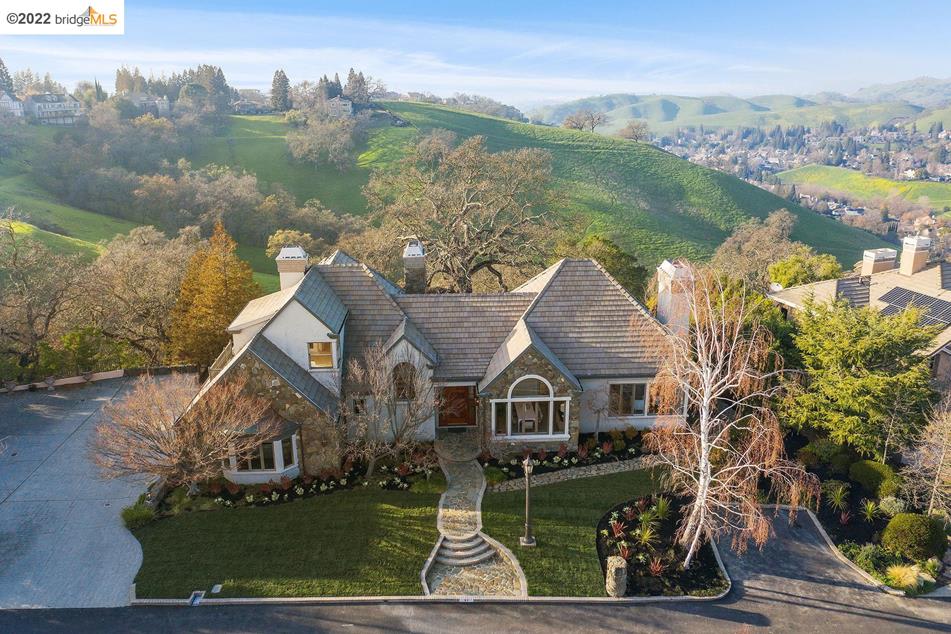
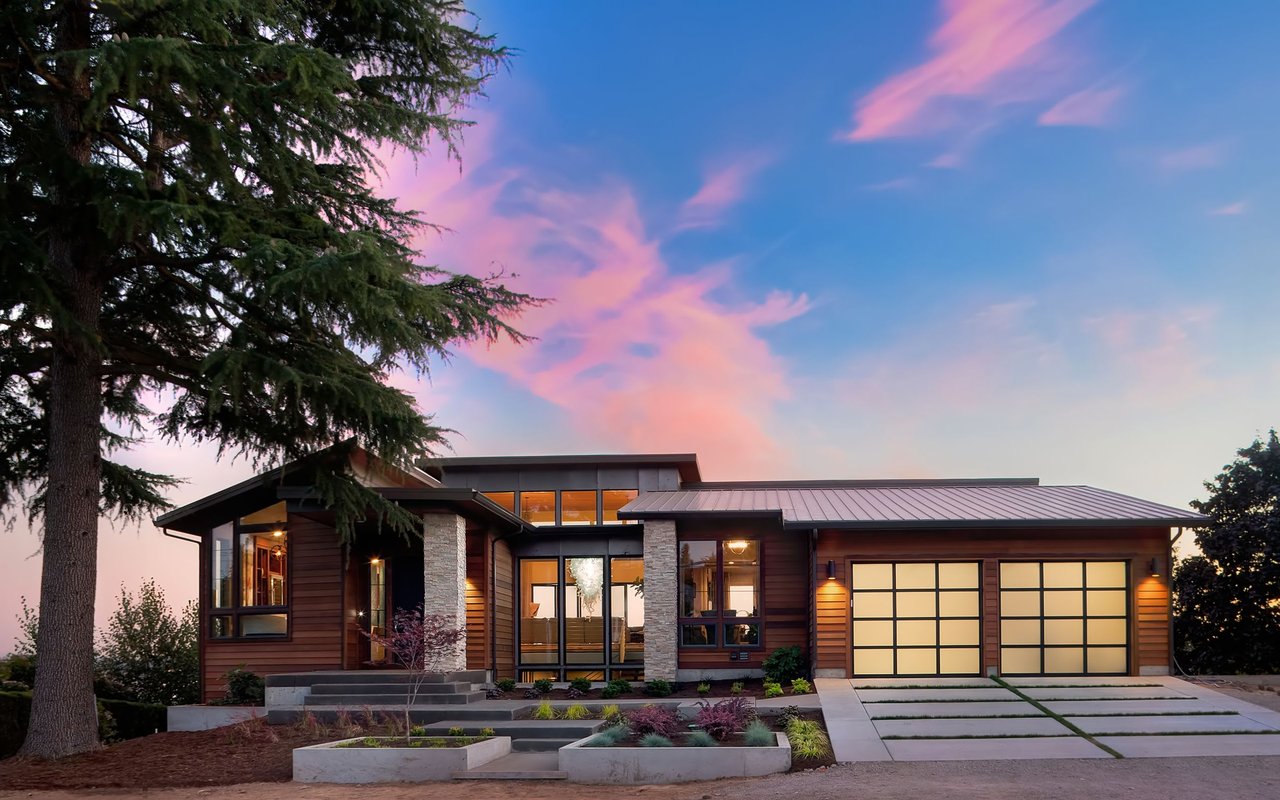
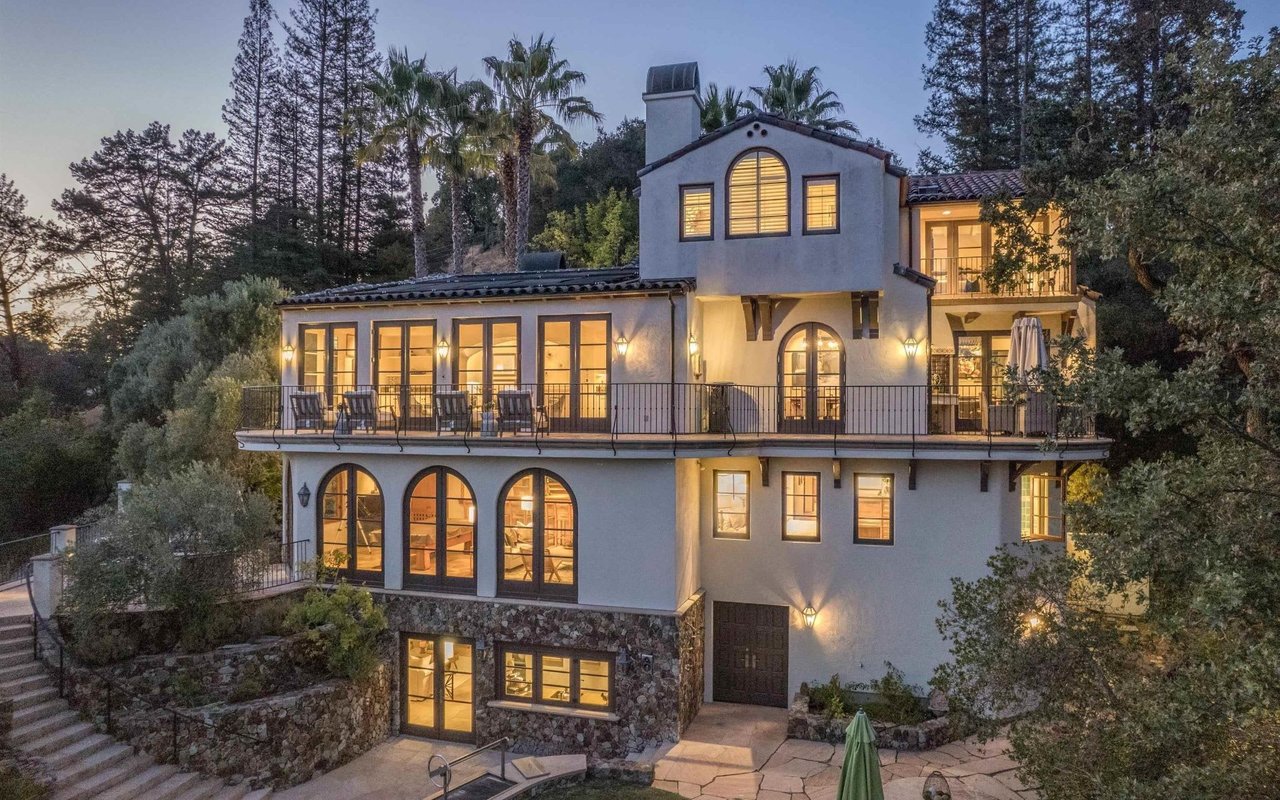
The county's General Plan describes Alamo as a community of ranch style homes on large lots, with some larger estate properties. This reflects the area's past as ranches and orchards in the late 19th century.
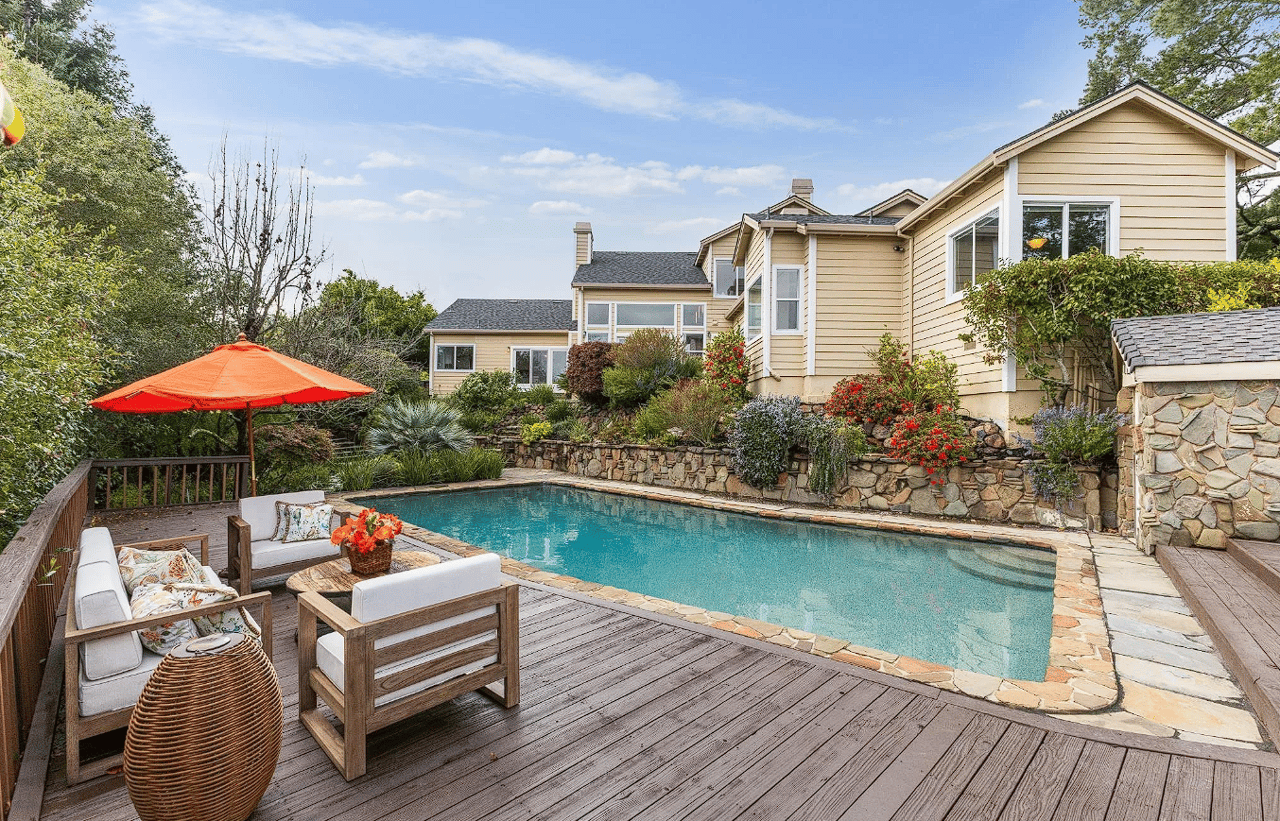
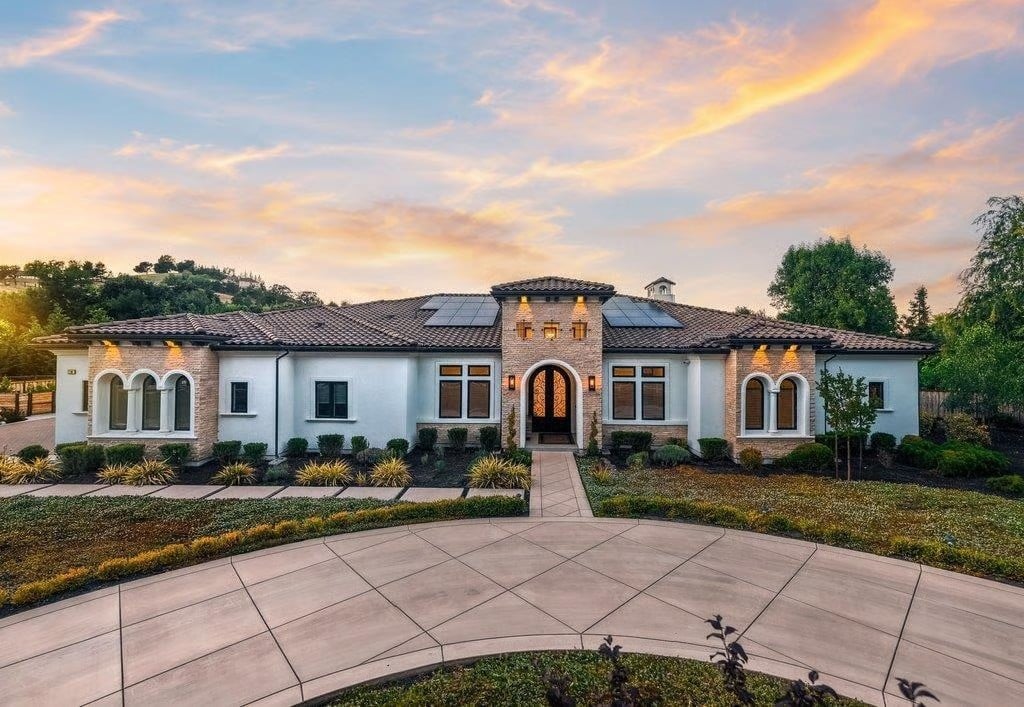
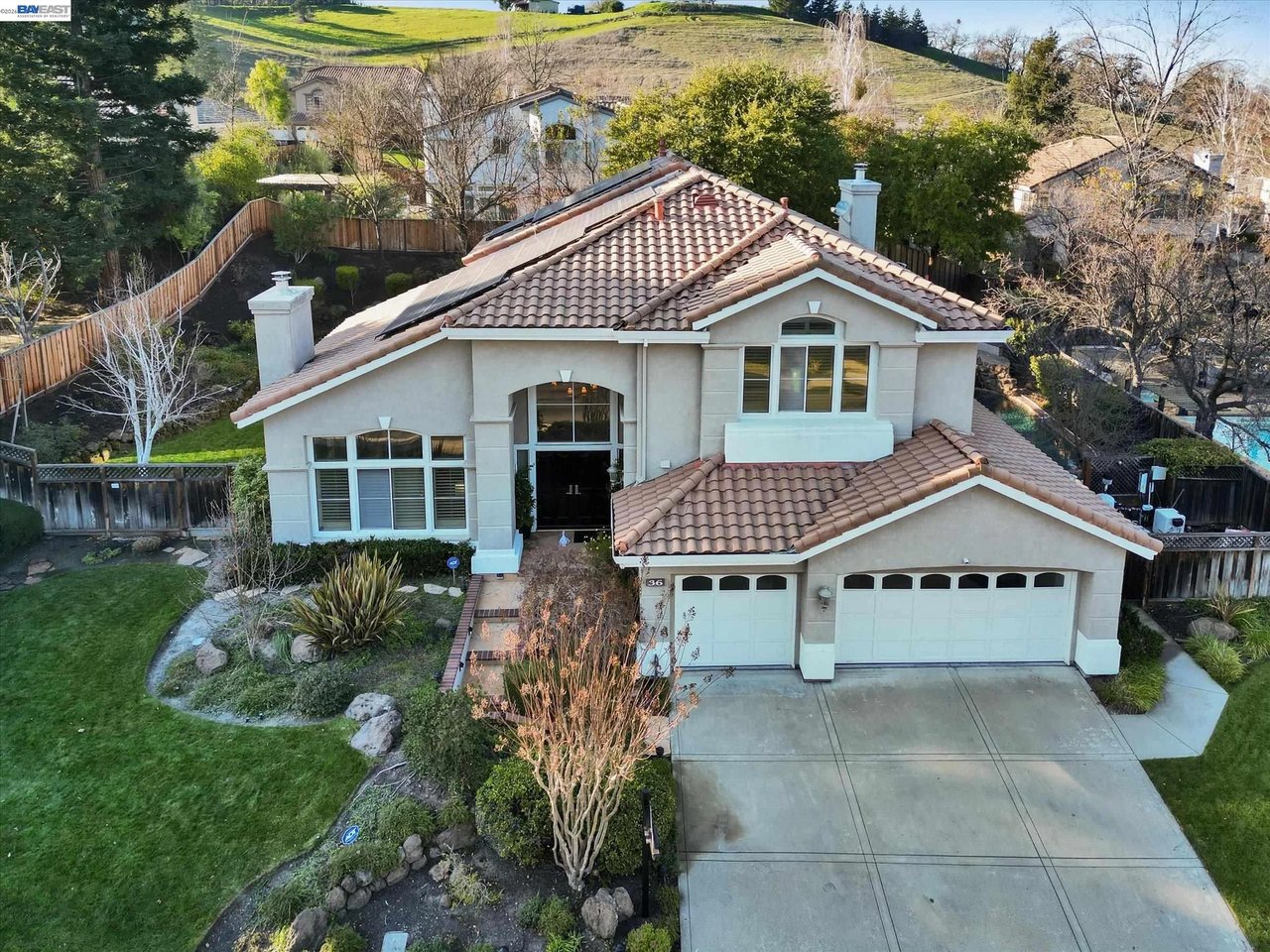
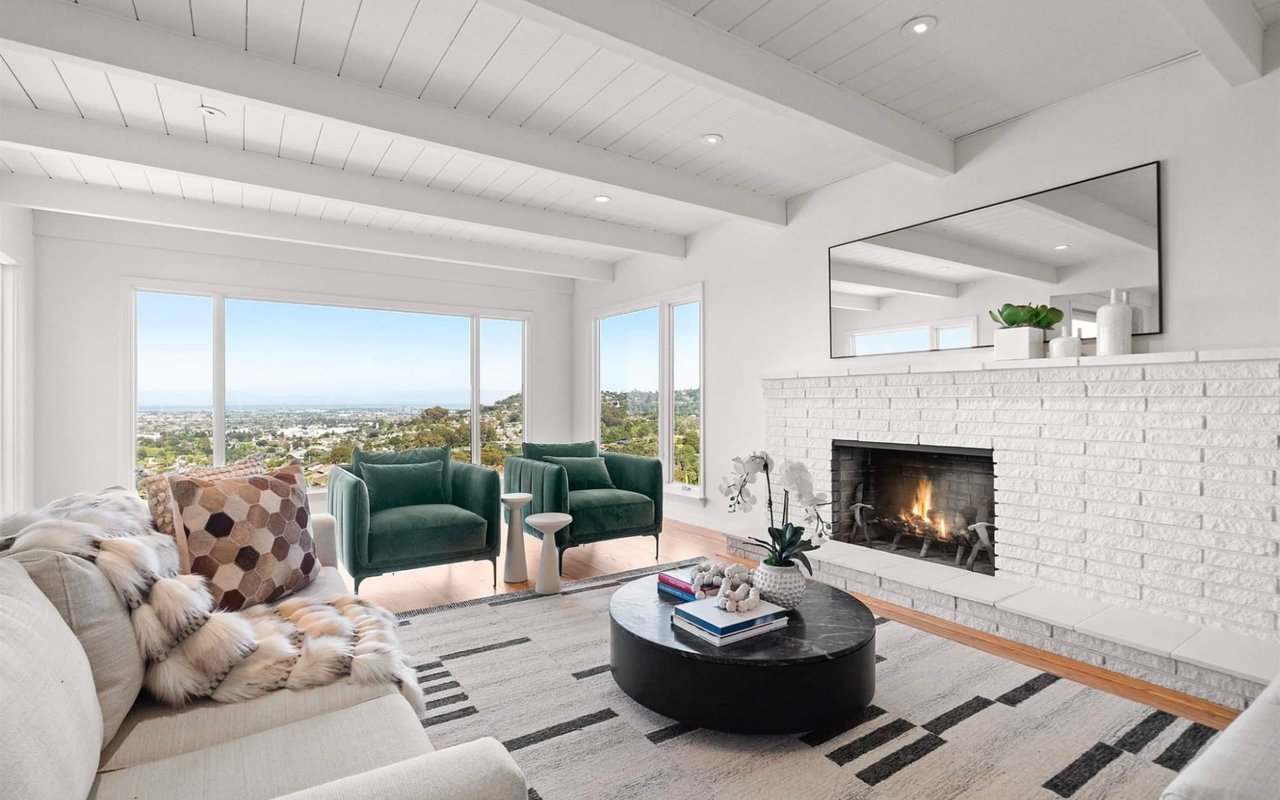
Pull up current listings and you will see a real spread. Plenty of homes come on lots ranging from about half an acre to a full acre or more. Then you have the rural outliers. I came across one property with 14.59 acres zoned specifically for horses. Another 1.07 acre property has well access and no HOA.
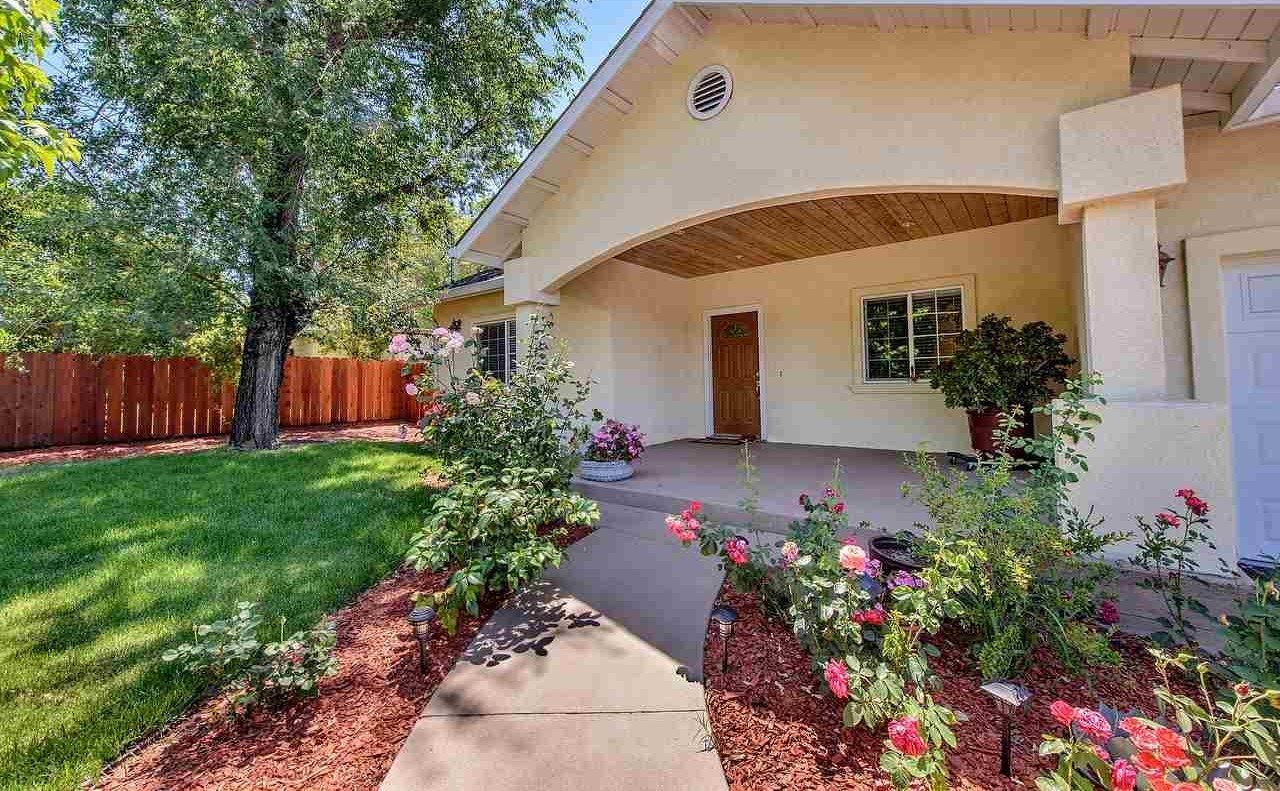
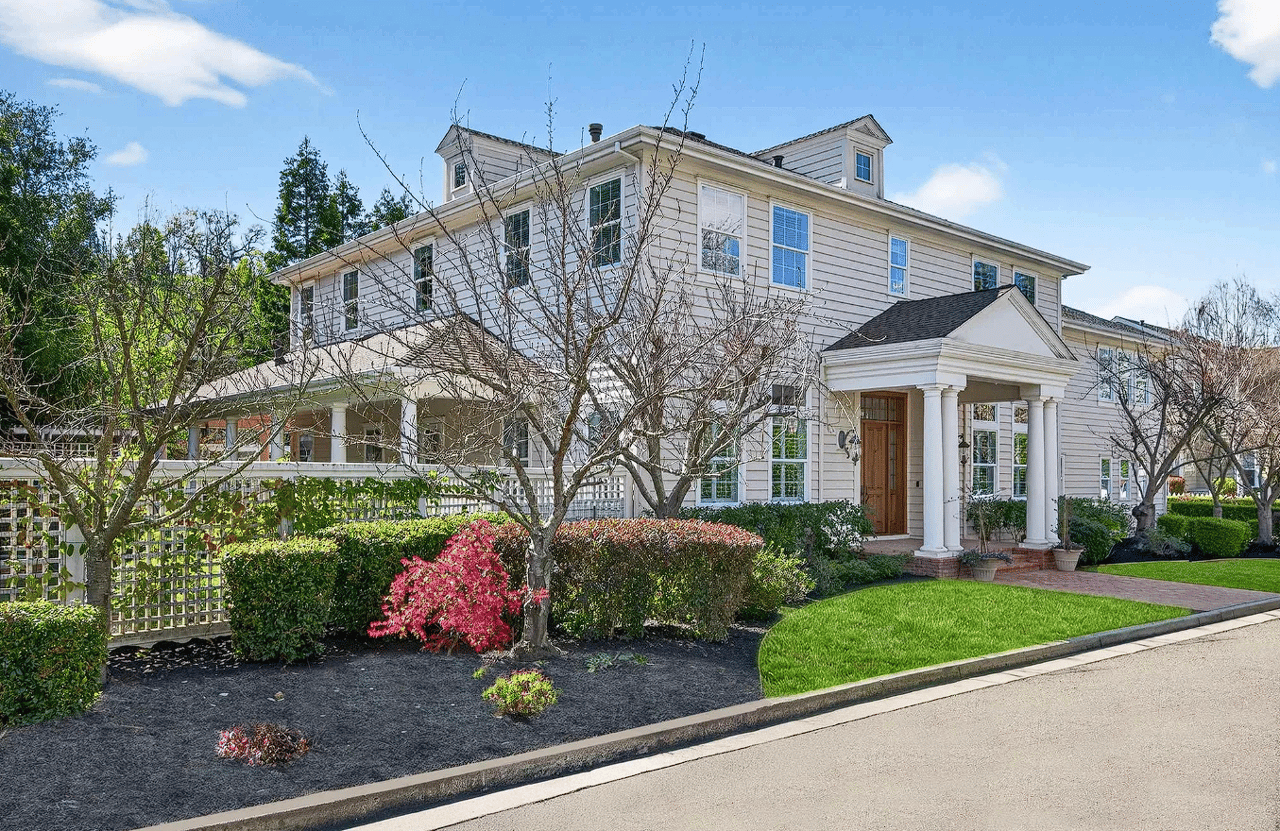
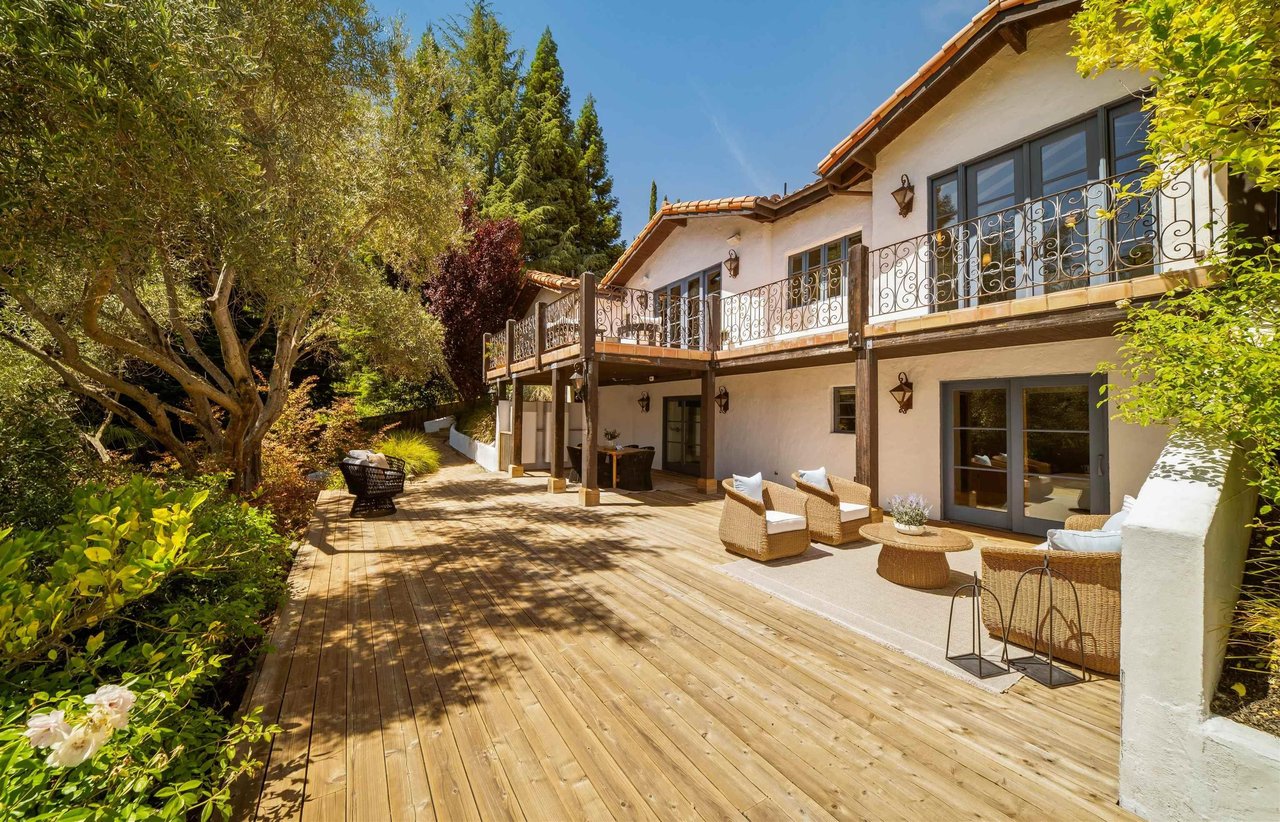
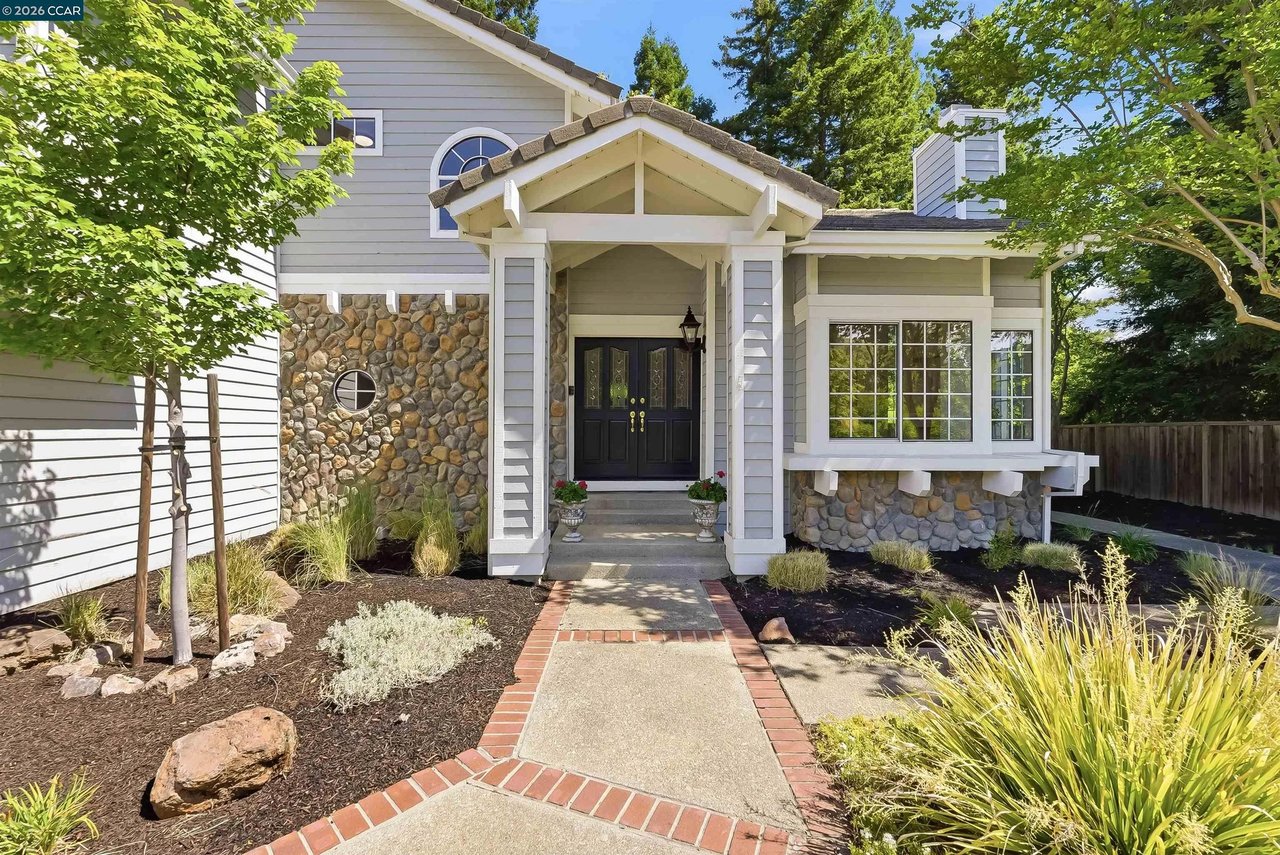
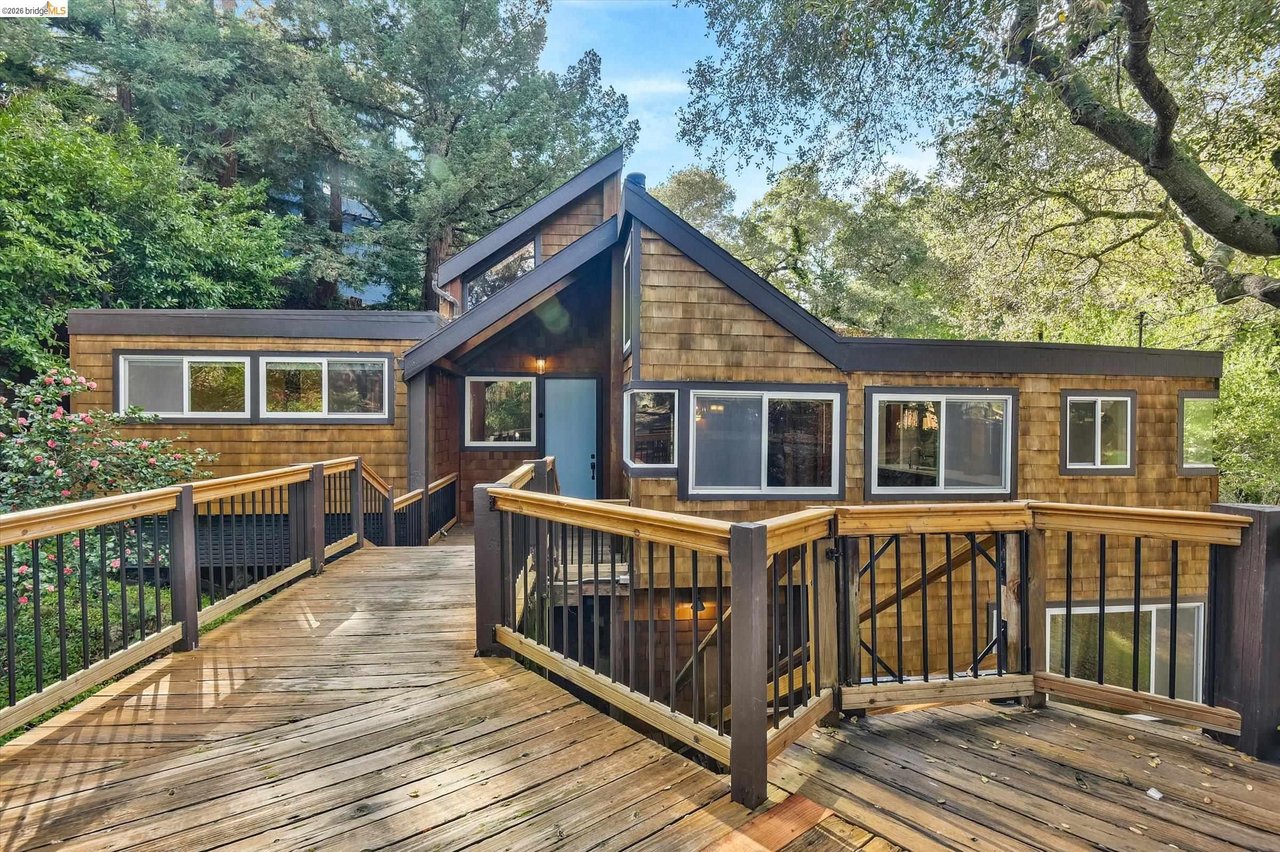
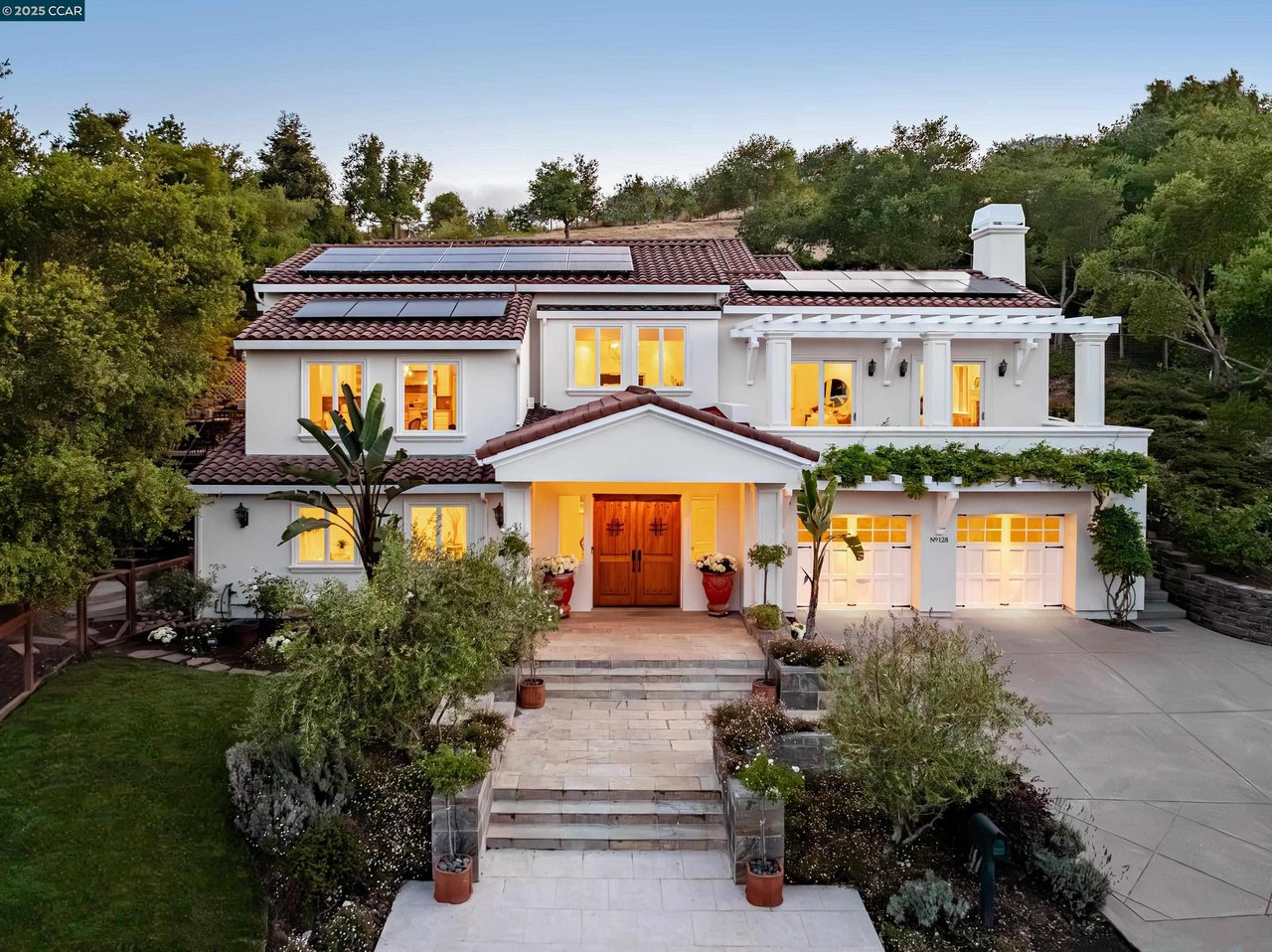
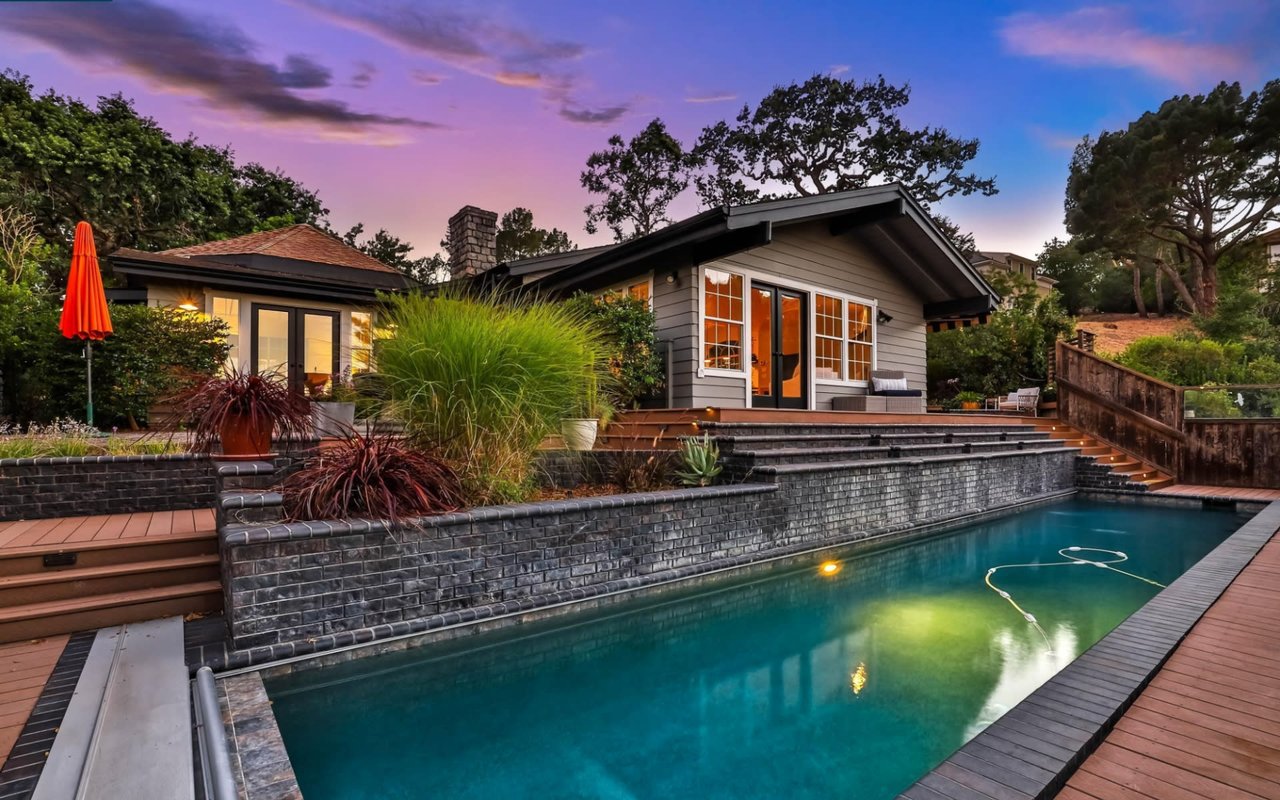
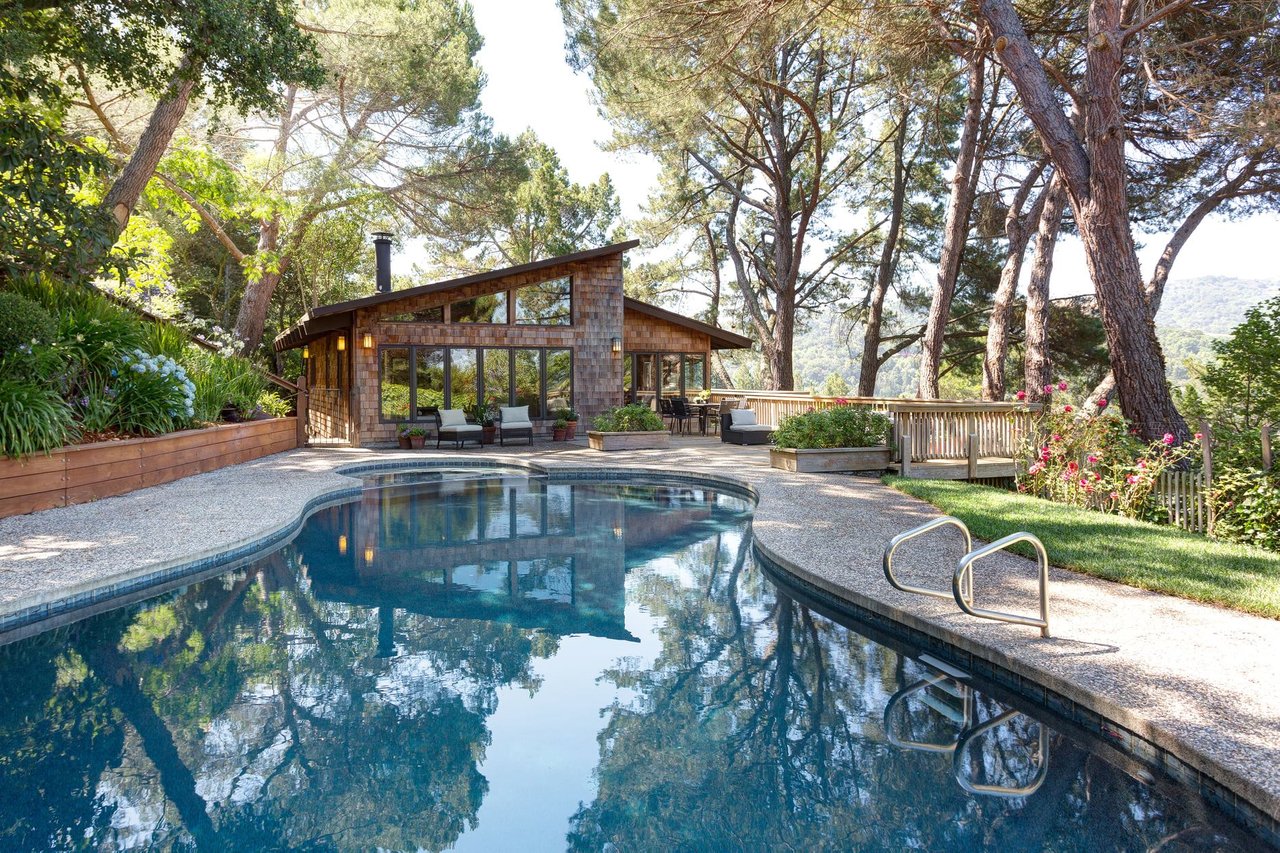
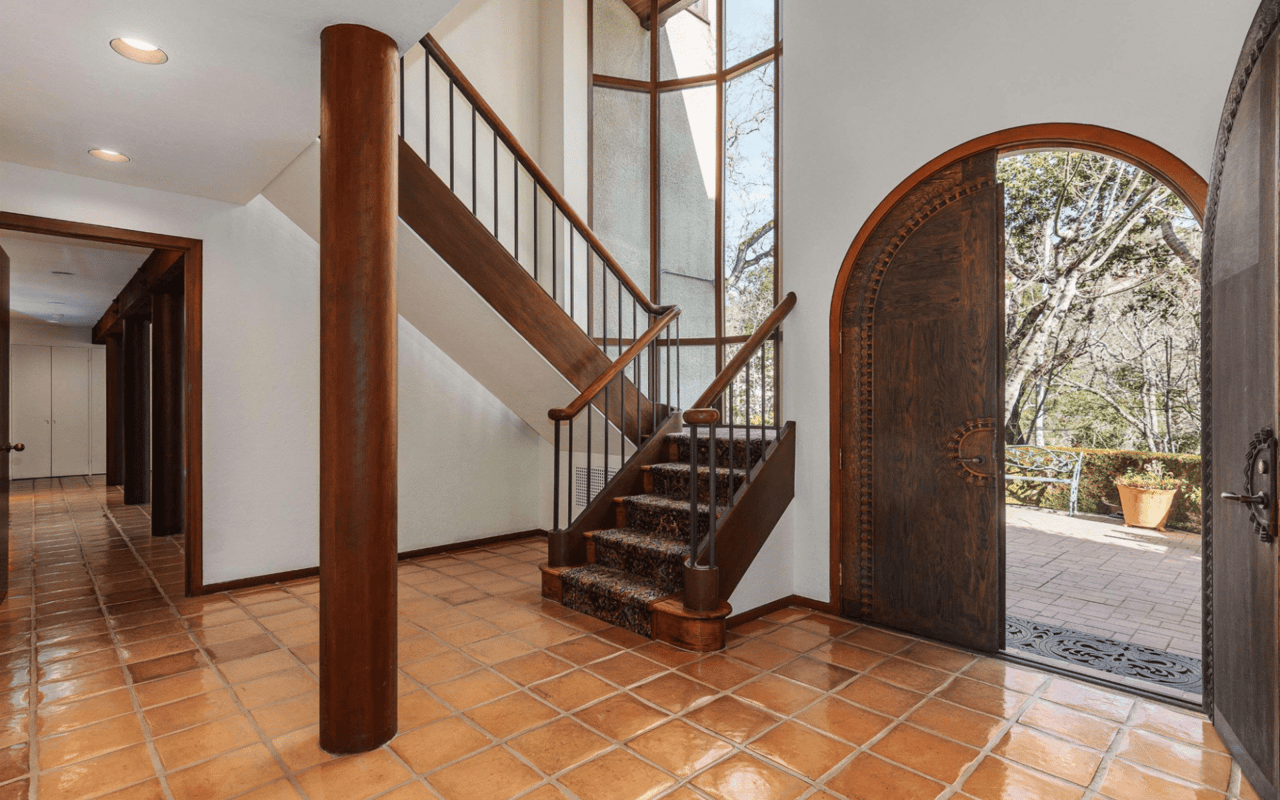
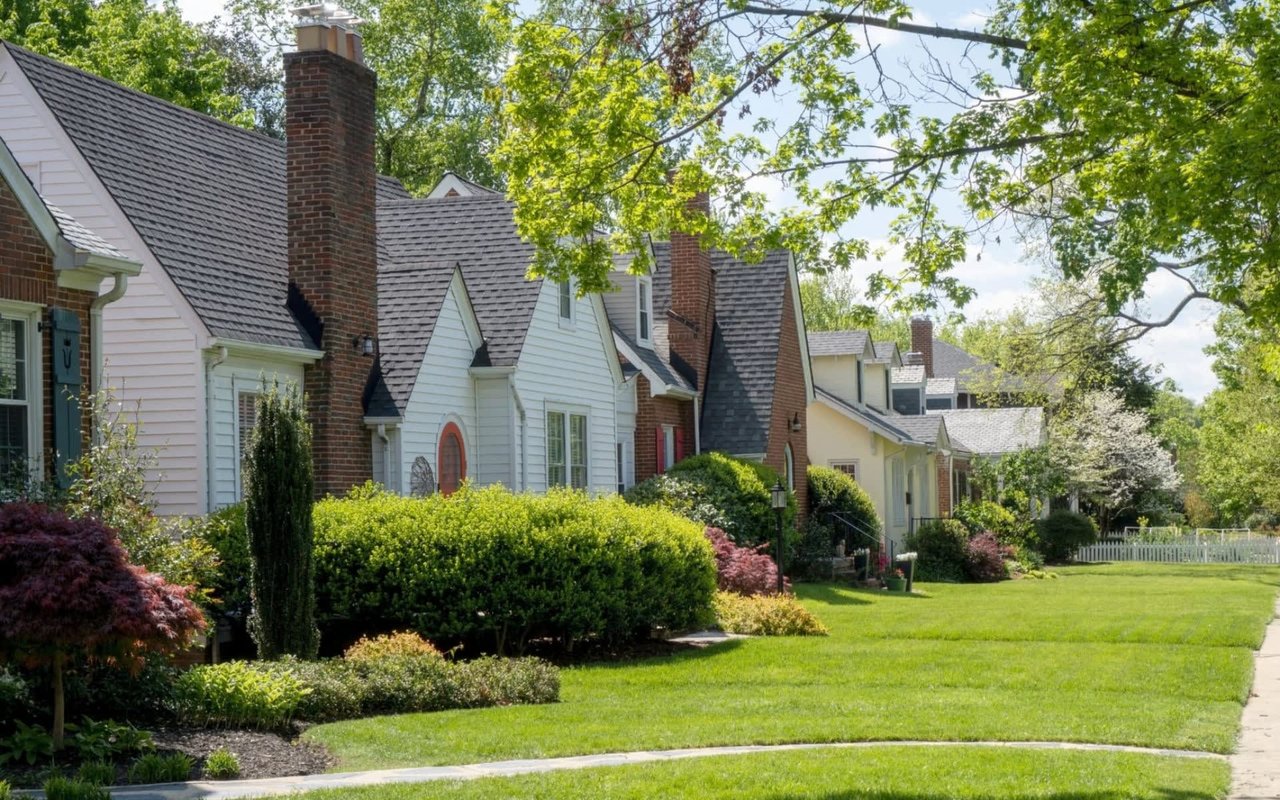
This means you'll find different types of homes here. Some are in regular suburban neighborhoods. Others have mature landscaping, long driveways, and a private feel.
The Numbers: 2026 Alamo Real Estate Market
Alamo home prices move around more than you might expect. The median ranges from $2.3 million to $3 million. February 2026 came in at $2,995,000. By May, that number had slid down to $2,271,000. Then July pushed it back up to $3.54 million.
These days, a typical listing takes 35 to 50 days to sell. Back in those overheated months, you were looking at 9 to 25 days tops. That slower pace actually works in your favor. More time to think. More breathing room at the negotiating table.
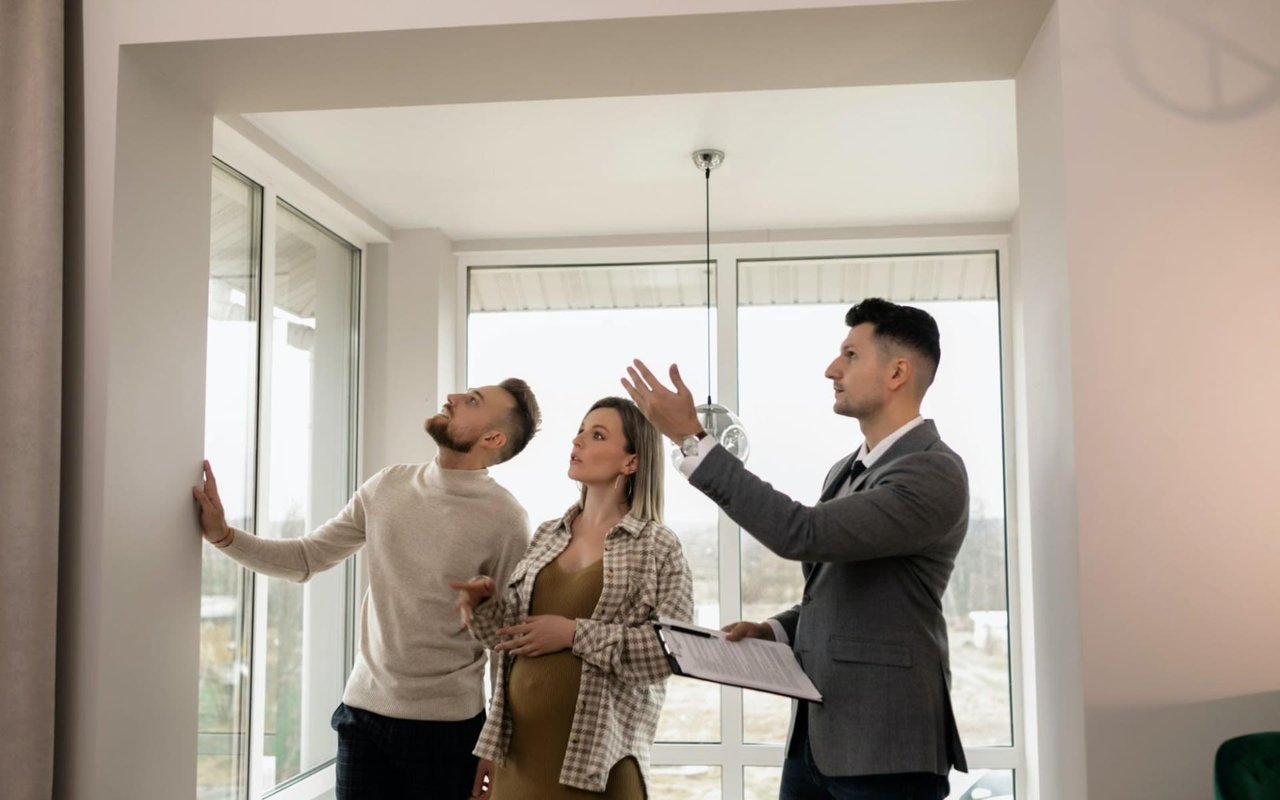
Many Alamo homes are never listed online. Owners sell quietly through neighbors, word of mouth, or agent networks. If you are only refreshing public listing sites, you are probably missing half the action. That is where a local agent with deep community ties becomes more than just helpful. They can get you into homes before anyone else even knows they are for sale.
Horse Properties and Zoning Considerations
Alamo is known for horse properties. Unlike many neighboring communities, this area lets you keep animals on your own land, provided you have at least an acre and the right zoning.
But here is the catch I always warn buyers about: do not trust a listing that simply calls something an "equestrian estate." I have seen properties marketed that way where the zoning actually prohibited stables. So before you fall in love with a barn or arena, get a zoning verification letter from the county planning department. Check the parcel's specific designation, confirm building setbacks, and review any HOA covenants that might restrict livestock. The county's online portal gives you the lot dimensions, permit histories, and mapping tools. Use that, not the agent's description.
That Semi Rural Vibe, With a Few Trade offs
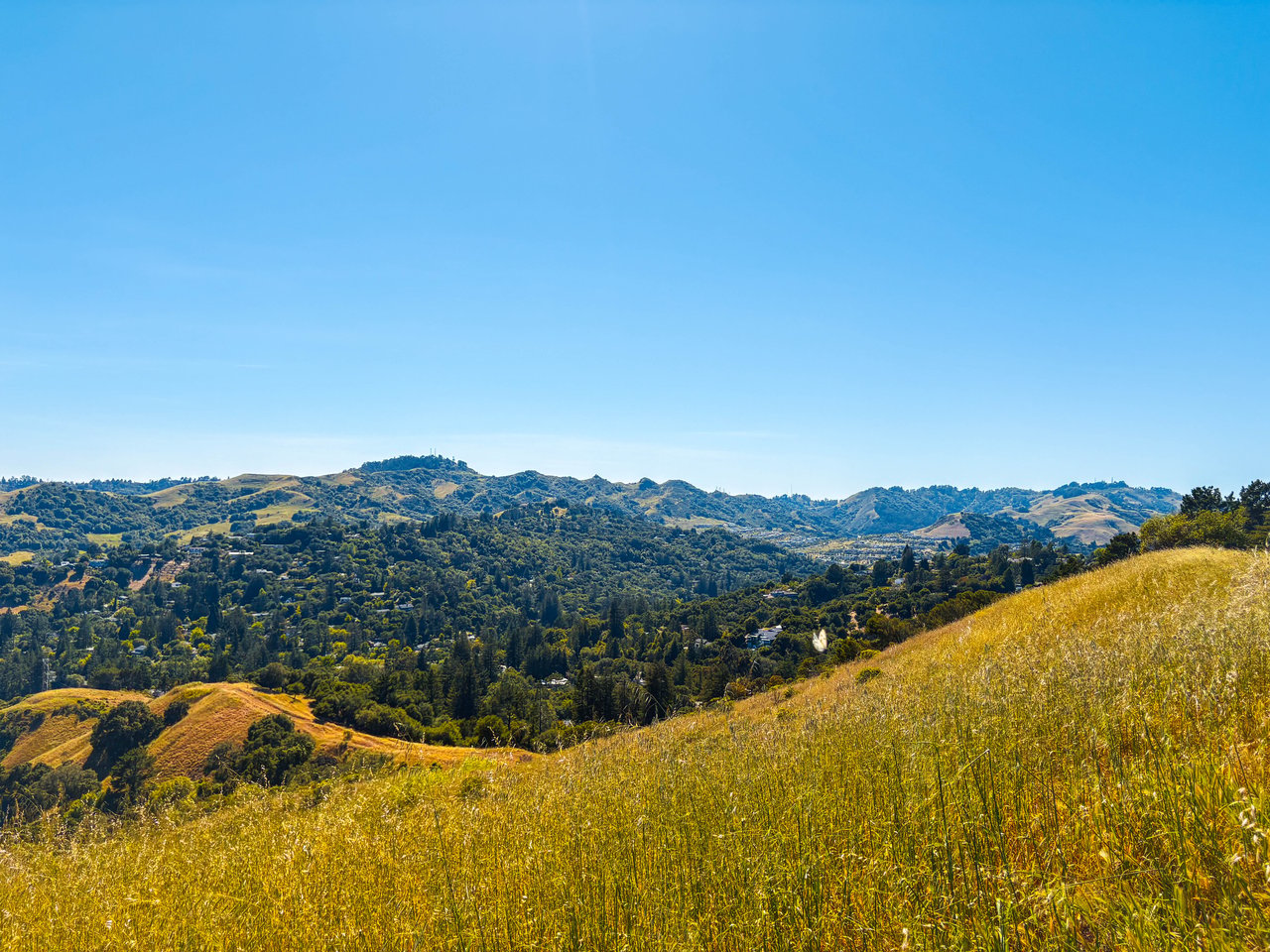
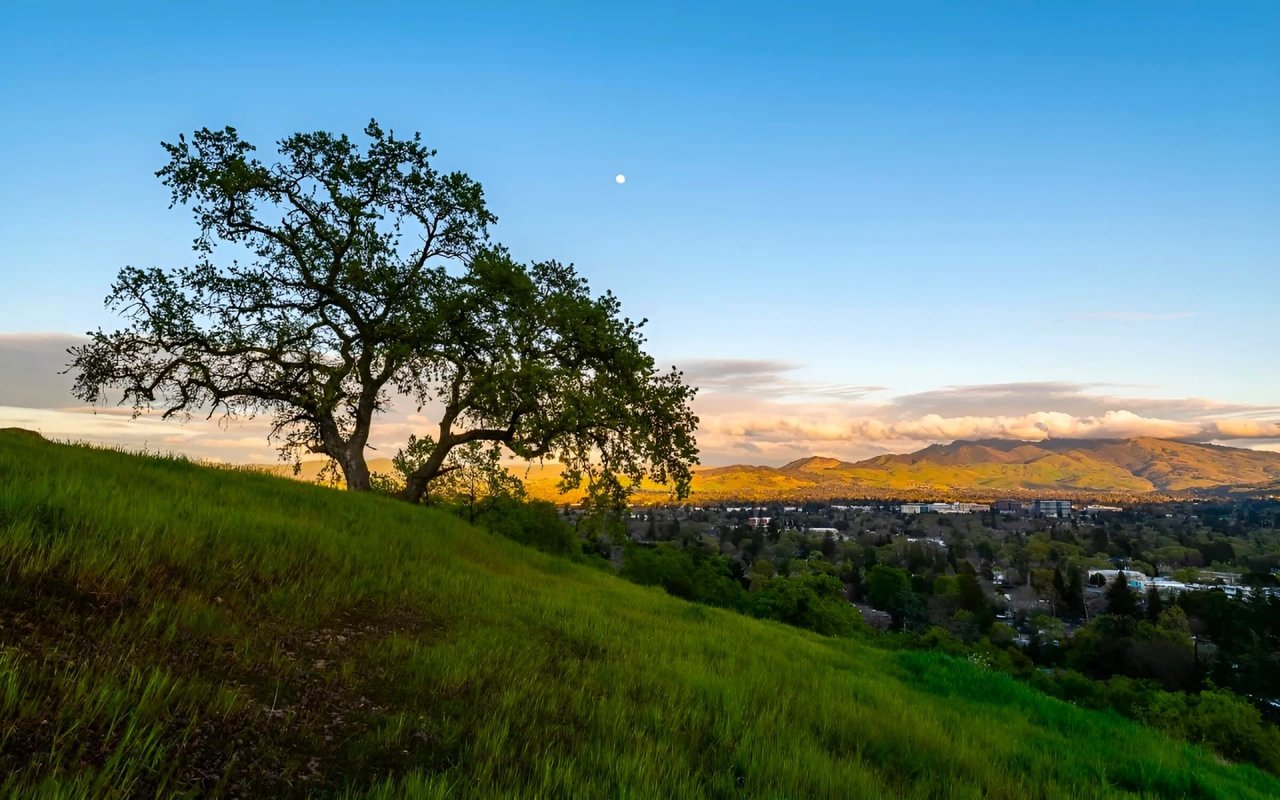
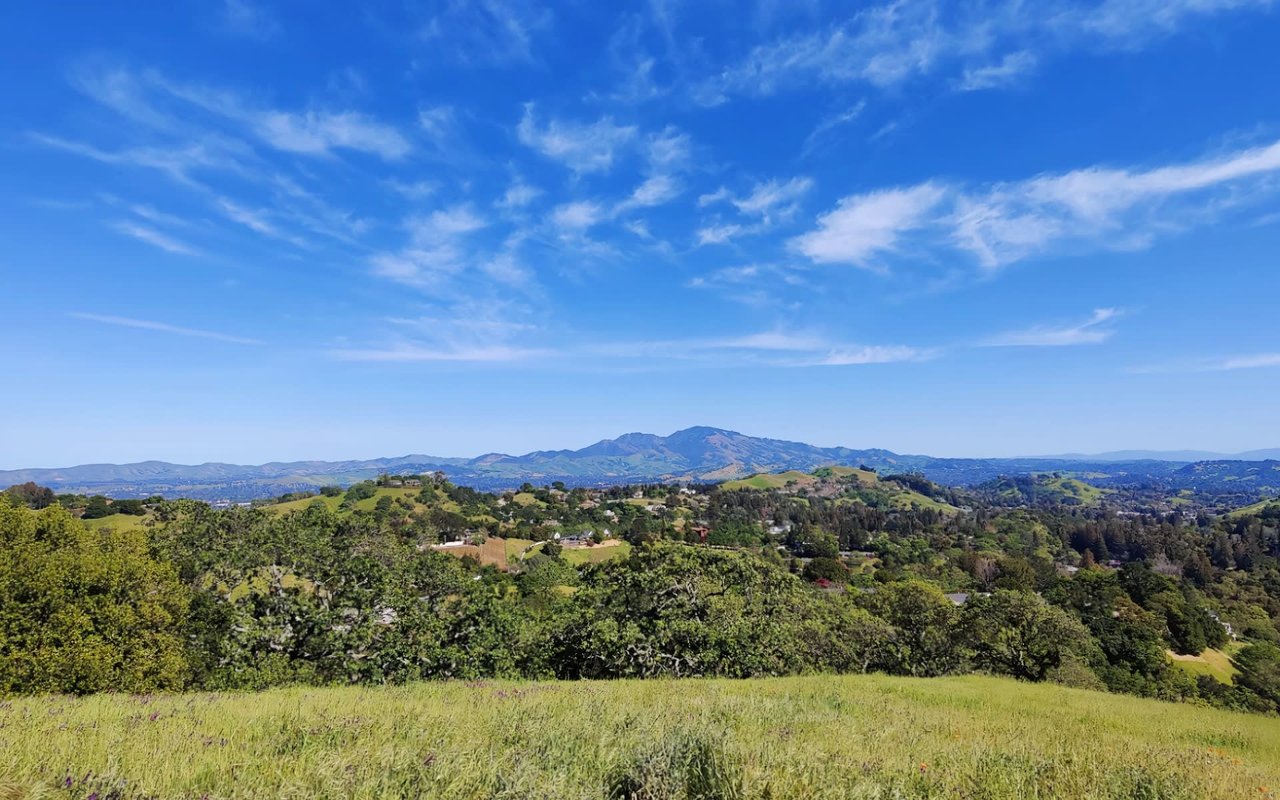
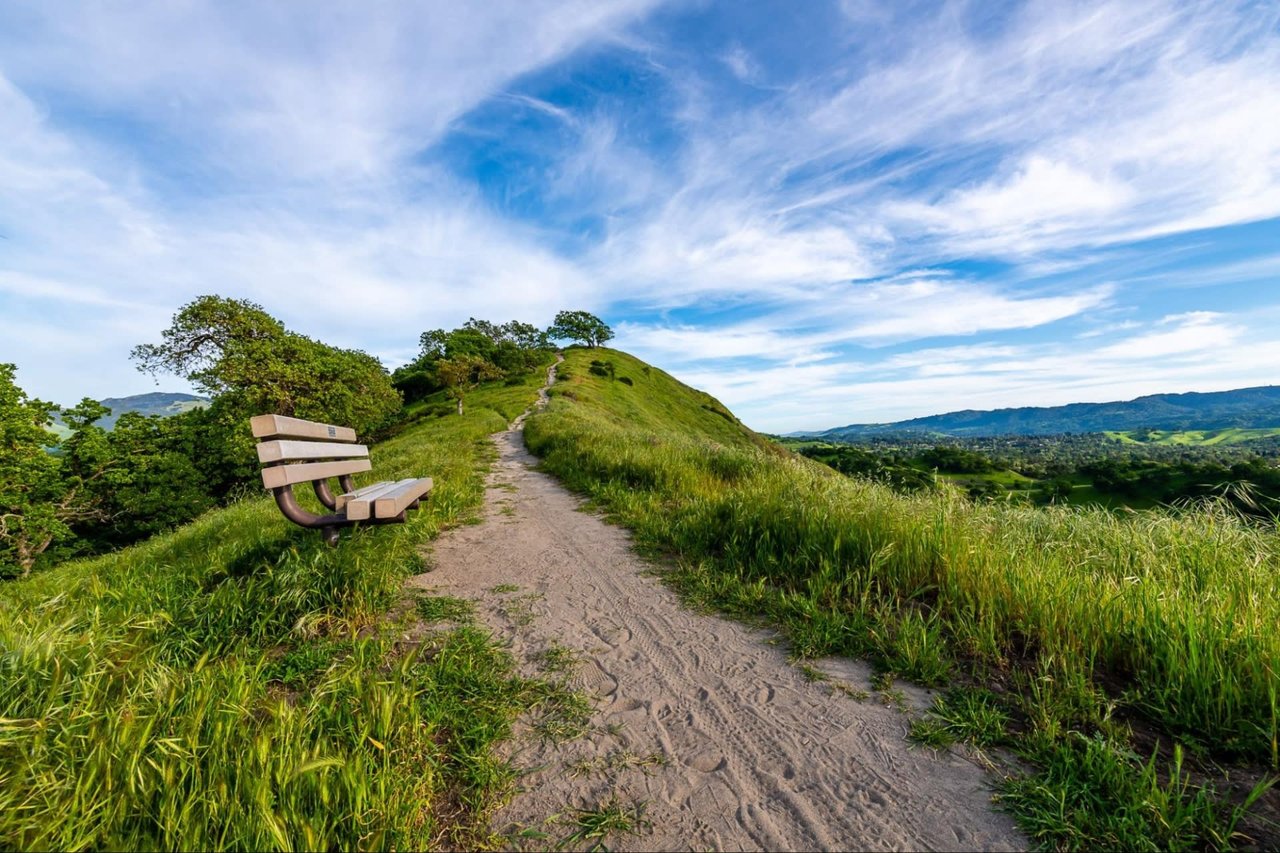
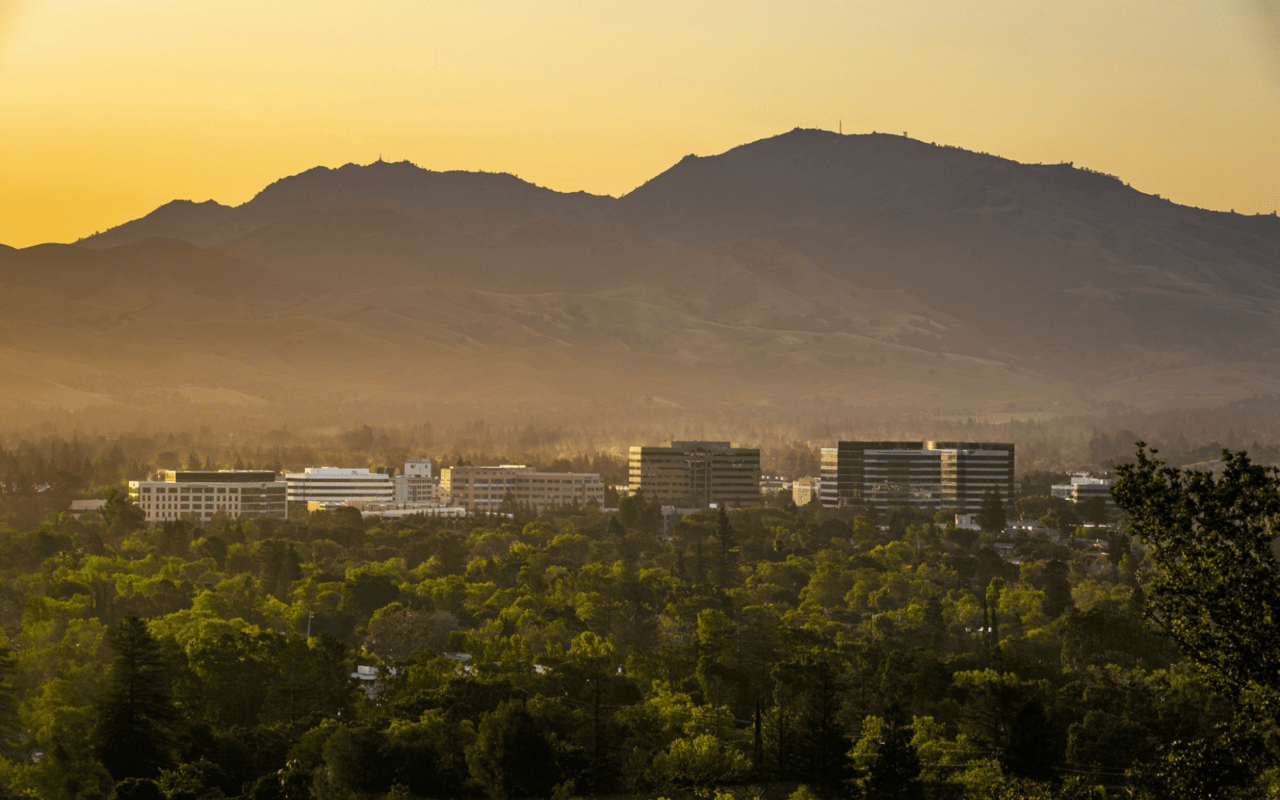
Alamo is close to major East Bay cities but feels less urban. The county describes it as wooded hillsides, large lots, ranch homes, and rural estates.
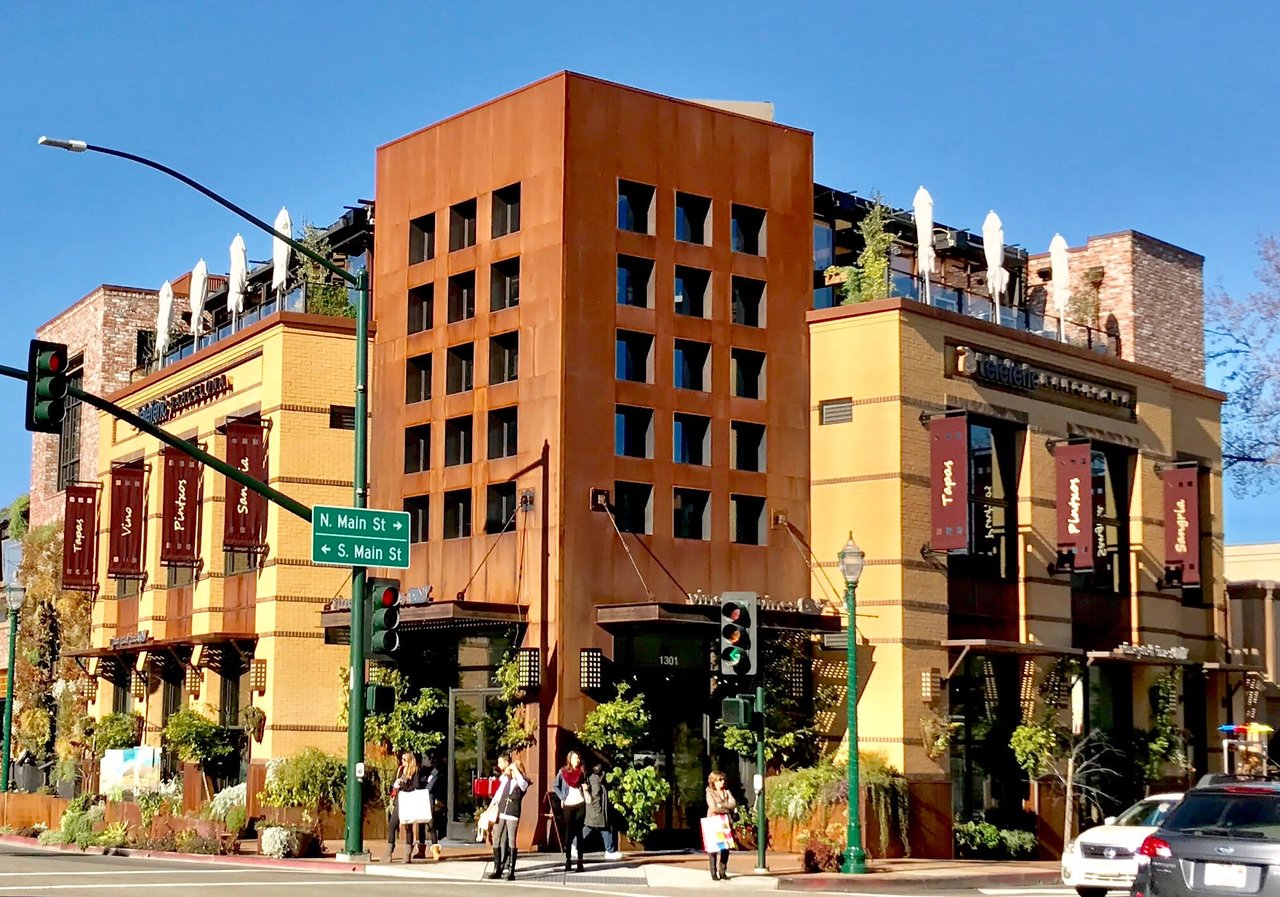
But it's not entirely rural. There's a commercial center on Danville Boulevard and Stone Valley Road with shops, offices, and housing. Multi family housing is south of Stone Valley Road. The commercial area is small compared to Danville, but it has the essentials.
The trade off becomes clear pretty quickly. Alamo is quieter and more rural than Lafayette or Orinda. There is no walkable downtown, no nightlife, and many neighborhoods have no streetlights or sidewalks. If you want urban convenience, Alamo is not the right fit. But if privacy, elbow room, and the ability to keep horses without navigating a city planning maze sound appealing, then Alamo starts to look like exactly what you have been searching for.
Who Actually Moves Here
Alamo tends to attract a particular group of buyers. These include wealthy professionals working in tech, finance, or healthcare. Families looking for excellent schools but less traffic. Older adults who are downsizing their homes but want to keep their land. And people who own horses.
The median household income in Alamo is over $250,000, and the average age is around 52. People are not drawn to Alamo for a prestigious address. They come for the privacy, the usable land, and the fact that there is no city government with extra permits and review boards.
The Real Reason Buyers Circle Back
Alamo keeps attracting buyers because it stays true to itself. No city government pushing for faster development. No city taxes. Plenty of land. Real privacy.
Every year, that combination gets rarer in the Bay Area. And every year, a fresh batch of buyers discovers that no city hall is not a drawback. That is the whole point.
If you are curious about specific parcels, county permit nuances, or off market listings that never hit the portals, Let's talk. I would enjoy walking you through the details. I have helped enough buyers untangle zoning maps and well permits to know exactly where listings mislead and where county records tell the real story.
-Kelly