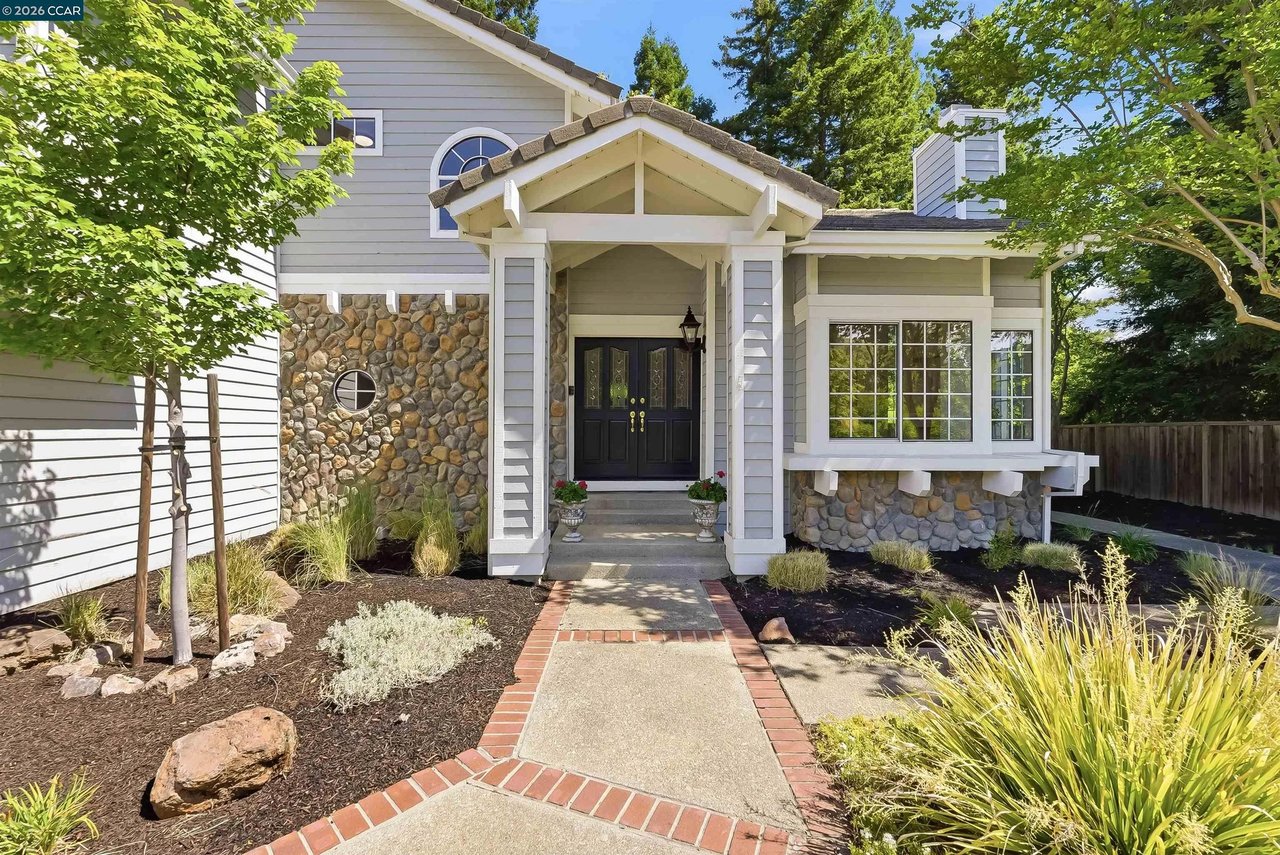
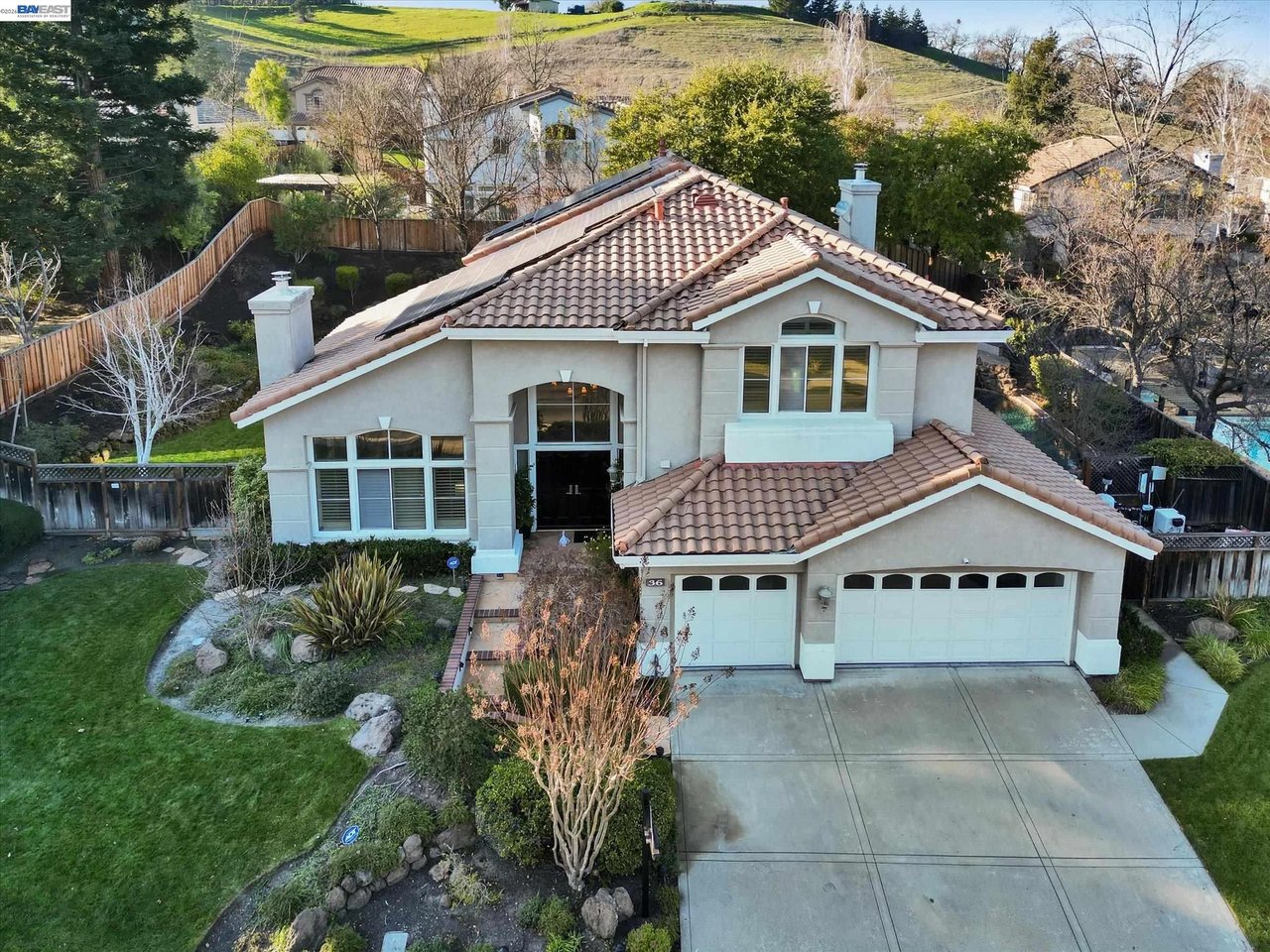
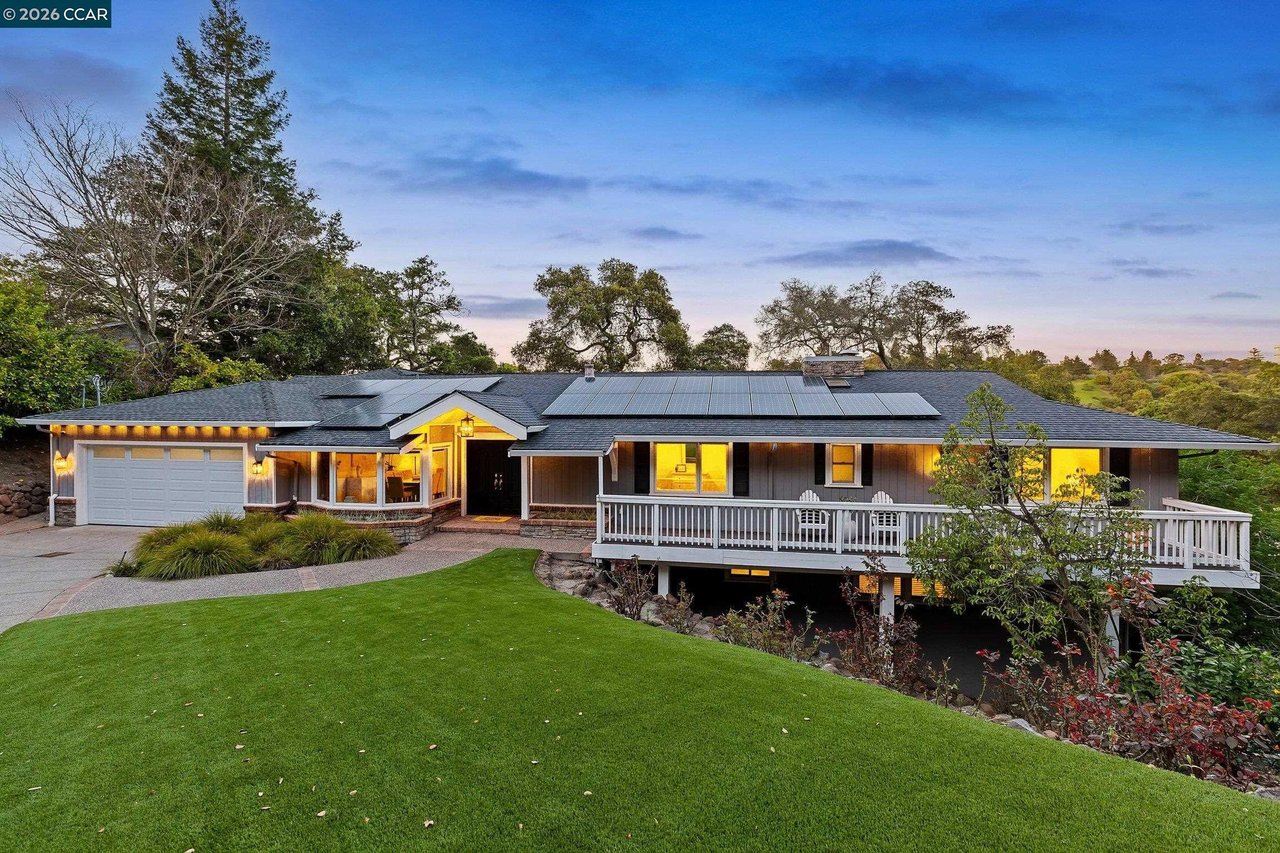
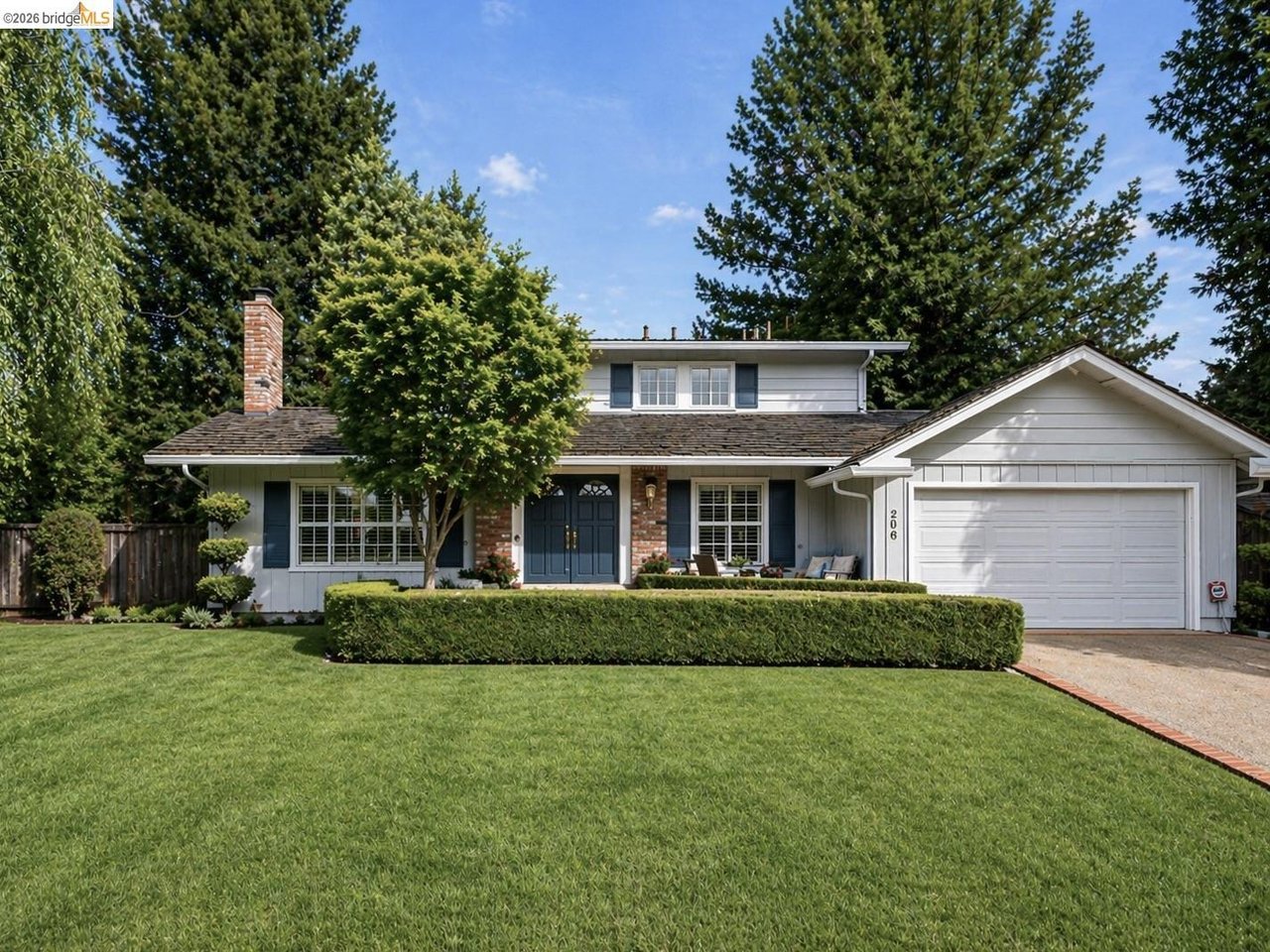
Whether you're a relocating executive trying to understand what $5,200 actually gets you in Orinda, or a longtime homeowner wondering if renting beats selling. This is the breakdown nobody else is publishing.
You know what I hear weekly from homeowners sitting on massive equity? “Should I sell, or hold and rent it out?” The answer is rarely about the mortgage. It is about what tenants are actually paying and who those tenants are. Let me break down the 2026 numbers for you.
So here is the scenario. You bought a home in Orinda back in 2015 for $2.1 million. Today it is worth about $2.4 million. Your mortgage is either paid off or close to it. Now you are asking yourself: should I sell and relocate? Should I rent it out? Should I hold and let it appreciate?
The answer depends partly on something almost nobody talks about: what the rental market actually looks like in Lamorinda right now. Let me walk you through the numbers.
The Rental Price Breakdown (By City)
Lafayette: A one-bedroom apartment rents for around $2,500, while two-bedroom units run about $3,000. Single-family homes rent higher, depending on size and amenities.
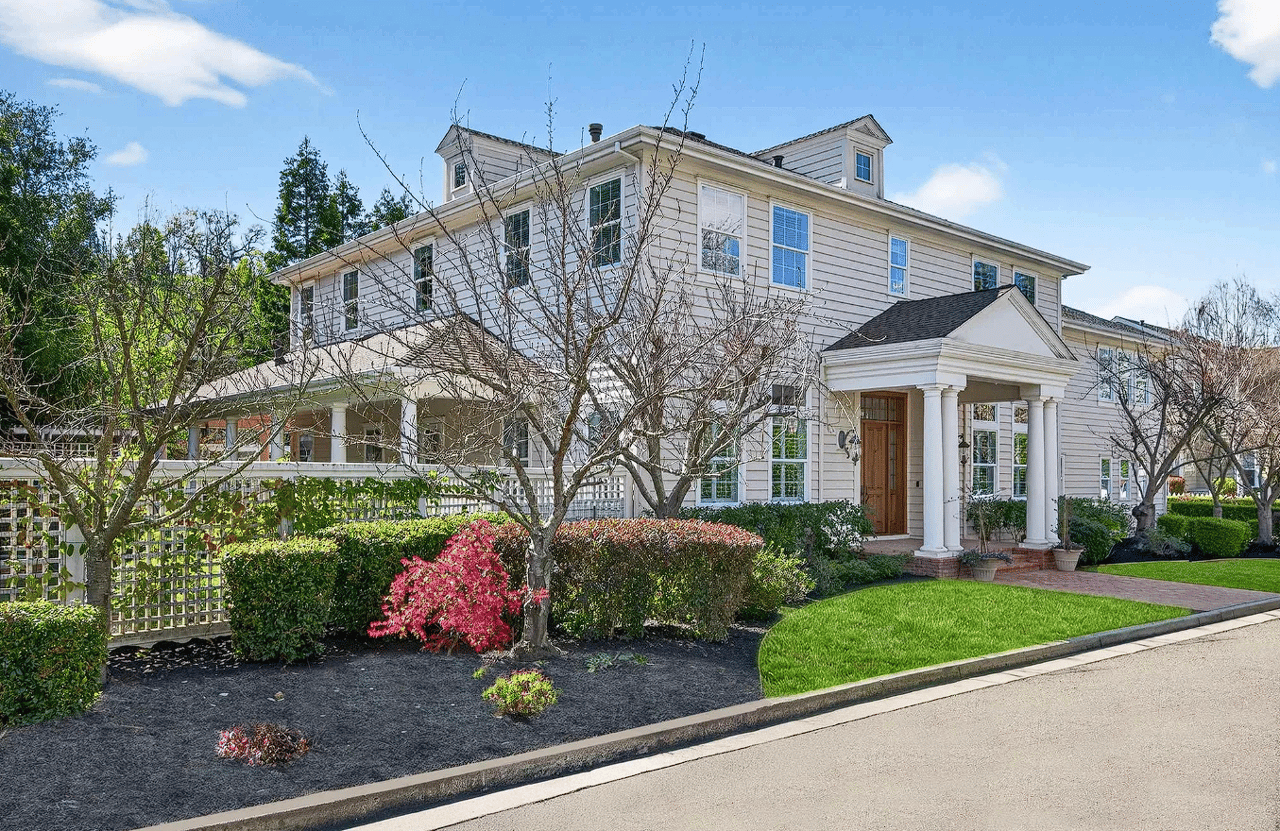
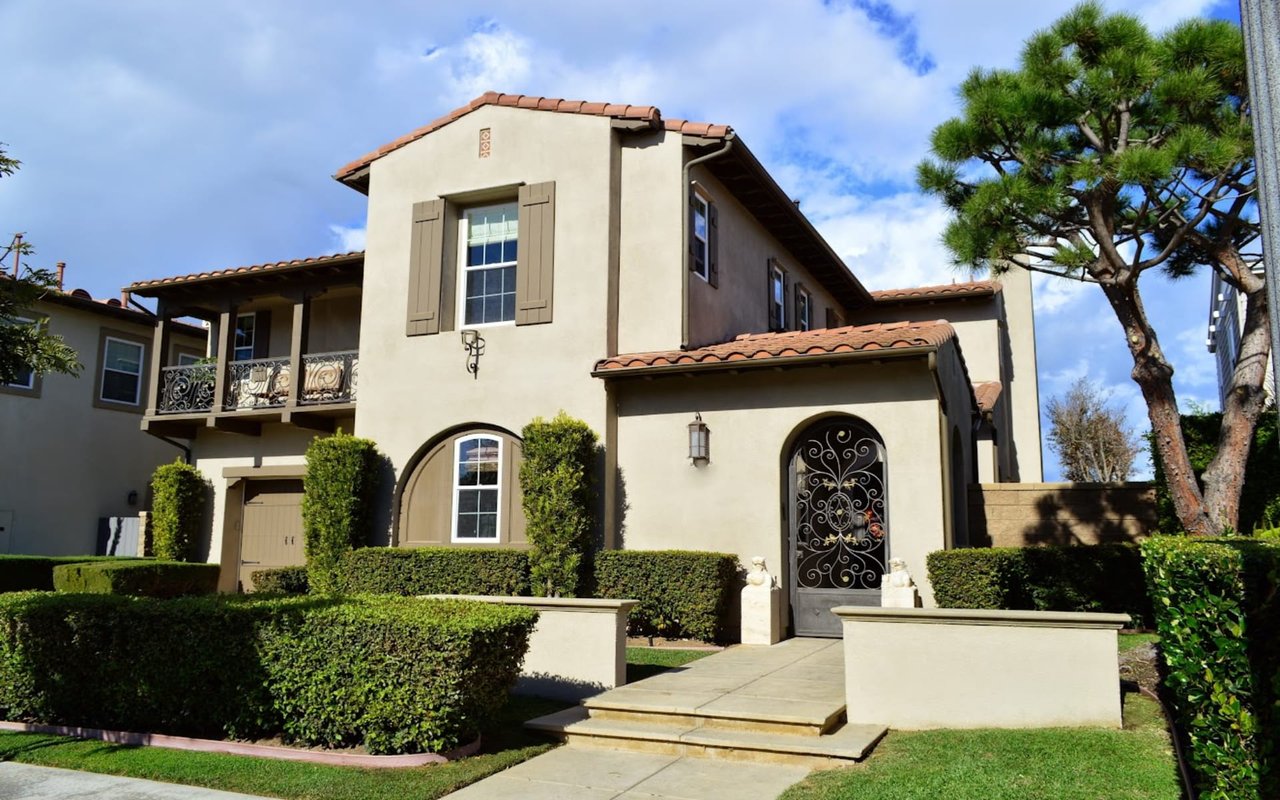
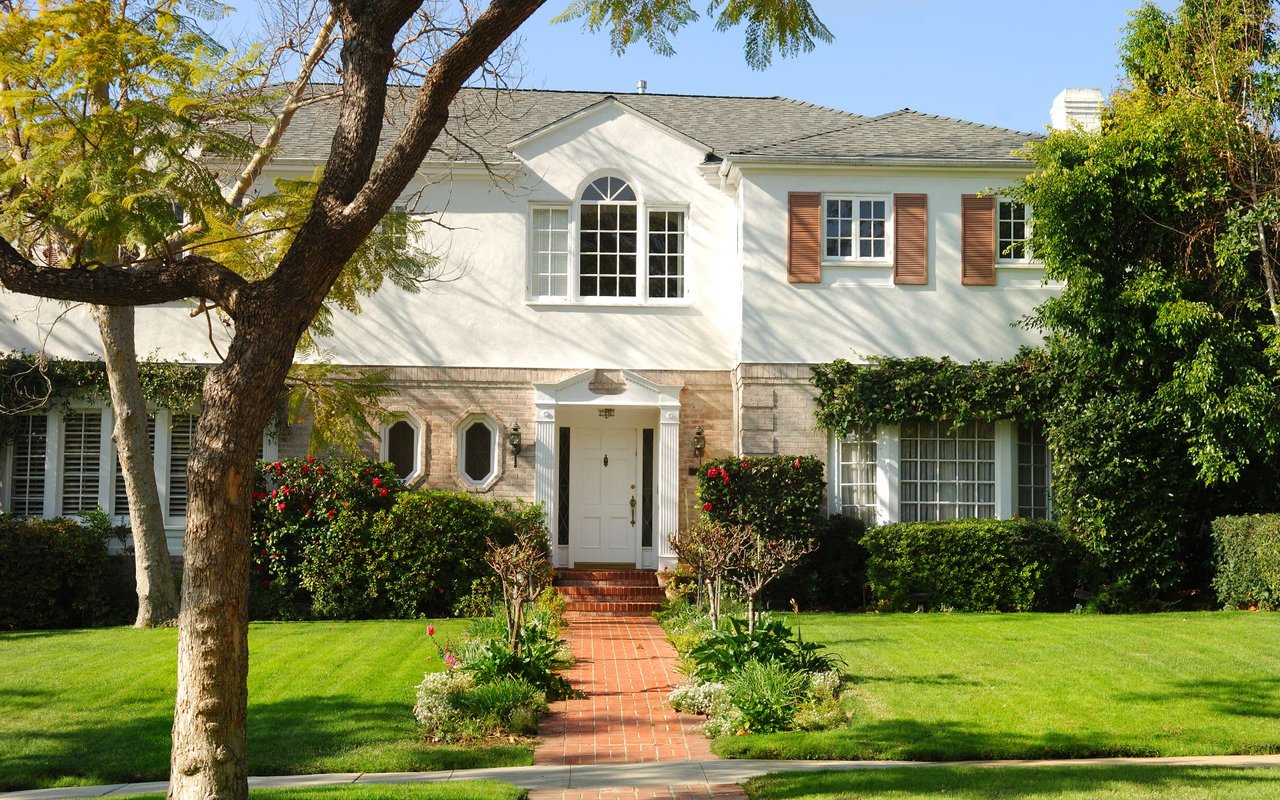
Orinda: Apartments average $2,500, but luxury single-family homes rent for significantly more. The median rent across all property types sits around $5,200 per month, with a price range from $1,875 to $18,500 depending on the property. This represents a premium of nearly 50 percent over Moraga's median rental rates, a spread that mirrors the sales market.
Moraga: Apartments range from $1,800 to $2,000, while three-bedroom homes average $2,379. The overall median rent sits around $3,500 for all property types.
The spread matters.Orinda commands a significant premium over Moraga because buyers are paying for BART access, top-tier schools, and prestige. And renters pay the same premium.
Who's Actually Renting These Places?
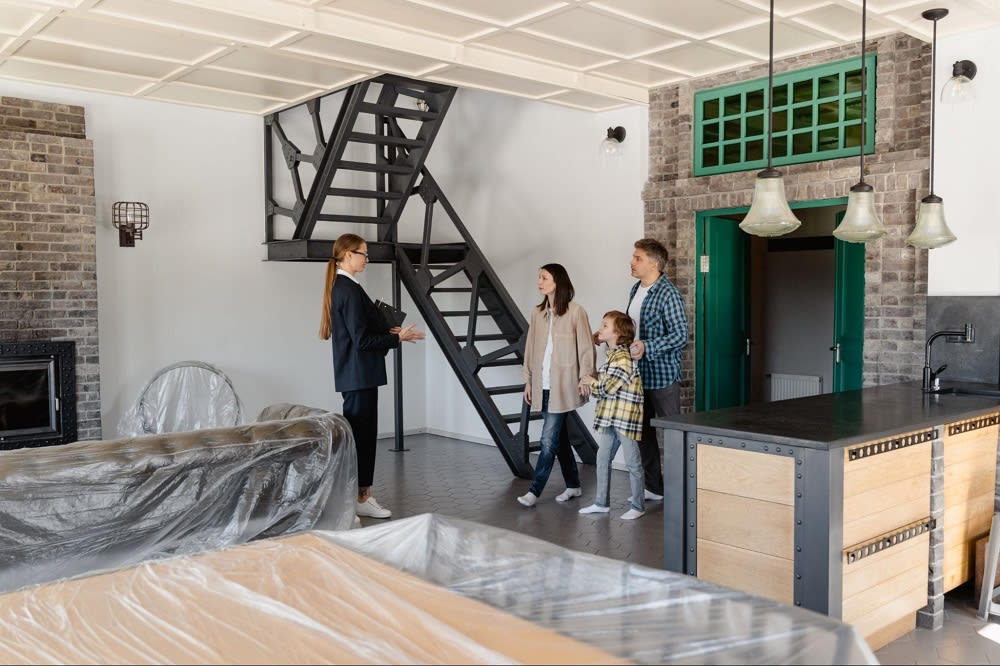
Executives on Relocation: Companies like Apple, Tesla, and Google are constantly relocating talent from out-of-state. These executives need three to six month rentals while deciding whether to buy. They come from Toronto, New York, London. They want excellent schools, quiet neighborhoods, and walkable downtowns. Orinda and Lafayette check every box.
Homeowners in Transition: People who sold their home but did not close on their new purchase often need bridge rentals to fill the gap when closing delays happen.
Empty Nesters Testing a Move: Downsizers who want to rent for a year in Lamorinda before committing to a $1.8 million purchase are surprisingly common in luxury markets. "Try before you buy" is a real trend.
What unites all three groups? They are not price-sensitive renters. They are not shopping based on monthly payment, they are shopping for a solution: temporary stability, excellent schools, or a no-risk trial run. That is why luxury rents stay sticky even when home sales slow down
The Vacancy Rate Math (And Why Investors Pay Attention)
Let me give you some context on vacancy rates. Nationally, rental vacancy rates sit around 7.2 to 7.6 percent as of mid-2026. That is healthy, normal turnover, balanced supply and demand, and reasonable time to fill vacancies.
Lamorinda's luxury rental segment likely runs tighter, maybe 5 to 6 percent vacancy. There are fewer total rental units, higher income requirements, and a selective tenant base. When I am pricing a rental for a client, a 6 percent vacancy rate does not scare me because it tells me we have demand. What scares me is seeing rental inventory sit for 45 days or more, and that is when I start recommending a price adjustment before the listing goes stale.
A vacancy in luxury happens faster than a vacancy in a $1,200 apartment. Owner-occupied homes and held properties dominate these markets, which means rental inventory is genuinely limited.
For investors, this matters. A $3.5 million Orinda home renting for $8,000 to $12,000 per month in a tight luxury market outperforms the same property in a market with 10 percent or higher vacancy where landlords compete on price.
Hold vs. Sell: The Math That Actually Matters
Let us do the concrete calculation. You own a $2.1 million Orinda home with no mortgage.
If you rent it:
$8,000 to $12,000 per month equals $96,000 to $144,000 in annual gross rent
Minus property taxes of about $25,000 per year
Minus insurance of about $3,000
Minus maintenance of about $10,000
Minus property management at 8 percent of rent
Minus vacancy allowance at 5 percent
Your net annual return comes out to roughly 4 to 5 percent on a $2.1 million asset.
If you sell:
You free up $2.1 million to invest in yielding assets
You eliminate landlord liability
You capture the appreciation you have already locked in
You simplify your tax situation
The rental-to-value ratio in Lamorinda does not favor landlords. High prices, moderate rents, and tight supply of rental inventory make it a buyer's and owner's market, not an investor's market.
The exception is if you believe home prices will appreciate significantly and you want tax depreciation benefits. Then holding makes sense despite mediocre cash flow.
The Smart Investor's Leading Indicator
Here is an insight most agents miss. Tracking luxury lease signings in Orinda is actually a better predictor of the spring sales market than waiting for comps to update.
When you see three four-month executive rentals go under contract in a week, you know relocation volume is up. That almost always translates to more buyer demand in 60 to 90 days. I have watched this pattern hold for three consecutive springs. Executive rental activity leads sales activity by 8 to 12 weeks.
What's Changing
Luxury short-term rental management companies are expanding into California markets. This creates opportunities for homeowners wanting to rent out homes to relocating executives on three to six month furnished leases at premium rates.
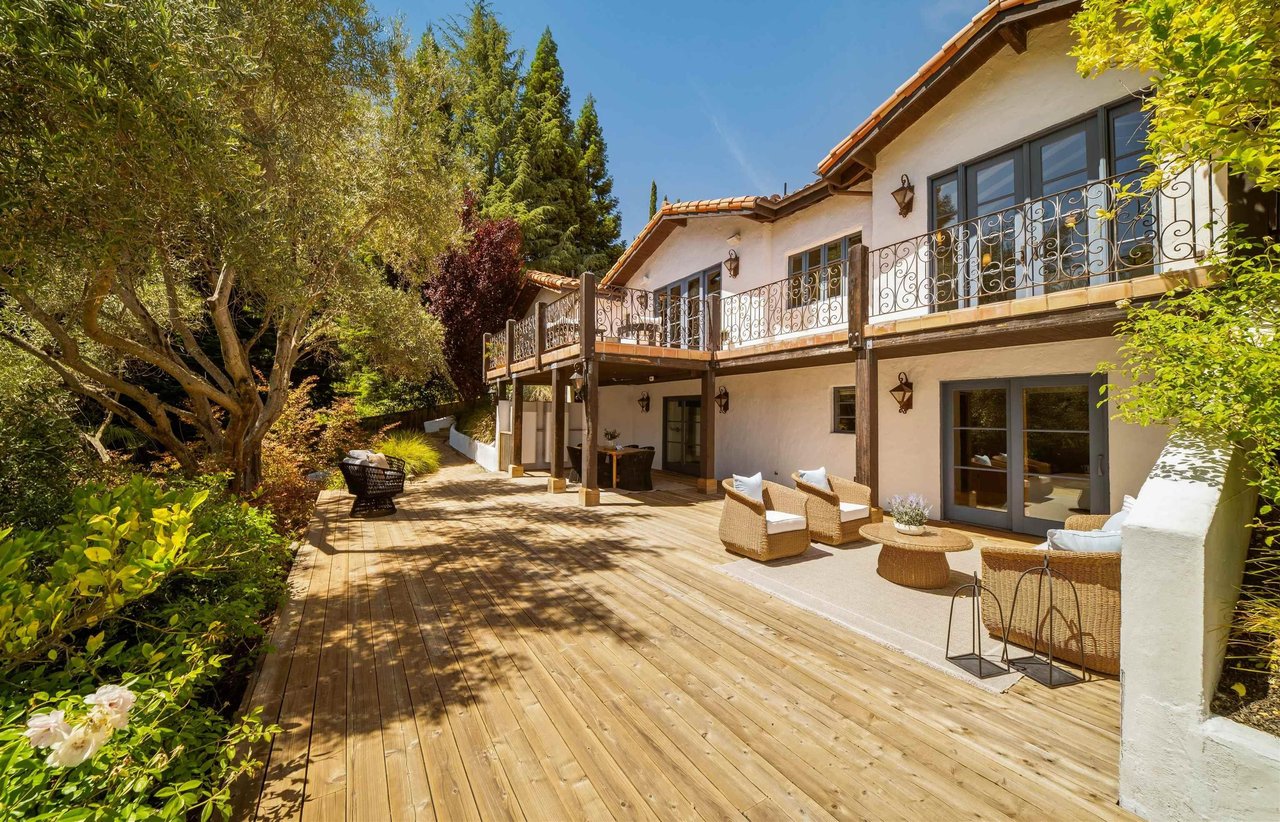
That is different math than traditional long-term rentals. Executive furnished rentals can run $12,000 to $18,000 per month on an Orinda luxury home, which is double the unfurnished rate.
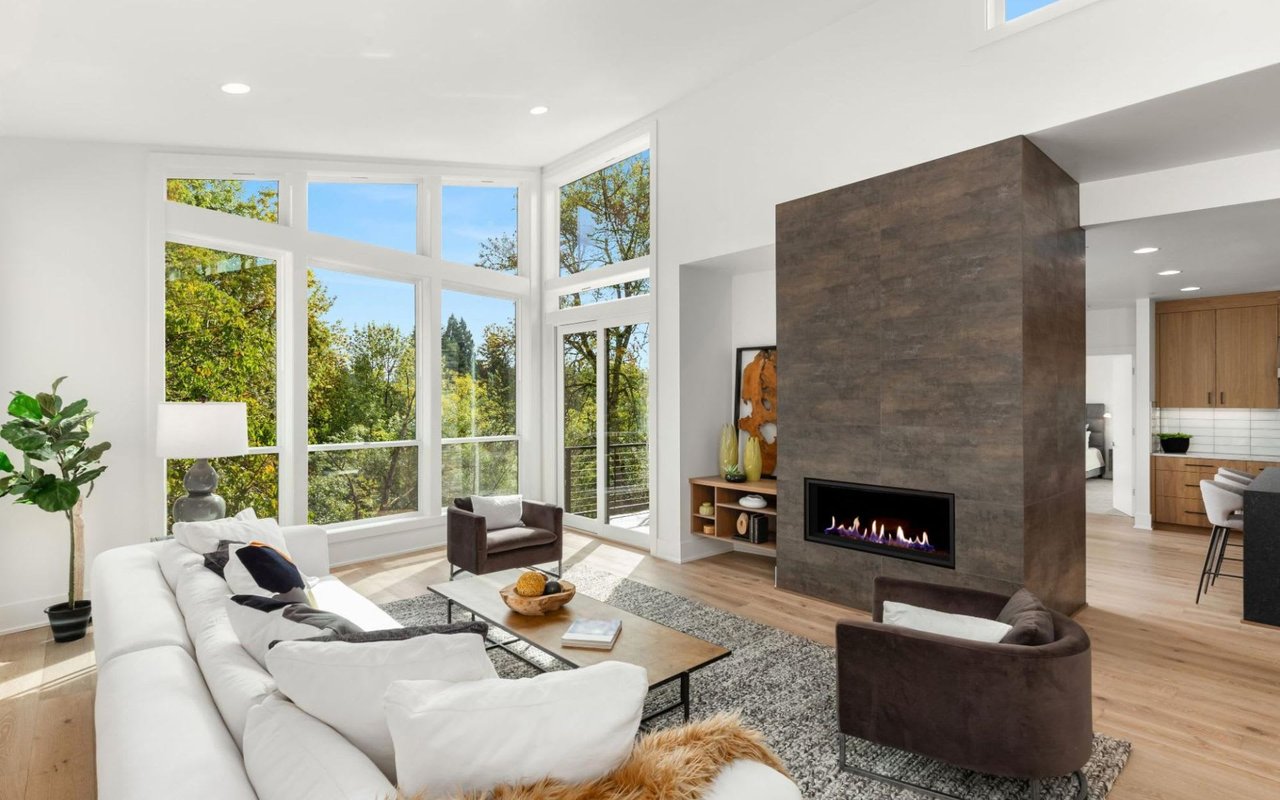
Why the premium? Relocating executives arrive with families, pets, and household goods in transit. They need move-in-ready, fully furnished homes with high-speed internet, premium appliances, and zero hassle. They pay for convenience.
But executive rentals require professional management, higher maintenance, and faster turnovers. It is not passive income ,it is active portfolio management.
The Bottom Line
Lamorinda's luxury rental market exists and it is active. Executives and downsizers are paying premium rents, but the fundamentals do not favor hold-and-rent strategies for owner-occupied homes unless you want long-term appreciation plus tax benefits.
If you are deciding whether to sell your Orinda or Lafayette home, the rental market alone probably will not justify holding. But if you are uncertain about moving, testing a rental for 12 to 18 months before buying can help you avoid expensive mistakes on school district choices or commute changes.
Want to run the numbers on your specific property? Let's talk and I will walk you through what makes sense for your situation.
-Kelly