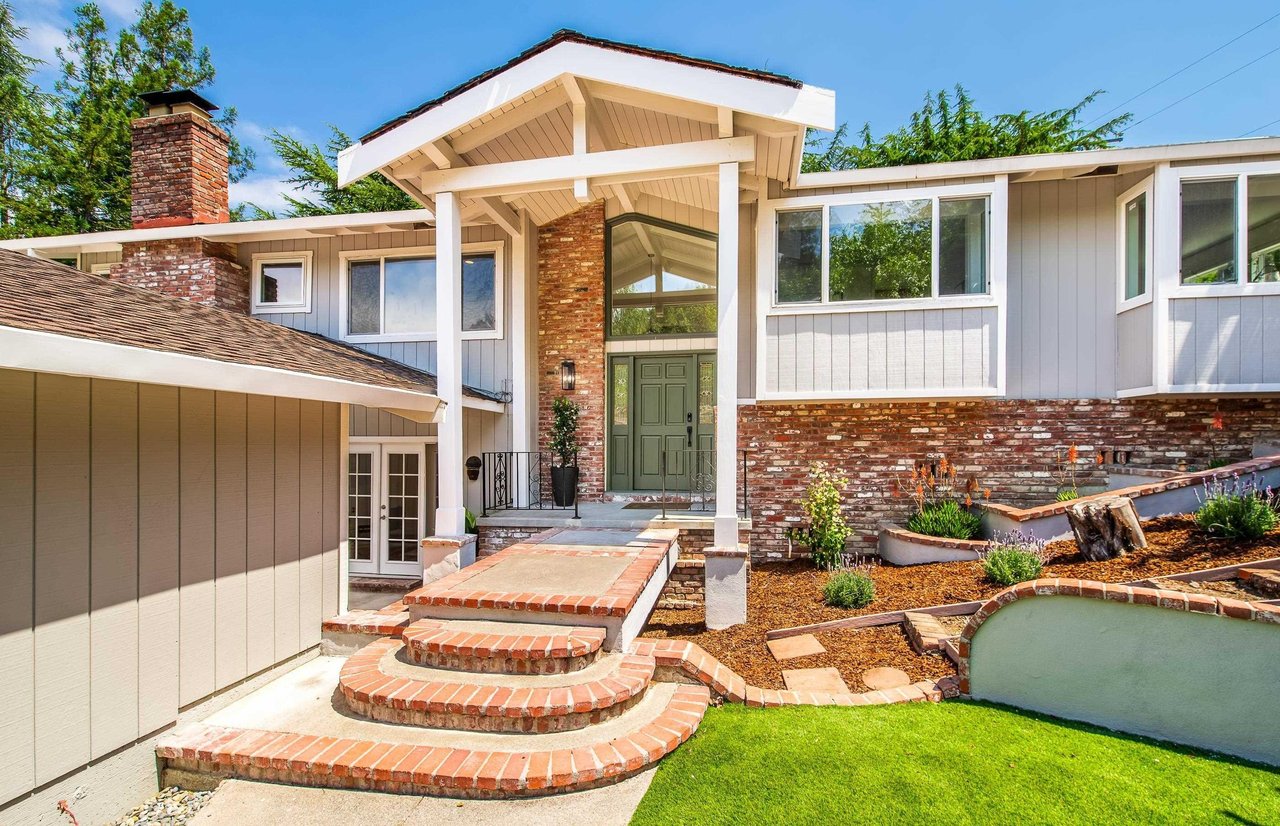
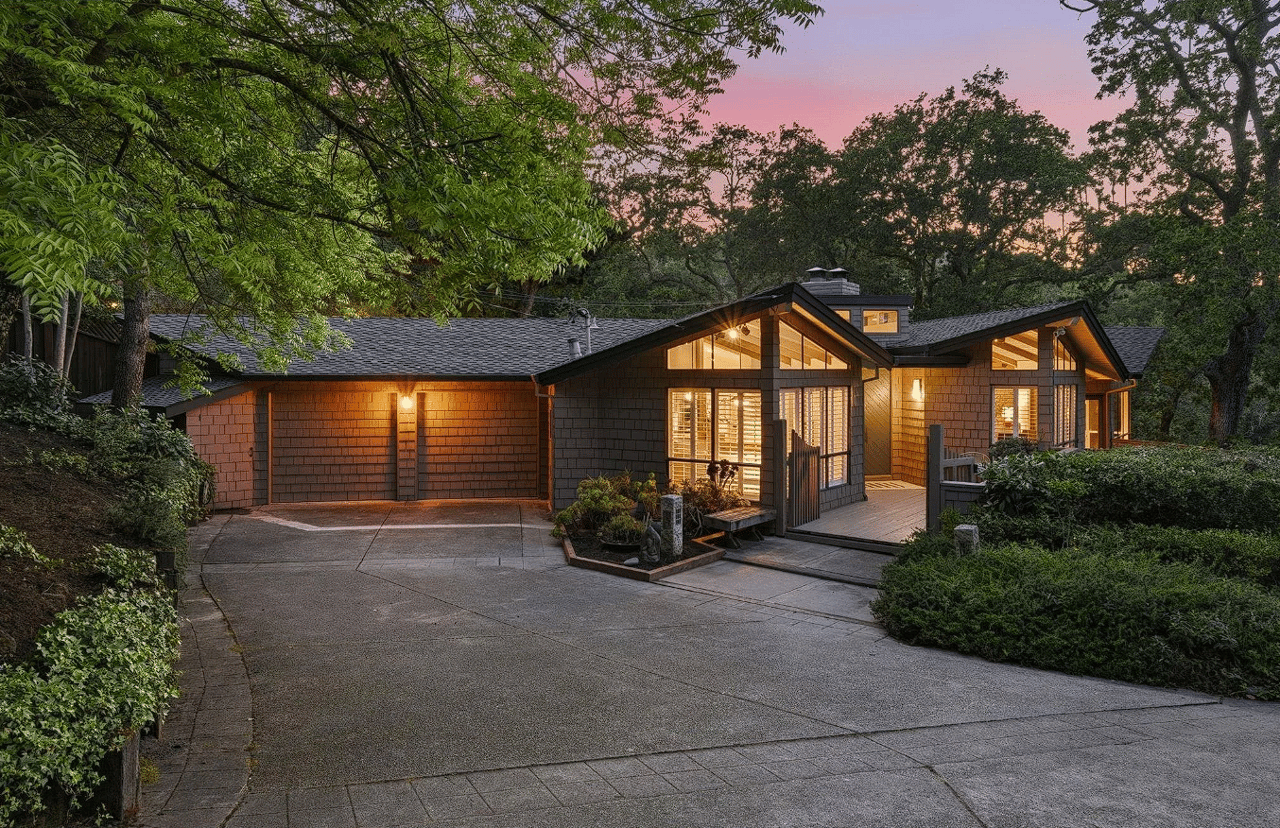
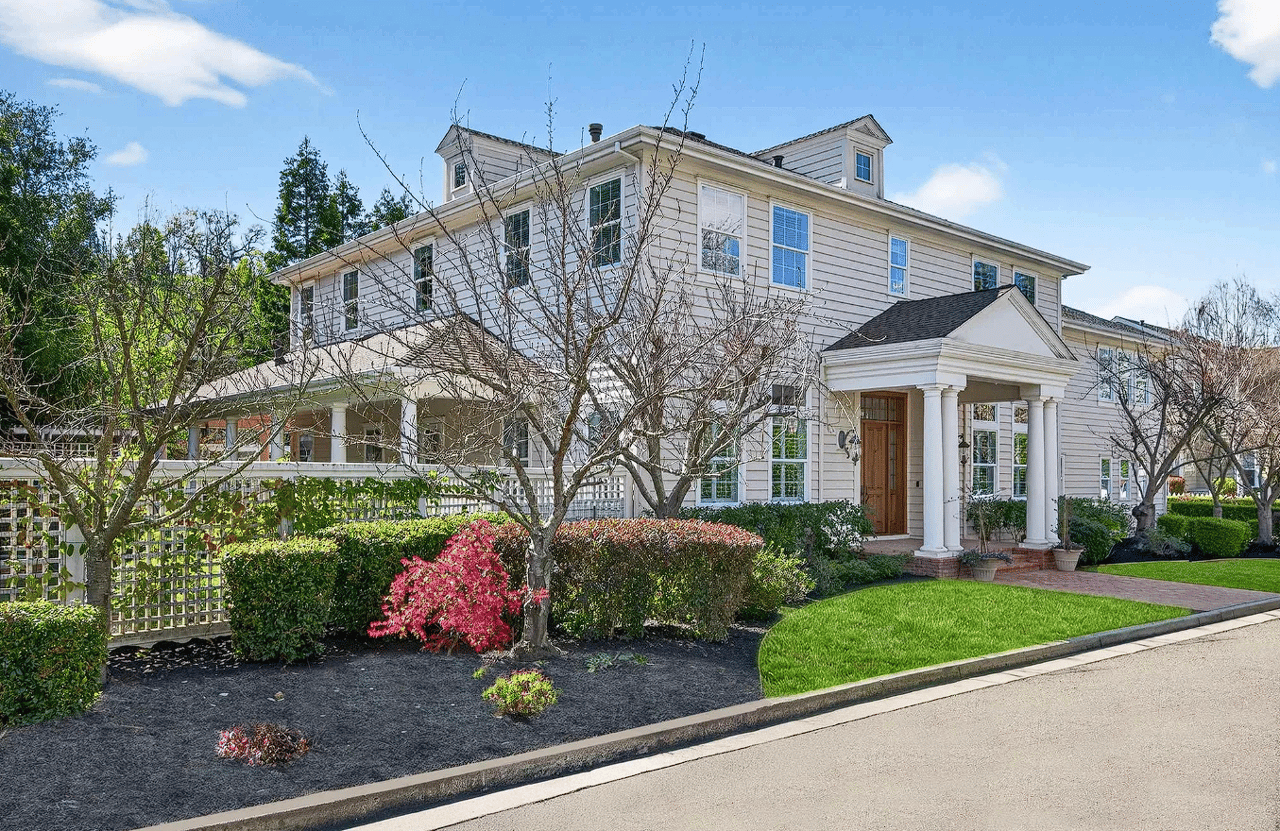
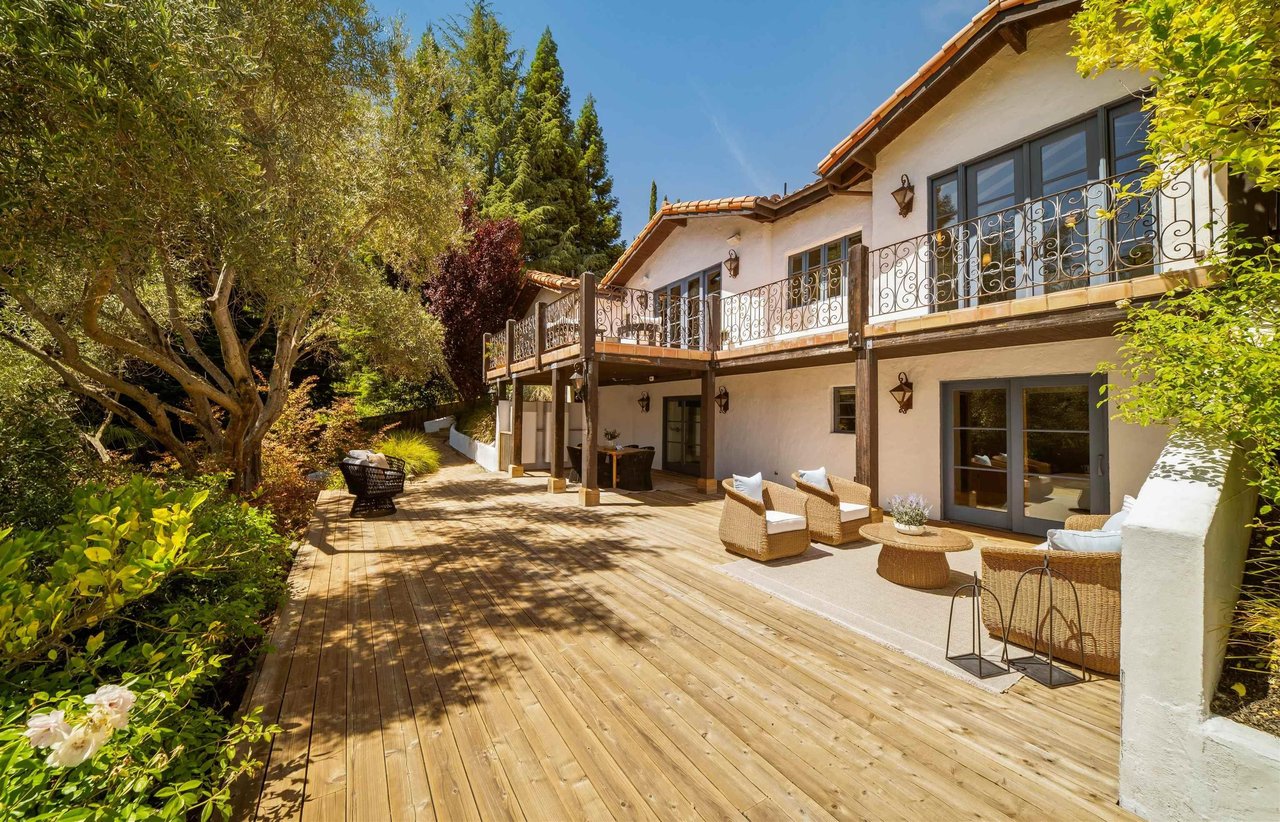
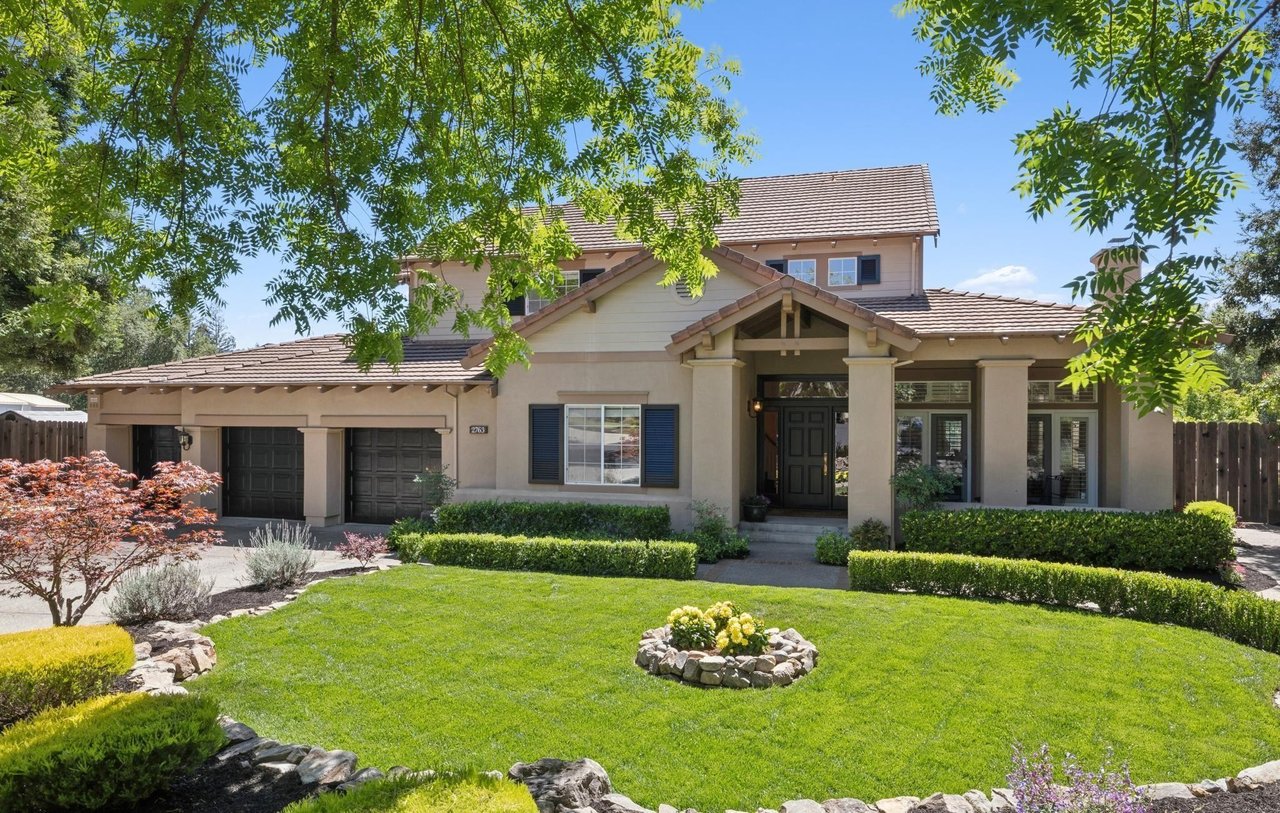
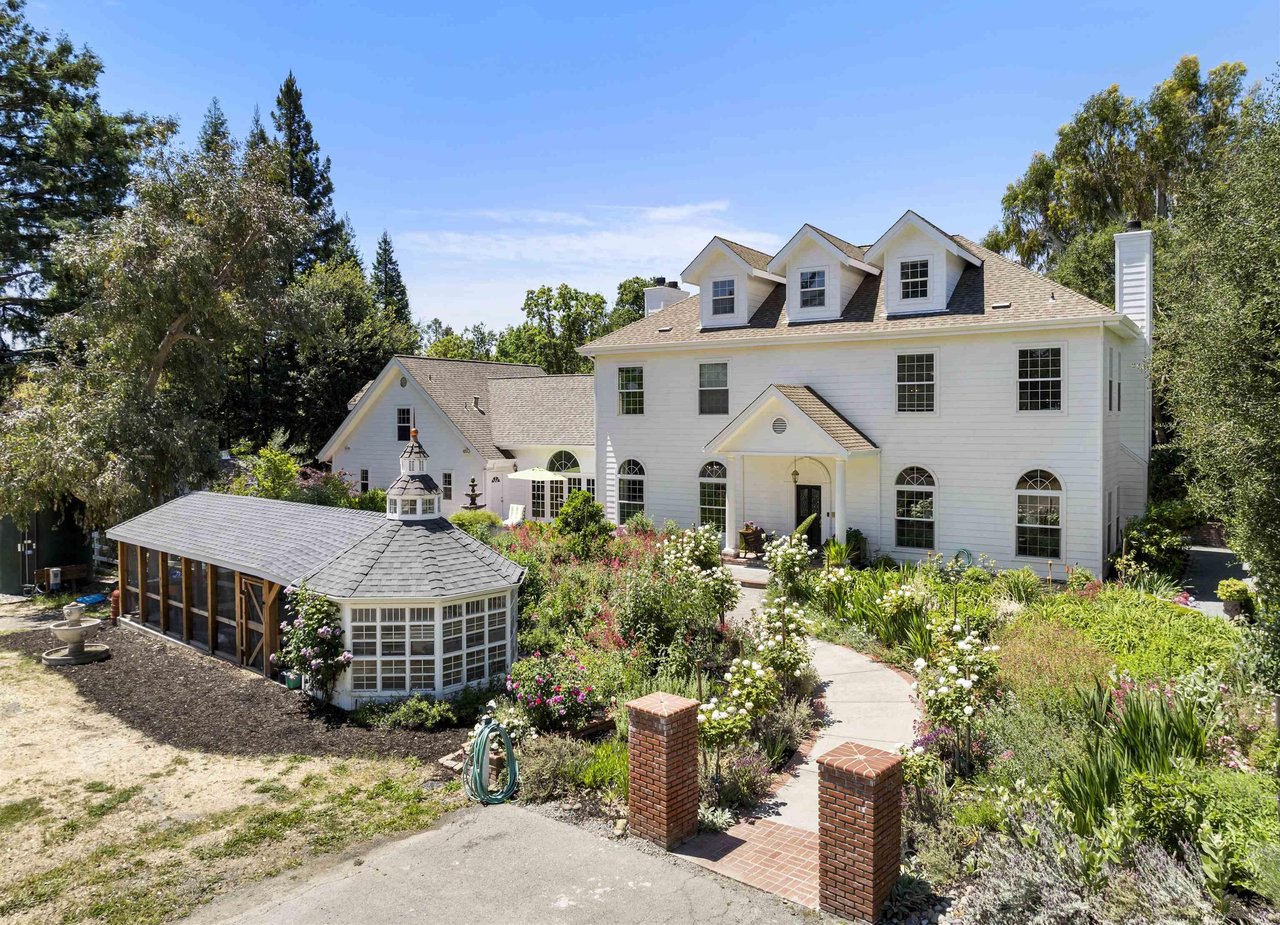
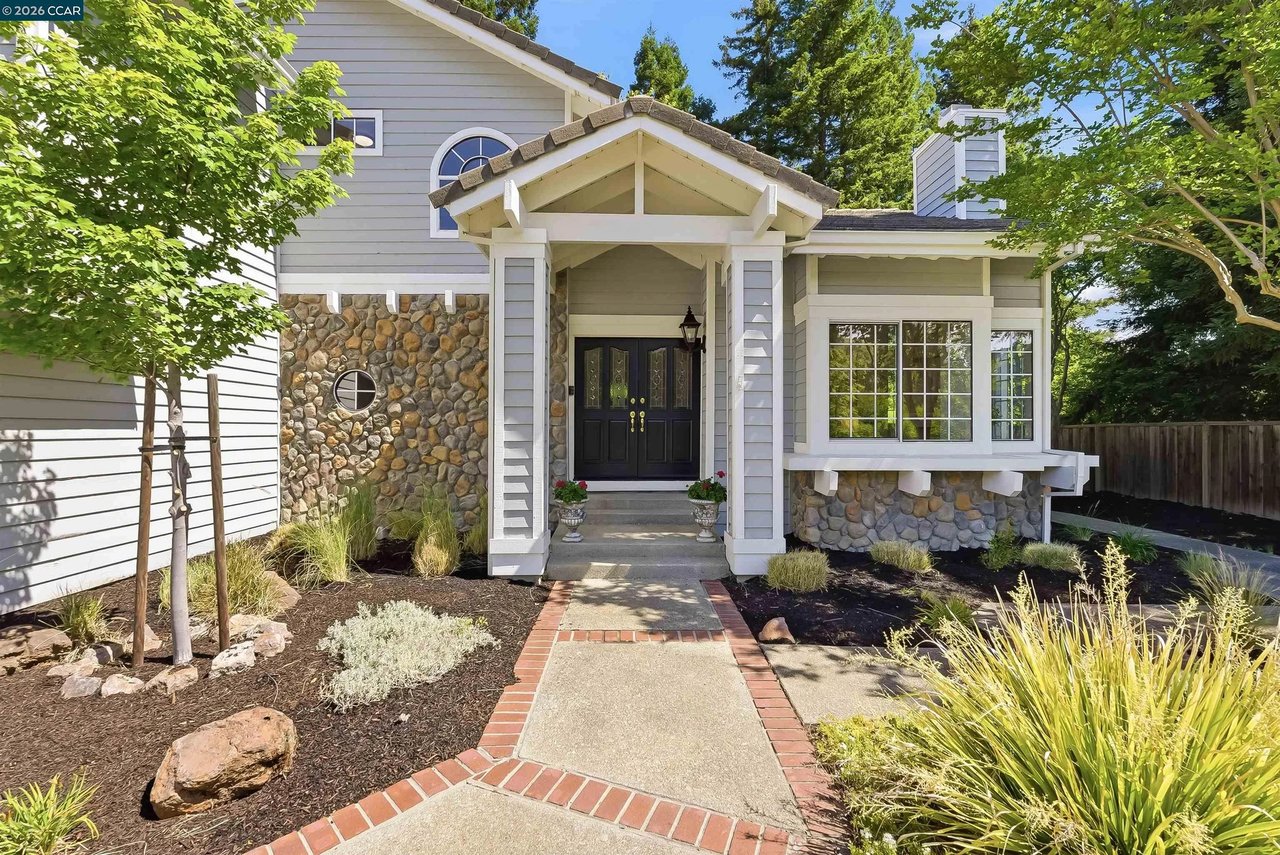
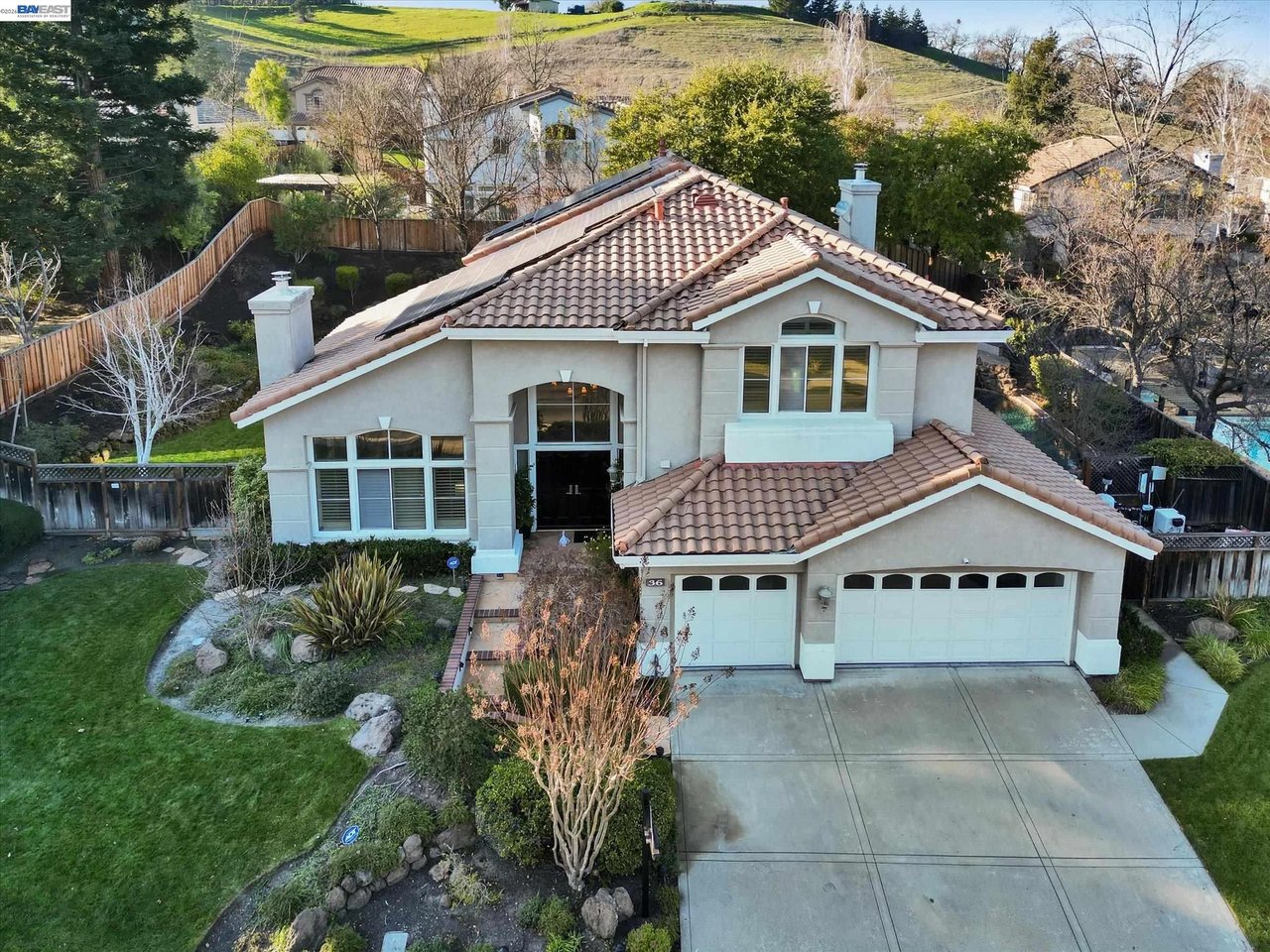
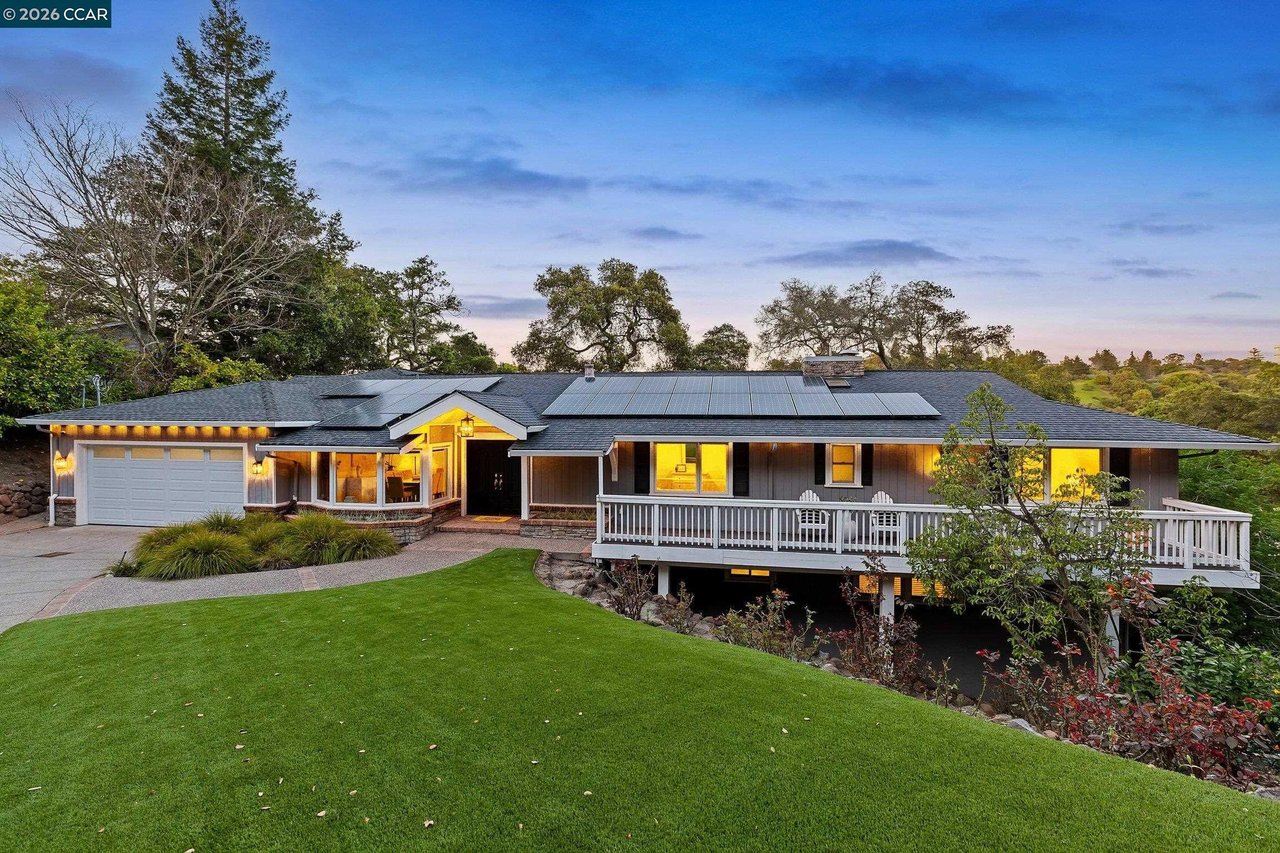
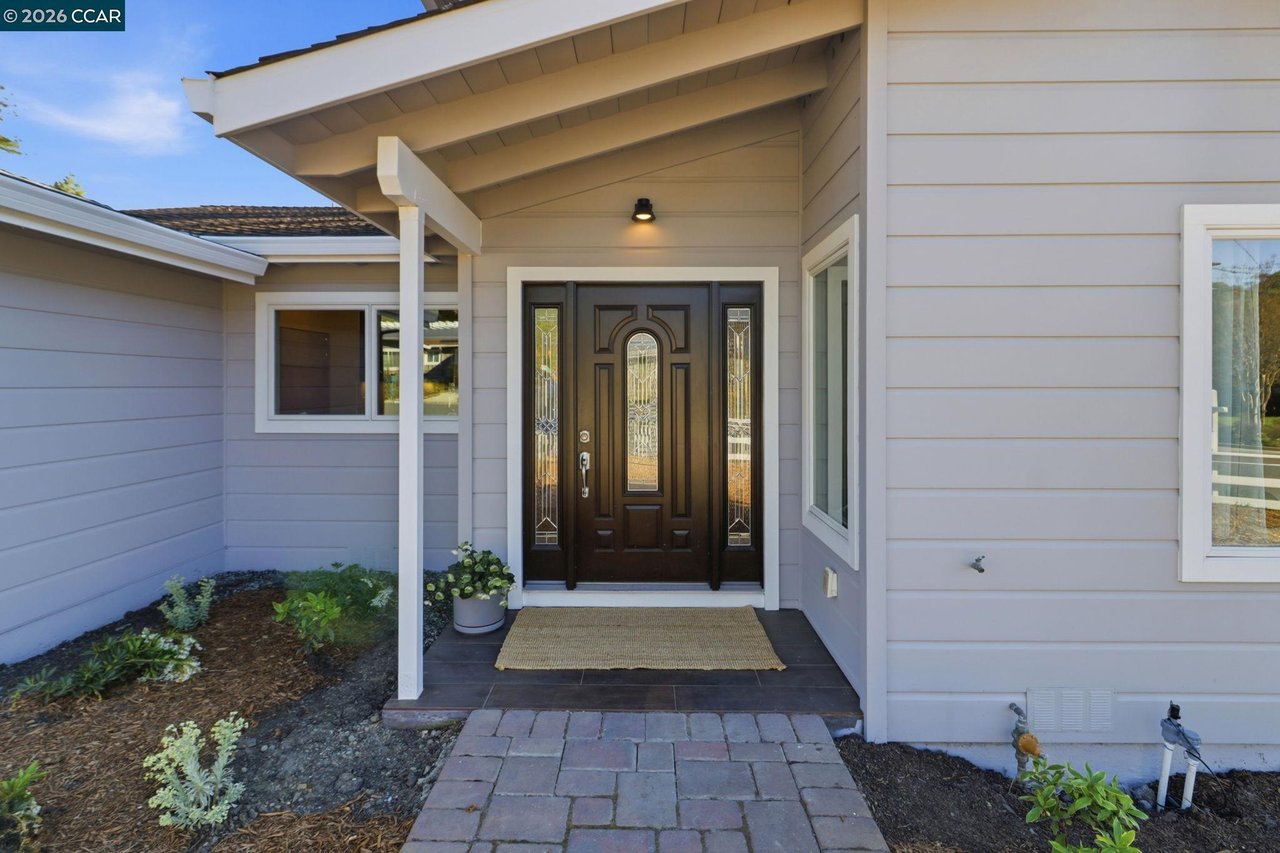
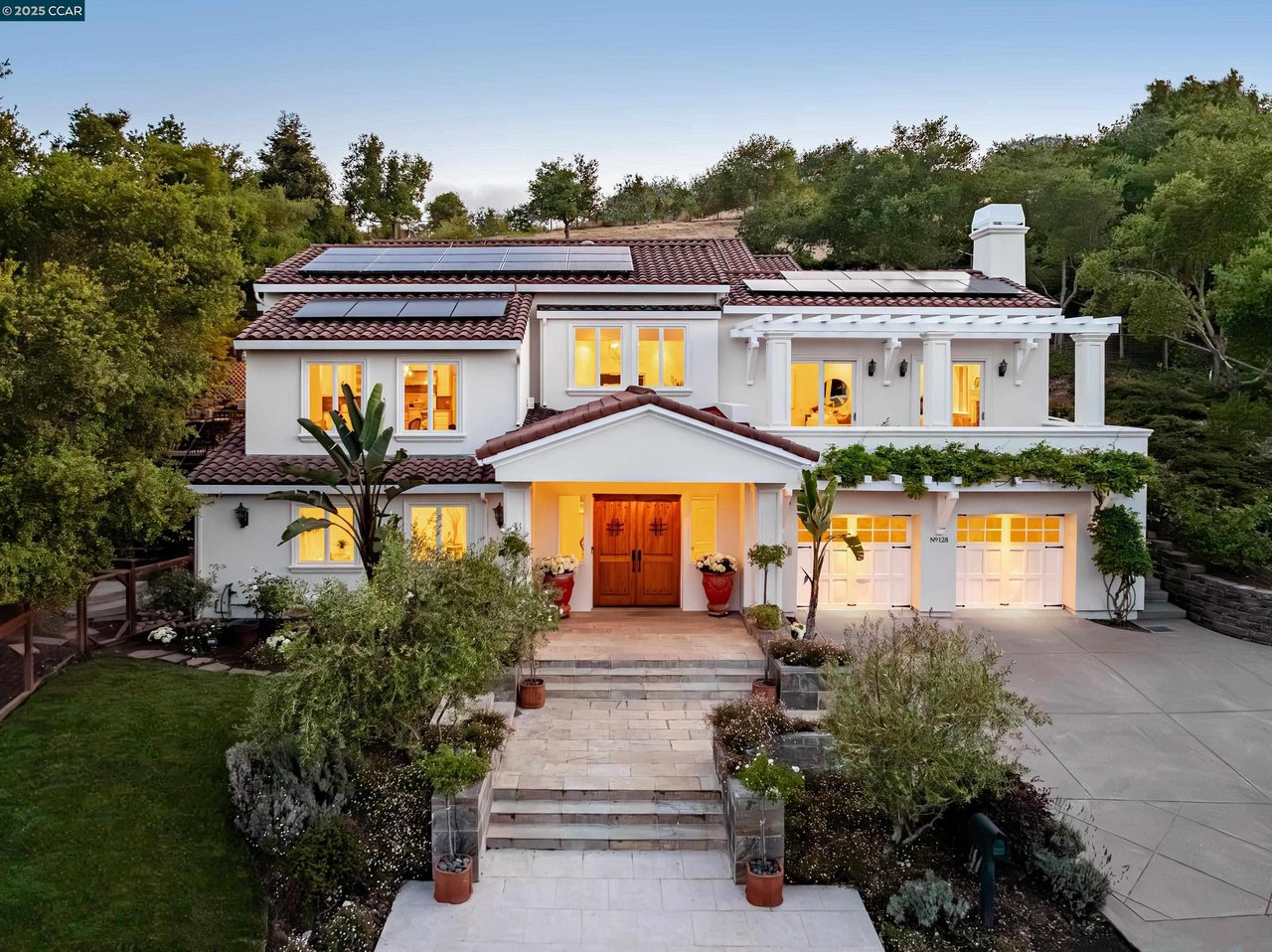
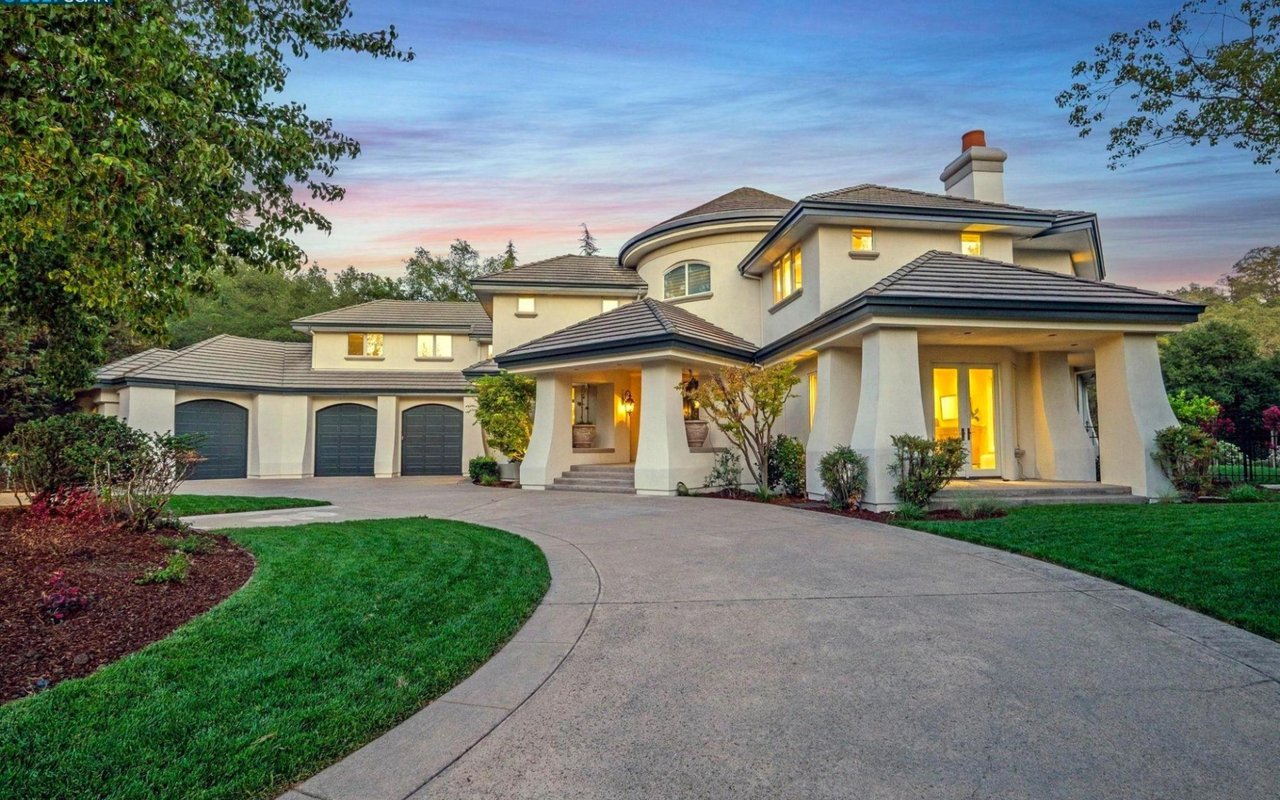
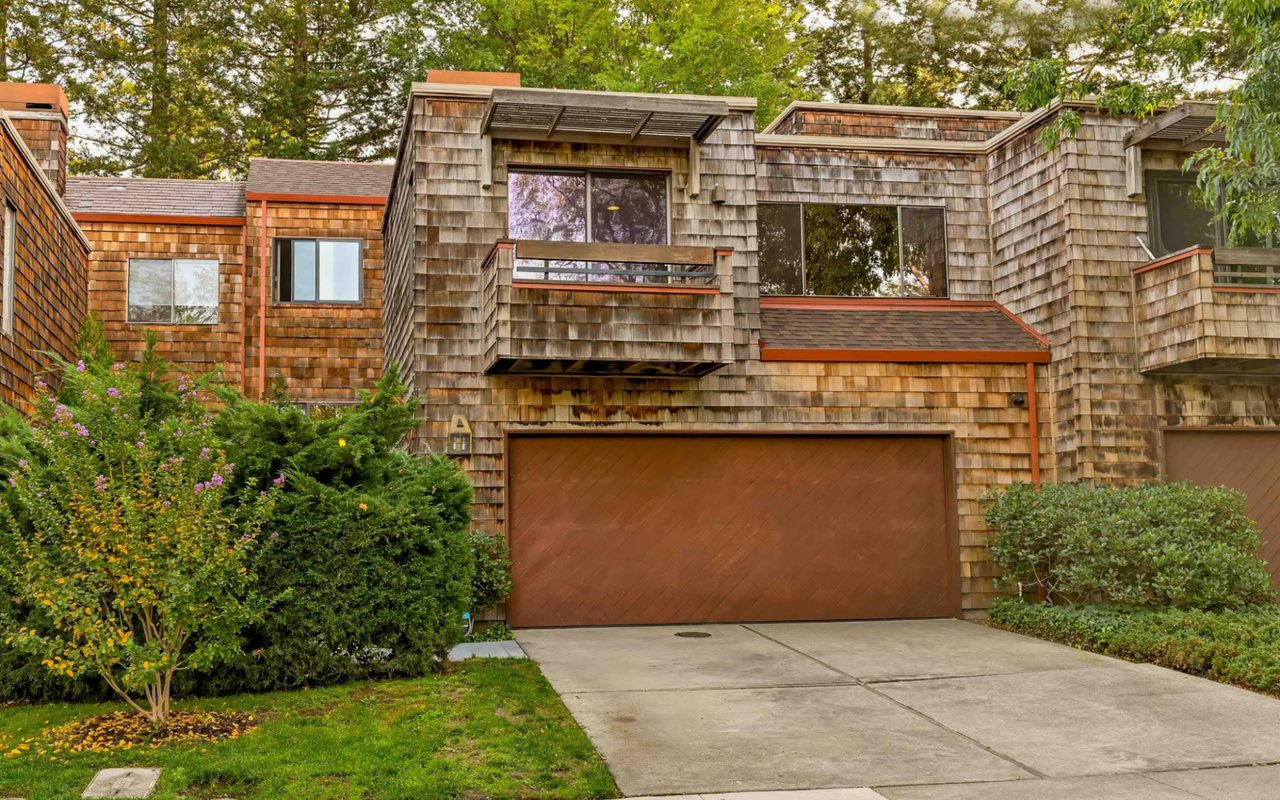
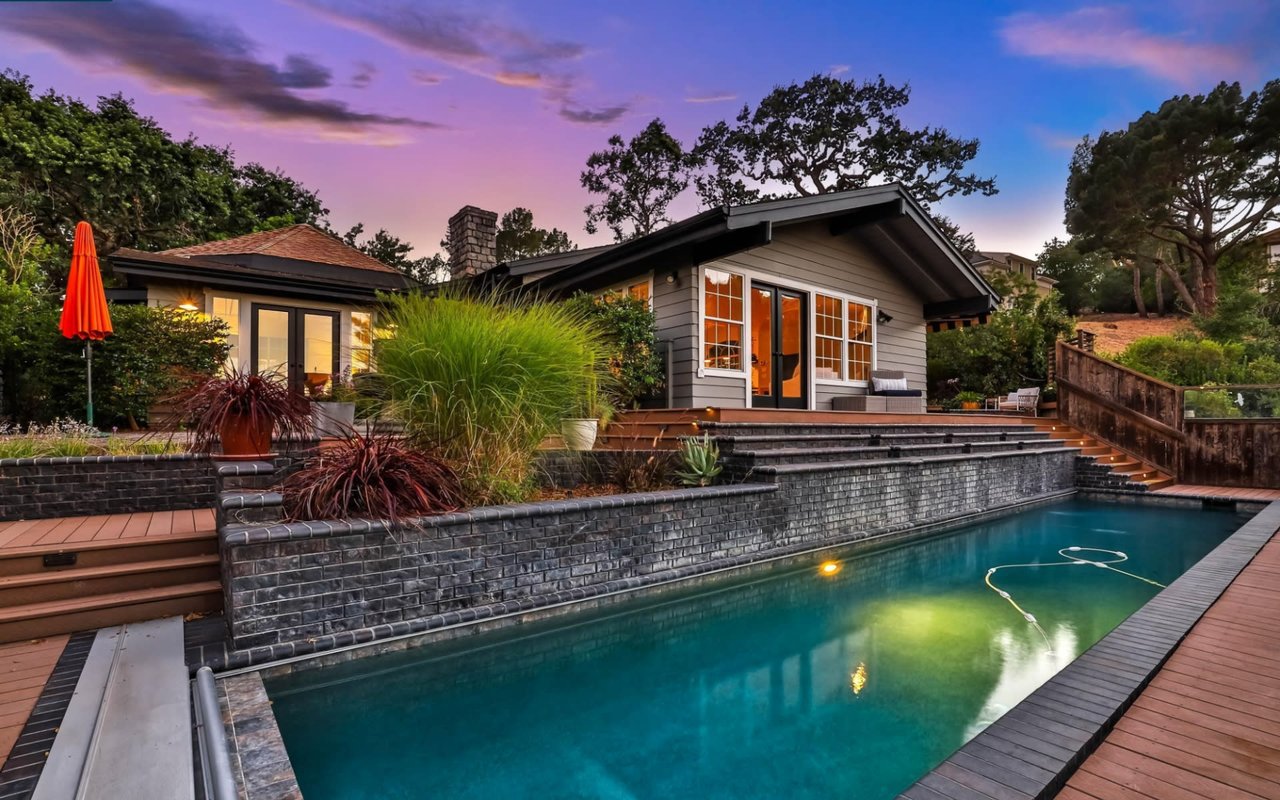
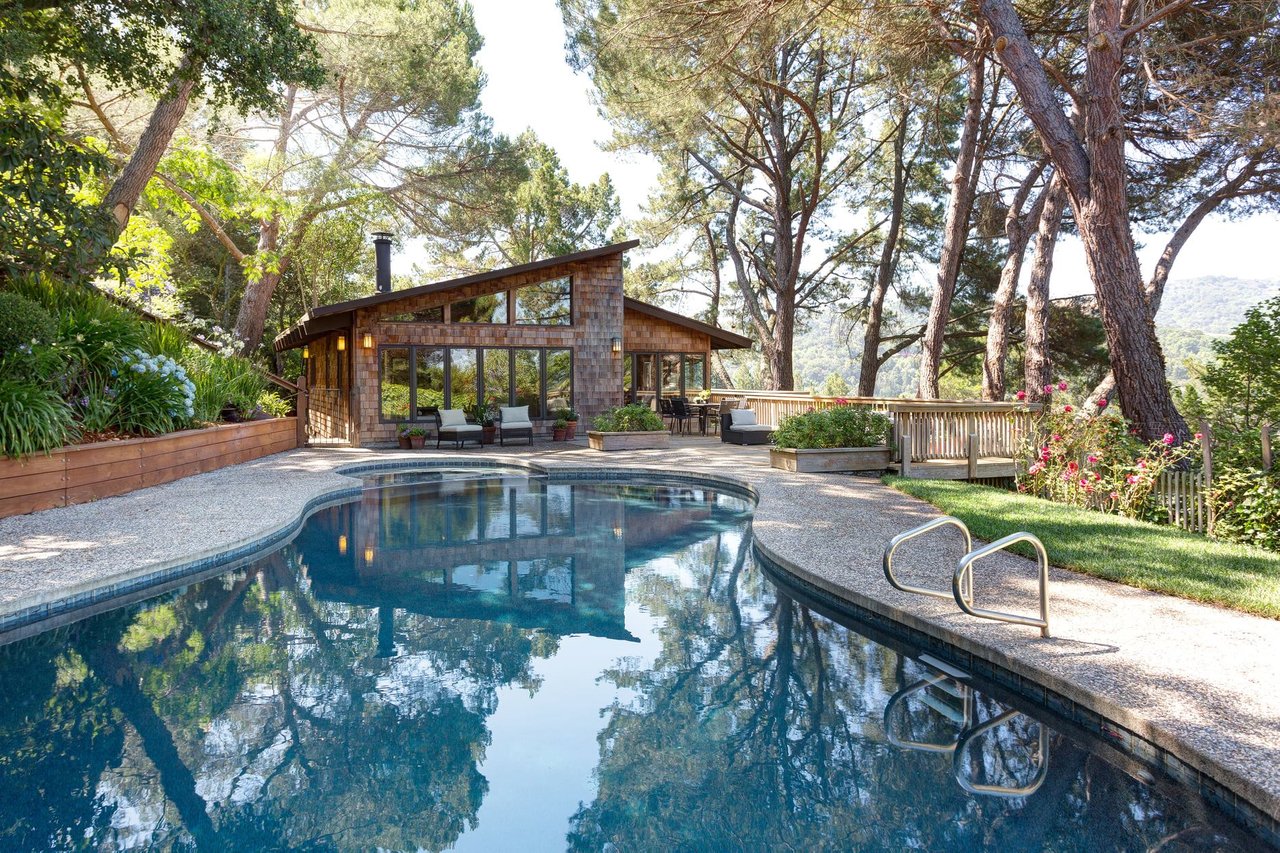
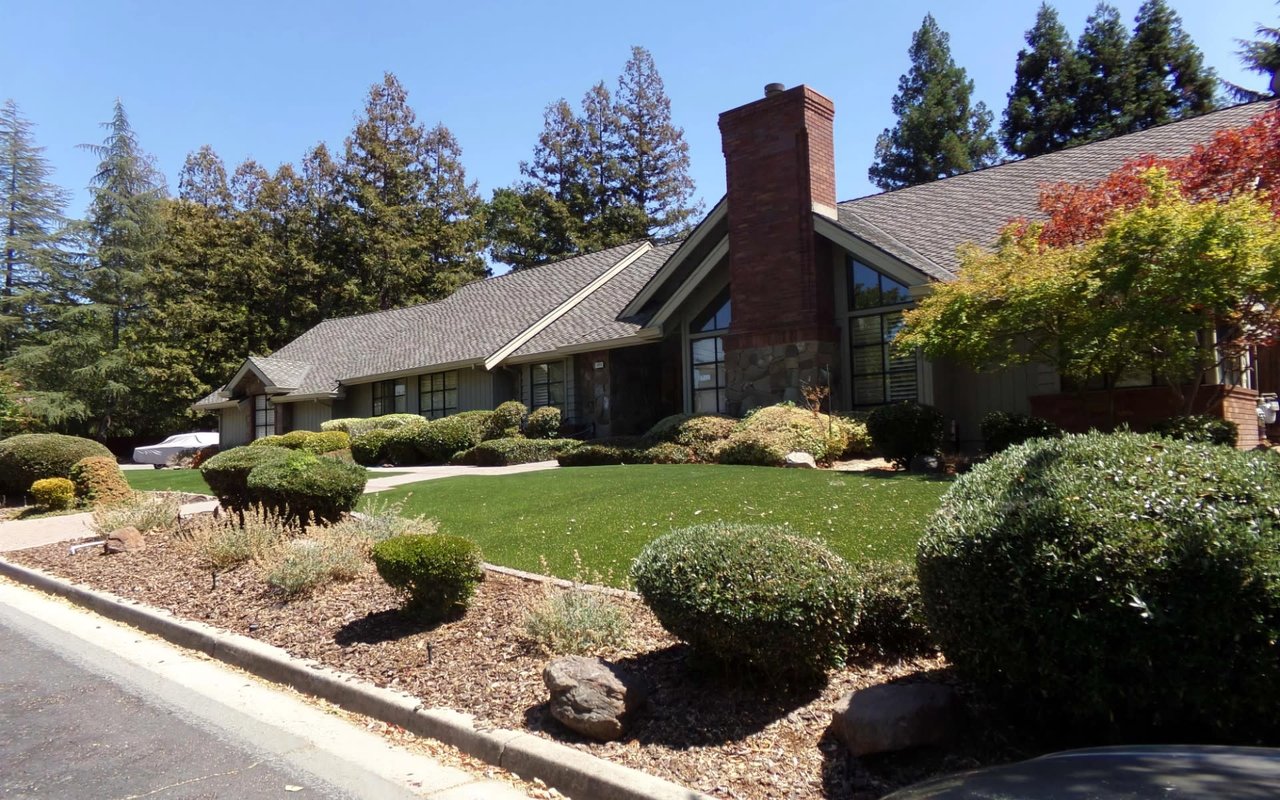
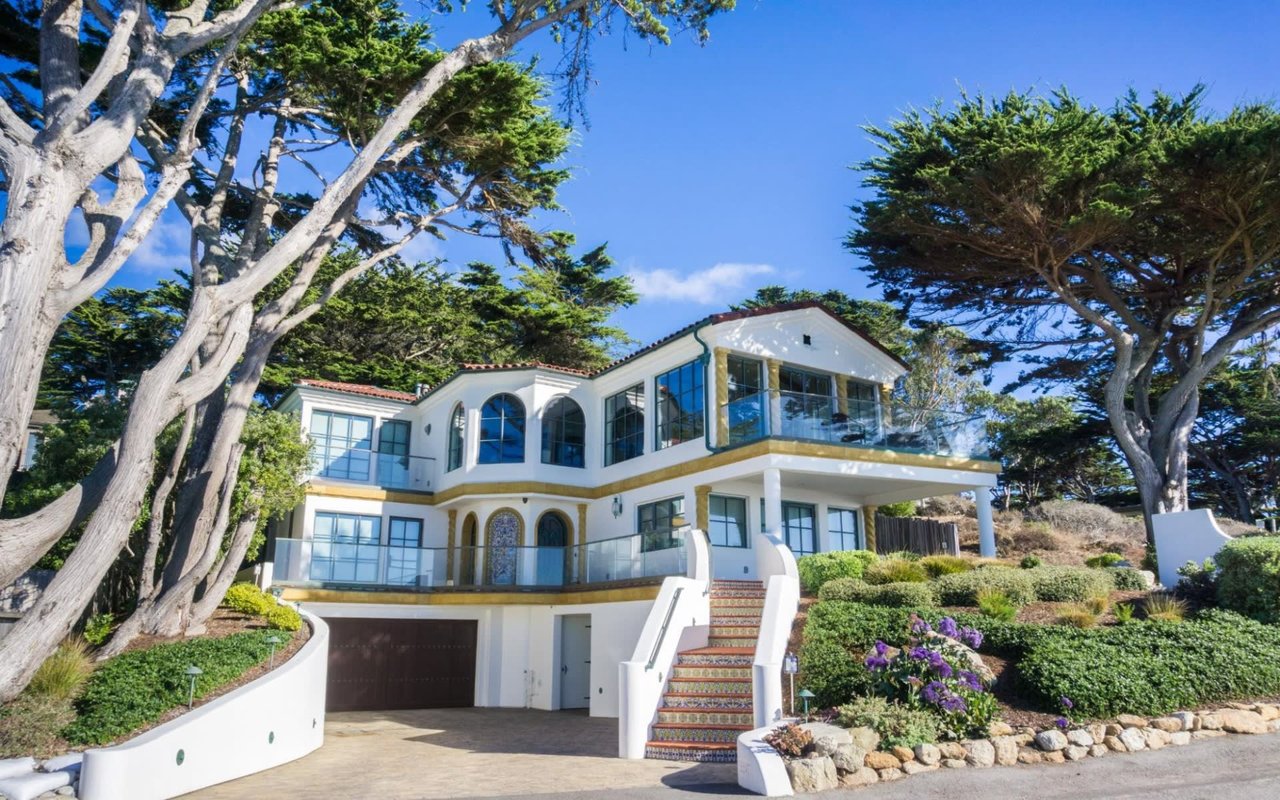
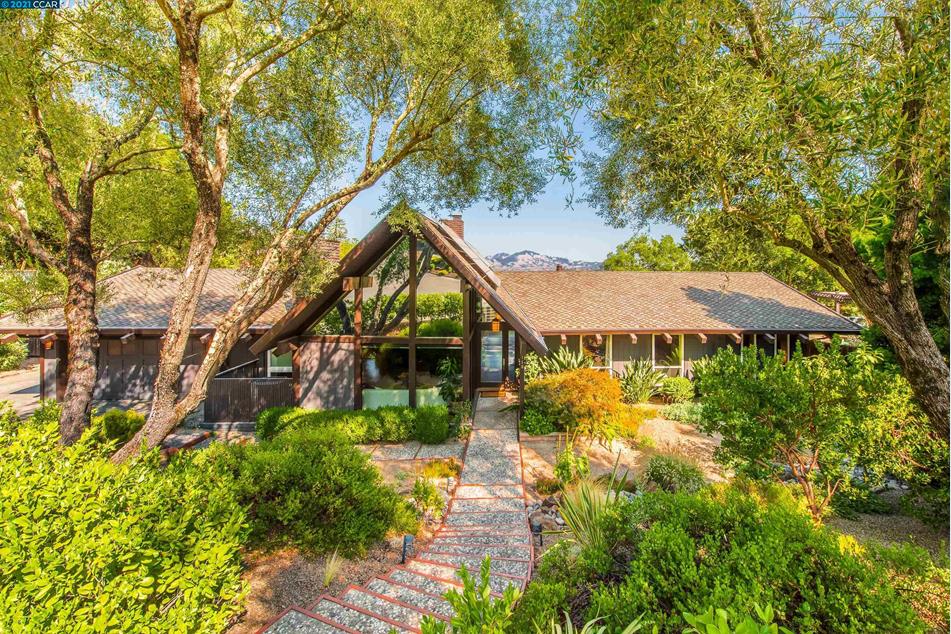
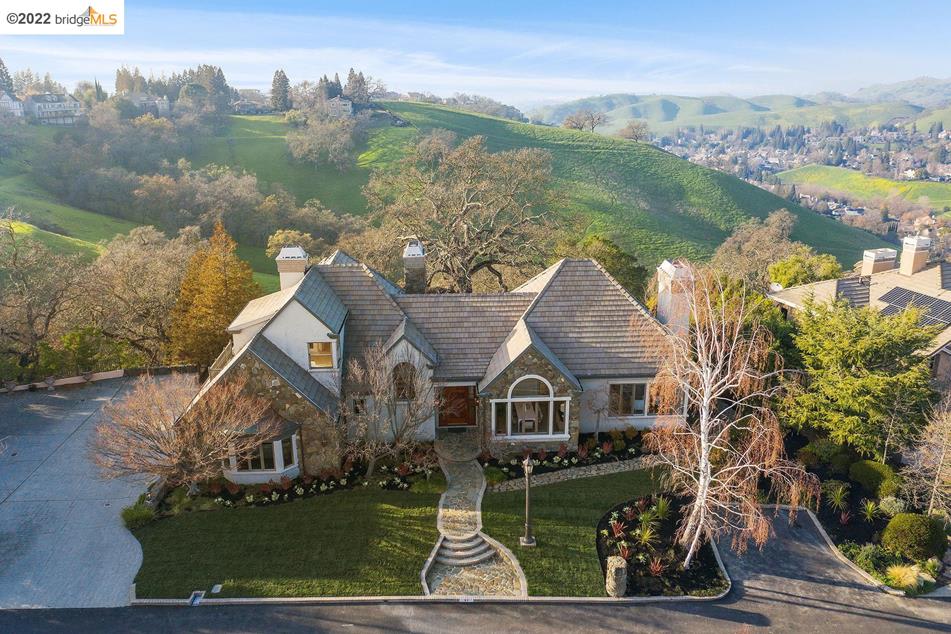
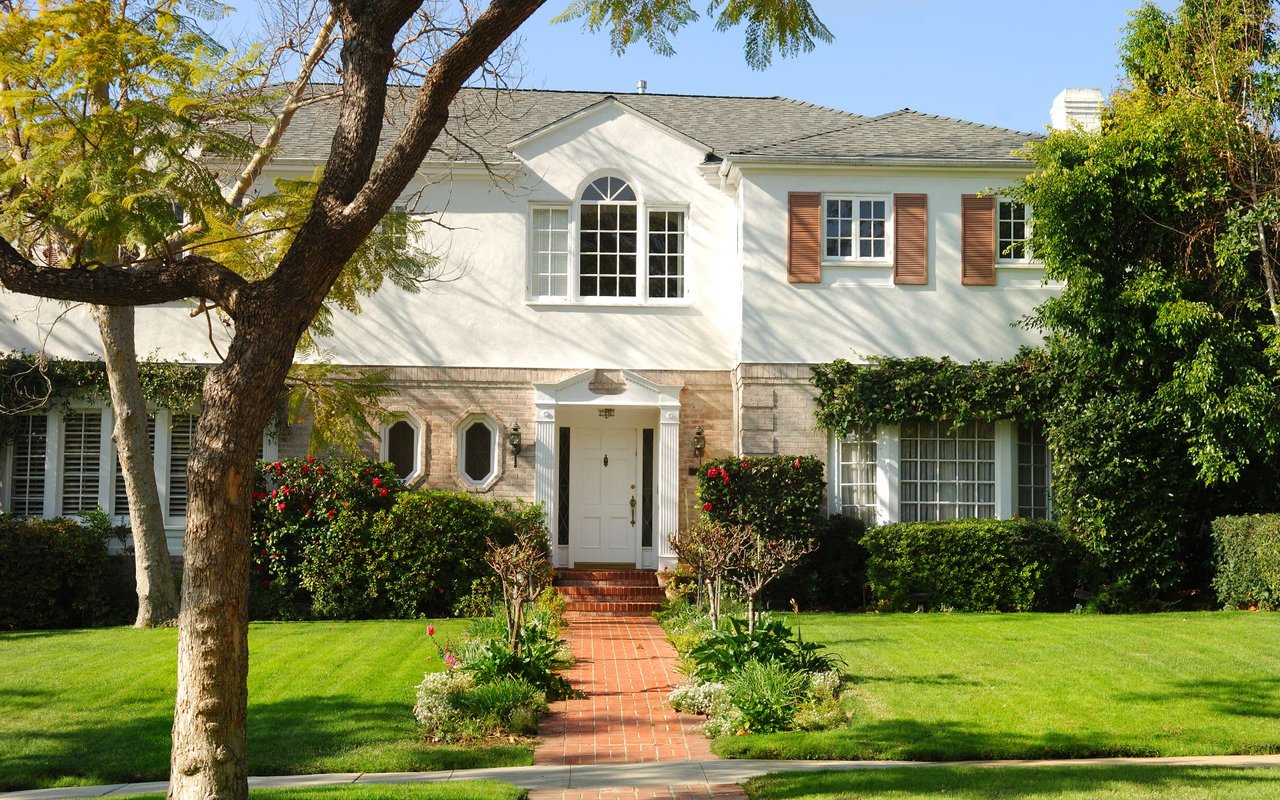
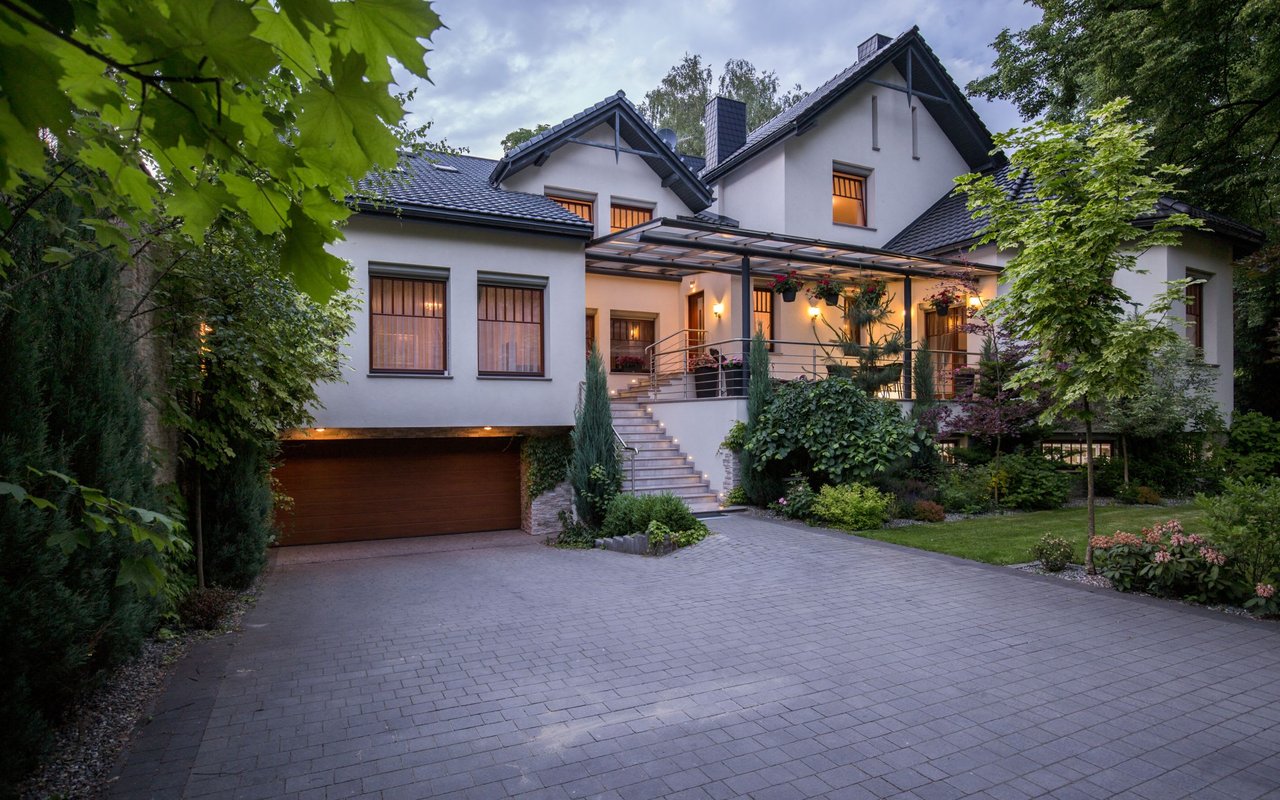
That Orinda hillside home with oak trees and sweeping views? It could cost you $8,000 to $15,000 a year just to insure, if you can get coverage at all.
Most buyers don't find out until they're already in contract. Then they're racing against a deadline.
This isn't about whether to buy in a fire zone. It's about knowing the real costs before you sign. So your budget holds up from day one.
Start With the Property, Not a General Fire Risk Label
California's Fire Hazard Severity Zone maps show whether an area falls within a wildfire zone. They consider vegetation, terrain, fire history, and fire behavior.
But here's the catch. A hazard map doesn't tell you what your insurance company will charge.
The State Fire Marshal says these maps describe wildfire hazard. Insurance companies use their own risk models to decide coverage and rates.
That's why two homes in the same part of Lamorinda can have different insurance situations. Slope, roof type, nearby vegetation, and mitigation work all matter.
When buying, the specific address matters more than a general neighborhood assumption.
Get a Quote Before You Get Attached
This may be the least exciting part of house hunting, but it can save you from an unpleasant surprise.
Call an insurance broker early. Give them the address and ask what coverage is available. Don't rely on what the seller pays, what a neighbor pays, or an online estimate.
Get information for the actual property.
The math matters for your loan qualification too. Lenders factor insurance into your debt-to-income ratio. Here's what the premium difference looks like in your monthly payment:
$2,000 annual premium (non-fire zone) = about $167/month
$6,000 annual premium (moderate fire zone) = $500/month
$12,000 annual premium (FAIR Plan + DIC) = $1,000/month
A $1,000-a-month insurance payment is like carrying a large car payment. It can push you over a lender's DTI limit and change what you can actually afford.
California's Department of Insurance recommends shopping the voluntary market before the FAIR Plan.
This matters because insurance costs affect your budget. You may afford the down payment and mortgage, but a high quote can change your numbers fast.
Solve that before you think about landscaping or improvements.
The FAIR Plan Reality: What It Covers and What It Doesn't
In high-risk areas like Lamorinda, the FAIR Plan may be your only coverage option. It covers fire, lightning, internal explosion, and smoke.
But it's not comprehensive. You also need a DIC policy for liability, theft, water damage, and living expenses.
Together, FAIR Plan + DIC costs 2 to 3 times a standard policy. In severe zones, expect $8,000-$15,000+ per year.
Rates are rising. A 29.1% average increase was approved for October 2026. Get a current quote.
One broker quoted a 1941 home outside a fire zone at $632 for FAIR Plan and $1,500 for DIC. Lamorinda fire zones? Significantly higher.
What Lenders Actually Care About
Insurance affects more than your monthly costs. Lenders require property coverage since the home secures your loan.
If the property may need FAIR Plan coverage, talk to your lender early. Ask what's required. Ask if your plan qualifies. Ask about supplemental coverage.
Don't assume another buyer's approval means yours will be the same. Lenders decide case by case.
Get clarity early, not at the last minute.
Defensible Space Has a Price Tag
California requires defensible space in Zones 0, 1, and 2.
Zone 0 is 0 to 5 feet. No combustibles.
Zone 1 is 5 to 30 feet. Lean, clean, and green.
Zone 2 is 30 to 100 feet. Reduced fuel.
Ongoing work includes tree trimming, brush clearing, gutter cleaning, and weed abatement.
Costs vary. One estimate put hazardous vegetation removal at about $2,000 per property. Sloped oak woodland lots can cost $3,000 to $8,000 or more annually.
Mitigation helps with insurance and premiums. Key upgrades:
Class A roof. Wood shake is uninsurable.
Ember resistant vents and enclosed eaves.
Noncombustible Zone 0.
Defensible space to 100 feet. This is a FAIR Plan requirement.
Multi-paned windows.
Some insurers offer up to 25 percent discounts for mitigation.
Pre-Offer Checklist: Do This Before You Write That Contract
Before offering on a Lamorinda home with wildfire exposure:
Check the fire hazard zone at osfm.fire.ca.gov/FHSZ. It shows mapped hazard, not insurance cost.
Get a bindable insurance quote during your contingency period. Give the broker the exact address.
Ask about the FAIR Plan if traditional coverage isn't available.
Talk to your lender. Confirm your insurance meets their requirements.
Inspect the property. Check the roof, vents, and vegetation. The fire district offers free exterior inspections.
Ask the seller for the last three years of premiums and any denied claims.
Estimate ongoing maintenance. Plan for next year and beyond.
The Bottom Line
A Very High Fire Hazard Zone doesn't make Lamorinda a bad choice. Orinda, Moraga, and Lafayette are great for schools, space, and privacy.
But you need to understand the real cost of fire risk.
Want help with the numbers for a specific property? I can connect you with fire-zone insurance brokers, explain defensible space costs, and help you budget before you commit. Let's talk.
-Kelly