Home insurance isn't something most buyers think about until they're deep into the purchase process. That's a mistake that's costing people real money and causing real problems in today's market. Insurance costs in California have increased dramatically over the past few years, and these increases are affecting monthly housing costs, loan qualification, and even which properties you can afford to buy.
I've watched buyers get surprised by insurance quotes that are double or triple what they expected. Some have to rethink their budgets. Others walk away from purchases because the numbers no longer work. If you're buying in the East Bay, particularly in Lamorinda, understanding the insurance landscape before you start making offers can save you from expensive surprises and failed transactions.
What's Changed with California Home Insurance
California's home insurance market has gone through significant disruption over the past few years. Major insurers including State Farm and Allstate have stopped writing new policies in California or significantly reduced their coverage offerings. Wildfire losses have made insuring California properties less profitable.
The California FAIR Plan is the state's insurer of last resort. It has seen massive increases in policies as homeowners who can't get traditional coverage turn to this option. FAIR Plan coverage is typically more expensive and provides less comprehensive protection, but for some properties, it's the only option available.
Even buyers who can get traditional insurance are seeing premium increases of 20% to 40% or more. A home that cost $2,000 annually to insure in 2020 might now cost $2,800 to $3,500 or higher. This is the new normal for California home insurance, and buyers need to factor these costs into their purchase decisions from the beginning.
How Insurance Costs Affect Your Monthly Budget
Let me show you how this plays out with real numbers. You're buying a $1.5 million home in Lafayette with 20% down, financing $1.2 million at 6% interest. Your principal and interest payment is roughly $7,195 monthly. Property taxes at about 1.2% annually add roughly $1,500 monthly.
Now add insurance. If you were budgeting based on old costs of maybe $200 monthly, you might be shocked to get quotes of $350 to $450 monthly or higher. That's an additional $150 to $250 monthly you didn't account for. Over a year, that's $1,800 to $3,000 in extra housing costs.
Your total monthly payment goes from the roughly $8,895 you expected to $9,045 to $9,145 or more. For many buyers, especially those at the edge of their qualifying ratios, this difference matters.
Lenders calculate your debt to income ratio including PITI (principal, interest, taxes, and insurance). If higher insurance costs push your ratio above what the lender allows, you might not qualify for the loan amount you thought you could get. You either need to reduce your purchase price, increase your down payment, or find ways to reduce other monthly debts.
Why Some Properties Cost More to Insure
Not all East Bay properties face the same insurance challenges. Properties in areas designated as high wildfire risk face the biggest ones. While much of Lafayette, Orinda, and Moraga isn't in the most extreme fire zones, properties in hillside areas, near open space, or with significant vegetation nearby can face higher premiums or difficulty getting coverage.
Older homes are harder and more expensive to insure, particularly those with older roofs or outdated electrical systems. Insurers are increasingly selective about property condition. Some won't cover homes with roofs over a certain age without replacement.
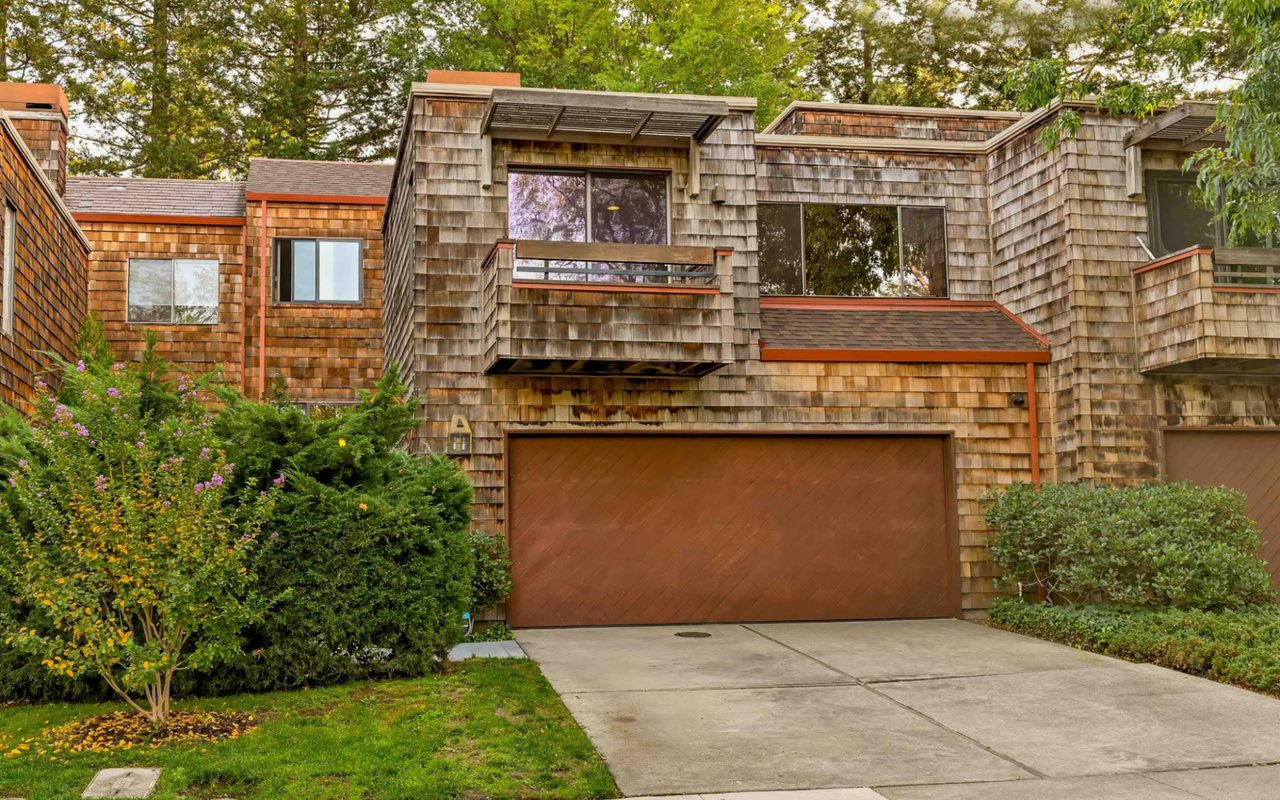
Home value and rebuild costs directly affect premiums. A $2.5 million home costs more to insure than a $1.5 million home because the replacement cost is higher. Properties with wood shake roofs or knob and tube wiring can be difficult or expensive to insure.
What Buyers Need to Do Before Making Offers
Smart buyers are now getting insurance quotes before making offers, not after. This preparation prevents surprises that can derail purchases.
Contact an insurance agent early in your home search. Discuss what insurance might cost for properties you're considering. Give them addresses of homes you're interested in and get preliminary quotes. This helps you understand whether insurance will be a problem and what it will actually cost.
Factor realistic insurance costs into your budget from the beginning. Don't assume $150 or $200 monthly. Assume $300 to $400 or more depending on the property. Adjust your purchase price accordingly if needed.
Ask sellers about their current insurance costs during your due diligence period. While you might not get exactly the same rate, it gives you a baseline. If the seller is paying $400 monthly, you know yours will be in that range at minimum.
For properties in higher risk areas, make your offer contingent on obtaining satisfactory insurance at a cost you can afford. Get multiple insurance quotes once you're in contract. Different insurers price risk differently, and shopping around can save hundreds or thousands annually.
The Lamorinda Insurance Reality
Lafayette properties in flatter areas closer to downtown generally have fewer insurance challenges than hillside properties. But even here, costs have increased substantially. Properties from $1M to $1.4M might see annual premiums of $2,500 to $4,000. Family homes from $1.4M to $2.5M often run $4,000 to $6,000 or more annually.
Orinda properties, especially those in hillside areas with significant vegetation and proximity to open space, can face more substantial challenges. Some properties are difficult to insure with traditional carriers and may require FAIR Plan coverage. Annual premiums of $5,000 to $8,000 or higher aren't uncommon for larger homes in higher risk areas.
Moraga properties show similar patterns to Orinda. Hillside and open space adjacent homes face higher costs and potential availability issues.
What This Means for Your Buying Strategy
Budget conservatively for insurance from the beginning. Add $300 to $500 monthly to your housing cost calculations rather than the $150 to $200 that might have been realistic a few years ago. This prevents qualification problems and ensures you can actually afford the total monthly payment.
Consider insurance implications when choosing between properties. Two similar homes at the same price might have dramatically different insurance costs based on location, fire risk, or property characteristics.
Work with experienced local agents and lenders who understand current insurance challenges. They can help you navigate these issues and connect you with insurers who are still writing policies in our area.
Don't waive your loan contingency until you've confirmed insurance availability and costs. This contingency protects you if insurance issues make the purchase unworkable.
Moving Forward
Rising insurance costs are a real factor in East Bay home purchases now. Ignoring this until you're deep in escrow is a recipe for problems. The buyers who succeed are the ones who research insurance early, budget appropriately, and factor these costs into their purchase decisions from the beginning.
If you're buying in Lamorinda and want to understand how insurance might affect your specific situation, let's talk. I can also connect you with insurance agents who are successfully placing policies in our area. Being prepared makes all the difference between a smooth transaction and an expensive surprise.
-Kelly