One of the biggest mistakes I see buyers make is treating every feature on their wish list like it's equally important, and then wondering why they can't find anything or why they keep losing out on homes to other buyers. The reality is that no house checks every single box, and the buyers who succeed in finding homes they love are the ones who understand the difference between what they absolutely need and what would just be nice to have.
This isn't about settling or compromising on things that truly matter to your family. It's about being strategic and clear-eyed about which features are non-negotiable and which ones you can be flexible on. In the East Bay market, particularly in Lamorinda where inventory gives you options but competition still exists for the best properties, this clarity makes all the difference.
Let me walk you through how to actually prioritize your list so you can make smart decisions without sacrificing what truly matters.
The Must-Have Category: Your Non-Negotiables
Must-haves are features that fundamentally determine whether a house works for your life. These aren't preferences, they're requirements based on your actual situation and needs.
Location and commute belong in this category for most buyers. If you work in San Francisco and can't handle more than a 45-minute commute, then certain neighborhoods are simply out. If your kids are already enrolled in a specific school and you need to stay in that boundary, that's non-negotiable. These are the factors that affect your daily life in concrete ways.
The right number of bedrooms is usually a must-have, though people sometimes get this wrong. If you have three kids and they truly need separate rooms, then you need four bedrooms minimum. But if your third kid is a baby and could share for years, maybe you can consider a three-bedroom with potential to add on later. Be honest about what you actually need versus what just sounds good.
Basic functionality matters. If you work from home full time and need dedicated office space, that's not a nice-to-have, that's a requirement for your job. If you have mobility issues and can't handle stairs, then single-story living or a home with a main floor bedroom becomes essential.
Budget constraints are real must-haves even though people don't always treat them that way. If you can truly afford $1.5 million comfortably and $1.7 million would stretch you dangerously thin, then $1.5 million is your ceiling. Don't talk yourself into thinking you can make $1.7 million work because the houses are nicer. That path leads to stress and potential financial problems.
The key with must-haves is being ruthless about keeping this list short. If you have 15 must-haves, you don't actually have must-haves, you have a fantasy list. Real must-haves are the three to five things that determine whether your family can actually function in the home.
The Nice-to-Have Category: Your Preferences
Nice-to-haves are features that would enhance your life but aren't essential to making the home work. This is where most of your wish list should live.
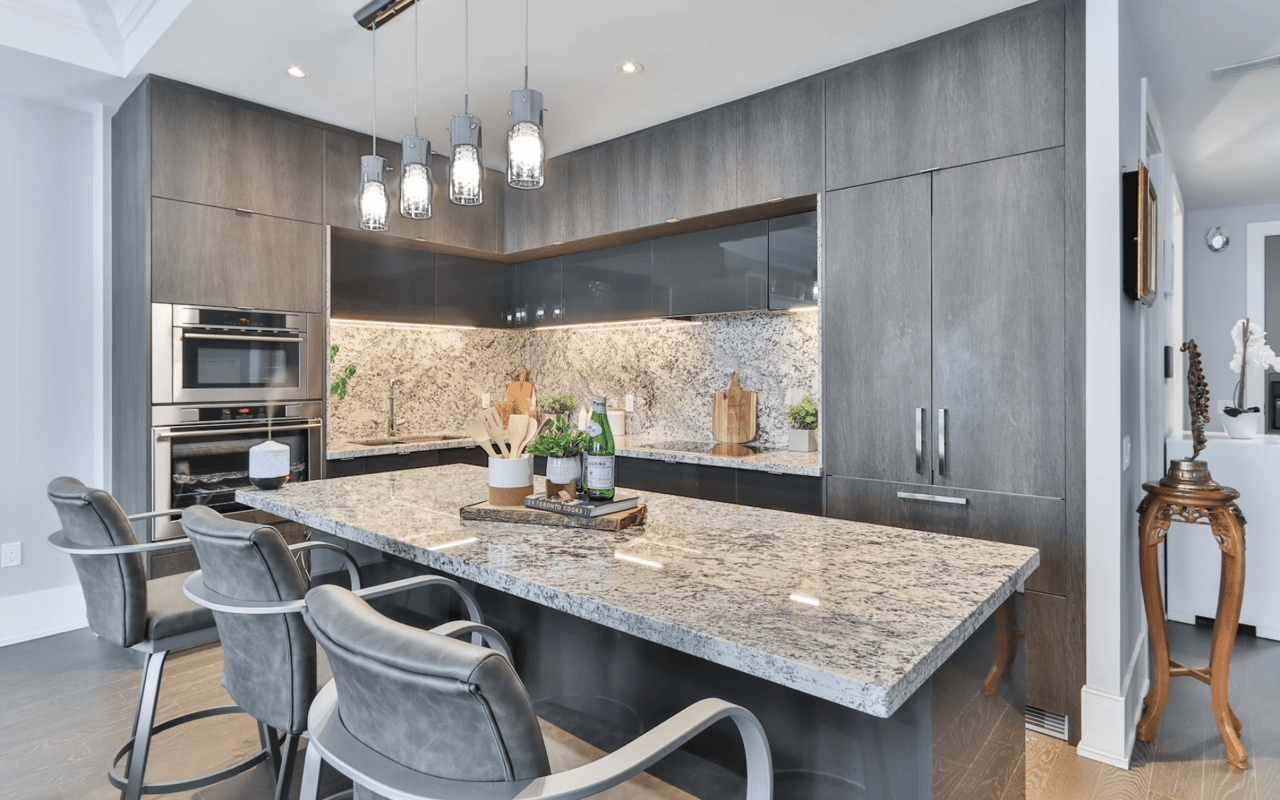
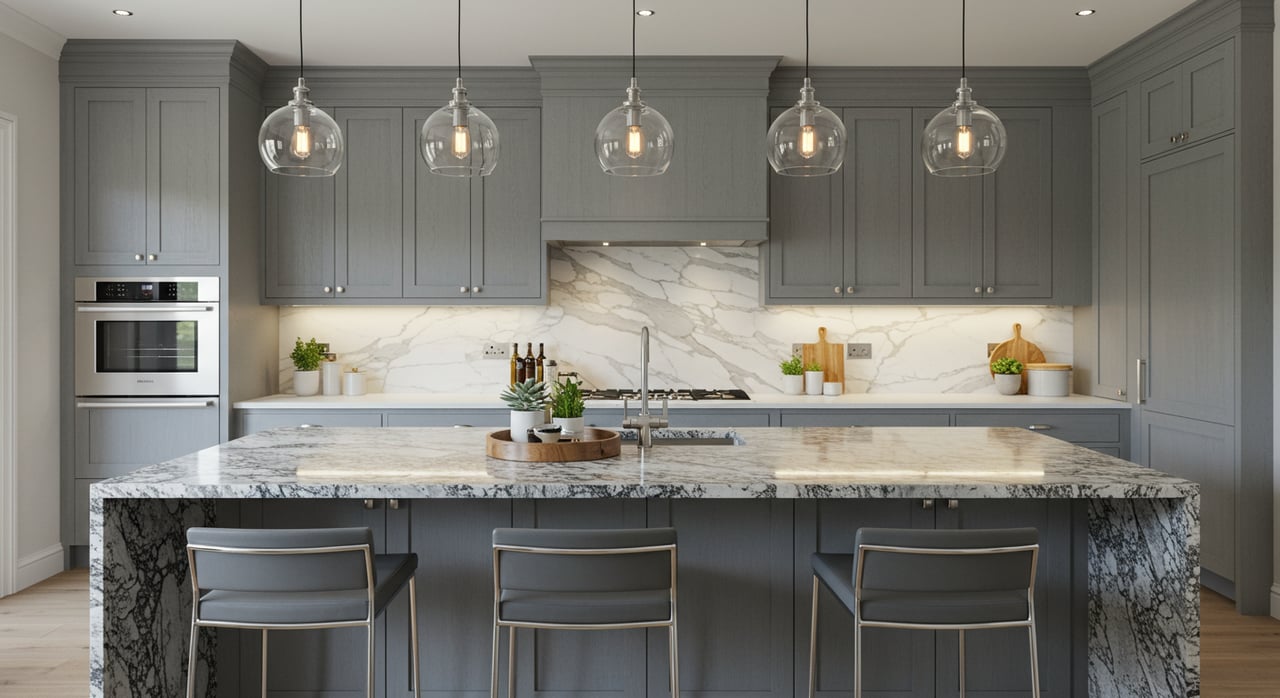
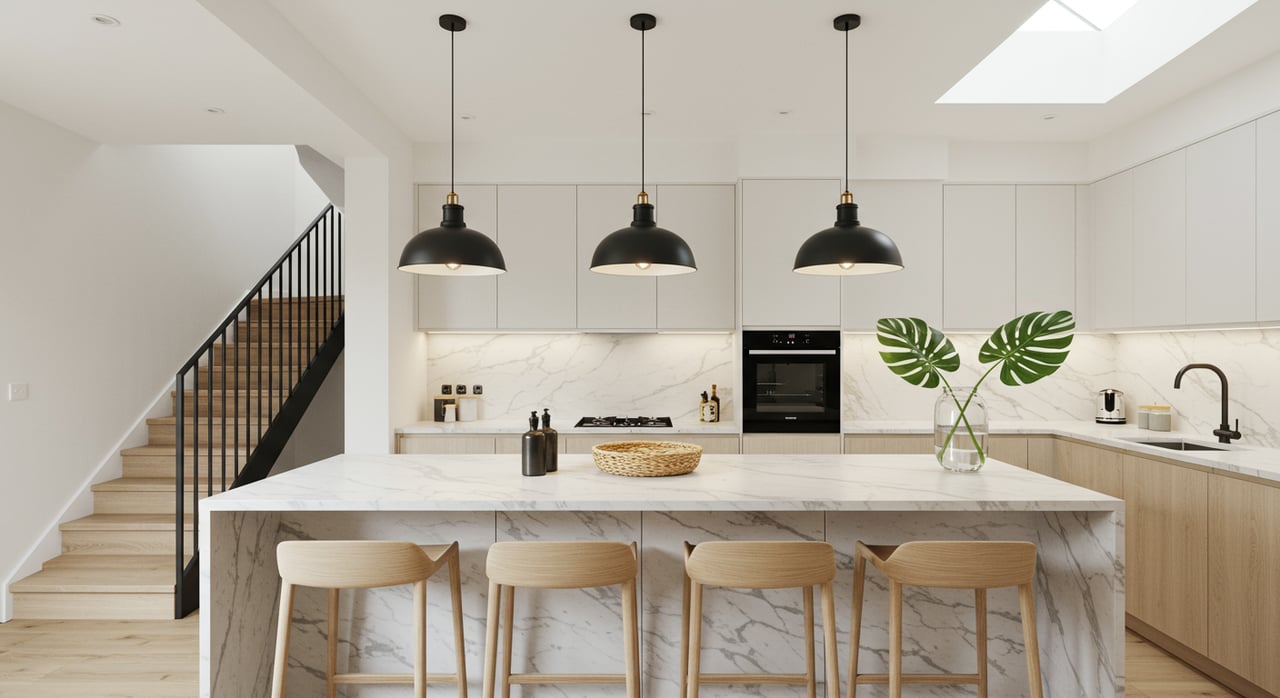
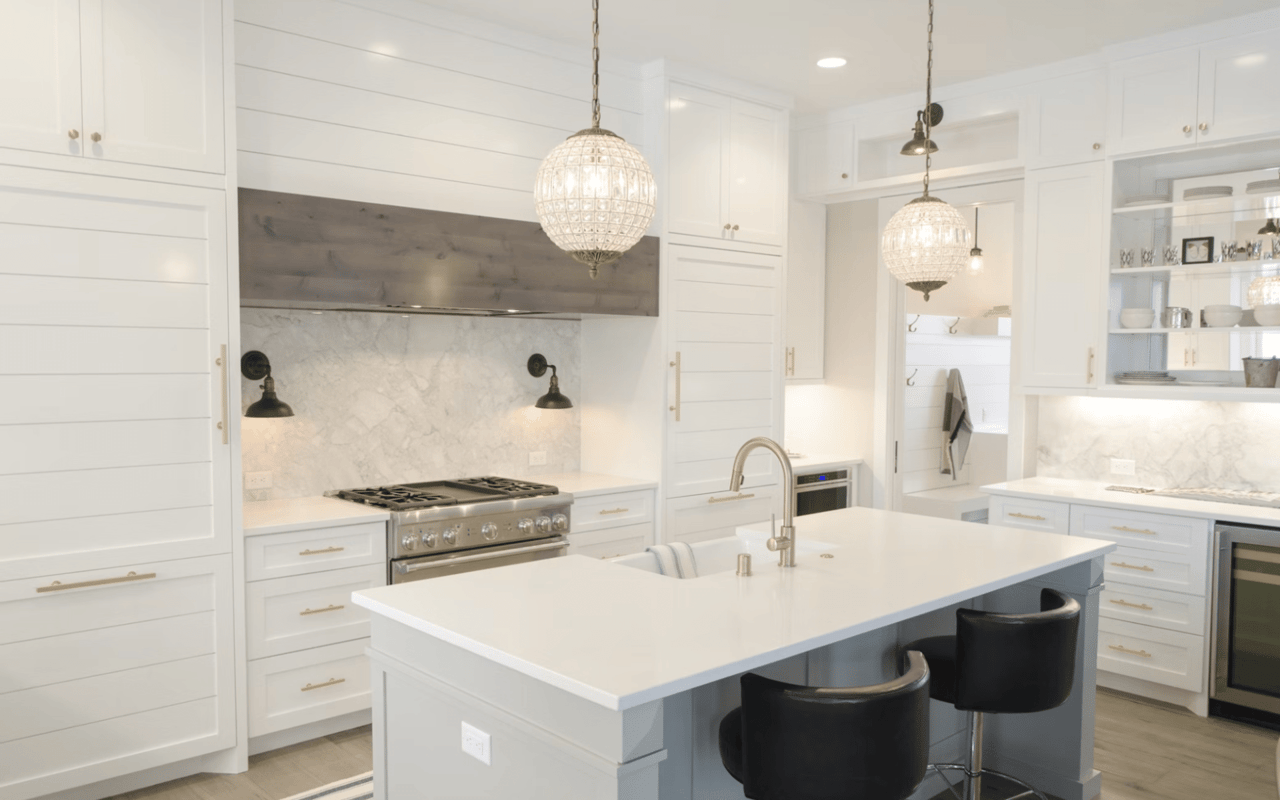
Updated kitchens and bathrooms usually belong here unless they're in such bad shape that they're genuinely unusable. Yes, it's wonderful to have a gorgeous modern kitchen. But if the kitchen is dated but functional, you can live with it and update it later when budget allows. I've never had anyone tell me they really hate their house but they're grateful they live there because it was cheap, but I've also never had anyone refuse to buy a great house in the perfect location because the bathroom tile was from 2005.
Outdoor space often falls into nice-to-have territory. You might want a huge backyard for kids and dogs, but if you find the perfect house with a smaller yard, could you make it work? Could you use local parks more? Could you get creative with the space you have? If the answer is yes, then yard size is a preference, not a requirement.
Garage spaces, storage, finished basements, home offices in some cases, these are all things that make life easier but usually aren't deal-breakers. You can often find creative solutions for storage. You can convert spaces over time. You can adapt in ways that you can't adapt to fundamental problems like wrong location or too few bedrooms.
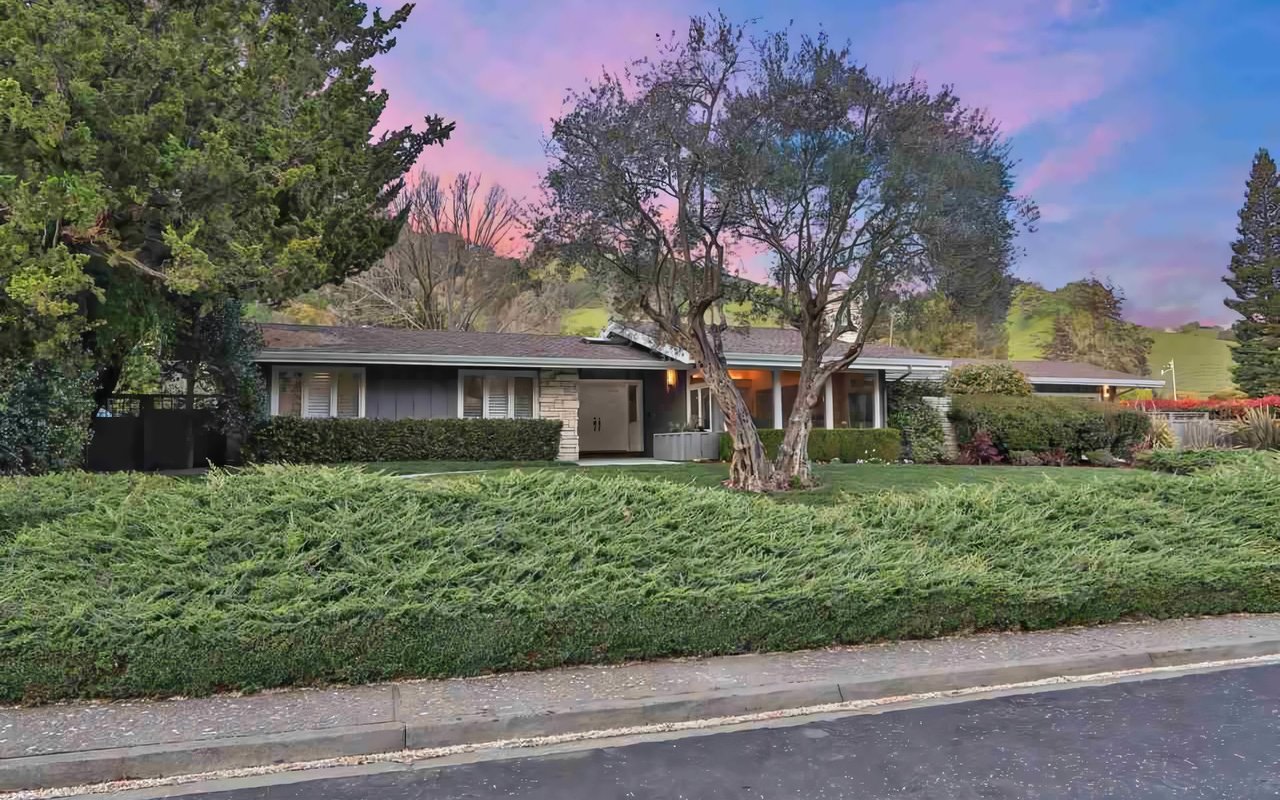
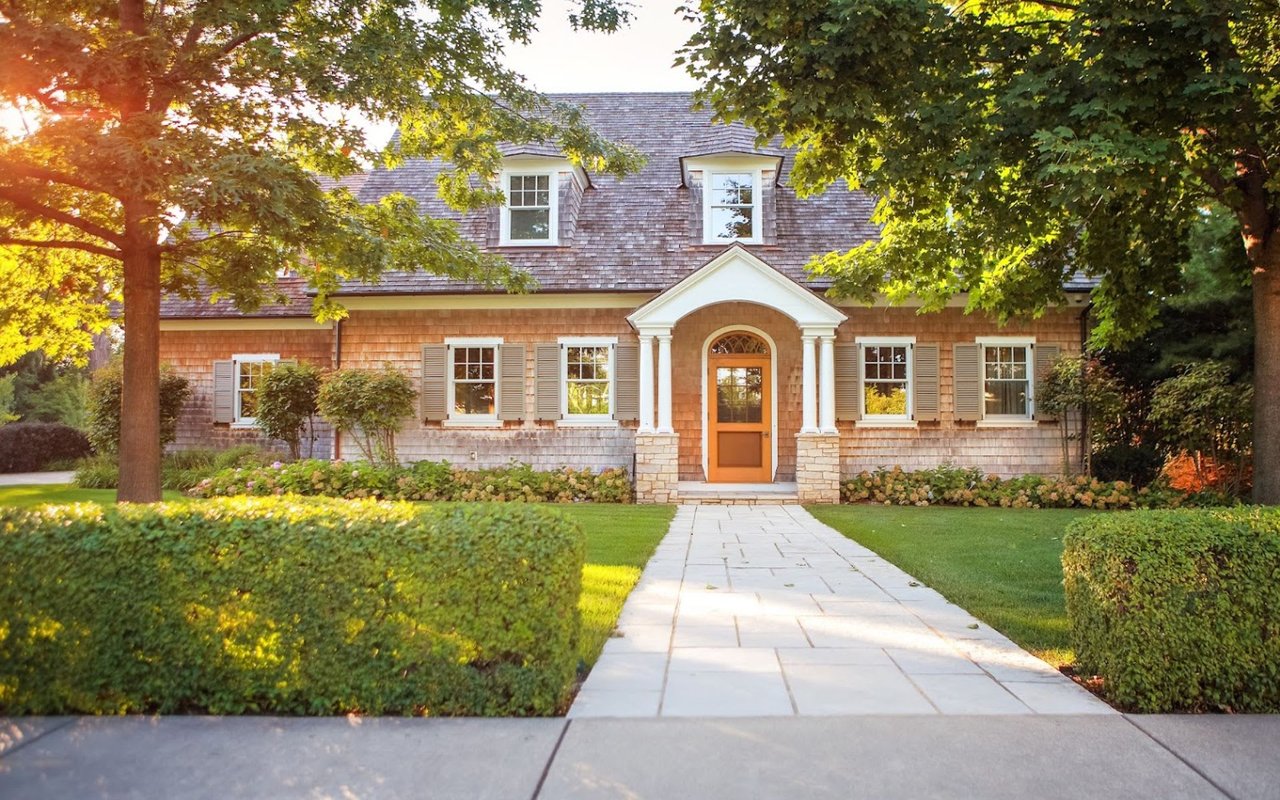
Aesthetic preferences almost always belong in nice-to-have. You wish the house had hardwood floors instead of carpet? You can replace carpet. You don't love the paint colors? Paint is cheap. You'd prefer Craftsman style over ranch style? That's about taste, not function, so unless you truly can't stand a certain architectural style, it should be flexible.
The mistake people make is moving items from nice-to-have into must-have because they really, really want them. Want isn't the same as need. If you can live without it, even if you'd prefer to have it, it belongs in nice-to-have.
How This Actually Works in Practice
Let me give you a realistic example of how this prioritization plays out when you're actually shopping in Lafayette, Orinda, or Moraga.
Your must-haves might be: Lafayette location for the commute, four bedrooms because you have three kids who need separate rooms, under $2 million because that's your absolute budget ceiling, and move-in ready condition because you don't have time or money for renovations right now.
Your nice-to-haves might include: updated kitchen, large backyard, walking distance to downtown, home office space, three-car garage, hardwood floors throughout, and single story living.
Now you start looking. You find a house that meets all your must-haves: Lafayette, four bedrooms, $1.85 million, excellent condition. But it has a smaller yard than you wanted, it's a two-story layout, and while the kitchen is fine, it's not the gorgeous modern space you were hoping for.
Do you pass because it doesn't check your nice-to-have boxes? Or do you recognize that it delivers everything that actually matters and the other stuff you can either adapt to or address later?
The buyers who succeed are the ones who can see that this house works. The ones who struggle are the ones who keep waiting for something that checks every single box, which often doesn't exist at their price point or gets snapped up by someone who recognized its value faster.
When to Recalibrate Your Lists
Sometimes you need to adjust your prioritization based on what the market is actually showing you, and being flexible about this is part of being a smart buyer.
If you've been looking for two months and nothing meets your must-have list, something needs to change. Either you're in the wrong price range, your must-haves are actually nice-to-haves that need to move categories, or you need to expand your geographic search. The market is telling you something, and ignoring that message just prolongs your search unnecessarily.
If you keep finding houses that meet your must-haves but you're passing because of nice-to-haves, ask yourself honestly whether those nice-to-haves should become must-haves or whether you're being too picky. Sometimes a feature you thought was flexible actually matters more than you realized. Sometimes you're just being unrealistic about what's available at your price point.
If you're losing out on houses to other buyers repeatedly, it might be because your nice-to-have list is too long and you're not moving fast enough when you find something that meets your actual requirements. In a market where great properties still generate competition, the buyers who win are often the ones who can make quick decisions once their true needs are met.
The Lamorinda Reality Check
In Lafayette, Orinda, and Moraga, certain trade-offs come up repeatedly, and understanding them helps you prioritize realistically.
In Lafayette with the biggest inventory numbers right now, you have more options, which means you can be somewhat pickier. But even here, finding something that checks every box at your price point might not happen. The walkable downtown locations command premiums, so if that's a nice-to-have rather than a must-have, you might find better value slightly farther out.
In Orinda where inventory has increased substantially but school boundaries matter enormously to buyers, you might need to decide whether being in the absolute top school zone is a must-have or whether being anywhere in Orinda's good school system is sufficient. That distinction can save you $200,000 or more.
In Moraga where buyers prioritize space and lot size, you might need to decide whether you need a massive yard or whether a good-sized yard is sufficient. The difference between 10,000 square feet and 15,000 square feet might be $150,000 in purchase price.
Across all three communities, properties from $1M to $1.4M entry level through $1.4M to $2.5M family homes, understanding your true must-haves versus nice-to-haves determines whether you find something that works or keep searching indefinitely for perfection that doesn't exist at your price point.
Moving Forward Strategically
Being a smart buyer means being honest with yourself about what you truly need versus what you just want. It means keeping your must-have list short and your nice-to-have list flexible. And it means being ready to move decisively when you find a home that delivers on what actually matters.
If you're shopping in the East Bay and struggling to find something that works, or if you keep losing out on homes because you can't decide quickly enough, let's talk about your priorities. Sometimes an outside perspective helps you see which items on your list are truly non-negotiable and which ones you're holding onto out of habit rather than genuine need. Because finding the right home isn't about checking every box, it's about finding the place that works for your actual life and makes you happy to come home every day.
-Kelly